Before you place a Muay Thai winner bet: what matters most
If you’re new to betting on Muay Thai or moving from boxing/MMA markets, you’ll notice some important differences that change how you evaluate a “winner” bet. In this section you’ll learn the basic market you’re wagering on, how a winner is officially determined, and the timing and limits that most sportsbooks impose. Understanding these fundamentals helps you avoid common mistakes and places you in a better position to manage risk.
What a “winner” bet usually means
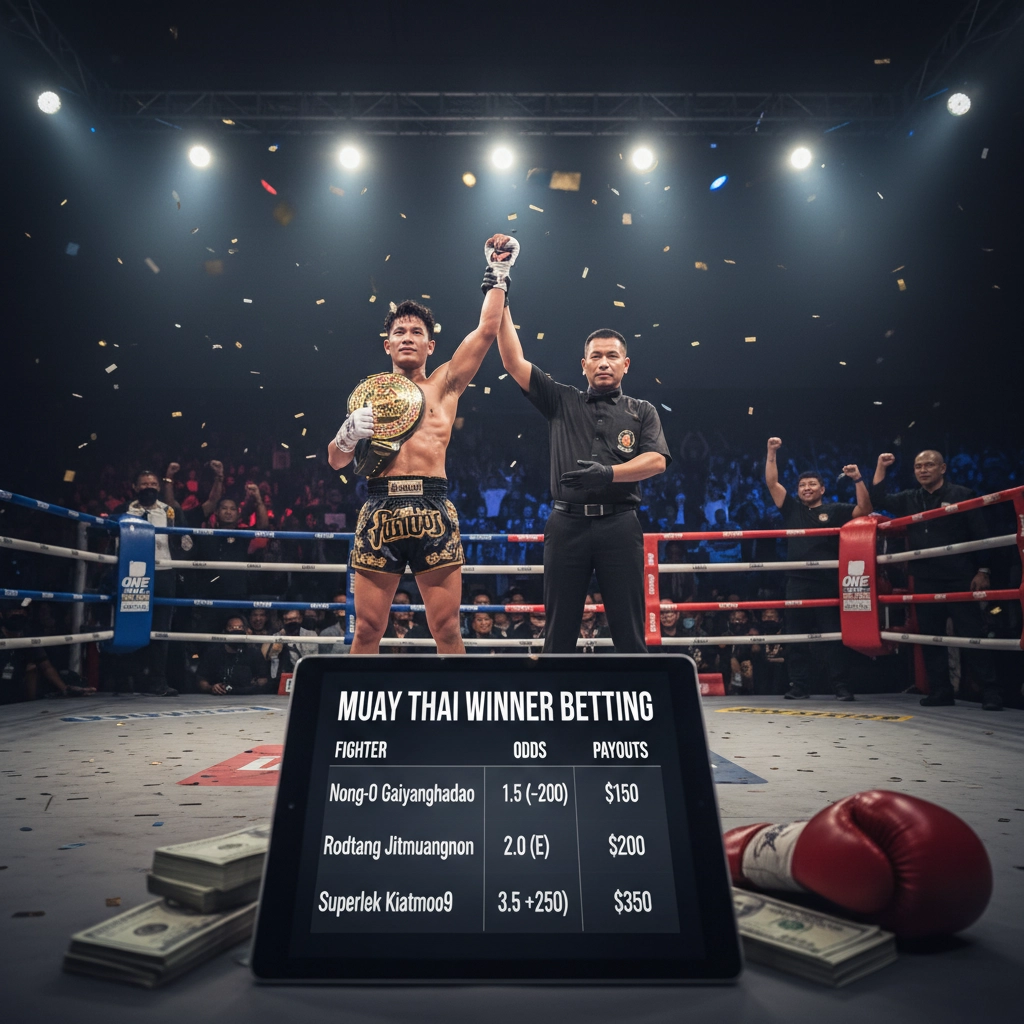
When you back a fighter to win a Muay Thai bout, you’re typically placing a straight moneyline bet: you pick which fighter will be declared the winner at the end of the scheduled contest. That outcome can occur via knockout (KO), technical knockout (TKO), or judges’ decision. Sportsbooks may label this market as “Match Winner,” “Moneyline,” or simply “Fight Winner.”
- Pre-fight market: The bet stands on the official outcome after the scheduled rounds.
- Live/in-play betting: Many operators allow you to bet while the fight is ongoing, with odds adjusting in real time.
- Bet settlement: Winnings are paid after the bout is officially declared over and any post-fight reviews are complete.
Key rules bettors ask about early on
These are the quick rule points you’ll want to confirm with your chosen sportsbook or the event’s officiating body before wagering:
How are winners decided in Muay Thai?
- Fight result: A win can be by KO, TKO, submission is not applicable (Muay Thai uses strikes), or judges’ decision if the fight goes the distance.
- Judging systems: Different promotions and countries use slightly different scoring priorities—some emphasize damage and clean strikes, others value technique and ring control. You should check the promotion rules because that can affect which fighter is favored.
- Official result timing: The result is official once the referee and commission (or ring officials) confirm it. Some sportsbooks wait for the commission’s official report before settling bets.
When you can no longer place a winner bet
Most sportsbooks stop accepting new winner bets at the moment the bout is scheduled to start or when the referee calls the opening bell. For live markets, betting may suspend briefly during a knockdown or stoppage and resume once the round restarts. Always check the operator’s clock and live market rules so you don’t try to place a bet after action has already begun.
These basics set the stage for the more detailed questions bettors frequently ask—such as what happens on a draw, no-contest, disqualification, or doctor stoppage—and how those outcomes affect your settled wagers. In the next section, you’ll get clear answers on those specific scenarios and how different sportsbooks typically handle them.
How draws, no‑contests, and technical decisions affect your bet
One of the first things that trips up new bettors is what happens when a fight doesn’t produce a clear winner. Here’s how sportsbooks commonly handle the main non‑win outcomes and what to check before you wager.
– Draws: If the bout is officially scored a draw (unanimous/majority/split draw), most sportsbooks treat pre‑fight “winner” bets as a push — your stake is returned. Some operators offer a specific “Draw” market; if you back that, it pays only when the official result is a draw. Always confirm whether the book returns stakes on draws or pays a separate draw market.
– Technical decision vs. no‑contest: If a fight is stopped because of an accidental foul (e.g., an accidental headbutt or clash of elbows) the settlement depends on how much of the scheduled contest was completed. Many commissions and promoters require a minimum number of rounds to be completed before going to the scorecards. If that threshold hasn’t been met, the fight is usually declared a no‑contest (NC) and sportsbooks refund “winner” bets. If the minimum has been met, the bout goes to the judges’ scorecards and is settled as a technical decision (so the fighter ahead on points wins your bet).
– Timing and rule variation: The minimum‑round rule varies by promotion and jurisdiction — some Muay Thai shows use 3‑round fights with one set minimum, others use traditional 5×3 minute rounds and a different cutoff. Because of these differences, check both the event rules and the sportsbook’s “void/settlement” clause before betting.
– Example: a 3‑round Muay Thai match stopped in round 2 due to an accidental eye poke. If the promotion’s rules call for at least two completed rounds to go to the cards and only one was completed, most books will refund; if two rounds are complete, the fight goes to the scorecards and settles to the leader.
Disqualifications, doctor stoppages and corner retirements — how bets are settled
These are common scenarios that directly affect a “winner” bet. Knowing the reasoning behind each outcome helps you interpret line movement and settlement.
– Disqualification (DQ): If a fighter is disqualified for an intentional foul or repeated rule violations, the opponent is officially declared the winner and “winner” bets on that opponent are paid. If the DQ is later overturned by a commission (rare but possible), sportsbooks follow their adjustment policies — some reverse settled bets, others stand by the original settlement once it was made on an official result. Check your operator’s dispute rules.
– Doctor stoppage: When the ringside physician halts the bout because of a cut or injury, the settlement depends on cause:
– If the injury resulted from a legal strike, the opponent wins by TKO and bets on that fighter are paid.
– If the injury was caused by an accidental foul and the minimum rounds requirement hasn’t been met, it’s usually a no‑contest (refund). If the minimum has been met, it goes to the scorecards (technical decision).
– If the injury was from an intentional foul, the injured fighter may win by DQ.
– Corner retirement (RTD) and TKO: If a corner withdraws their fighter between rounds, books typically settle that as a TKO for the opposing fighter. In‑round stoppages also settle as KO/TKO depending on circumstance.
Practical tip: If you care about edge cases (in‑play bets, prop bets, or large stakes), read the sportsbook’s specific fight settlement rules and the promotion’s bout handbook before you wager. When in doubt about a post‑bout ruling, wait for the commission’s official report — most reputable books will note they settle only after results are confirmed.
Final betting notes for Muay Thai
Betting on Muay Thai rewards discipline more than bold guesses. Before you place a wager, confirm the event rules and the sportsbook’s settlement policy, keep stakes proportional to your bankroll, and allow official commission reports to clear before disputing outcomes. If you want a quick refresher while researching, check an authoritative primer on no‑contest rules: no‑contest rules (reference).
- Read the sportsbook’s void/settlement clause for each bet type you use.
- For live bets and props, expect more edge cases — confirm settlement timing and any special rules.
- When outcomes are overturned by a commission, resolution varies by operator — keep records of your bets and timestamps.
Frequently Asked Questions
What happens to my “winner” bet if a Muay Thai fight is officially scored a draw?
Most sportsbooks treat a draw as a push on pre‑fight winner bets and return your stake unless you specifically backed a “Draw” market. Always check the book’s market definitions before wagering.
If a bout is stopped by the ringside doctor because of a cut, how will my bet be settled?
Settlement depends on the cause and timing: if the cut came from a legal strike, bets on the opposing fighter are paid as a TKO. If the cut resulted from an accidental foul and the minimum rounds requirement hasn’t been met, it’s usually a no‑contest (refund); if the minimum has been met, the fight goes to the scorecards as a technical decision.
Can a sportsbook reverse a settled bet if a commission later changes the official result?
Some sportsbooks will adjust settled bets if the official result is reversed, but many have policies that protect settled payouts once the book has paid out on the official result. Check your operator’s dispute and adjustment policy — holding onto match documentation and timestamps helps if you need to file a complaint.
Recommended Posts