
[Start HTML content here]
Why understanding Muay Thai rules changes how you bet on the winner
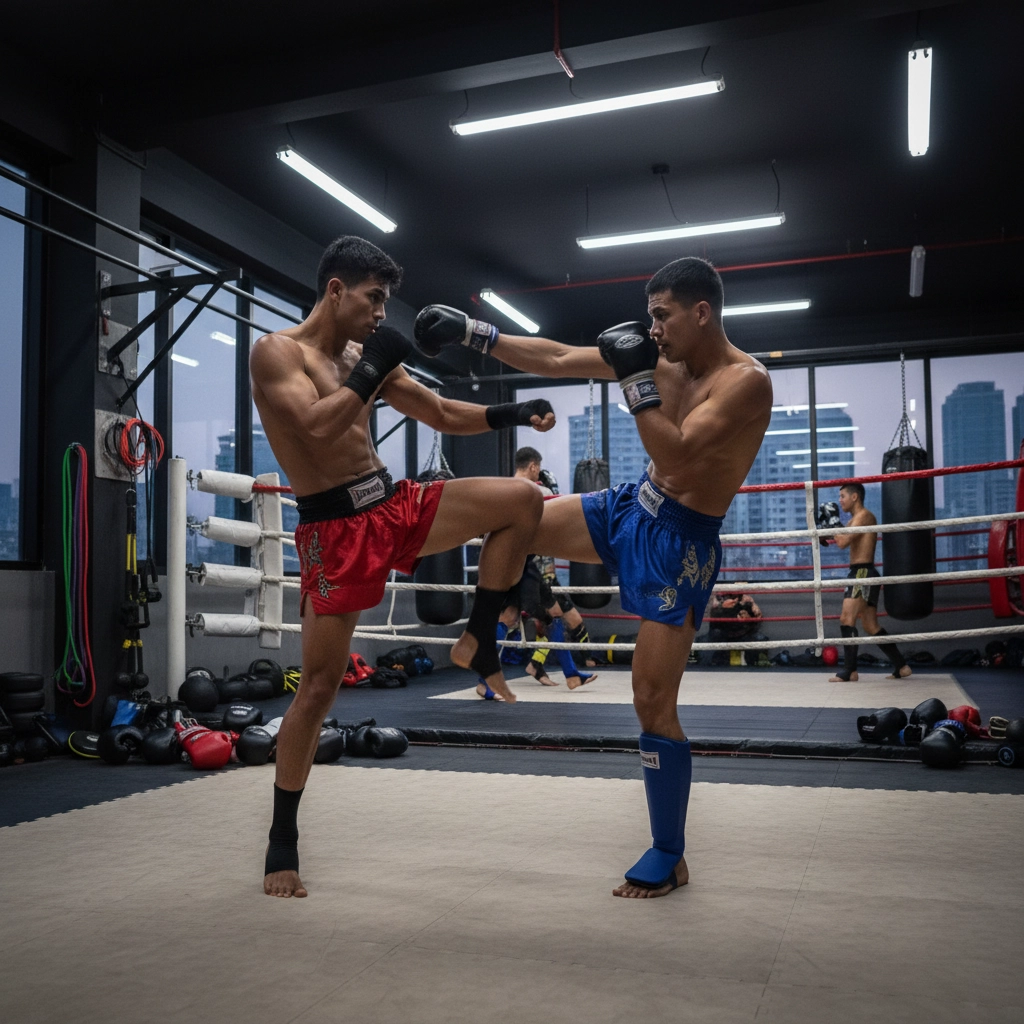
When you bet on a Muay Thai winner, you’re not just predicting which fighter is stronger — you’re predicting how officials will interpret action under a specific rule set. Unlike boxing or MMA, Muay Thai scoring and stoppage protocols vary by promotion and country. If you ignore those differences, you can misread odds, misjudge risk, and lose value on bets that look obvious at first glance.
You should approach each card by first checking the rules that apply to that event. Are elbows allowed? How are clinch points scored? What constitutes a technical draw? These items affect whether a fight ends in a decision, a draw, or a no-contest — outcomes that directly determine winner-bets, half-win/half-loss markets, and voided wagers.
Key rule areas that affect winner bets and what to check
1. Allowed techniques and scoring emphasis
Muay Thai promotions place different emphasis on techniques. Traditional Thai scoring often values kicks and knees higher than sheer volume of punches, and effective clinch work can swing judges’ cards. If you’re backing a boxer-style fighter who throws heavy punches but lacks clinch or low-kick output, the rule emphasis can make them a riskier pick than the odds suggest.
2. Round structure and decision types
- Round length and number: Many Thai bouts are five rounds; international cards often use three. Decisions after three rounds may favor aggression or more noticeable damage depending on judging criteria.
- Draws and majority decisions: Some sportsbooks treat majority draws differently — check whether your bet is voided on a draw or considered a pushed bet. Your stake handling may change if draws are common under a promotion’s rules.
- No-contest and technical decisions: Accidental fouls can lead to technical decisions or no-contests if the fight stops early. Know the minimum completed rounds required for a decision to count; this directly impacts “to win” and “round markets” bets.
3. Stoppages, doctor checks, and referee discretion
Referees in Muay Thai tend to have different thresholds for stopping a fight compared to MMA or boxing. A referee who prioritizes fighter safety might stop a bout earlier, converting what looked like a late-round comeback into a stoppage loss. Similarly, local medical protocols can end fights when a cut is severe — sometimes leading to a technical loss for the injured fighter or a victory for their opponent, depending on the round and cause.
Before you stake money, check the specific event rules, how the sportsbook treats draws/no-contests, and the promotion’s history on stoppages — this will shape how you interpret odds and manage stake size going into any winner market. In the next section you’ll learn how to apply these rule-checks to common betting markets and read market signals to find value.
How to apply rule checks to popular winner and method markets
Once you’ve read the event rules, translate them into concrete market decisions. Think of each martket as a different lens through which those rules matter.
- Moneyline/straight winner: If judges favor kicks and clinch, favour fighters with a strong Muay Thai base over boxing-oriented strikers — even when the boxer looks shorter on highlights. If elbows are allowed, a fighter with a history of cuts becomes more attractive because cuts increase stoppage probability and the chance of a doctor intervention.
- Method-of-victory (KO/TKO vs Decision): Promotions that allow aggressive clinch knees, elbows, and extended clinch scoring typically produce more stoppages. Conversely, international cards limited to three rounds or that heavily reward clean, visible damage will skew toward decisions. Use the rule-set to tilt your method selection: expect higher KO/TKO % where elbows and full clinch are permitted; favour decisions on short, three-round cards without elbows.
- Round betting: If a promotion historically sees early aggression (fighters pushing pace to impress judges), early-round picks gain value. If stoppages commonly happen after fighters tire in later rounds — for example, five-round Thai bouts — late-round winner and stoppage markets may offer mispriced odds.
- Draw/no-contest treatment: If your sportsbook voids bets on draws but keeps winners on technical decisions, that changes risk. For closely matched fighters under a judging system prone to draws, reduce stakes or pivot to round/prop markets to reduce push risk.
Before placing any of these bets, cross-check the fighters’ styles against the exact rule details you just read. A high-output low-kick boxer will struggle to win decisions under a low-punch emphasis; a clinch specialist becomes undervalued when elbows and knees score heavily. Use that mismatch to find positive expected-value (EV) spots.
Reading market signals and adjusting stake sizes by rule uncertainty
Markets constantly reflect fresh information about rules, referees, and medical protocols. Learn to read those signals and adjust stake sizes accordingly.
- Line movement after rule confirmations: Odds often shift once sportsbooks publish or confirm rules. If the market moves toward the traditional Thai stylist after a promotion confirms elbows and full clinch, the market has incorporated that signal — look for lingering value on the other side only if you have contrary knowledge (e.g., recent camp changes, injury reports).
- Referee and doctor signals: If a card assigns a referee known for early stoppages, reduce stakes on comeback/late-finish bets and consider backing the opponent early. Conversely, a lenient referee increases the appeal of a fighter who grinds for points to win decisions.
- Stake management with rule uncertainty: When rules are unclear or sportsbooks interpret them inconsistently, cut your usual stake by 20–40% or avoid high-variance method markets. Use smaller stakes to probe the market — a few low-risk bets can reveal how that particular sportsbook treats draws, technical decisions, and stoppages without risking too much capital.
In short: treat rules as actionable intel, let them guide which markets you target, and scale your stakes to the degree of certainty you have about how those rules will actually be applied on fight night.
Final notes for smart Muay Thai wagering
Betting successfully on Muay Thai is less about finding a single magic edge and more about disciplined preparation. Make rule checks a routine part of your workflow — confirm elbow, clinch, and round rules early, monitor referee and doctor assignments, and scale stakes to the clarity of that information. Treat each card as a mini-research project: small, repeatable checks compounded over time produce reliable edges.
Keep a simple record of how different rule-sets influenced your outcomes so you can refine which markets you target under which conditions. If you want an authoritative starting point for official rule language, consult the governing body’s published rules like the IFMA rules and guidelines to compare against individual promoters’ variations.
Finally, protect your bankroll. Use smaller stakes when rule interpretation is uncertain, avoid chasing losses when a rule-based edge disappears, and focus on consistency — accurate rule reading and conservative stake sizing will outperform occasional lucky hits over the long run.
Frequently Asked Questions
How do rule variations most often change the value of a moneyline bet?
Rule variations that alter scoring emphasis (e.g., favouring kicks/clinching over punching) or permit elbows and extended clinch will shift the implied skillset needed to win. If rules favour traditional Muay Thai techniques, fighters with clinch/kick histories gain value on the moneyline relative to boxing-heavy strikers.
What should I do if a promotion hasn’t published clear rules for an event?
Delay placing high-stake bets until rules are confirmed. If you must act early, reduce your stake by 20–40%, favour lower-variance markets (like straight winners over method markets), and use small probing bets to observe how the sportsbook prices these ambiguous events.
Do sportsbooks usually void bets on draws or technical decisions in Muay Thai?
Policies vary by operator. Some void bets on draws, others treat technical decisions as wins/losses depending on the outcome and local rules. Always confirm the sportsbook’s market rules before betting — this information determines push risk and should affect both market choice and stake size.
Recommended Posts