
Why understanding Muay Thai matters before you place a bet
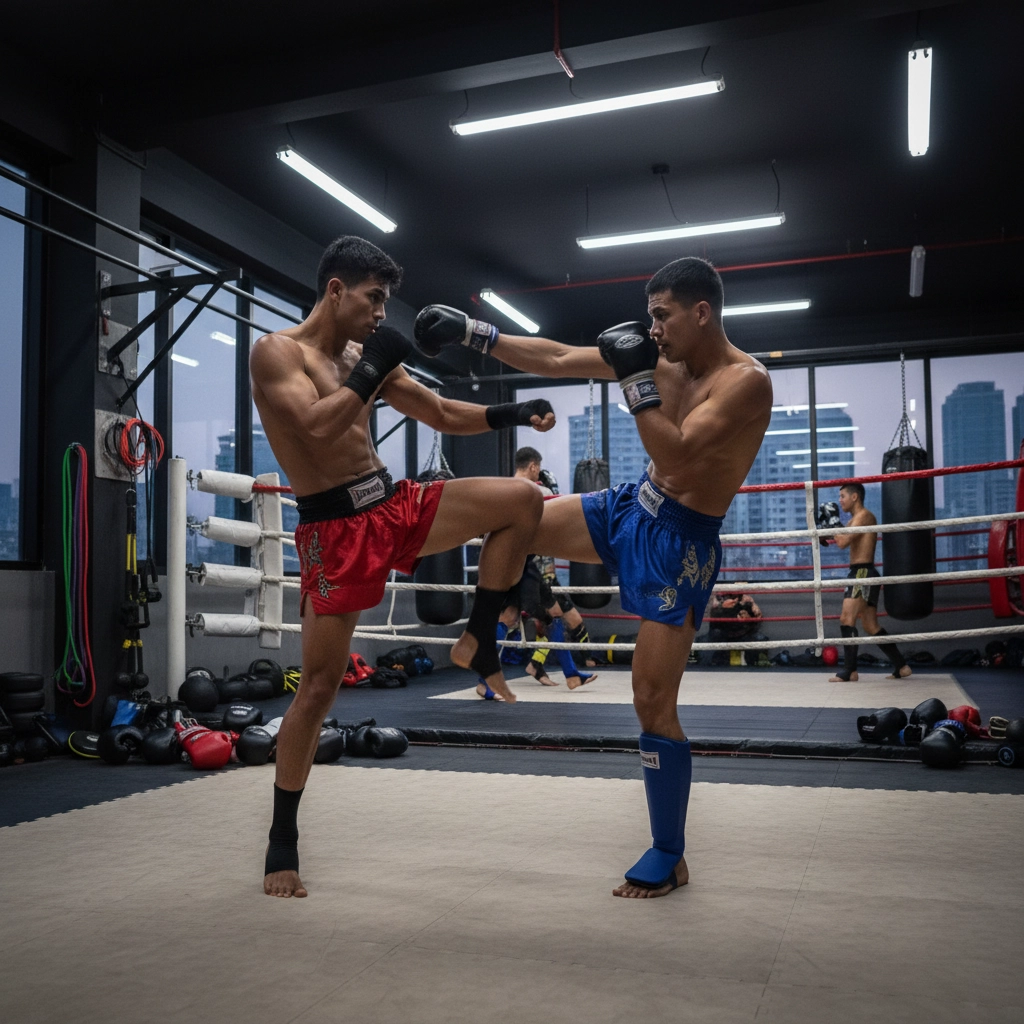
You can’t bet smart on Muay Thai if you treat it like any other combat sport. Muay Thai has distinct rules, scoring emphasis, and cultural contexts that change how fights play out. When you grasp the basics—clinches, elbow strikes, and damage-based scoring—you’ll start seeing value where casual bettors only see names.
Think of this stage as building a foundation: you’re not picking winners yet, you’re learning the variables that make certain fighters more or less likely to succeed in different situations. That foundation shapes how you interpret odds, choose bet types, and size your stakes.
Key elements that affect fight outcomes
- Scoring system: Muay Thai judges reward clean strikes, aggression, and control of the clinch—knockdowns help, but consistent damage often wins rounds.
- Legal techniques: Elbows and knees make short-range fighting more decisive than in many other striking sports.
- Fight format: Length of rounds and number of rounds change pacing and strategy—shorter fights favor fast starters; longer fights reward stamina and game plans.
- Weight cutting: Sudden rehydration can create size and power advantages or lead to severe fatigue—watch fight-week indicators.
How to research fighters so you back smarter bets
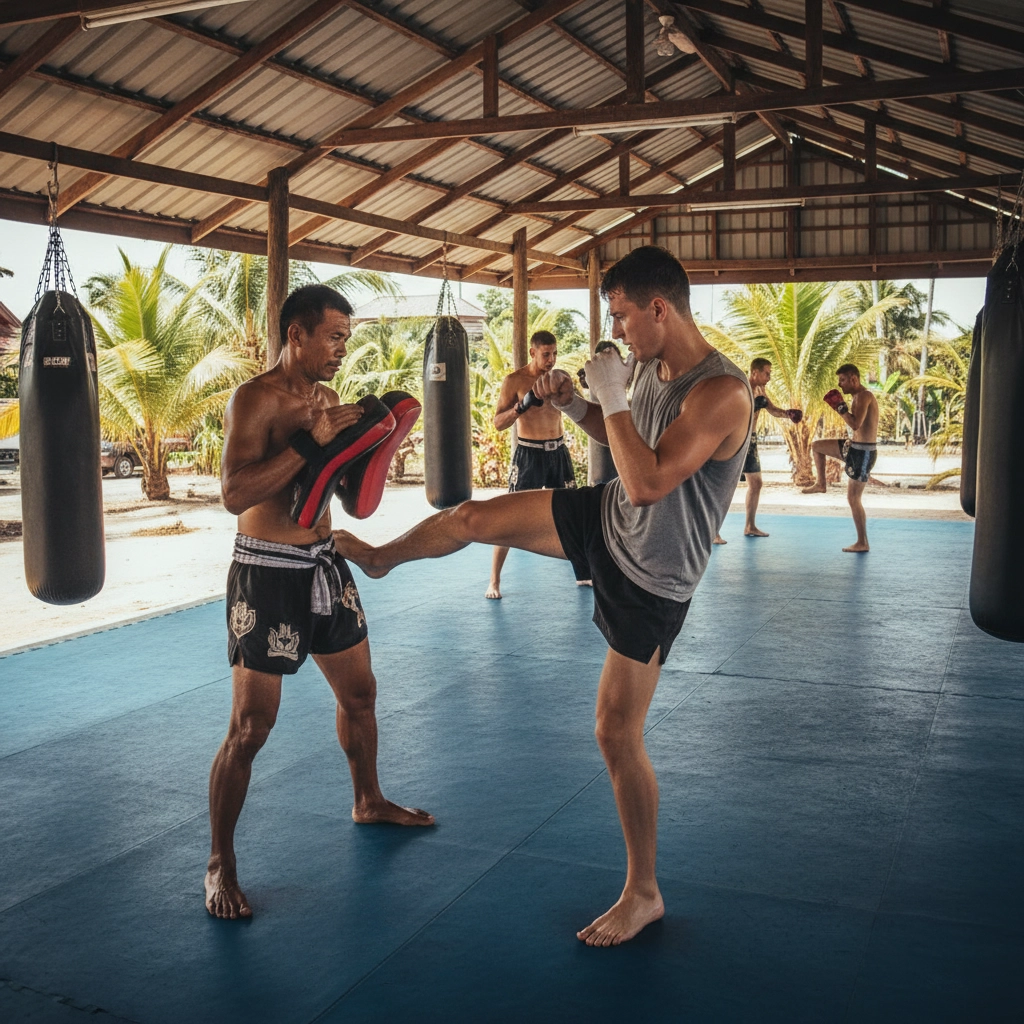
Good research separates informed bettors from guessers. When you analyze fighters, look beyond win-loss records and focus on style, recent form, and matchup dynamics. You want a clear picture of how each fighter actually performs inside the ropes.
Practical research checklist
- Recent form: Evaluate the last 3–5 fights for trends—are they improving, declining, or returning from a long layoff?
- Style matchup: Is the opponent a pressure clincher, a counterstriker, or a kick-specialist? Identify which style historically gives them trouble.
- Damage and durability: Watch highlights for signs of accumulated damage or a tendency to absorb heavy strikes without slowing down.
- Ring rust and activity: Extended breaks often show up as poor cardio or slow timing in comeback fights.
- Camp and history: Training camp changes, known injuries, and fight footage from the same camp give insight into preparedness.
- Local rules and judging trends: Regional promotions may favor different scoring nuances—know the tendencies of the judges and promoters.
As you gather this information, annotate what you find—create short notes on each fighter’s strengths, vulnerabilities, and likely game plan. That makes comparison faster when odds shift or when you spot a value line.
Next, you’ll learn how to convert your research into actionable bets by reading odds, comparing sportsbooks, and using basic staking strategies to manage risk and maximize value.
Turning research into value bets: reading odds and markets
Once you’ve done the film work, your next job is to translate that edge into a bet that pays more than it should. That requires understanding the markets and being comfortable with basic probability math.
Start by converting odds into implied probability so you can compare your expected outcome to the market. For decimal odds the formula is 1 ÷ odds; for American odds use a quick online converter or remember +200 = 1/3 (33.3%), -200 = 2/3 (66.7%). If your research suggests Fighter A has a 60% chance to win but the market prices them at 50%, you’ve identified value. The raw percent differential is your edge.
Know the common Muay Thai markets and when to use them:
- Moneyline: Simple and efficient when you have a clear read on styles and conditioning.
- Method/prop bets (KO/TKO/Decision): Use when one fighter has a significant striking advantage or a history of finishes; avoid props when judges’ tendencies or clinch scoring could muddle outcomes.
- Round betting & over/under rounds: Useful if you can predict fight tempo—fast starters or one-punch power often shorten fights; durable, technical fighters push later rounds.
- Round-by-round/each-round markets: Good for exploiting scoring quirks when you’ve watched rounds and noticed early-round dominance patterns.
Always line-shop. Different sportsbooks have subtle variations—spreads, odds, and round props differ enough to swing a bet from +EV to -EV. If you consistently use a single book, you’ll miss soft lines and better prices. Also watch the vig (the bookmaker’s take); even a small reduction in juice can improve long-term ROI.

Smart stake sizing and bankroll management
Research and value mean nothing without disciplined money management. Smart staking keeps you in the game long enough for your edges to pay off and reduces the emotional mistakes that kill bettors.
Adopt a unit system: choose a unit equal to 1–2% of your active betting bankroll. For standard bets use 1 unit; increase to 1.5–3 units only when you have a clearly quantified edge. For longshot or speculative props consider 0.5 units. This simple rule controls variance and keeps single losses from derailing you.
If you prefer a mathematically optimal approach, use a fractional Kelly (full Kelly is too volatile for most bettors). Estimate your edge (even conservatively), calculate Kelly, then stake a fixed fraction (25–50%) of that result. In practice this usually aligns closely with a 1–3% unit strategy but provides a rational link between confidence and bet size.
Other practical rules:
- Set a maximum per-event exposure (for example, no more than 5% of bankroll across correlated wagers).
- Limit number of bets per week—fewer, higher-quality bets outperform chasing every market.
- Track every wager rigorously—record stake, odds, rationale, and outcome. Patterns in your record reveal where you’re strongest and where you’re leaking value.
- Force cooling-off periods after big wins or losses to avoid tilt-driven mistakes.

Using live betting and market movement to your advantage
Muay Thai is ideal for selective live bets because momentum, fatigue, and visible damage can change probabilities quickly. But live markets are fast and noisy; have a plan before you click.
Watch for these live opportunities:
- Slow starters who warm up after round one—if you’ve seen their pattern before, a live bet after round one can offer good value.
- Clincher vs. long-range fighter—if a clincher collapses an opponent’s gas tank, late-round odds can swing heavily in favor of the clincher.
- Visible cuts or swelling—serious facial damage increases knockout probability and can be priced into late-round method props.
Practical cautions: use multiple feeds to avoid latency problems, know the book’s response time for bet acceptance, and be selective—only live-bet when the observed fight dynamic directly contradicts pre-fight lines and your edge is immediate and clear.
Putting it into practice
Betting smart on Muay Thai is a skill you build incrementally: study fights, track your record, and let experience refine your instincts. Start small, apply the unit and staking rules consistently, and use live markets only when a clear, observed edge appears. Keep notes on why you placed each bet and what you learned from the outcome—those notes are the fastest path to better decisions.
Stay current with rules and judging nuances—official sources clarify scoring priorities and fouls that directly affect prop and round markets. For an authoritative reference on rules and scoring, see IFMA rules and resources.
Above all, treat Muay Thai betting as long-term work: preserve your bankroll, limit overconfidence after streaks, and iterate on your research checklist. Small, consistent edges compound into lasting profitability.
Frequently Asked Questions
How much of my bankroll should I stake on a typical Muay Thai bet?
Use a unit system: 1–2% of your active betting bankroll per standard bet. Increase to 1.5–3 units only when you have a clearly quantified edge. If you prefer a math-driven approach, compute a fractional Kelly and wager 25–50% of the Kelly suggestion to control volatility.
When is live betting on a Muay Thai fight most profitable?
Live betting is most profitable when observed fight dynamics materially differ from pre-fight lines—examples include visible damage (cuts/swelling), a clincher progressively draining an opponent’s gas tank, or a fighter who reliably starts slow and accelerates after round one. Be selective, use low-latency feeds, and only act when the edge is immediate and clear.
What are the fastest ways to assess a fighter’s style and durability?
Watch the last 3–5 fights to spot patterns: look for strike types (elbows, knees, kicks), clinch control, and how they respond to pressure. Check for signs of accumulated damage, late-round fade, and changes in training camp or activity. Combine film study with observable fight-week indicators (weight-cut behavior, camp reports) for a rounded assessment.
Recommended Posts