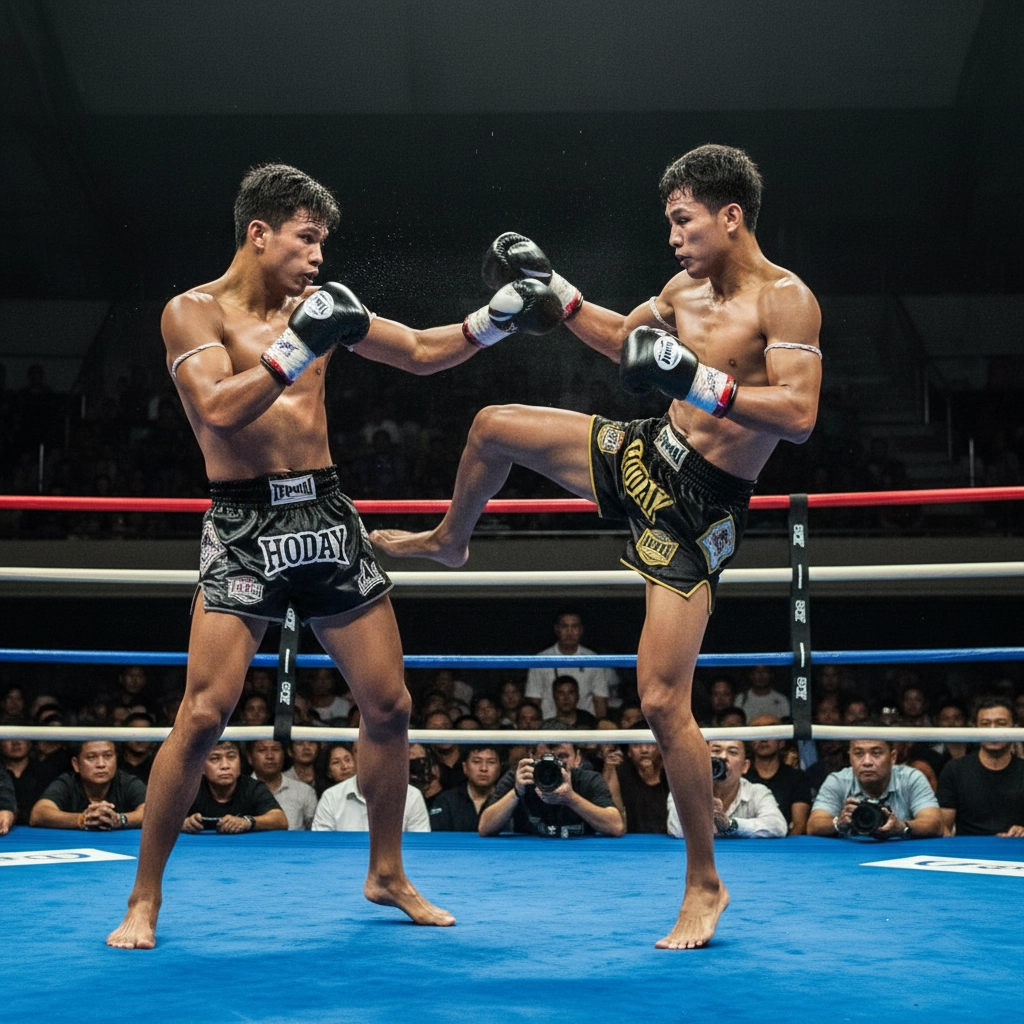

Why understanding Muay Thai rules changes how you place winner bets
You can’t treat Muay Thai like boxing or MMA when you’re trying to pick a winner. The sport has distinct scoring priorities, legal techniques, and pacing that directly influence outcomes. When you understand those rule details—what’s rewarded by judges, which strikes are permitted, and how rounds are structured—you can interpret odds with more insight and identify value bets that others miss.
For example, elbows and clinch control are central to traditional Muay Thai. A fighter who dominates the clinch can accumulate points and break an opponent’s rhythm even if they don’t land flashy head shots. If you ignore that, you might overvalue a striker who looks more explosive on highlight reels but loses close, clinch-heavy rounds on the scorecards.
Key rule elements that affect winner markets
- Round structure: Standard Muay Thai matches are five rounds of three minutes (Thailand rules), though some international cards use three rounds. More rounds favor superior cardio and strategic fighters.
- Allowed techniques: Elbows, knees, clinch strikes, and low kicks are scored and can cause cuts or slowdowns that change a fight’s trajectory.
- Scoring emphasis: Judges often reward effective aggression, damage, and ring control—not just strike volume. Clean, damaging strikes and successful clinch work carry weight.
- Methods of victory: Decisions and TKOs from cuts are common. Knockouts happen but are less frequent than in some striking sports depending on ruleset and fighter style.
- Variations by promotion and location: “International rules” may limit clinch time and elbow use. Always check the card rules before you bet.
How to convert rules knowledge into a practical winner-betting approach
Once you know which rules apply to the card you’re watching, adapt your betting strategy to reflect how fights are likely to unfold. Use these practical steps to shape your pre-fight and in-play decisions.
Practical pre-fight checks
- Confirm the ruleset (5×3 vs 3×3, elbow/clinch allowances).
- Compare fighting styles: Is one fighter a clinch specialist while the other relies on long-range kicks? Clinch fighters gain an edge under full Muay Thai rules.
- Review recent rounds and conditioning: Longer fights reward cardio; five-round fighters who slowed late are riskier in full-distance bouts.
- Inspect damage history and susceptibility to cuts: Promotions allowing elbows make fighters prone to TKOs from cuts more often.
Price and value considerations based on rules
Odds will shift depending on the rule set. If a fighter is a clinch expert and the match is under traditional Muay Thai rules, the implied probability behind underdog odds might be undervalued—this creates a value opportunity. Conversely, if elbows are banned and the favorite’s main advantage is causing cuts, the favorite’s edge is reduced.
Armed with these checks and awareness of rule-driven dynamics, you can place more informed winner bets and avoid common blind spots. Next, you’ll learn how to analyze fighter-specific data (styles, strike accuracy, clinch success, and stamina) and combine it with staking tactics to build a consistent betting plan.
Analyzing fighter-specific metrics for winner bets
Move beyond surface scouting and quantify the traits that matter under the applicable ruleset. Build a short checklist of metrics and weight them based on the fight format (5×3 vs 3×3) and whether elbows/clinch are allowed. Core metrics to track:
- Clinch strikes landed per round / control time: In full Muay Thai, this often correlates with rounds won even if strike volume is lower.
- Effective strikes and damage rate: Not just volume—look for damaging kicks, knees, and elbows that lead to visible slowdowns or cuts.
- Strike accuracy vs. strikes absorbed: A fighter who lands fewer but cleaner, damaging blows can beat a busier, less-accurate opponent on the cards.
- Cut/stop susceptibility and inflicted cuts: Fighters who open or get opened frequently change the odds for TKOs from cuts.
- Cardio trends across rounds: Track performance in late rounds—do they win/lose the 4th–5th? This is vital for five-round affairs.
- Knockdown and finish rates: Useful when assessing underdogs for straight-up upset potential.
Use a simple scoring model to combine these inputs—assign larger weights to clinch and elbow metrics when rules permit them. For example, in a traditional 5×3 match give clinch control a 25–30% influence on your “predicted winner” score; in a 3×3 fight under international rules reduce that to 10–15%. This forces your odds comparison to reflect real rule impacts rather than intuition alone.
Translating analysis into pre-fight bets
Once you have a scored projection, convert it into an implied probability and compare it to bookmaker odds. Look for gaps where your model assigns significantly higher probability than the market—those are value bets. Specific situations to target:
- Underdogs with strong clinch/elbow profiles on full-rules cards (market often undervalues clinch-heavy skill).
- Favorites whose edge depends on techniques banned by the card (their price should be trimmed accordingly).
- Fighters with late-round strength when the bout is five rounds—market sometimes overreacts to recent highlight wins and underprices stamina specialists.
Don’t force picks—if your model and the market align, skip or wait for live opportunities. Always confirm operational details (glove size, elbow rules, official card length) before finalizing a pre-fight wager.
Staking and in-play adjustments specific to Muay Thai
Bet sizing should reflect both edge and the sport’s volatility. Standard approaches work (flat units, Kelly or fractional Kelly), but tweak parameters for Muay Thai’s higher stoppage-from-cuts risk and quick momentum swings. Practical tips:
- Use fractional Kelly (10–20%) to avoid overbetting on single-event variance.
- Keep pre-fight stakes modest when relying on stylistic edges; increase size only when the market exaggerates the favorite or underestimates a clinch expert.
- In-play: watch for early signs—cuts, significant clinch control shifts, or a fighter visibly tiring. Those can move implied probability more than raw strike counts suggest, creating in-play value.
- Line shop and track bookie rules on cut stoppages and no-contest outcomes; these affect how you hedge or cash out mid-fight.
Combining disciplined staking with a rules-aware, metric-driven model makes winner betting in Muay Thai systematic rather than emotional—exactly what separates long-term winners from casual backers.
Putting the system into practice
Discipline and iteration are the last mile in turning this approach into consistent results. Keep a simple log of each model projection, the rule set in force, the wagers you placed, and the outcome—over time the patterns specific to promotions, rings, and officials will emerge. Prioritize confirmable facts (glove type, elbow rules, scheduled rounds) before finalizing a stake, and treat each bet as an experiment in probability rather than a certainty. For an authoritative reference on rule variations and event-level details, consult the official Muay Thai rules and organizations.
Frequently Asked Questions
How should I weight clinch and elbow metrics when rules vary?
Increase their weight when elbows and full clinch work are explicitly allowed (typical full-rules Muay Thai and 5×3 cards). Reduce the weighting for shortened formats or international rules that limit clinch/elbow use—rough guidelines from the article: 25–30% emphasis on clinch in full 5×3 rules, 10–15% in 3×3 restricted rules. Always confirm the bout-level rules first.
Which staking method fits Muay Thai winner betting best?
Fractional Kelly (10–20%) is recommended to handle Muay Thai’s stop-from-cuts and momentum volatility. Use flat units for small samples or when model confidence is low. Scale up only when repeated edges appear across multiple events and your record confirms the model’s calibration.
When is in-play value most likely to appear in Muay Thai fights?
Early cuts, unexpected clinch dominance, or a clear cardio drop are high-impact signals that can shift implied probability more than raw strike tallies. Watch the first two rounds for these factors—bookmakers often lag in pricing the downstream effects of visible damage and control changes, creating short-lived in-play edges.
Recommended Posts