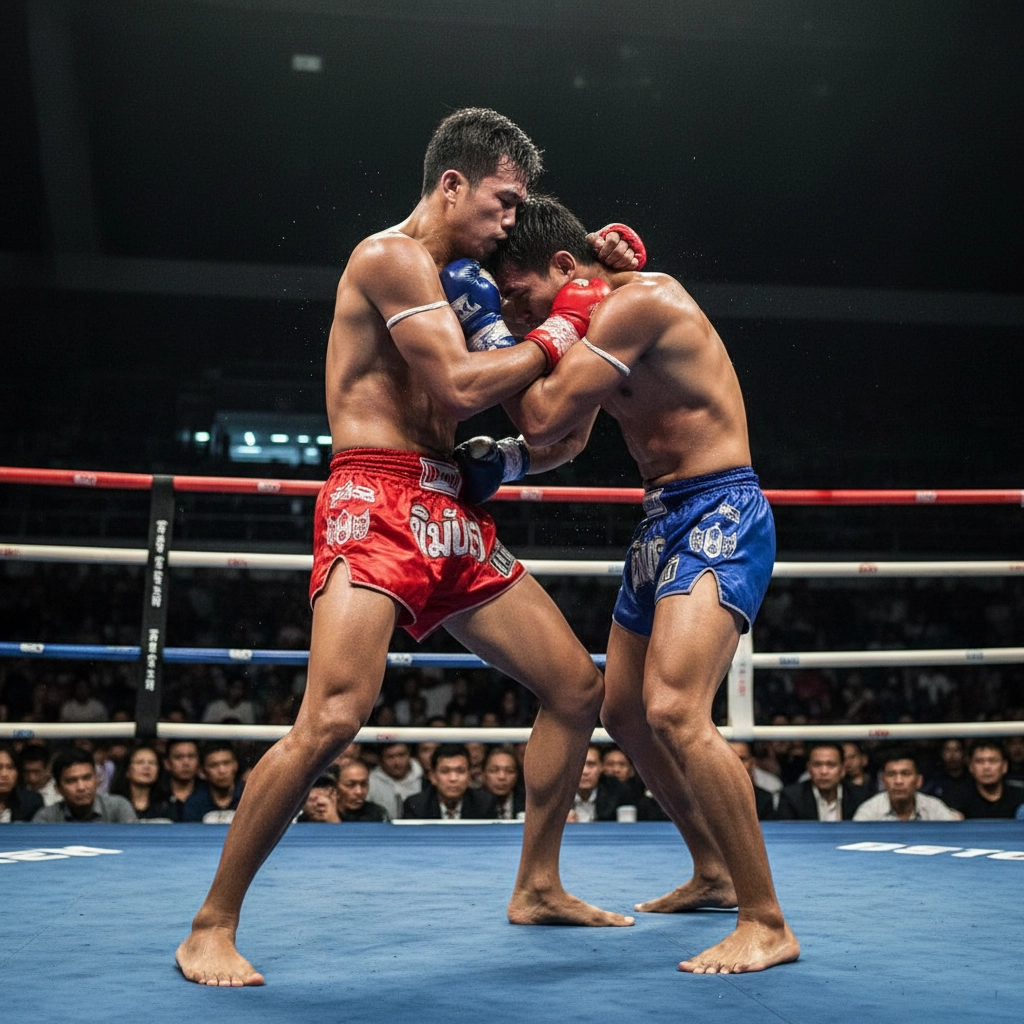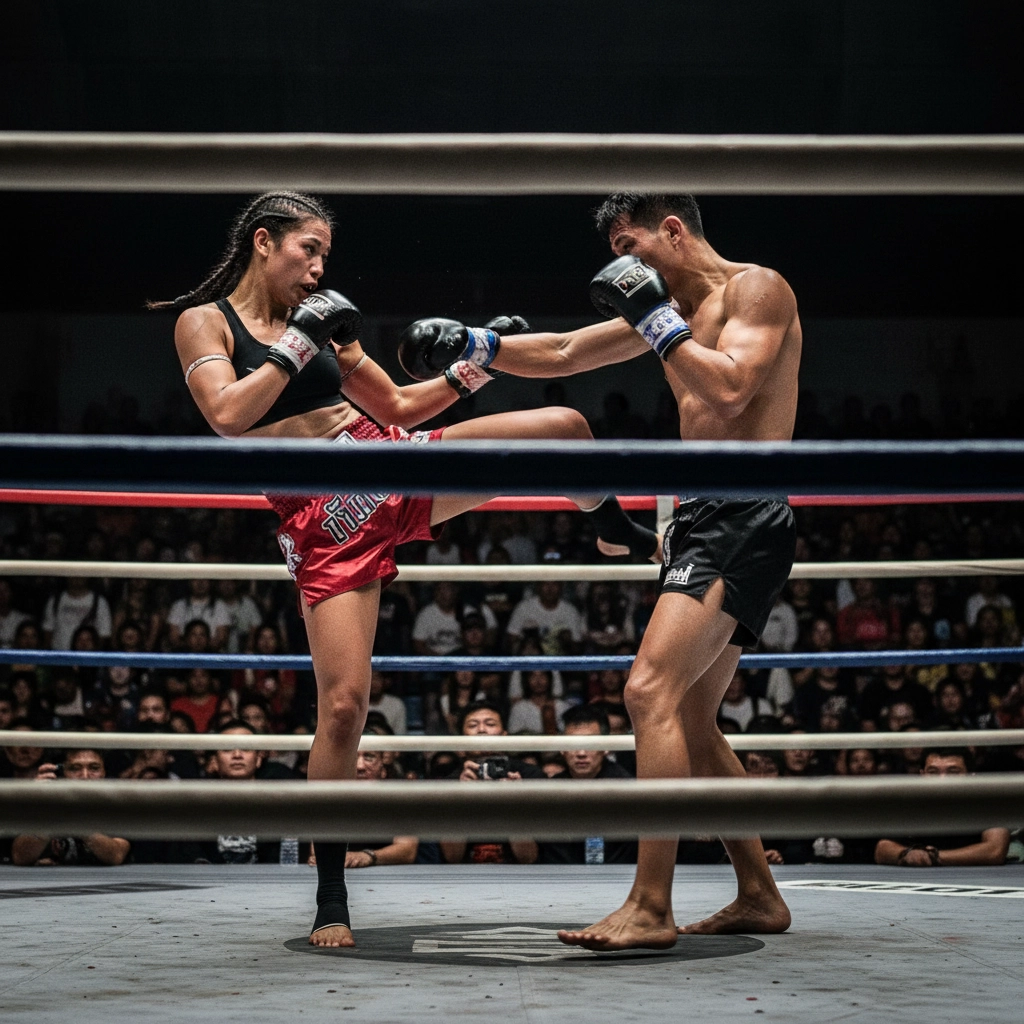
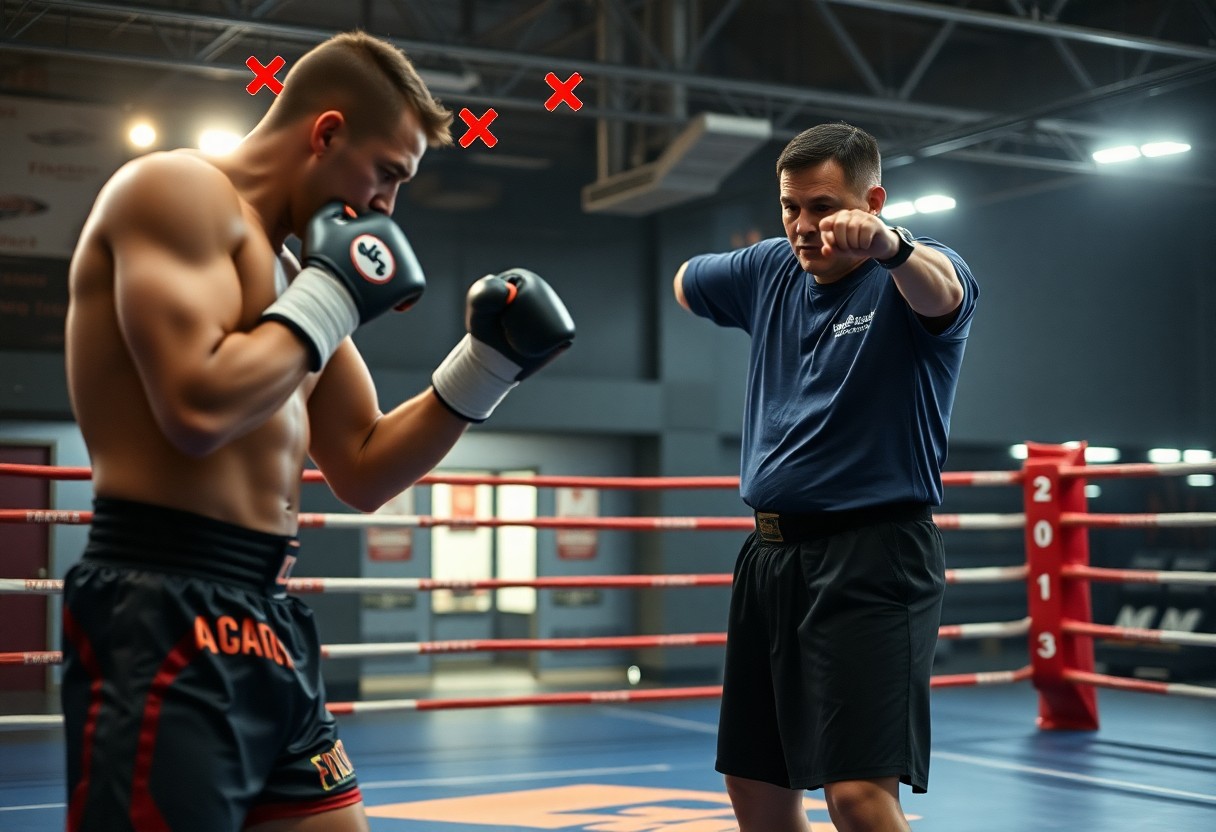
Many fighters misjudge timing and telegraph attacks; this guide focuses on avoiding predictable patterns, overcommitting, and poor distance control. Emphasize proper timing, balance between offense and defense, and developing combinations that retain defensive readiness. Avoid relying solely on power, neglecting clinch transitions, or ignoring angles that expose you to counters. Training smart drills, sparring with intention, and refining setups will build an effective, adaptable offensive strategy while minimizing risk.
Understanding Different Types of Offensive Strategies
Forward pressure, counter-attacking, clinch-dominant, high-volume combinations and opportunistic hit-and-run each demand different timing, distance and conditioning. Pressure styles emphasize >60% forward movement and sustained feinting to break guard, while counter systems rely on range control and precision counters off the opponent’s mistakes. Clinch-centric fighters win with knees and short-range elbows; hybrid approaches combine volume and timing to exploit openings quickly. Strategy selection depends on body type, reach and conditioning, and training load must match tactical intent.
- Pressure – constant forward movement, high strike output
- Counter – traps, teep setups, timed elbows
- Clinch-heavy – knees, trips, elbow finishes
- Technical/Footwork – angles, feints, distance management
- Any Hybrid – blends volume, clinch and counters for adaptable offense
| Strategy | Key traits & examples |
|---|---|
| Pressure | High strike rate, aggressor’s stance; example: relentless body attack to break guard in rounds 1-3 |
| Counter | Patience, trap-and-exploit timing; effective vs overcommitting opponents using teep counters |
| Clinch | Control at 0-1.5m, knee accumulation; dangerous in late rounds when opponents gas |
| Technical/Footwork | Angles, feints and lateral movement; Saenchai-style pivots to create openings |
Traditional Techniques
Legacy Muay Thai emphasizes the five weapons: punches, kicks, knees, elbows and the clinch, trained via 3-5 rounds of pad work and 4-6 rounds of technical sparring weekly. Fighters drill straight teeps for distance control, low kicks to sap rear-leg power, and short elbows for close-range finishes; each drill is repeated in sets of 10-20 reps to ingrain timing. Clinch mastery often decides close fights.
Modern Adaptations
Contemporary offenses add lateral movement, multi-attack combinations and integrated Western boxing; coaches now program 2-3 high-intensity interval striking sessions per week (4-6 rounds x 3 minutes) to match fight pace. Data-driven analysis pinpoints heat-map strike zones, so fighters exploit guard patterns with targeted combos. Feint integration and planned counters increase scoring efficiency against mobile opponents.
Applied modern work includes drills like 6×3-minute controlled sparring focusing on angle creation, and specific partner routines: attacker practices 8-shot chains while defender rehearses 2-3 strike counters, repeated in 5 sets. Strength-and-conditioning cycles use 3-week load increases followed by 1-week taper to maximize power output; this reduces fatigue-related mistakes and supports implementing high-risk, high-reward maneuvers safely in competition.
Key Factors Influencing Your Offensive Strategy
Assessing range, timing, and energy management directs whether your offense uses long kicks, teeps, or sustained clinch pressure. Kicks dominate beyond 2-3 m, punches and elbows are most effective inside 1-2 m, and the clinch controls exchanges at 0-1 m; condition drills to reflect those bands. Track output targets-aim 30-50 strikes in five-round volume plans or 12-20 high-impact strikes when power-focused. After simulating these scenarios in sparring, refine entries and exits.
- range
- timing
- energy management
- clinch
- feints
Opponent Analysis
Break down 3-5 recent fights to identify patterns: favorite combinations, guard drops, and cardio fade by round. If an opponent lands the right roundhouse on your lead, target that lead leg with repeated teeps and lateral movement; against a southpaw, practice specific counters to the straight left. Quantify tendencies-how often they counter after a jab-to design targeted drills replicating those exact moments.
Fight Style Considerations
Classify opponents as pressure, counter-striker, volume kicker, or clinch specialist, then tailor offense: pressure fighters need feints and frame breaks, counters demand disguised setups, volume kickers require angle control, and clinch specialists force hip control and pummeling. Use 3-minute interval drills to mirror round pace and test transitions between ranges.
For more depth, build sessions around the opponent’s weakest phase-if they drop output in round 3, program high-intensity rounds 2-3 to force the same collapse; if they leave the lead leg exposed, do 50 focused low-kick repetitions over three rounds. Incorporate film cues into pad work so athletes recognize triggers in real time and convert patterns into high-percentage attack sequences.
Step-by-Step Guide to Developing Your Offensive Strategy
Offensive Strategy Steps
| Step | Action / Details |
|---|---|
| 1. Diagnose | Record 10 sparring rounds, review video for chin exposure, balance, and preferred angles; log top 3 go-to strikes per round. |
| 2. Prioritize | Pick 2-3 primary weapons (e.g., rear low kick, teep, lead elbow) and aim for a 70% practice focus on them over 4 weeks. |
| 3. Drill | Use 5-progressions: pad sequence, technical shadow, light partner, timed rounds, full-speed sparring – 10 reps each progression. |
| 4. Chain | Build 3 reliable combinations (2-4 strikes each), test them in 3 controlled sparring sessions, adjust timing and entry angles. |
| 5. Measure | Track success rates: target 60% landing rate for combos in live rounds; adjust drills if below 40% after two weeks. |
Assessing Your Strengths
Start by testing across bag, pad, and live sparring: quantify power with three max-effort rounds and log accuracy via video – aim to improve strike accuracy by 10-20% over four weeks. Analyze patterns: if you land >50% of kicks but <30% of punches, designate kicks as a primary weapon and train entries to convert that into effective combinations. Highlight any recurrent openings opponents exploit, such as a dropped lead hand or slow pivots.
Developing Combination Techniques
Structure combinations as setup → exploit → finish, keeping them to 2-4 strikes for reliability; for example, jab-body, cross-head, rear low kick practiced at 70-80% for 100 repetitions builds timing and accuracy. Use numbers: create three combos and test each in five sparring rounds, tracking which lands under pressure and which leaves you vulnerable.
Progress by splitting practice into phases: 50% technical drilling (focus on mechanics), 30% speed work (3 sets of 30-second rapid combos), and 20% power/timing (5 rounds at 80% intensity). Incorporate off-balancing: follow a body shot with a delayed elbow to exploit weight shifts. Case study: a regional fighter who replaced unguided sparring with this split increased effective combo landings from 25% to 48% in six weeks. Adjust entries based on opponent stance and distance, and tag each combo with a fail-safe defensive move to protect against counters.
Common Mistakes to Avoid
Many fighters fall into predictable traps mid-attack: overreaching on a single strike, telegraphing feints, and neglecting footwork. For example, stepping an extra pace on a roundhouse often leaves the rear hand exposed and invites a counter straight or clinch knee. Prioritize balance, sequence your strikes, and use compact entries so opponents have fewer openings to exploit.
Overcommitting to Techniques
Overcommitting happens when you drive 100% power into a single technique and lose recovery-throwing a full-power teep that lands poorly can lead to being swept or countered by a straight punch. Train to vary commitment: start with a 50-70% transfer of weight, then layer power if the opponent yields. Saenchai-style light entries and pivots demonstrate how controlled commitment preserves mobility and counters.
Neglecting Defense
Neglecting defense shows when fighters prioritize output and leave the chin exposed between combinations; throwing three kicks without a posture reset invites elbows, straight punches, or knees. Maintain high hands, a tight chin, and small shoulder rolls; employing a 45-degree head tuck after a burst can block the cleanest targets and reduce damage.
Practice-specific drills to fix defensive lapses: two 3-minute rounds where you must block or evade every counter for 30 seconds after each combo, and pad work where the coach throws three light counters at 20-30% power to force posture reset. Review sparring video and measure how often the chin is exposed-if it appears in a large portion of frames, prioritize head movement, clinch entries, and active recovery posture between strikes.
Tips for Enhancing Your Offensive Approach
Prioritize timing and range, drilling combinations in 3-minute sets to simulate rounds; aim for 5-8 repetitions per combo and track success rate. Emphasize transitions-jab to low kick to clinch or cross to hook to knee-and train feints to manipulate reactions; always protect chin and lead leg to reduce counter risk. Perceiving subtle shifts in balance and breathing lets you exploit openings before opponents commit.
- Timing: practice 0.2-0.4s trigger-reaction drills on pads.
- Range: mark distances and perform step in/out drills, 10 reps each.
- Combinations: chain 3-4 strikes, finish with a knee or low kick.
Drilling with Purpose
Block training into focused intervals: 10-minute blocks isolating one skill-power teeps (50 reps per leg), 4×3-minute combination rounds at 75% intensity, and 5-minute clinch-entry drills. Use a timer, count successful hits, and set weekly goals (e.g., improve land rate by 10%); film one session weekly to analyze mechanics and reduce wasted motion, emphasizing precision and controlled impact to build reliable habits.
Sparring for Real-World Application
Cycle technical rounds, situational sparring (clinch-only, counter-only) and full rounds; aim for 2-5 rounds per session at 60-80% intensity with one high-pressure round stressing the final 30 seconds. Track landed strikes per minute and enforce safety gear-headgear and shin guards-and coach feedback to convert drills into effective offense under fatigue.
Apply progressive overload with 4-week cycles-week 1 technical (3×3 min), week 2 situational clinch (3×2 min), week 3 intensity (4×3 min at 80%), week 4 deload and film review. Use metrics (landed strikes/min, successful clinch entries) to measure progress, aiming for a 10-15% increase per cycle; reserve full force only for designated rounds and stop immediately on signs of concussion or severe injury.
Pros and Cons of Various Offensive Strategies
| Pros | Cons |
|---|---|
| Pressure-heavy: forces opponent backward, increases strike volume and clinch opportunities. | High energy cost; opens you to well-timed counters and body shots. |
| Counter-striking: efficient, high KO potential when timing is sharp. | Requires elite timing; ineffective if opponent never commits or pressures constantly. |
| Clinch-centric: controls distance, scores knees/elbows and breaks opponent rhythm. | Physically draining; referee breaks reduce continuous scoring windows. |
| Feint/setup play: creates clear openings and manipulates guard. | Predictable feints or telegraphed setups lose effectiveness quickly. |
| Long-range kicking: controls space, accumulates points and disrupts gait. | Lower finishing power and vulnerable to leg catches and counters. |
| High-volume combos: dominates judges’ activity metrics in short-format bouts. | Individual strikes often lack power; judges may favor damage over sheer volume. |
Advantages of Aggressive Approaches
Aggressive plans impose tempo, force opponents into mistakes and increase stoppage chances; fighters like Buakaw show how forward pressure converts into clinch entries and knee damage. High-pressure rounds often win judges and can produce a higher finish rate because opponents must react under duress. Train pacing (e.g., intense 2-3 minute bursts with controlled recovery) to sustain output without gasping late.
Risks of Defensive Tactics
Defensive tactics reduce immediate damage but frequently cede scoring and ring control; passive retreat or excessive blocking can hand judges the initiative and invite counters. Over-reliance on shelling or backward movement makes you vulnerable to timed counterhooks and body shots, and in short bouts it’s easy to lose rounds despite taking fewer clean hits.
In practice, defensive systems must include active scoring tools: sharp counteroffense, lateral angles, and selective clinch entries. Without those, opponents adapt-feinting to draw counters, then attacking the exposed guard-and you accumulate hidden damage. Prioritize drills that produce a counter within one or two strikes and condition for explosive responses to avoid becoming a predictable target for counter KOs.
Summing up
With these considerations, develop an offensive Muay Thai gameplan that balances technique diversity, timing, and conditioning while integrating defense and feints. Avoid telegraphing, predictable patterns, and overreliance on power; prioritize situational adaptability, range control, and progressive drilling with realistic sparring. Consistent feedback, measured risk-taking, and deliberate recovery ensure your offense is effective under pressure and evolves with experience.
FAQ
Q: What common tactical mistakes make an offensive strategy predictable and easy to counter?
A: Relying on the same setups, rhythms and single-technique attacks makes you easy to read and time. Consequences include being countered, losing position and having your strikes nullified. Fixes: mix levels (hands, body, legs), change tempo between strikes, use feints and deceptive footwork, chain 3-5 strikes into fluid combinations, and practice disguise drills on pads and in shadowboxing. Record sparring to spot patterns and force yourself to train alternative sequences until they become automatic.
Q: How does neglecting defensive recovery and positioning undermine offensive effectiveness?
A: Overcommitting to power shots, leaving wide angles or failing to reset guard after attacks invites counters and drains energy. That reduces accuracy and willingness to engage. Fixes: integrate strike-and-recover drills, practice returning to safe stance immediately after attacks, train head movement and footwork transitions as part of combinations, drill clinch entries to end sequences on top, and do controlled sparring where scoring rewards clean recovery and positional control.
Q: Why do pacing and conditioning errors sabotage an otherwise good offensive plan, and how do I correct them?
A: Going all-out early or lacking fight-specific conditioning leads to dropped hands, slower reactions and loss of power later rounds, making your offense ineffective. Correct this by training energy systems with interval rounds that mimic fight tempo, emphasizing technical sparring at target intensity, building anaerobic capacity with short high-power sets (sprints, hill runs, pad circuits), practicing breathing under load, and planning round-by-round tactics so you allocate effort to high-value moments.
Recommended Posts