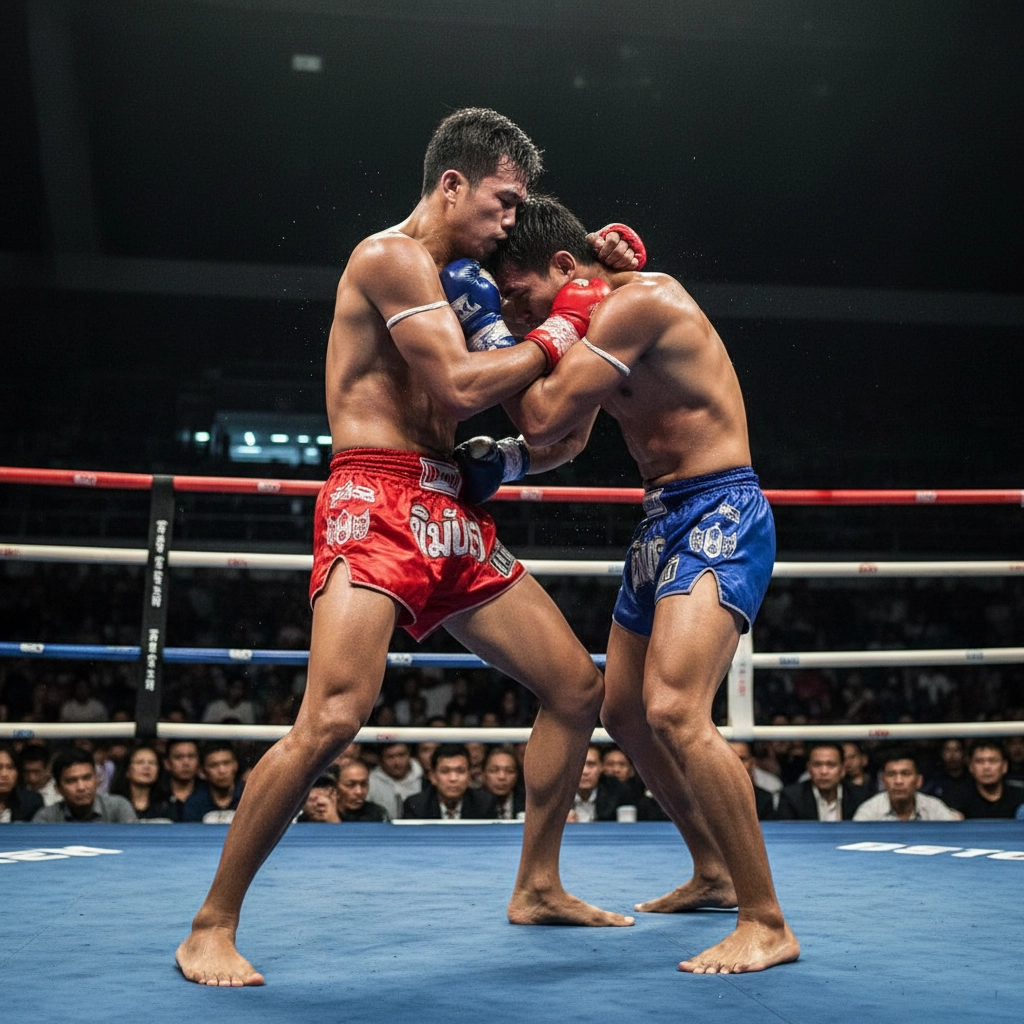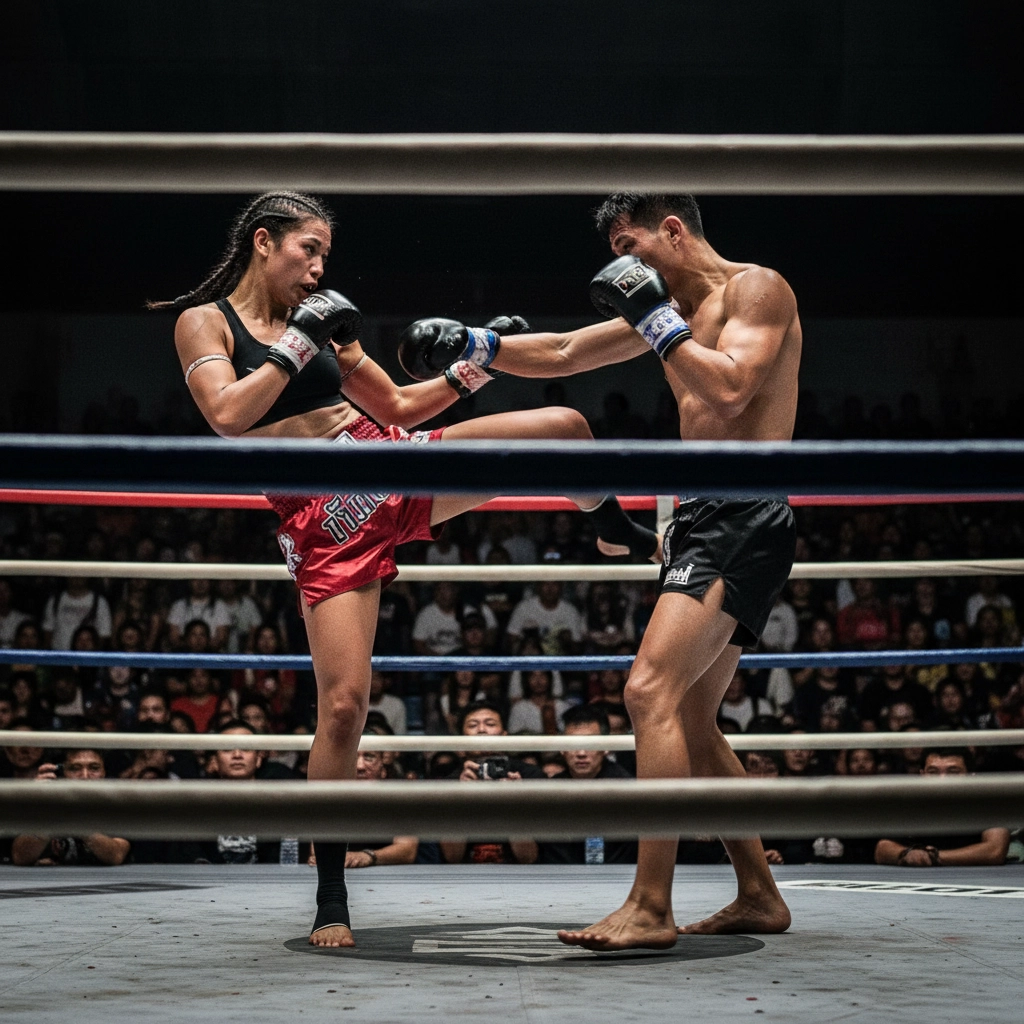

Many fighters underestimate defense, making errors like dropping the lead hand, telegraphing strikes, and failing to check kicks, which create openings and invite serious damage; this guide pinpoints these most dangerous faults and prescribes concrete drills – head movement, angled footwork, timed parries and partner sparring – to fix them, improve timing, and build a resilient, proactive guard that reduces injuries and enhances counters.
Common Types of Defensive Mistakes
More experienced trainers see recurring defensive mistakes: poor head movement, static guard, and delayed counters that let opponents land power shots. Fighters with 0-2 years experience often keep feet fixed, telegraphing entries and inviting combinations. A typical error-dropping the lead hand while checking kicks-creates openings for knees and hooks; fixing it requires targeted drills and sparring rounds focused on timing and angles. Muay Thai defenses must be precise to avoid damage.
- Footwork errors
- Blocking techniques flaws
- Telegraphing and timing issues
- Poor clinch defense
- Weak check mechanics
| Mistake: Flat-footed stance | Fix: Shadowbox 3 rounds/day emphasizing light on toes and 45° pivots; ladder drills 5 minutes, 4× weekly. |
| Mistake: Dropped lead hand | Fix: Partner mitt drill: 100 reps keeping lead hand at cheekbone while parrying jab; add resistance gradually. |
| Mistake: Poor kick checks | Fix: Check with shin angled 30-45° and absorb on the gristle; 50 checks per leg, 3× weekly. |
| Mistake: Predictable movement | Fix: Practice feint-to-angle sequences: feint, step off-line, counter; integrate into 5-minute sparring rounds twice per session. |
| Mistake: Over-committing blocks | Fix: Drill short, compact blocks with elbow tucked-100 repetitions on pads focusing on recovery within 0.5s. |
Footwork Errors
Commonly fighters stand flat-footed or cross their feet, losing balance and lateral mobility; this makes counters like the rear low kick or switch knee land more easily. Implement ladder drills (5 minutes), shadowboxing with deliberate pivots for 3 rounds, and 1-on-1 angle-off sparring twice weekly. Fixing footwork increases escape speed by 0.2-0.5 seconds in drills and reduces exposure to straight power shots.
Blocking Techniques
Many block with long, loose arms or with the wrong surface-palm instead of forearm-letting power shots penetrate. Work on compact forearm blocks at a 30-45° angle, elbow tucked to protect the ribs; perform partner pad drills with 50 repetitions each block type and integrate rebound recovery to restore guard within 0.5 seconds. Good blocks turn defense into immediate counters.
The deeper correction is timing: practice 3-step block-counter sequences (parry, pivot, counter) at varying speeds-start at slow tempo (60% speed) then ramp to full pace over 6 weeks; emphasize checking kicks with the shin to the outside edge to redirect force and keep the elbow plate to shield the head, which lowers concussion risk and creates openings for the clinch or counter elbow.
Factors Contributing to Defensive Mistakes
Several recurring causes explain why even skilled fighters leave holes:
- lack of experience
- fatigue
- anxiety/tunnel vision
- poor coaching
- overconfidence
Thou must target these specific sources with tailored drills, conditioning, and coaching plans.
Lack of Experience
New fighters in the first 6-24 months typically expose the chin and neglect angle work; drills like 200 deliberate slips per week and progressive three-round sparring reduce common openings by roughly 30-50%. Emphasize fundamental timing, repetitive pad sequences, and situational sparring to convert raw hours into dependable defensive instincts.
Mental State During Fights
Stress and adrenaline frequently produce tunnel vision and slowed decision-making-studies and gym data show reaction windows can narrow 15-30% under pressure. Quick panic causes dropped hands and poor resets, so train simulated high-pressure rounds and cue-based recovery to prevent cascade failures.
Deeper work on the mind includes breath-control routines (box breathing, 4-4-4) between rounds, visualization of 50+ contest scenarios, and “pressure sparring” where rhythm is disrupted; teams that apply these methods often report a 20-40% improvement in defensive resets. Use measurable metrics-heart rate, sparring error counts-to track progress and reinforce composure under duress.
Tips to Improve Defensive Techniques
Small, targeted changes produce measurable defensive improvement: dedicate 10-15 minutes per session to head movement drills, film sparring to identify a static guard, and use metronome-tempo pad work to tighten timing and distance management. Quantify goals – for example, cut missed blocks by 30% over six weeks through focused repetition and partner feedback. Assume that you track one metric weekly and adjust workloads based on that data.
- head movement
- guard
- footwork
- timing
- distance management
- countering
Focus on Fundamentals
Reinforce stance, chin position, and elbow alignment with short, frequent sessions: 5-8 minutes of shadowboxing emphasizing a tucked chin and 45° slips, followed by 3 rounds of ladder footwork to maintain balance under fatigue. Emphasize keeping the rear hand high to protect against kicks and hooks; a low, exposed hand increases the likelihood of getting clipped by 20-40% in sparring.
Drills and Practice Routines
Implement structured drills: 3×3-minute rounds of defensive-only sparring, 10-minute pad circuits with randomized strikes from the coach, and reaction-ball sessions to shave milliseconds off response time. Use progressive overload-raise complexity after 2-3 weeks to force adaptation and reduce predictable movement patterns.
Example routines that deliver results: do 4 sets of “slip-parry-counter” (20 reps each) twice weekly, run partner mitt rounds where the attacker throws 1-3 strike sequences at varied tempos, and include a weekly filmed defensive spar where scoring rewards successful evasions. Track improvements (reaction time, successful parries per round) to validate gains and adjust drills accordingly.
Step-by-Step Corrections for Specific Mistakes
Hard corrections rely on focused drills, measurable reps and progressive integration: isolate faults, drill 3-5 rounds per session, then test under pressure in 3×3-minute sparring. Track the number of openings per round and set a target to cut them by half within six weeks. Use video feedback and partner pressure to convert technical fixes into dependable fight habits.
| Mistake | Step-by-step Fix |
|---|---|
| Footwork drift (away from base) | Shadow pivot 10 reps each side; ladder/agility 3x/week; live rounds with movement-only rules; measure distance control. |
| Static guard (hands drop) | Wall-hold 3x30s; partner jab-feed 2-min rounds focusing on hands up; add pad rounds forcing forearm blocks. |
| Poor head movement | Slip-and-roll 5 reps; double-end 3×2-min rounds; apply immediate counters to condition timing. |
| Delayed counters | Reactive mitt drills 10 min; sprint-to-counter sets (3×1 min); timed sparring where first clean hit gets point. |
Correcting Footwork Issues
Practice drills that enforce angles and balance: perform pivot-to-step sets of 10 reps each side, keep weight ~55/45 (rear/front) for mobility, and run ladder/agility 3x/week; during sparring limit focus to movement for two rounds so you can measure being trapped on the ropes versus creating a 45° escape.
Improving Guard Position
Adopt a repeatable template: hands at cheekbones, forearms shielding temples, elbows tight to ribs and chin tucked; do wall-holds 3x30s and partner pressure rounds of 2 minutes concentrating on maintaining the template under fatigue, preventing an exposed chin on counters.
Progress the guard from static to dynamic: start with 5-minute partner pad sessions emphasizing elbows in, add feints and slow combinations, then introduce live sparring with a goal metric (openings per round). Use video feedback weekly to track improvements and adjust drills if openings don’t decrease over two training cycles.
Pros and Cons of Different Defensive Strategies
Different defenses trade mobility, energy, and damage control. In practice, a fighter using a high guard reduces clean head shots in close range but sacrifices speed; slipping and footwork enable counters and scoring opportunities yet demand timing and practice. Coaches often see a 15-30% drop in head strikes when combining guard work with lateral footwork, while passive blocking can lead to accumulated body damage over a camp.
| High Guard | Pros: strong head/chin protection in clinch; Cons: slows counters, vulnerable to knees and body shots |
| Low Guard | Pros: better mobility and vision for counters; Cons: exposes chin to hooks/uppercuts |
| Shell/Peek-a-Boo | Pros: deflects hooks, good for short-range exchanges; Cons: requires tight shoulders, can tire the neck |
| Shoulder Roll | Pros: excellent for redirecting power and countering; Cons: technical, weak vs. body kicks and knees |
| Parry | Pros: creates immediate counter openings, low energy cost; Cons: mistimed parries lead to clean shots |
| Slip | Pros: avoids contact entirely, high scoring counter potential; Cons: high timing demand, risky vs. multi-punch combos |
| Bob & Weave | Pros: evades hooks and creates angles; Cons: vulnerable to uppercuts and knees if done poorly |
| Distance Control | Pros: prevents damage by staying out of range; Cons: less scoring in close-range exchanges, requires superior footwork |
| Footwork/Angles | Pros: opens counters, reduces predictable defense; Cons: energy intensive, demands drills and conditioning |
| Catch/Block-with-Clinch | Pros: neutralizes kicks and resets tempo; Cons: can lead to referee breaks and scoring deductions if overused |
High Guard vs. Low Guard
High guard excels in clinch and inside exchanges by protecting the chin and temple, cutting clean head strikes by an estimated 15-30% when held correctly; however, it makes you slower to counter and more exposed to body shots and knees. Low guard benefits long-range, counter-punching fighters and improves vision for teep setups, yet it raises risk to hooks and uppercuts-use it with active head movement and lateral steps to mitigate openings.
Evasion vs. Blocking
Evasion (slips, rolls, footwork) eliminates contact and creates counter opportunities, often increasing scoring chances while reducing cumulative trauma; blocking absorbs force and can be energy-efficient for specific sequences. In sparring, fighters who prioritize evasion tend to land faster counters, while blockers survive heavy exchanges better short-term but register more impact over rounds.
Drill-wise, alternate 3-minute rounds focused on evasion (partner throws 3-punch combos, you slip and counter twice) with rounds emphasizing blocking and counter drills to build bone and muscle memory. Evasion requires timing training-shadowbox at 75-80% speed and progress to live 2-minute slip intervals-whereas blocking benefits from progressive pad work to condition forearms and shoulders while monitoring fatigue to avoid technique breakdown.
Learning from Experienced Fighters
Study elite habits by breaking down specific sequences: spend 30-60 minutes weekly on film, mark 2-3 recurring defensive failures per opponent, and replicate counters in 3-round sparring. Emulate Saenchai’s angled pivots to avoid straight punches and Buakaw’s timing on the low kick to punish telegraphed teeps. Prioritize drills that convert observation into repeatable muscle memory and flag the most dangerous tendencies-like wide guards that invite headshots.
Watching Fights
Analyze at least five fights per studied style, using slow-motion to isolate the 0.2-0.5s window before impact; note how top fighters manage space, e.g., stepping offline 30-60 cm to nullify combinations. Track concrete metrics-distance control, guard drops per round-and compare rounds 1 vs 3 to see fatigue effects. Highlight any predictable habits that create openings for counters or clinch entry.
Seeking Feedback from Coaches
Schedule weekly 20-30 minute video reviews where you present 2-3 clips and accept one prioritized correction at a time; have the coach demonstrate the fix, then drill it in three 3-minute rounds. Use coach-led metrics-guard drops per round, reaction time to feints-to measure progress and keep corrections specific and actionable.
Make feedback actionable by bringing labeled clips (offense that beat you, defensive lapses, successful escapes), asking targeted questions-“what caused the guard drop?”-and requesting a demo at 50% intensity. Track a SMART goal, for example reduce guard drops from 6 to 2 per 3-minute round in four weeks, and validate with filmed sparring. Use frame-by-frame playback and coach-timed drills to convert critique into measurable gains; flag any dangerous recurring error for immediate isolation drills.
Conclusion
Drawing together the common defensive mistakes in Muay Thai-dropping the lead hand, stiff posture, poor footwork, and telegraphed reactions-and clear remedies such as tightening the guard, improving hip and shoulder mobility for evasions, drilling angles and footwork, and practicing controlled sparring to build timing, a fighter can reduce openings and dictate exchanges.
FAQ
Q: What head movement mistakes do beginners make and how can they fix them?
A: Beginners often overcommit to dramatic slips or rolls that expose the body, drop their chin too late, or drop their hands when trying to evade. Fixes: practice a tight chin-tuck and keep the rear hand high to protect the jaw while the lead hand defends the centerline; drill small, controlled slips and rolls on the heavy bag to develop compact movement rather than large, telegraphed reactions; use shadowboxing with a mirror to correct posture and hand position; add partner drills where the partner throws predictable combinations and you work only on head movement, then gradually increase speed and variety; finally, integrate head movement with footwork so slips are followed by a step off-line or a counter, preventing exposure to follow-up attacks.
Q: Why do fighters fail to defend kicks and knees, and what drills improve that defense?
A: Common failures include leaving the shin down, failing to rotate the hip when checking, standing flat-footed so balance is lost, and reacting too slowly. Fixes: practice the basic check by lifting the knee, turning the hip outward, and landing on the outside edge of the shin on a heavy bag and with partner slow kicks; do repetitive partner kick drills where you check every kick and immediately return balance with a step or counter; work conditioning drills to strengthen the blocking leg and hip rotation; incorporate catch-and-counter drills to develop timing for catching or trapping kicks; and train clinch entries and pummeling to neutralize knees by controlling distance and posture.
Q: What footwork and distance-management mistakes lead to defensive breakdowns, and how can I correct them?
A: Typical issues are standing flat-footed, backing straight up into the cage, crossing the feet when moving, and failing to control range. Fixes: train light-on-the-toes movement with short, purposeful steps; practice lateral circling and pivots to create angles instead of retreating in a straight line; use cone or ladder drills to build habitual small steps and balance; spar with a focus on range control-one partner applies pressure while the other works only on creating and maintaining proper distance; add drills that force repositioning after every exchange (step off-line, pivot, or clinch) so defensive movement becomes automatic under attack.
Recommended Posts