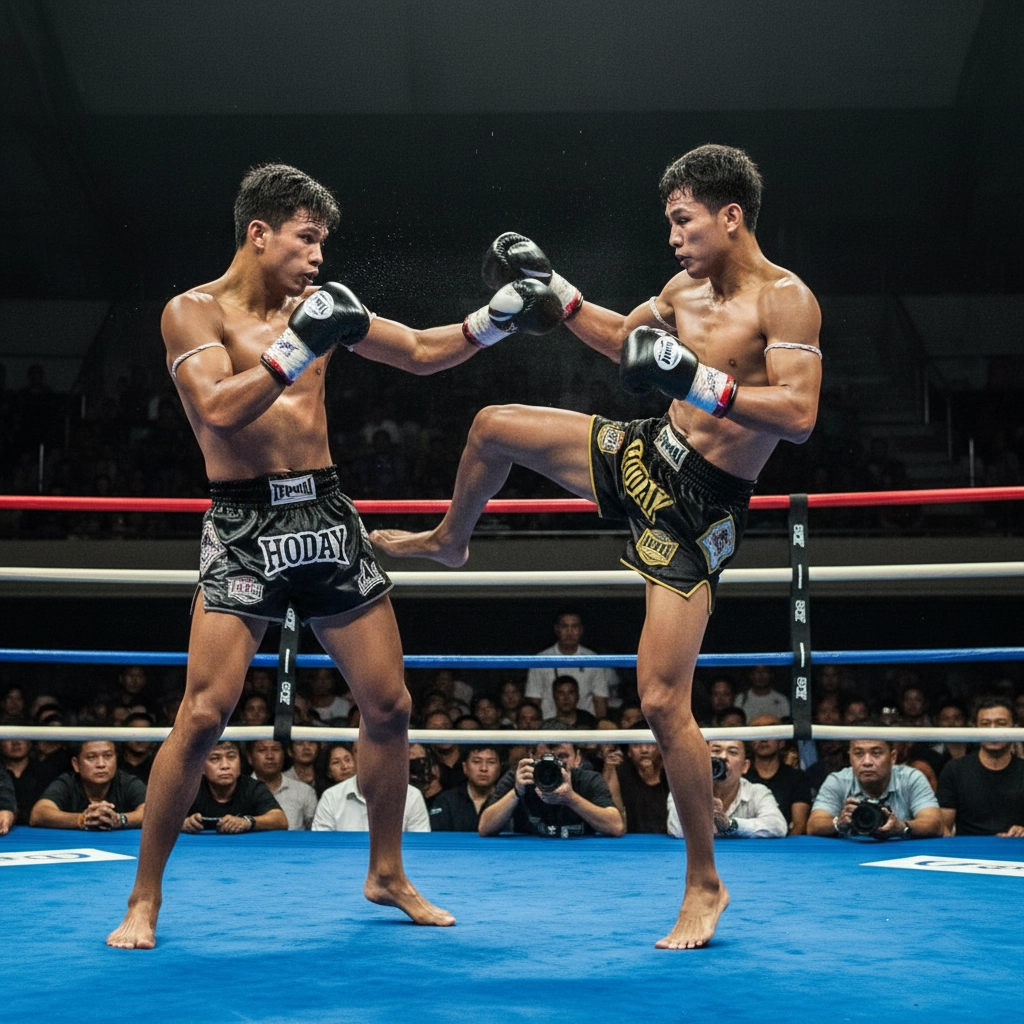

You already know Muay Thai is one of the fastest striking arts in combat sports, but live betting requires you to translate that speed into decision-making. Unlike pre-match wagers, in-play bets force you to evaluate real-time variables: a fighter’s rhythm, visible fatigue, damage accumulation, and momentum swings. If you adapt your strategy to those dynamic elements, you can find value that sportsbooks may not price perfectly.
When you watch a fight unfold, you should be assessing far more than who is landing the prettier strikes. You’re judging effectiveness, recovery, and tactical adjustments. In-play markets respond quickly to what happens in the ring; your job is to respond faster and more accurately.
Key fight elements to monitor during the opening rounds
- Pace and volume: High-volume starters can build early leads but also tire fast. If a fighter throws a lot yet lands few meaningful strikes, the early round advantage may be superficial.
- Leg kicks and balance: Repeated leg kicks will show cumulative effects only after a few rounds. Early evidence of compromised balance or a limp should immediately change your live expectations.
- Clinching and knees: Muay Thai scoring favors clinch control and knees. If one fighter dominates the clinch early, that often predicts scoring wins and can indicate superior conditioning.
- Damage and cuts: Visible swelling, cuts, or a fighter favoring a limb creates specific in-play opportunities such as round stopping or alternate moneyline lines.
- Composure and corner advice: How a fighter reacts to strikes and the instructions they receive during short corner breaks can signal whether they’ll adjust or collapse tactically.
Practical live-betting tactics to use immediately
Start with a simple rule: prioritize liquidity and low-latency feeds. If the stream or scoreboard lags, you’ll be betting on outdated information and likely lose edge. From there, apply these actionable tactics as fights develop.
- Wait through the first 60 seconds: The opening moments are noisy — both fighters feel each other out. Let the initial flurry settle to see who controls distance and clinch.
- Exploit overreactions: Public bettors often chase highlight strikes. If a big strike lands but the opponent shows no real damage, odds can overcorrect — that’s where you find value.
- Round-specific bets: Use short-term markets (next round, method of victory) to leverage momentum. A fighter landing repeated damaging leg kicks near round end often has increased odds for next-round success.
- Manage your stake sizing: Reduce unit sizes early when information is scarce; increase cautiously when momentum and visual evidence strongly favor one fighter.
These opening tactics will help you avoid common live-betting pitfalls and prepare you to interpret market movement — next, you’ll learn how to read odds shifts, spot value lines, and combine statistical prep with live reads to form higher-confidence wagers.
Interpreting odds movement and where value hides
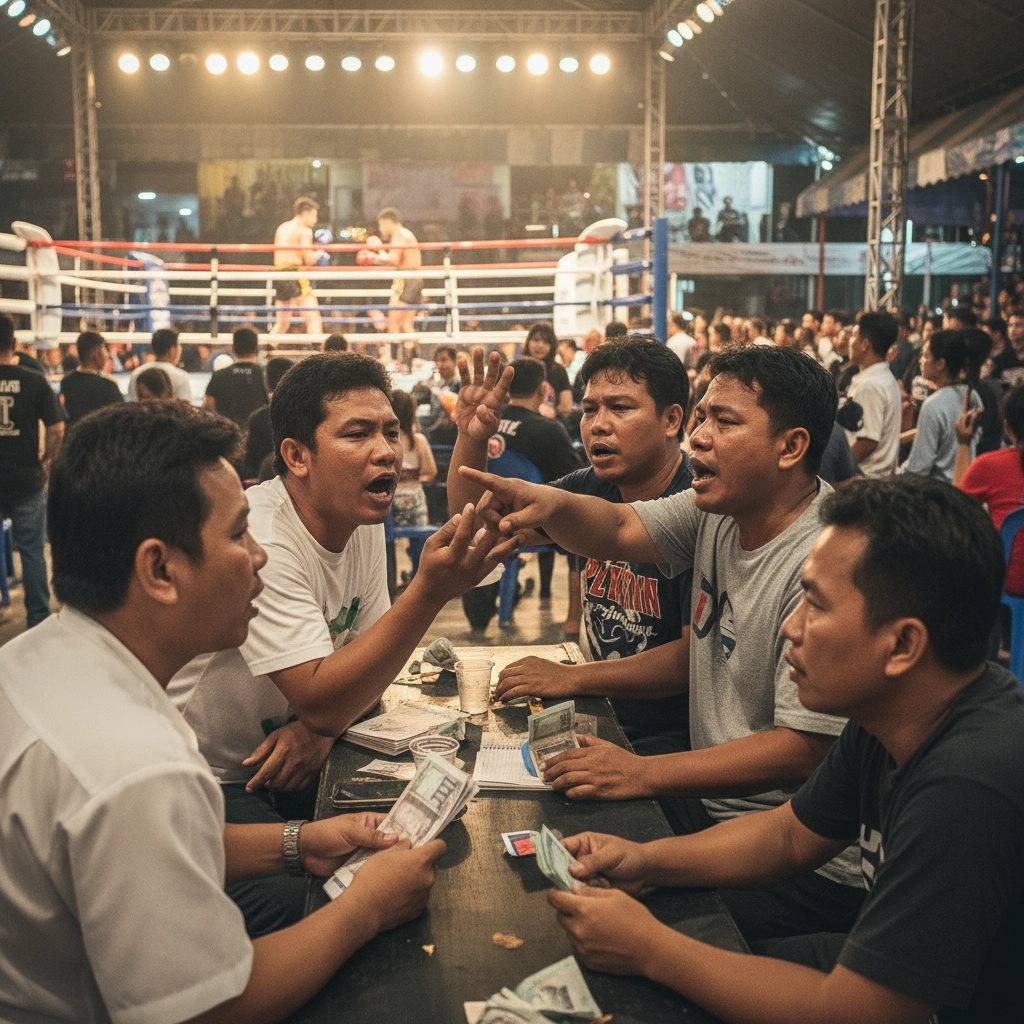
Odds don’t move randomly — they reflect money, perception, and sometimes latency. Your job is to decide whether a shift encodes new, reliable information or an overreaction you can exploit. Start by converting live odds into implied probability and comparing that to your on-ring assessment. If your read suggests a fighter has a 60% chance to win but the market prices them at 48%, you’ve found value.
Watch for two common patterns:
– Sharp moves: sudden, sustained shifts accompanied by heavy volume often mean professional or syndicate money. Respect these — they usually reflect new information (injury, visible fatigue, corner talk) or superior models.
– Public overreactions: single highlight strikes, knockdown scares, or crowd noise can send live odds swinging without substantiated damage. These are your best hunting grounds for positive expectation bets if the opponent looks OK.
Practical signals to act on
– Momentum that aligns with objective damage (cuts, limping, sustained clinch dominance) usually justifies betting the momentum-favored fighter.
– Rapid drift against a fighter with clear fight-ending damage (e.g., repeated leg kicks causing a limp) is a value cue for backing the opponent or laying the injured fighter.
– If liquidity is thin and lines jump widely between feeds, reduce stake sizes — wide spreads usually mean sportsbooks are protecting themselves, not creating value.
Tools and quick math
– Use an odds tracker or exchange (Betfair, Matchbook) to see real money depth. Exchanges are especially useful because you can lay or see matched volume.
– Simple conversion: implied probability (%) = 100 / decimal odds. Subtract your estimated true probability to gauge edge. Aim for a clear edge (e.g., 5%+) before committing live.
Combining statistical prep with live reads to make higher-confidence wagers
Preparation before the fight gives you the priors; live observation provides the likelihood. Blend both using a simple mental Bayesian update: weight your pre-fight model by your confidence in it, then adjust based on observed evidence. The stronger your pre-fight data, the less one round of noise should sway you.
Key pre-fight stats to collect
– Striking differential (significant strikes landed minus absorbed).
– Leg kick frequency and success rate.
– Clinch/damage knees per round.
– KO/TKO susceptibility and recovery time (how a fighter reacts after being hurt).
– Round-by-round pace and cardio indicators (late-round drop-off is common in shorter camps).
How to update during the fight
– If a fighter who typically leads in leg kicks isn’t using them at all, reduce their expected points for later rounds.
– If a supposedly durable fighter shows unsteady feet after a clean shot, increase your estimate for stoppage probability that round.
– Trust visible, repeatable evidence more than isolated moments. A single good punch isn’t as predictive as multiple sustained, damaging sequences.
Staking and discipline
– Let confidence inform stake size: small units when you’ve only slightly adjusted a prior; larger (but controlled) sizes when both statistics and live reads converge.
– Keep a running notebook — even short notes like “round 2: clinch dom, opponent leg limp” help you avoid emotional bets and reinforce objective decision-making.

Advanced in-play markets and tactical hedging
Once comfortable with the basics, expand into specialized markets: next-round winner, method-of-victory props, round-specific stoppage lines, and exchanges where you can lay. These markets often have softer edges because fewer bettors trade them and bookmakers struggle to price live nuance.
Tactical uses
– Use next-round markets when a fighter has shown decisive momentum and the implied odds undervalue immediate continuation.
– Take method props (KO/TKO) late if you see cumulative damage trending toward a stoppage.
– Consider partial hedges on exchanges to lock profit if your pre-fight winner stalls but remains alive — this reduces variance without negating upside.
Always account for liquidity and vig. Advanced markets can offer big edges, but only when you size bets in line with market depth and your confidence in the live read.
Practice and continuous improvement
Live betting skill comes from deliberate practice as much as from knowledge. Treat every session as an experiment: record your pre-fight model, note the live evidence that made you change your mind, and track outcomes. Over time you’ll see which live signals genuinely predict outcomes and which are noise.
- Run mock live bets during undercard fights to practice reading pace, clinch control, and leg-kick damage without risking large stakes.
- Use an odds tracker or an exchange to study liquidity and matched volume — for example, the Betfair exchange can show real-time depth and help you learn when lines reflect real money.
- Keep a short, structured notebook: pre-fight edge, live observations per round, stake, and result. Review weekly to refine your rules and staking plan.
- Limit sessions and set emotional stop-loss rules. Fatigue and tilt destroy edges faster than bad models.
Putting the strategy into action
Focus on process: disciplined preparation, objective live observation, consistent stake sizing, and honest post-session review. Value in live Muay Thai betting is cumulative — small, repeatable edges win more than occasional “homeruns.” Stay patient, protect your bankroll, and let evidence guide the adjustments you make mid-fight.
Frequently Asked Questions
When is the best moment to place my first live bet in a Muay Thai match?
Wait past the initial feel-out (generally the first 30–60 seconds). That period is noisy; after it settles you can better judge pace, distance control, and clinch behavior. If a fighter shows clear, repeatable damage or tactical dominance, that’s a stronger signal to act.
How should I size stakes during live betting compared to pre-match bets?
Reduce unit size when information is limited or fed through low-latency streams. Increase sizing only when pre-fight models and live reads align and liquidity supports larger wagers. Use predefined percentages of your live bankroll to avoid impulsive increases.
Are betting exchanges better than sportsbooks for live Muay Thai markets?
Exchanges offer transparency on matched volume and let you both back and lay, which can be useful for hedging. They can be advantageous when liquidity is adequate, but sportsbooks may still offer deeper markets on major events. Choose based on depth, fees, and the specific market you want to trade.
Recommended Posts