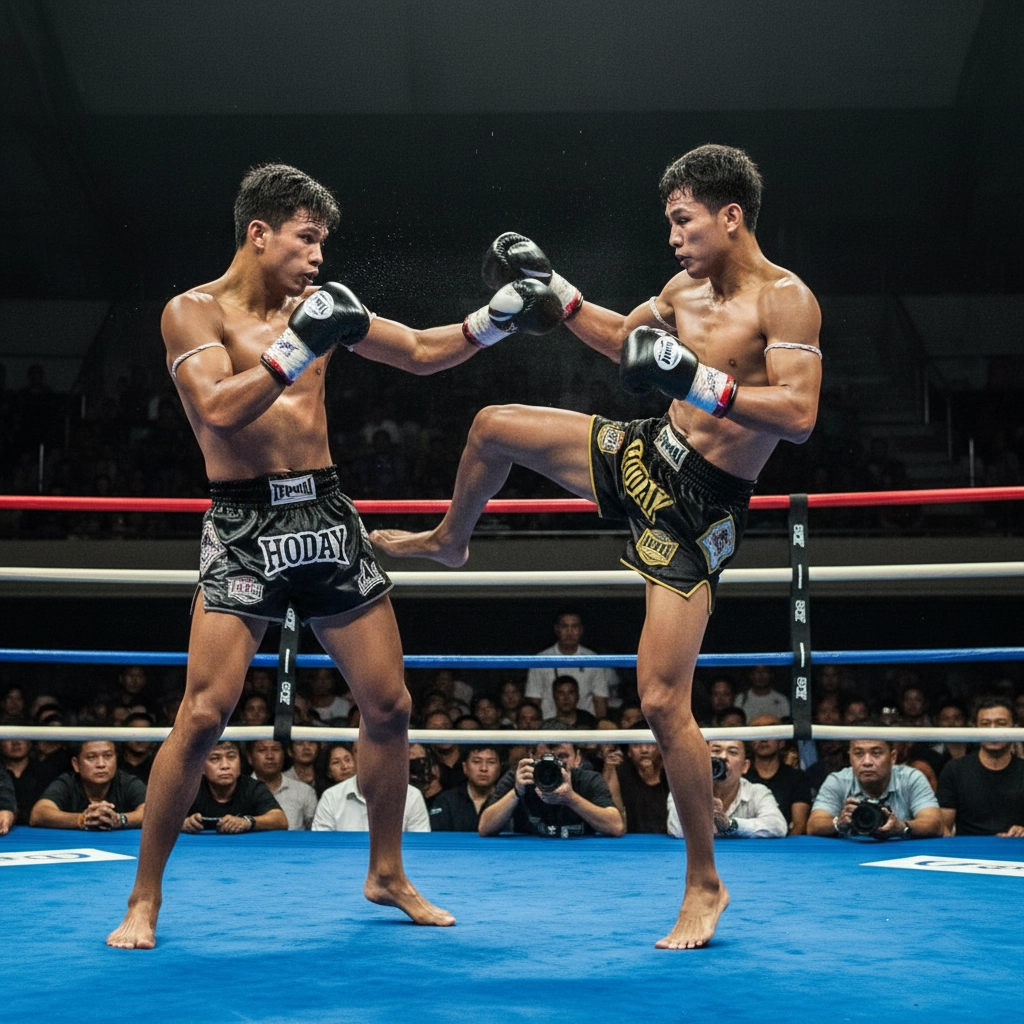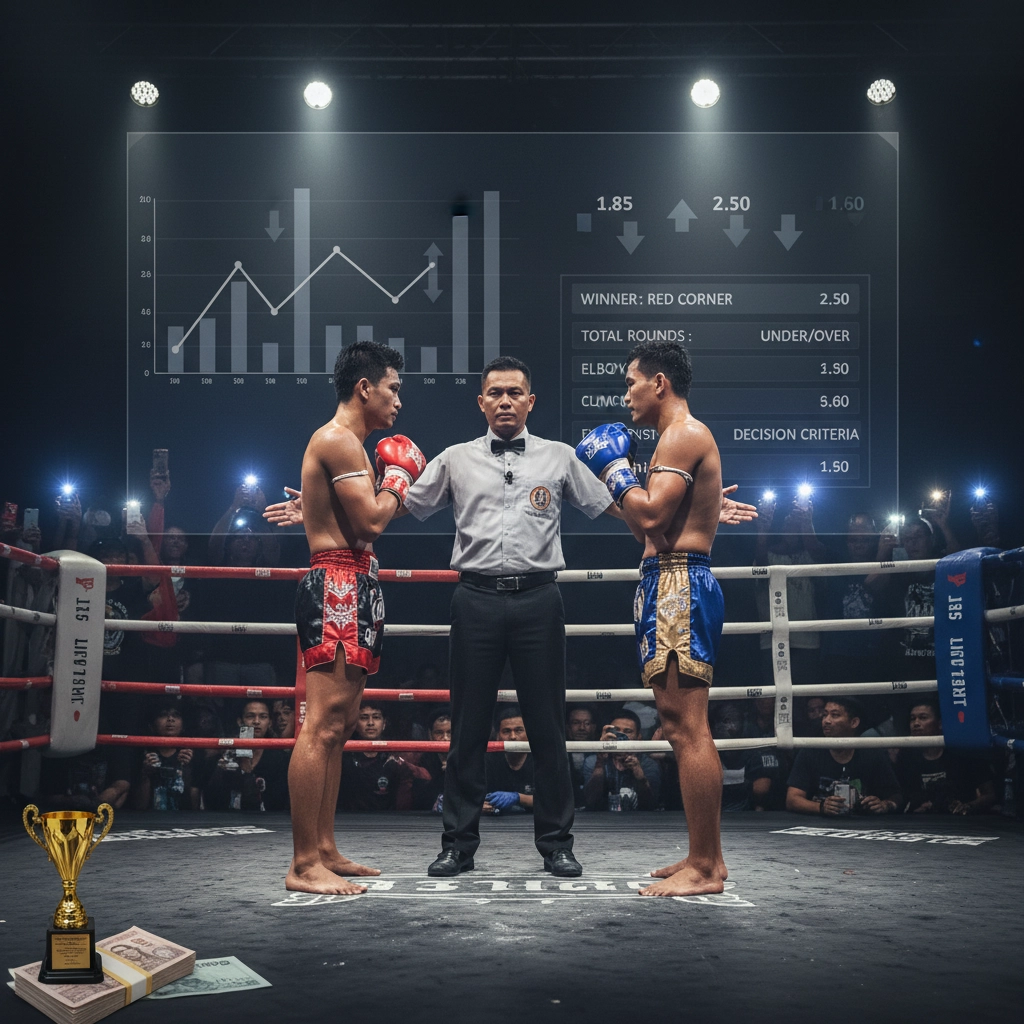

Why you should review Muay Thai rules before backing a winner
Muay Thai is deceptively simple to watch but legally and technically complex when it comes to betting. If you place a wager on “who wins,” small rule differences between stadiums and promotions can flip a result from a straight win to a disqualification, no-contest, or extension round — and that affects whether you get paid. You need to be intentional about the rules that govern the specific fight you’re betting on so you don’t lose money to surprises that sportsbooks and commissions will handle according to their rulebooks.
What to verify about the event
- Promotion and venue — Is the fight at a Thai stadium (Lumpinee/Rajadamnern) or under an international promotion? Rules can differ.
- Scheduled rounds and duration — Traditional Muay Thai in Thailand often uses 5 x 3-minute rounds; many overseas events use 3 x 3-minute rounds. That changes pacing and finishing chances.
- Whether elbows and extended clinch are allowed — Some promotions limit elbows or reduce clinch time; those changes alter each fighter’s effectiveness.
- Governing commission or referee authority — Who makes the call on doctor stoppages, fouls, and ring infractions?
How fight outcomes are officially determined and why it matters for your bet
Understanding the possible official outcomes lets you predict how a bout might be resolved and how your sportsbook will treat your wager. Typical official results include:
- Win by KO/TKO: A clear finish — most winner bets are settled straightforwardly.
- Win by decision: Becomes relevant if you expect a fighter to outpoint an opponent over the scheduled distance.
- Draw: Some books offer a draw market, while others treat a draw as a push and refund winner-bet stakes. Check your sportsbook’s draw policy.
- Disqualification (DQ): Fouls that lead to DQ can mean a sudden reversal of expected outcome; some books still pay on DQ wins but not all.
- No Contest: Result of accidental fouls or rule violations early in the fight; usually a void on winner markets, but rules vary.
Pay attention to how your bookmaker handles each of these outcomes. A fighter you thought would scrape a win by decision could instead be disqualified for an illegal elbow or have the bout ruled a no-contest after an accidental foul — and that can mean no payout or unexpected refunds.
Rule differences that most change betting value
- Elbow rules: Allowed elbows increase finishing chances and favor fighters who use short-range weapons; banned elbows favor long-range kickers.
- Clinch allowance and knee scoring: Extended clinch and knees reward fighters strong in close; limited clinch benefits aggressive strikers who rely on punches and teeps.
- Extra/extension rounds: Some promotions add an extension round if judges score a draw — know whether your bet covers an extension outcome.
- Weigh-in and rehydration clauses: Missing weight or strict rehydration can lead to penalties or fight cancellation, impacting bets.
Reviewing these items will help you decide whether a fighter’s strengths match the rule set — and whether the sportsbook’s policies protect or expose your wager. In the next section, you’ll get a practical pre-bet checklist that walks through the exact items to confirm for any Muay Thai winner wager.
Pre-bet checklist: What to confirm before placing a winner wager
Before you click “place bet,” run through this short but thorough checklist. Each item affects whether a straight winner bet will be paid the way you expect — and many are quick to verify if you know where to look.
- Official market rules: Open the sportsbook’s event rules page. Confirm how they handle draws, no-contests, DQs, and extension rounds. Some books refund on a draw; others pay a draw market or void bets only if a bout is stopped before a certain round.
- Extension-round policy: If the promotion uses extra rounds for draws, check whether your winner bet covers an extension. Some books treat post-extension results as settled; others void bets if the fight goes beyond scheduled distance.
- Foul and DQ definitions: Read the fouls list — what exactly triggers a DQ, and how are accidental fouls handled? Knowing whether an illegal elbow or groin strike likely leads to DQ vs. point deduction changes how you value a fighter who fights dirty.
- Doctor stoppage & TKO criteria: Different commissions and refs vary on stoppages. If a fighter has a history of cuts, find out whether the local ringside doctor is known to be conservative or aggressive — it affects late-round finish prospects.
- Judge scoring criteria: Determine whether judges favor damage, aggression, or technique (Thai scoring often emphasizes kicks and knees over volume punching). That informs whether you back a power striker or a high-output pressure fighter.
- Equipment and rule modifications: Are elbow strikes allowed? Are there restrictions on clinch time, glove size, or wraps? These seemingly small changes swing matchup advantages.
- Weigh-in results and rehydration clauses: Confirm both fighters made weight and whether there are fines or bout agreements that could lead to walkovers or point penalties.
- Betting cut-off and live rules: Note when markets are locked and how in-play bets are treated if an incident halts the fight. Live streams and latency can affect whether you can react when an event changes.
Red flags that should make you pause (and what to do about them)
Certain signals mean the smart move is to reduce stake or skip the wager altogether.
- Conflicting rules info: If the promotion, stadium, and sportsbook each state different rules (e.g., one says elbows allowed, another says banned), don’t assume the most favorable interpretation — wait for official confirmation.
- Late replacement or short-notice opponent: A last-minute change often brings mismatches in style and unknown medicals. Consider avoiding winner bets on replacements unless odds clearly misprice the scenario.
- Weight misses or rehydration penalties: If a fighter misses weight, odds may not fully reflect the risk of penalties or cancellation. Either trim your stake or switch to a method-of-victory market that better captures finishing potential.
- Opaque judging panels or local bias: Local judges, hometown refs, or a promoter-friendly commission are warning signs. Again, reduce exposure or choose markets less vulnerable to subjective scoring (e.g., KO/TKO).
When you spot a red flag, act: verify the facts from primary sources (commission statements, weigh-in footage), consider hedging or smaller stakes, or move to a market that isolates the element you’re confident about (method, round, or prop). Better to pass on a bet than to be surprised by a rules-driven non-payout.
Final reminders before you place a winner bet
Treat the checklist as an active part of your pre-bet routine: confirm the sportsbook’s event rules, double-check weigh-in and commission notes, and lock in any hedges before the market closes. When in doubt, wait for official sources (commission statements, weigh-in video, or the promoter) rather than relying on hearsay. For an authoritative reference on rules and permitted techniques, see the official Muay Thai rules. Above all, protect your bankroll by sizing stakes to account for rule ambiguity or unexpected changes.
Frequently Asked Questions
What happens to my bet if a Muay Thai fight goes to an extension round?
It depends on the sportsbook. Some books treat extension-round outcomes as final and settle winner bets accordingly; others void or refund bets if the contest goes beyond the scheduled distance. Always read the market/event rules for the specific promotion before wagering.
How are disqualifications (DQs) treated for winner wagers?
Most sportsbooks pay a bet on the remaining fighter if an opponent is disqualified, but treatment can vary based on whether the foul was intentional, accidental, or occurred before a prescribed round. Consult the book’s foul and DQ definitions and check any commission rulings if an incident is disputed.
Should I bet when there’s a late replacement or a weight miss?
Exercise caution. Late replacements introduce stylistic unknowns and fresh medical uncertainty; weight misses can lead to fines, point penalties, or cancellations. Consider reducing stake, switching to a less subjective market (e.g., KO/TKO), or passing until more information is confirmed.
Recommended Posts