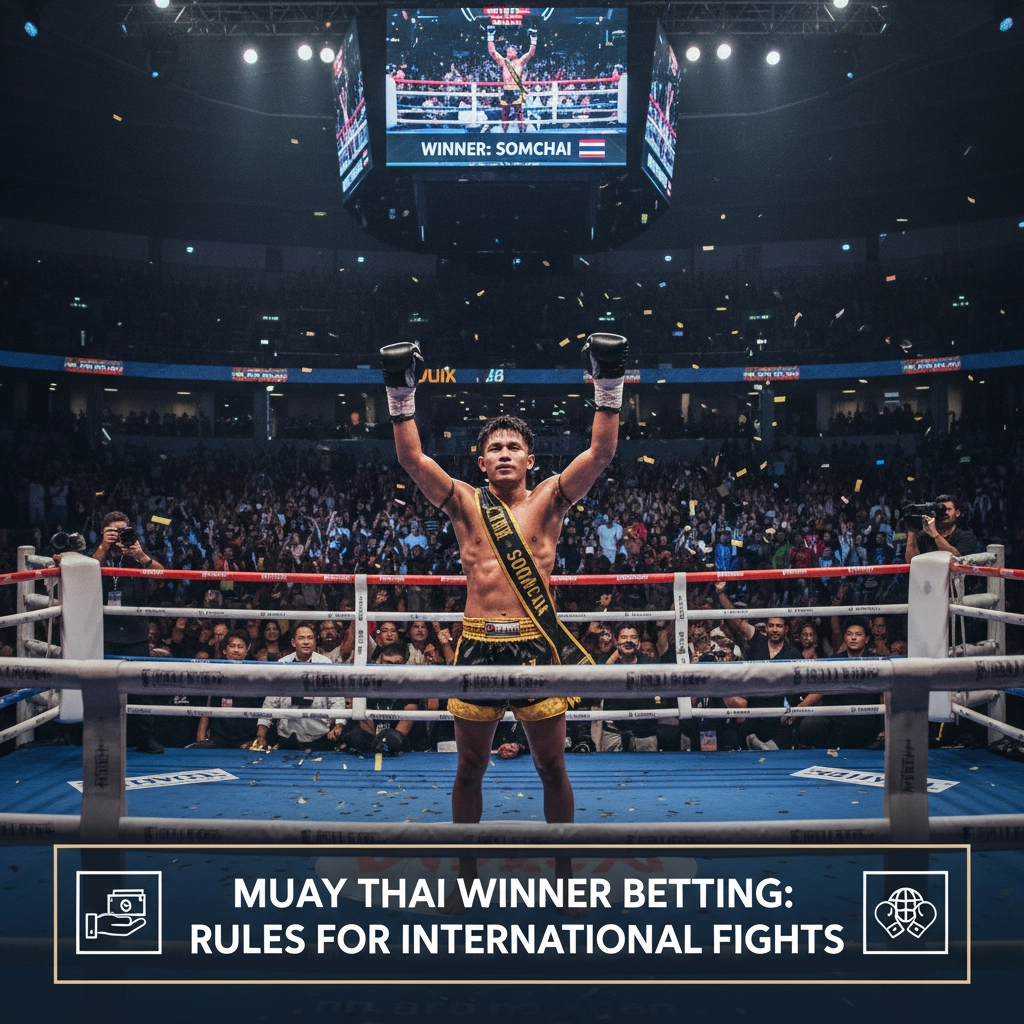

When you step into online betting for Muay Thai, you’ll quickly notice it’s not the same as betting on boxing or MMA. Muay Thai’s ruleset—allowing elbows, knees, clinch work, and continuous pacing—creates specific fight dynamics. That means outcomes, momentum swings, and injury risks differ from what you might expect if your experience is limited to other combat sports.
For you as a beginner, understanding these differences will help you interpret odds and spot value. Muay Thai often rewards fighters with superior clinch control or devastating low kicks, and underdogs can win by accumulation rather than single dramatic strikes. Bookmakers price markets based on those subtleties, so learning them is an essential first step before placing money on a fight.
Basic Muay Thai betting markets explained in plain terms
Before you wager, get familiar with the core markets you’ll see at any online sportsbook. Knowing what each market asks of you prevents confusion and helps you compare odds across sites.
Who wins the fight (Match Winner)
- In this straightforward market, you pick which fighter will win. The result can be by knockout, technical knockout, or decision.
- You should consider stylistic matchup: a striker who avoids the clinch may struggle against a clinch-heavy opponent.
Method of victory and finishing bets
- These markets let you predict whether the win comes by KO/TKO, decision, or sometimes submission (rare in traditional Muay Thai). They often pay better but carry more risk.
- If a fighter has a high knockout ratio or is known for elbow finishes, method markets might offer value—provided you’ve verified recent performance and opponent levels.
Round betting and over/under rounds
- Round markets allow you to bet on whether the fight ends in a specific round or within a range (e.g., rounds 1–2). These require accurate reading of tempo and aggression.
- Over/Under rounds predict whether the fight will go beyond a set number of rounds. Fights between tactically conservative fighters are likelier to go the distance, while aggressive matchups may finish early.
As you learn these markets, practice reading the odds format used by the sportsbook (decimal, fractional, or American). Odds reflect implied probability, and converting them to percentages can reveal value or overpricing.
Next, you’ll want to learn how to assess fighters’ styles, recent form, and reading fight footage so you can make informed bets instead of relying on gut feeling. In the following section, you’ll get a step-by-step guide to scouting fights and evaluating key statistics that matter in Muay Thai.
How to scout a Muay Thai fight — a simple step-by-step checklist
Scouting doesn’t need to be complicated. Use a repeatable checklist so you don’t miss crucial factors that affect the odds. For each fight, run through these steps before you wager:
- Collect basic data: records, age, weight class, stance (orthodox/southpaw), and recent activity (last 12 months).
- Watch full fight footage — at least the last 2–3 fights for each competitor. Don’t rely solely on highlights; full fights show cardio, clinch exchanges, and how a fighter responds when things go wrong.
- Evaluate the level of opposition. A 20–0 record in local shows is different from a 20–0 record against top stadium or international opponents.
- Note stylistic strengths and weaknesses: who initiates clinch work, who throws low kicks, who favors elbows, who relies on teeps and footwork.
- Assess cardio and late-fight performance: does the fighter slow dramatically in rounds 3–5? Do they lose power late, or do they keep pressure?
- Check recent camp changes, injuries, or time off. Training with a new team or coming back from injury often affects performance more than records indicate.
- Monitor fight-week news: weight cut reports, sparring injuries, and travel issues. Social media from gyms and fighters is often the quickest source.
By repeating this checklist you’ll build a reliable pre-bet routine. Over time you’ll also learn which datapoints matter most to your own betting style.

Key statistics and indicators that actually matter in Muay Thai
Muay Thai data is less standardized than boxing or MMA, but certain stats and indicators consistently predict outcomes:
- Finishing rate (KO/TKO): A high finishing rate suggests power and threat of an early end, but context matters — check the quality of opponents beaten.
- Knockdowns per fight: Fighters who score knockdowns change judges’ minds and win rounds decisively. Conversely, susceptibility to knockdowns is a big red flag.
- Clinch success and knees scored: Many matches are decided in the clinch. If a fighter dominates clinch exchanges in footage, they can control rounds even without high strike volume.
- Leg kick frequency and damage: Effective low kicks slow opponents and change fight dynamics over rounds. A fighter who consistently targets the legs can win on damage accumulation.
- Activity and time in camp: Fighters coming off long layoffs often lack timing; frequent competition usually signals better readiness in Muay Thai culture.
- Decision vs finish ratio: If a bout is likely to go to the judges, favor fighters used to winning on points and who have experience under the same judges/promoter.
Where formal stats aren’t available, qualitative indicators (how a boxer moves in the ring, the sound of strikes in footage, visible tiring) are valuable substitutes.
Common red flags and situational factors that shift value
Even a well-scouted favorite can lose value because of situational issues. Watch for these red flags before you bet:
- Short-notice opponent changes — styles may clash and training camps don’t adapt quickly.
- Troubled weight cut or missed weights — a botched cut reduces durability and strength.
- Home advantage and crowd/judging bias — local fighters can get favorable decisions, particularly in some stadium circuits.
- Rule differences and fight length — five-round stadium rules reward different pacing than three-round international fights; verify which format applies.
- Odds movement and sharp money — significant early or late line shifts can reveal insider information; don’t ignore sudden market changes.
Combining technical scouting with these situational checks will help you spot true value and avoid bets that look good on paper but are compromised by real-world factors.

Final tips before you place your first Muay Thai bet
Betting on Muay Thai is a skill you develop with disciplined practice, not a quick win. Start small, use the scouting checklist consistently, and treat every wager as a learning opportunity. Keep a simple betting log (date, fighter, market, stake, result, notes) so you can review what worked and what didn’t. Protect your bankroll by setting clear staking rules, and avoid chasing losses after a bad run.
Also make sure you know the specific rules for the bout you’re betting on — round length, number of rounds, and permitted techniques can change how fights play out. A reliable reference for regulations and event formats is IFMA rules and resources. Finally, stay patient and curious: refine your process, learn from mistakes, and let gradual improvement guide your bets rather than emotion.
Frequently Asked Questions
Which betting market is best for absolute beginners?
For most beginners the Match Winner (who wins the fight) is the simplest and safest market. It requires the least specialized prediction and is easy to follow. Once you’re comfortable with that market, you can explore method-of-victory or round markets, but those demand more precise scouting and carry higher variance.
How should I size my stakes when I’m starting out?
Use conservative bankroll management: many experienced bettors recommend risking 1–2% of your total betting bankroll on a single bet. This keeps you in the game through losing streaks and forces discipline. Adjust the percentage only after you’ve built consistent positive results and confidence in your process.
Where can I reliably find fight footage and useful statistics for scouting?
Look for full fights from official stadium channels, promotion pages, and reputable YouTube uploads. Gym and fighter social media often shares sparring clips and camp updates that reveal form and injuries. Remember that Muay Thai stats aren’t standardized—use qualitative cues (clinching, leg-kick damage, cardio) alongside any available numbers when you evaluate a matchup.
Recommended Posts