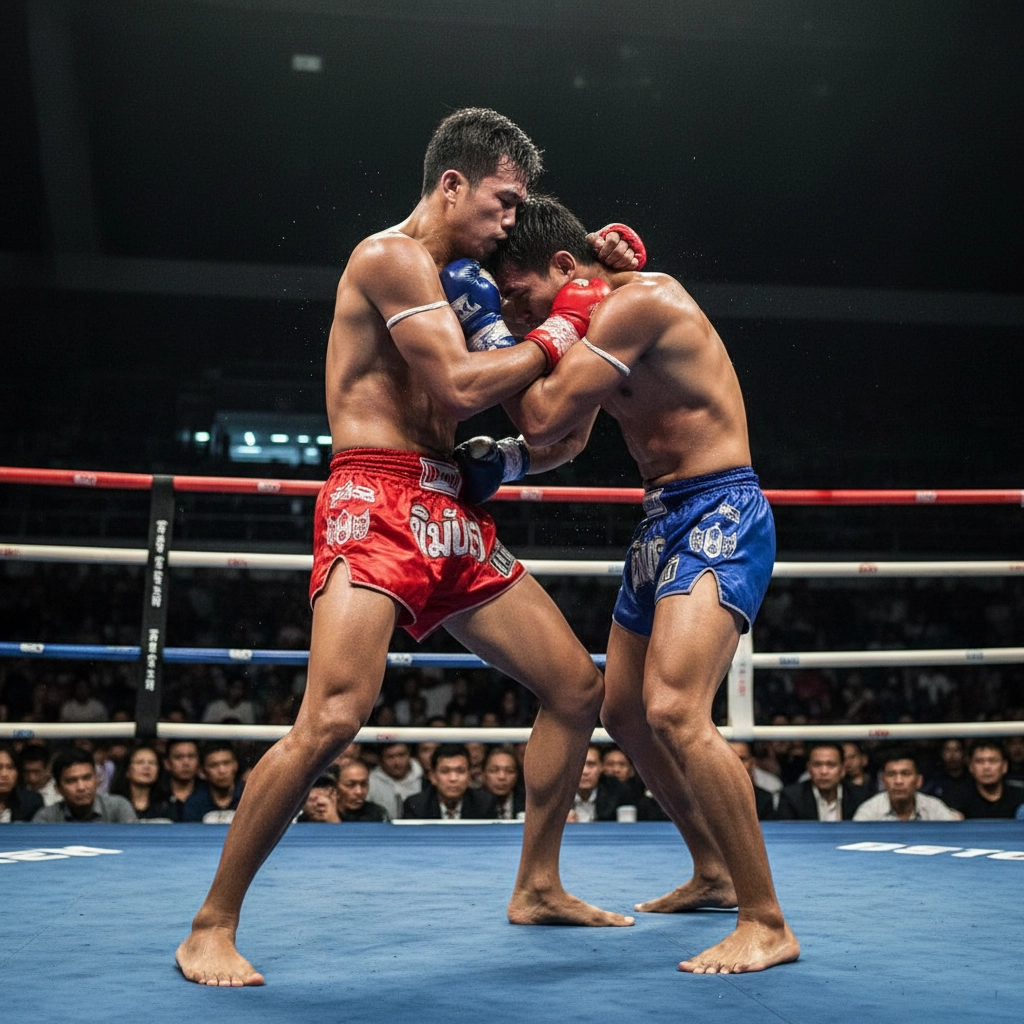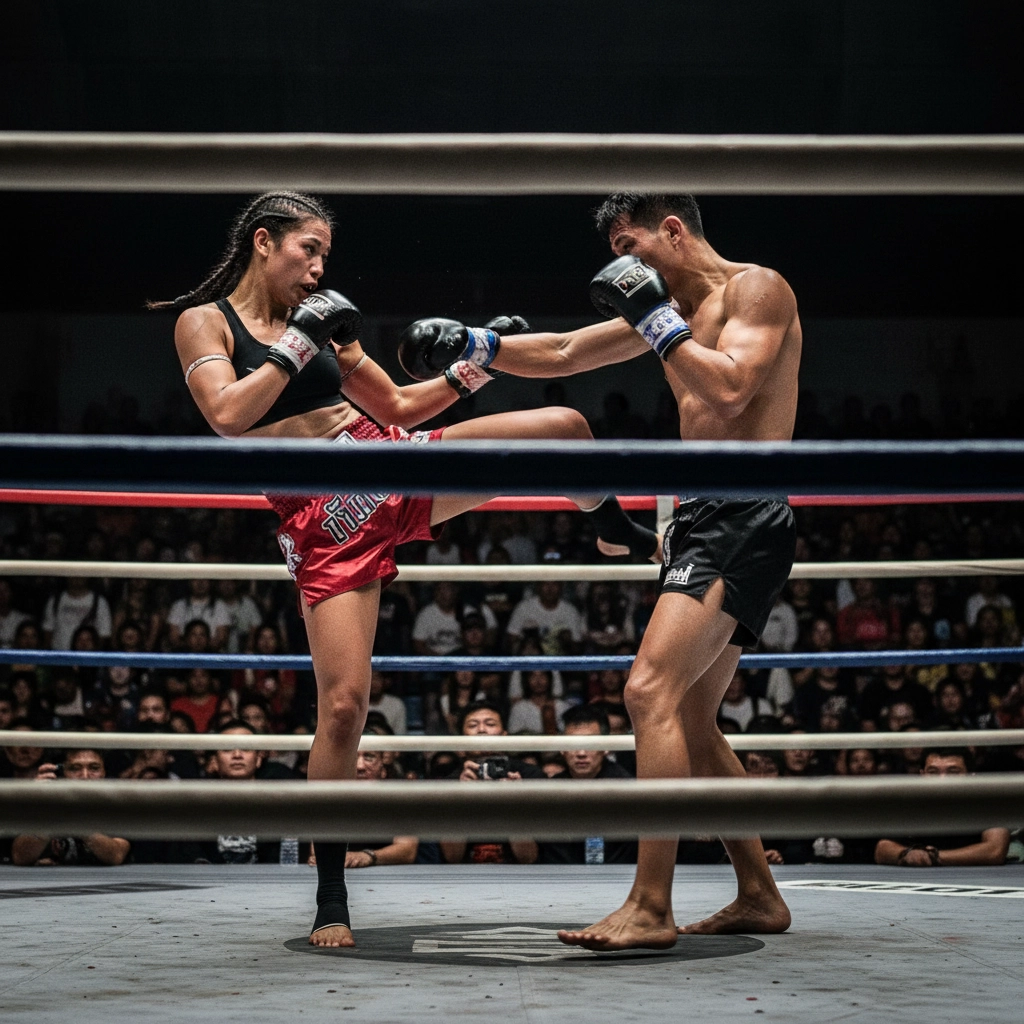
You can enhance your Muay Thai skills by understanding the mechanics behind a powerful kick. This striking technique relies on a combination of body alignment, core strength, and timing to create devastating impact. Through proper foot placement and rotation, you can maximize force while minimizing risk of injury. Moreover, harnessing kinetic energy effectively transforms your kicks into highly impactful strikes, making you a formidable opponent in the ring. Dive into the science of impact and elevate your striking game.
Types of Muay Thai Kicks
- Round Kick
- Teep Kick
- Axe Kick
- Front Kick
- Side Kick
After mastering different kicks, each offers unique advantages suited to various fighting scenarios.
| Kick Type | Description |
| Round Kick | A powerful strike delivered in a circular motion. |
| Teep Kick | A push kick used for distance management. |
| Axe Kick | A downward strike targeting the opponent’s head. |
| Front Kick | Direct kick aimed at the opponent’s midsection. |
| Side Kick | A sideways thrusting kick aimed at the body. |
Round Kick
The round kick is one of the most impactful techniques in Muay Thai, characterized by a swinging motion of the leg that strikes with the shin. Perfectly executed, it channels the fighter’s weight and power into the strike, making it ideal for targeting an opponent’s legs or torso. Precision, timing, and hip rotation are important for maximizing impact.
Teep Kick
Often called the push kick, the teep kick serves to create distance between fighters. By extending the leg straight forward, it can disrupt an opponent’s rhythm or fend off aggressive advances. The effectiveness of the teep lies in its ability to keep opponents at bay while setting up for further attacks.
Practiced frequently, the teep kick not only enhances offensive capabilities but also improves defensive maneuvers. Training focuses on speed and accuracy, ensuring that the kick can land unexpectedly, thus giving fighters a tactical advantage. This kick can neutralize attacks, counter aggression, and create openings for subsequent strikes.
Axe Kick
The axe kick is a dynamic strike that brings the heel down toward the target, often aimed at the opponent’s head. This kick requires significant flexibility and precision, as its success hinges on the element of surprise. When executed correctly, it can cause substantial damage due to its downward force.
Employing the axe kick in fighting can shift the momentum, especially when opponents least expect it. Fighters must focus on proper technique to avoid exposing themselves during execution. Mastering this kick opens opportunities to capitalize on openings or recover from defensive positions effectively.
Factors Influencing Kick Power
Multiple elements contribute to enhancing the power of a Muay Thai kick. Key factors include body mechanics, technique, and conditioning. Understanding how these variables interlink can significantly improve a fighter’s capabilities. The combination of strength, precision, and technique amplifies the impact of every strike.
- Body mechanics
- Technique
- Conditioning
The efficiency of body mechanics involves proper alignment and utilization of muscles and joints during a kick. A well-executed kick generates power from the ground up, activating the legs, hips, and core synergistically to maximize force. The stronger and more coordinated the body mechanics, the greater the impact delivered.
Technique and Form
Proper technique is important for translating physical strength into effective kicking power. This includes maintaining balance, generating torque, and correctly positioning the foot upon impact. A kick delivered with optimal form not only maximizes force but also reduces the risk of injury. The integration of body rotation and hip engagement is vital for achieving a powerful strike.
Mastering technique demands attention to every detail, such as foot positioning, hip rotation, and follow-through. For instance, practicing the Muay Thai roundhouse kick involves pivoting on the supporting foot while turning the hips. Elite fighters often go through drills that emphasize rhythm and timing, allowing them to learn the muscle memory necessary for precise execution.
Conditioning
Conditioning plays a pivotal role in maintaining performance during prolonged training and competition. Stronger muscles can deliver more power, while improved cardiovascular endurance allows for sustained kicking ability. Integrating strength training, plyometric exercises, and endurance workouts reinforces the muscles necessary for effective kicking.
Incorporating a structured conditioning regimen enhances a fighter’s overall strength and explosiveness. For instance, explosive leg workouts, such as box jumps and sprint drills, develop the fast-twitch muscle fibers vital for generating forceful kicks. Moreover, a strong core supports stability and balance, which are critical for successful technique execution under pressure.
Tips for Improving Kick Power
To maximize your kick power in Muay Thai, focus on key elements that enhance your technique and strength. Consider incorporating the following practices into your training routine:
- Strength training to build core and leg muscles
- Flexibility for a full range of motion
- Mobility exercises to improve joint function
- Consistent practice for muscle memory and coordination
Assume that consistent efforts in these areas will translate to greater impact in your kicks.
Strength Training
Investing time in strength training is imperative for developing the explosive power needed for effective kicks. Focus on compound exercises such as squats, deadlifts, and leg presses to bolster the muscles utilized in kicking. A strong lower body enhances your stability and contributes to a more powerful kick, generating higher momentum upon impact.
Flexibility and Mobility
Improving your flexibility and mobility not only aids in preventing injuries but also allows for a more effective kicking technique. Incorporate dynamic stretching and yoga into your routine to enhance your hip and leg mobility. Flexible muscles can stretch further, enabling higher kicks with more power and control.
Incorporating specific stretches targeting the hip flexors, hamstrings, and quadriceps will enhance your body mechanics during a kick. This increased range of motion contributes to greater speed and force behind your strikes, imperative for both training and sparring. Prioritizing flexibility will significantly impact your overall performance in Muay Thai.
Consistent Practice
Regularly practicing your kicks is fundamental to developing and refining the necessary muscle memory and technique. Dedicate multiple training sessions weekly solely to kicking drills, focusing on accuracy and power generation. The repetition will condition your body to execute kicks effortlessly and with more force over time.
Establishing a routine that emphasizes various kick styles, targeting different areas, will elevate your overall striking ability. Video analysis or feedback from trainers can also aid in tracking progress, helping you identify areas that need further improvement. Consistency is key to elevating your performance and efficiency in kick execution.
Step-by-Step Guide to Executing a Powerful Kick
| Step | Description |
| Setup and Stance | Establish a stable stance, with feet shoulder-width apart, positioning your non-kicking foot slightly forward for balance. |
| Executing the Kick | Rotate your hips while lifting your knee to generate momentum, driving your shin in a swift motion toward the target. |
| Follow-Through | Complete the kick by extending your leg fully, ensuring a controlled landing back into a fighting stance. |
Setup and Stance
Proper setup and stance are imperative; stand with your feet shoulder-width apart. Your weight should shift slightly onto your back foot while your non-kicking foot is angled forward. This stance allows for optimal balance and enables a quick pivot when delivering the kick.
Executing the Kick
To execute a powerful kick, initiate with your hips by pivoting on your non-kicking foot. Raise your kicking knee rapidly, and then extend your leg, making contact with your shin or foot while aiming directly at the target. Maintaining core stability throughout this movement is key to maximizing impact.
While executing the kick, visualize the trajectory towards your target. Engaging your entire body-from the legs to the core-transfers greater force into the kick. Focus on timing and precision for effective strikes, ensuring your hip rotation generates the necessary power while keeping your balance intact.
Follow-Through
A strong follow-through is imperative. After impact, extend your leg completely and allow it to return naturally to a fighting stance. This ensures that your momentum carries you forward and remains ready for further action, while also contributing to kick recovery and readiness for the next move.
Incorporating a solid follow-through means not just completing the kick but also maintaining control. The smooth return to your stance signals readiness for counterattacks or further strikes. A well-executed follow-through solidifies the effectiveness of your technique, combining power with tactical functionality.
Pros and Cons of Various Kicks
| Kick Type | Pros and Cons |
|---|---|
| Round Kick | Powerful striking ability & easy to land; vulnerable to counters. |
| Teep Kick | Effective for distance control & maintaining range; less power compared to other kicks. |
| Front Kick | Versatile & quick; less damaging than circular kicks. |
| Side Kick | Strong linear force & great for pushing opponents back; requires good timing. |
| Low Kick | Targets leg for mobility reduction; slower recovery time post-kick. |
| Jumping Kick | Surprise element & high damage potential; higher risk of missing. |
| Spinning Back Kick | High surprise impact & knockout potential; difficult to execute accurately. |
| Hook Kick | Great for surprise angles & difficult to see coming; requires high skill level. |
| Roundhouse Kick | Powerful & versatile; requires significant body rotation. |
| Leg Kick | Targets opponent’s balance; risk of counter-attacks. |
Advantages of the Round Kick
The round kick stands out for its impressive power and versatility. When executed correctly, it delivers devastating impact through the shin or foot, maximizing damage against opponents. This kick can target various areas of the body, including the head, body, and legs, making it an adaptable weapon in a fighter’s arsenal. Its broad target range allows practitioners to confound their opponents, creating openings for further attacks.
Disadvantages of the Teep Kick
While the teep kick excels in controlling distance, it lacks the knockout power of kicks like the roundhouse. Primarily a defensive move, the teep is used to keep opponents at bay rather than deliver significant damage. This can leave a fighter exposed if it becomes predictable, as opponents may capitalize on any momentary lapse in guard or timing.
The teep kick’s primary function is as a defensive tool, which can occasionally render it less effective offensively. Its linear attack path often means it can be easily telegraphed if not mixed with other techniques. Moreover, the teep’s shorter range might limit its effectiveness against aggressive opponents, allowing them to close the distance and deliver counterattacks. Balancing the use of the teep with more powerful strikes is vital for maintaining offensive pressure in a fight.
Common Mistakes to Avoid
To maximize the effectiveness of your Muay Thai kicks, it’s crucial to steer clear of common pitfalls that can diminish their power and increase the risk of injury. By refining technique, ensuring proper warm-up, and prioritizing recovery, practitioners can significantly enhance their kicking performance and overall training experience.
Poor Technique
Poor technique often leads to ineffective kicks and unnecessary injuries. Misalignment of the body during execution can weaken the strike, causing both compromised power and the potential for strains. Practitioners should focus on correct positioning, balance, and follow-through to ensure each kick is delivered with precision and strength.
Inadequate Warm-Up
Rushing into kicks without a proper warm-up can result in muscle strain and decreased performance. A systematic warm-up increases blood flow to the muscles, enhancing flexibility and readiness for explosive movements, which are vital in Muay Thai.
A comprehensive warm-up should include dynamic stretching and light cardiovascular activities. Gradually raising the heart rate and loosening the muscles not only prepares the body for high-impact kicks but can also significantly reduce the risk of injuries. Spending at least 10-15 minutes on warm-up routines sets a strong foundation for effective training sessions.
Neglecting Recovery
Recovery is often overlooked yet it plays a key role in sustaining performance levels and preventing injuries. Neglecting recovery can lead to fatigue and diminished effectiveness in subsequent training sessions.
Implementing structured recovery strategies, such as rest days, hydration, and proper nutrition, is crucial. Active recovery methods like light stretching or low-intensity cardio can promote blood flow and accelerate healing. Incorporating these practices not only aids muscle recovery but also enhances overall kicking power over time, ensuring practitioners can deliver strong and effective strikes consistently.
Summing up
Upon reflecting on the mechanics behind a powerful Muay Thai kick, it is clear that technique, body alignment, and conditioning play significant roles in generating impact. Proper hip rotation, foot positioning, and follow-through are important for maximizing the transfer of energy from the body to the target. Additionally, strength and flexibility training enhance muscle performance and prevent injuries, allowing practitioners to execute their kicks with precision and power. Understanding these elements is vital for anyone looking to elevate their Muay Thai skills and achieve effective striking ability in the sport.
FAQ
Q: What is the biomechanics involved in a powerful Muay Thai kick?
A: A powerful Muay Thai kick involves several biomechanical factors, including proper stance, hip rotation, and weight transfer. The kick starts from the ground up, with the foot planting firmly to generate force. The hips rotate forcefully while the kicking leg extends, engaging the quadriceps and hip flexors, and the follow-through adds to the impact. This coordination maximizes the kinetic energy transferred to the target.
Q: How does the angle of the kick affect its power and effectiveness?
A: The angle at which a kick is delivered significantly influences its power and effectiveness. A higher angle, such as the roundhouse kick, targets the opponent’s head or upper body, utilizing the rotational movement of the hips to generate force. Lower angles, like the teep or front kick, can disrupt balance and create distance. Understanding angle dynamics allows a fighter to choose the most effective approach based on the situation.
Q: What role does conditioning play in executing a powerful Muay Thai kick?
A: Conditioning is vital for executing a powerful Muay Thai kick. Building strength in the legs, core, and hips enhances overall kick power. Plyometric exercises and resistance training improve muscle explosiveness, while regular practice sharpens technique. Additionally, flexibility training allows for a full range of motion, ensuring kicks are not only powerful but also fluid and accurate during a fight.
Recommended Posts