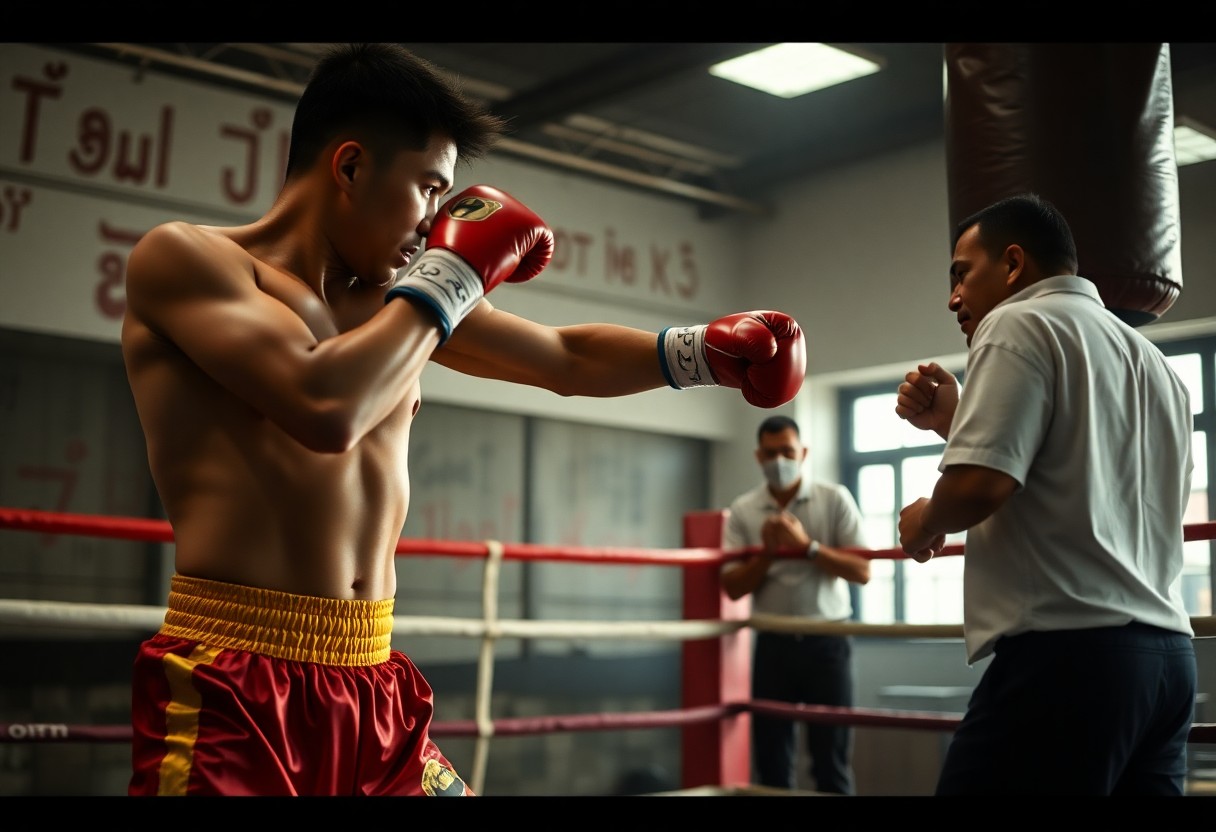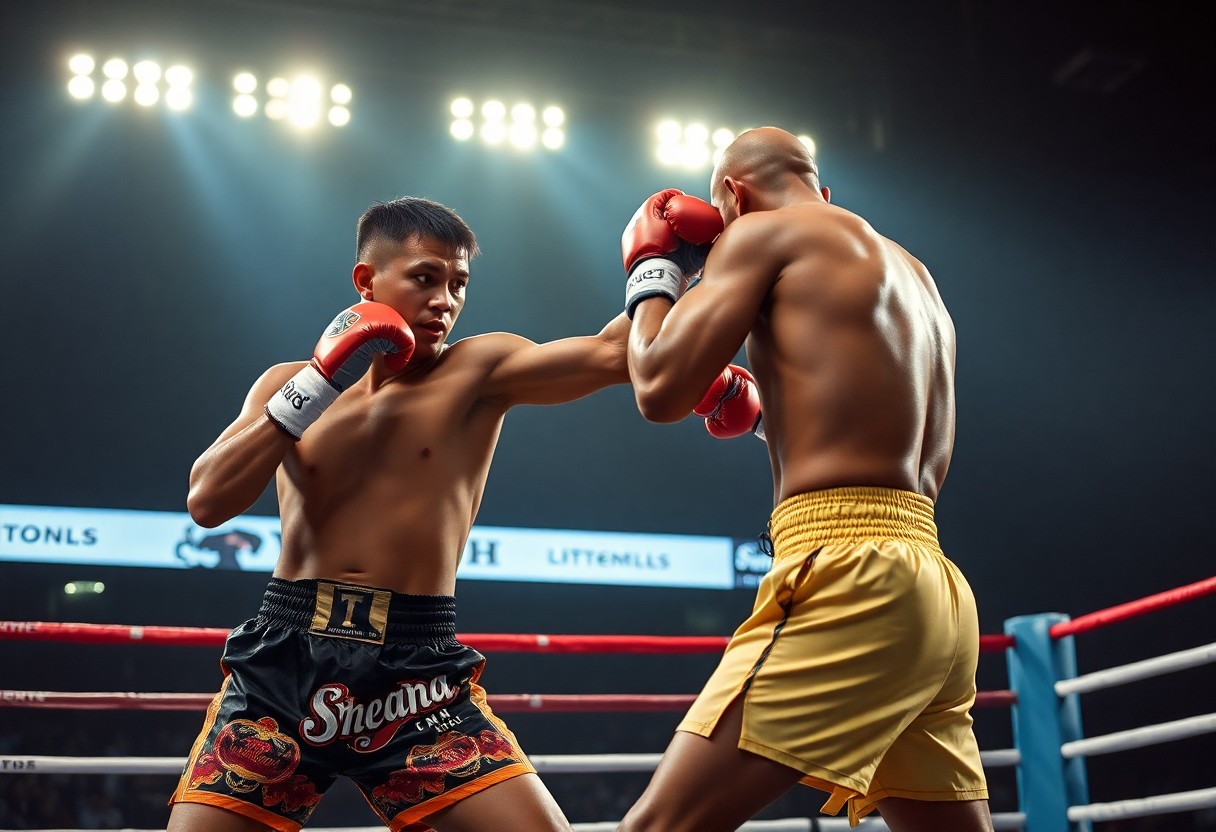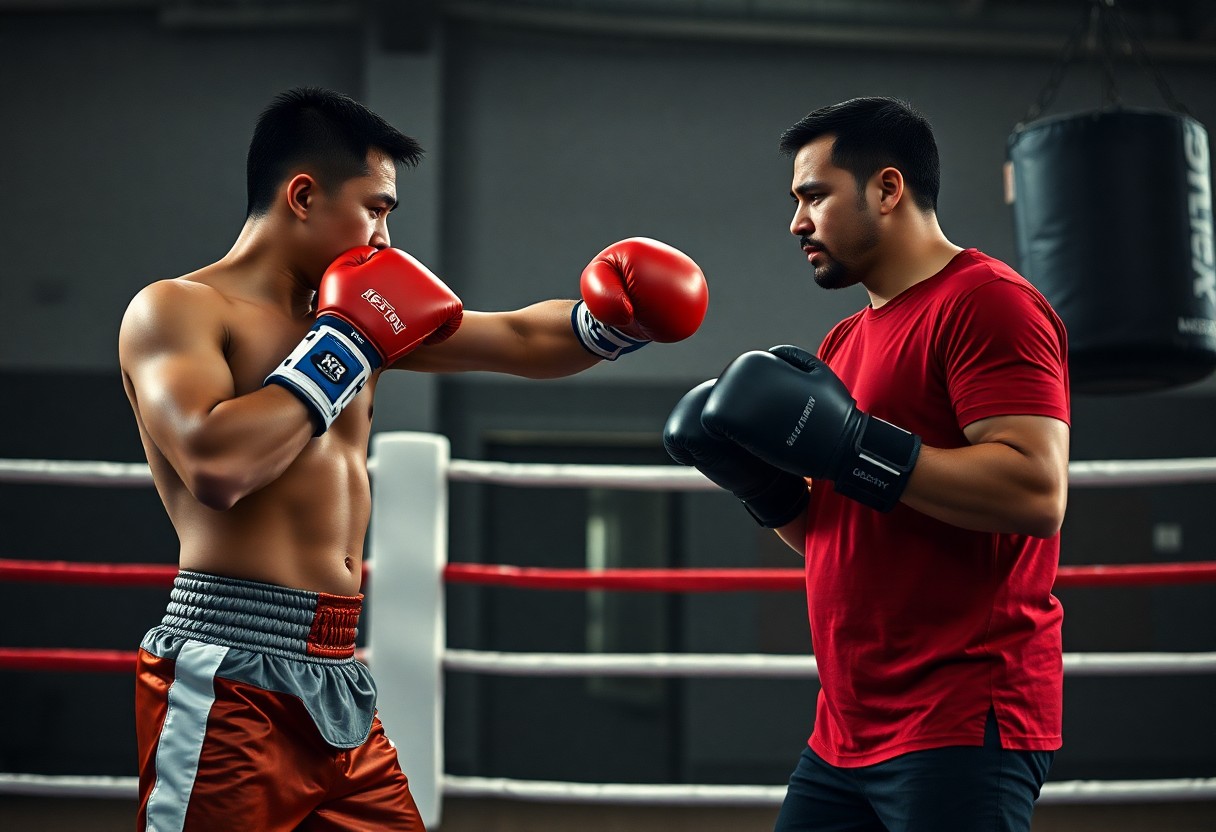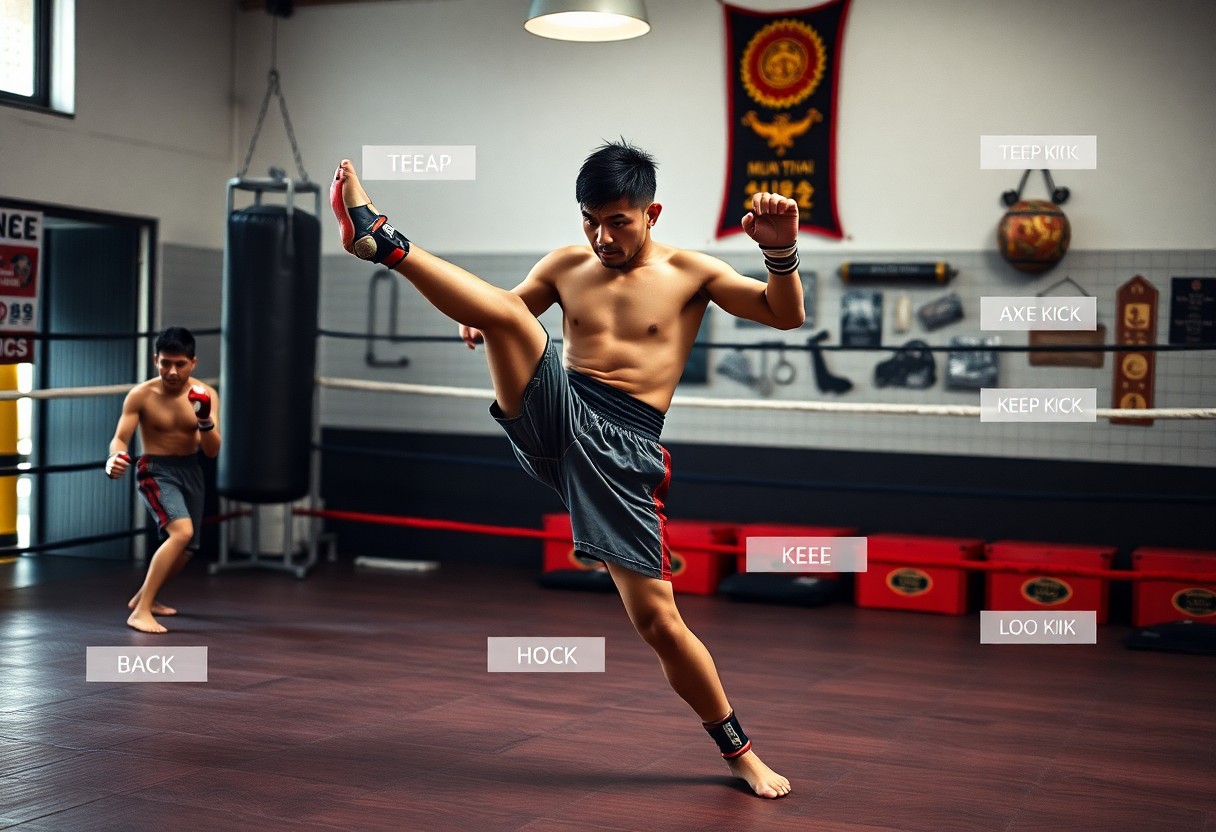
This guide examines into the mechanics of Muay Thai kicks, covering the fundamental techniques from the roundhouse to the teep. Understanding the precise footwork, body alignment, and hip rotation is important for executing these powerful strikes effectively and safely. Each kick serves a unique purpose, contributing to offensive and defensive strategies in the ring. By mastering these kicks, practitioners can enhance their performance while minimizing the chance of injury.
Types of Muay Thai Kicks
- Roundhouse Kicks
- Teep Kicks
- Front Kicks
- Side Kicks
- Back Kicks
Recognizing different types of kicks enhances both offensive and defensive strategies in Muay Thai, allowing practitioners to employ the most effective techniques according to their fighting style.
| Kick Type | Description |
| Roundhouse Kicks | Powerful strikes delivered from the side, targeting the opponent’s head or body. |
| Teep Kicks | A defensive kick that creates distance and disrupts the opponent’s rhythm. |
| Front Kicks | Straight punches delivered with the heel, primarily aimed at the abdomen. |
| Side Kicks | Strikes aimed at the opponent’s torso, delivered with a sideways motion. |
| Back Kicks | Executed by pivoting and delivering a powerful heel strike to the opponent. |
Roundhouse Kicks
One of the most formidable strikes in Muay Thai, the roundhouse kick involves pivoting on the supporting foot while swinging the kicking leg horizontally. This technique targets various areas, including the head and ribs, maximizing impact by utilizing body rotation. A well-executed roundhouse can easily incapacitate an opponent, making it a favorite among fighters for both offensive and defensive maneuvers.
Teep Kicks
The teep kick, often referred to as the “push kick,” serves multiple purposes, such as maintaining distance and setting up combinations. It primarily targets the opponent’s midsection by pushing them away, disrupting their flow. Additionally, the teep can create openings, allowing for follow-up strikes or defensive escapes. Mastering this kick is crucial for effective ring control and strategy.
Executing the teep kick involves using the ball of the foot to push against the opponent while keeping a strong stance. When done correctly, this kick can not only generate force but also keep the fighter secure and balanced. It’s often utilized to gauge distance or prevent an opponent from closing in, making it a vital tool in both offensive and defensive contexts throughout a match.
Step-by-Step Mechanics of Kicks
| Kick Type | Key Mechanics |
|---|---|
| Roundhouse Kick | Chamber the kicking leg, pivot on the support foot, extend the knee, then deliver the kick with the shin. |
| Teep Kick | Raise the knee, extend the leg forward, and make contact with the ball of the foot. |
Roundhouse Kick Technique
The roundhouse kick requires proper chambering of the leg to build momentum. Start by lifting your knee to your chest while pivoting on your support foot. As you unwind, fully extend your leg and strike using your shin or instep. Precision and timing are vital, ensuring that your hit lands on the target while maintaining balance.
Teep Kick Technique
Executing a teep kick involves raising your knee and quickly extending your leg forward. The impact occurs with the ball of your foot, allowing you to maintain distance or disrupt your opponent’s balance. Keeping your guard up during this technique is important for defense.
Detailed Insights on Teep Kick Technique
The teep kick functions as both an offensive and defensive tool, useful for controlling distance. In practice, the teep can off-balance opponents or create openings for follow-up strikes. Effective execution revolves around timing; practicing against pads helps develop accuracy and power. This kick can also serve as a strong counter to incoming attacks, providing an opportunity to create distance and reposition effectively.
Factors Affecting Kick Performance
Numerous variables can influence the effectiveness of a Muay Thai kick, from the fighter’s physical attributes to their technical understanding. Key factors include:
- Stance
- Balance
- Timing
- Distance
This interplay determines not only the power and precision of the kick but also the overall strategy in a match.
Stance and Balance
A solid stance is imperative for executing effective kicks. Proper balance allows the fighter to maintain stability while delivering strikes, ensuring maximum power and control. An effective stance should enable quick transitions between offense and defense, adapting to the opponent’s movements.
Timing and Distance
The ability to gauge the proper timing and distance is vital for successful kick execution. Kickers must strike at the right moment, catching their opponent off guard while maintaining the ideal range to avoid counterattacks. Understanding the rhythm and flow of a fight can significantly enhance kicking performance.
To master timing, fighters often practice against a moving target, honing their ability to predict when to initiate a kick based on their opponent’s actions. Distance awareness also entails knowing when to close in or retreat; for instance, a fighter has to be close enough to land a roundhouse but far enough away to evade a response. Practicing with a partner or coach can dramatically improve these skills, leading to more effective strikes. This insight sets the foundation for developing a strong offensive and defensive strategy in combat.
Tips for Improving Kicks
To enhance your Muay Thai kicks, focus on incorporating strength, flexibility, and precision into your training regime. Consistently practice with a focus on form, ensuring your hip rotation and footwork are dynamic and fluid. Stay relaxed yet controlled, as tension can hinder your kicking ability. Regular shadowboxing or bag work helps develop timing and accuracy. After making adjustments to your technique, you should feel a significant improvement in your overall kick performance.
Training Drills
Incorporating specific training drills can drastically enhance your kicking skills. Begin with basic shadow kicks to practice form and balance, gradually introducing resistance with a heavy bag. Partner drills, like kicking pads while practicing distance management, will further sharpen your accuracy. Additionally, plyometric exercises will improve explosive power, imperative for effective kicks. Consistency in these drills ensures muscle memory develops, which is vital in a fight situation.
Common Mistakes to Avoid
Avoiding common mistakes is imperative for maintaining effective kick technique. Many practitioners overlook the importance of proper hip alignment, resulting in weaker kicks. Additionally, failing to pivot on the support foot can compromise balance and power. Inadequate follow-through can lead to injuries and loss of effectiveness. Focus on correcting these areas to ensure kicks are executed with optimal technique.
Common errors in kicking technique often stem from a lack of body awareness. If you neglect to align your hips correctly, the force generated during the kick diminishes, reducing its impact. Improper foot positioning leads to balance issues, affecting both the execution and recovery phases. Ensuring that your knees are correctly chambered allows for better power transfer. Regular feedback from a coach can help in identifying these mistakes and refining your approach. Always concentrate on your form, as repetitive poor technique can lead to long-term setbacks.
Pros and Cons of Each Kick
| Kick Type | Pros and Cons |
|---|---|
| Roundhouse Kick | High damage potential; versatile targeting (head, body); effective against opponents with aggressive footwork. |
| Requires good timing; can leave you open to counters if missed. | |
| Teep Kick | Develops distance control; disrupts opponent’s rhythm; excellent for defensive strategies. |
| Lower damage output; requires precision to be effective; less effective against low-risk opponents. |
Advantages of Roundhouse Kicks
The roundhouse kick delivers significant impact due to its rotational momentum, allowing fighters to target vital areas such as the head and ribs. This kick’s power can often stun opponents, making it a primary choice in aggressive exchanges.
Advantages of Teep Kicks
The teep kick is fundamental for maintaining distance, effectively pushing back incoming opponents. It operates as both an offensive and defensive maneuver, granting fighters the ability to control engagements and create openings for follow-up strikes.
By utilizing the teep kick strategically, practitioners can inflict discomfort and disrupt an opponent’s rhythm. It’s especially effective in the clinch or when facing aggressive opponents, providing a quick way to reset the action while preserving energy for future strikes. This adaptability makes the teep a valuable component of a Muay Thai arsenal.
Conclusion
Taking this into account, mastering the mechanics of Muay Thai kicks such as the roundhouse and teep is necessary for effective striking and overall performance. Understanding the differences in technique, body positioning, and purpose allows practitioners to enhance their skill set. By focusing on these elements, fighters can improve their striking efficiency and adaptability in the ring. Regular practice and analysis will contribute significantly to one’s development in this dynamic martial art, ultimately leading to greater confidence and success during competition.
FAQ
Q: What is the fundamental difference between a roundhouse kick and a teep kick in Muay Thai?
A: The roundhouse kick is characterized by its circular motion, targeting the opponent’s head, body, or legs with a swinging motion generated from the hip. In contrast, the teep kick, or push kick, is a linear strike aimed primarily to maintain distance or push an opponent back, utilizing the foot to jab at the midsection or face in a straight line.
Q: How can I improve my roundhouse kick technique?
A: To enhance your roundhouse kick, focus on proper stance and hip rotation. Begin in a balanced position, pivot on your supporting foot while turning your hip and shoulder towards the target. Practice using your shin as the striking surface and ensure you follow through the kick. Regular drills, shadow kicking, and feedback from a coach can also accelerate your progress.
Q: What drills can help integrate both roundhouse and teep kicks into my training?
A: Incorporate a combination drill that includes alternating between roundhouse kicks and teep kicks while moving in different directions. For example, practice executing a roundhouse kick followed immediately by a teep against a heavy bag or focus pads. Partner drills, where one person uses teep kicks and the other engages with roundhouse kicks, can also enhance timing and distance management.
Recommended Posts