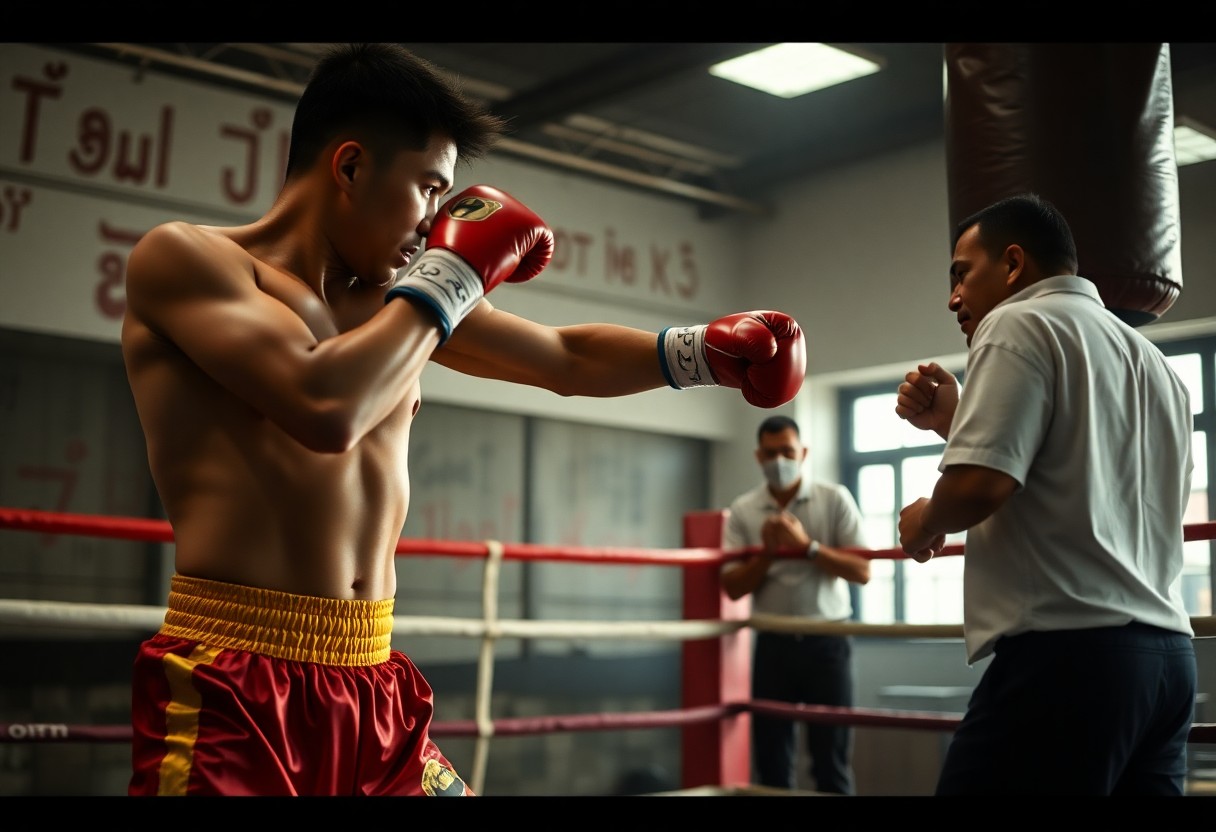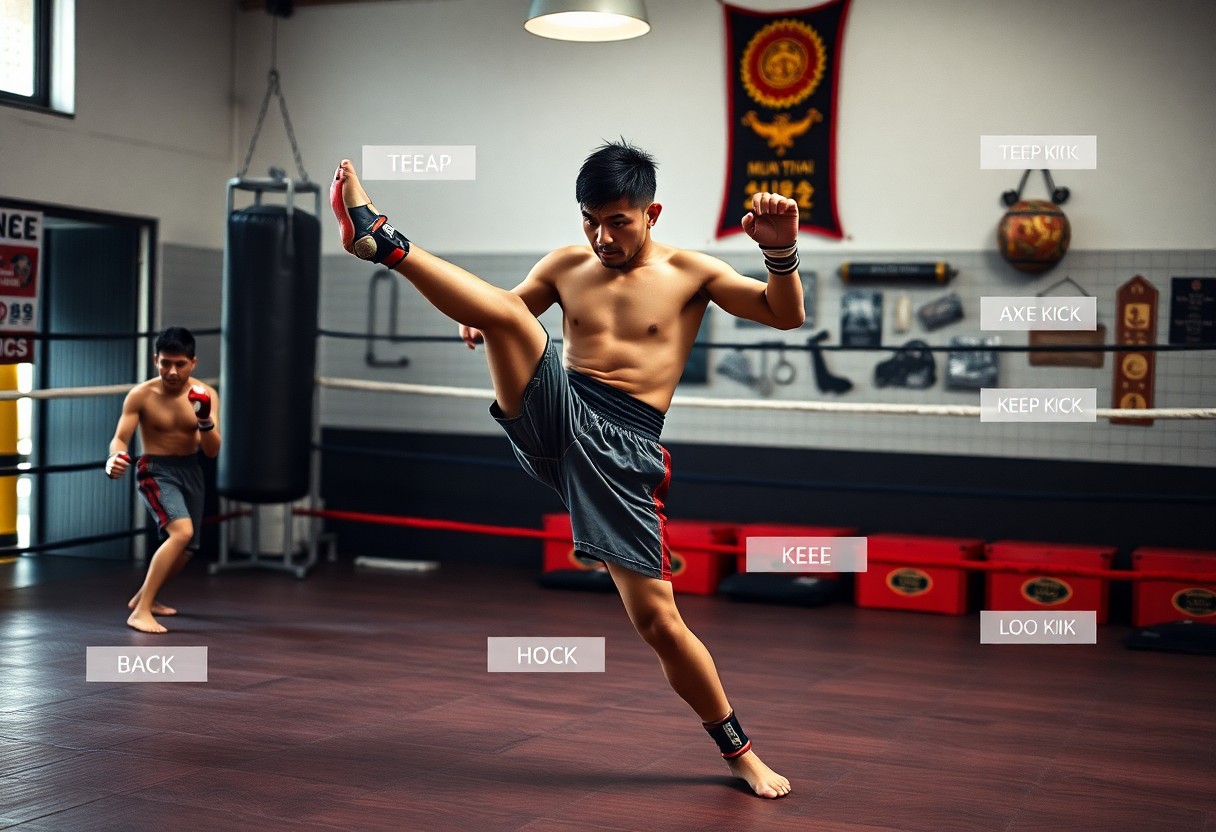
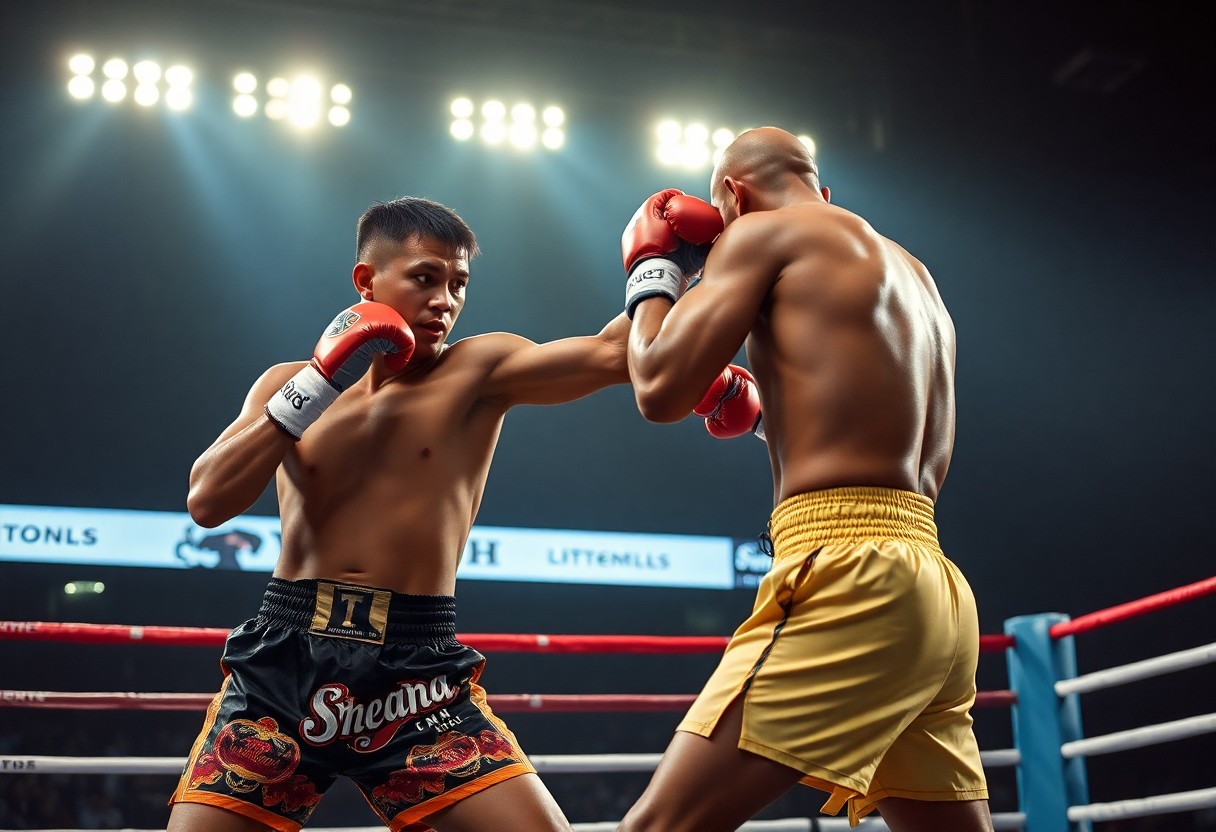
Attack with intent: this guide breaks down high-impact sequences to refine timing, range and pressure, teaching powerful finishing strikes, swift counters, and the deadly knees and elbows that win rounds. You’ll learn setup drills, defensive transitions and pacing to build ring control and sustained offense. Designed for coaches and fighters seeking measurable improvements, the combos emphasize technique, rhythm and fight-ready application.
Types of Muay Thai Combos
Ranges split combos into distinct purposes: long-range striking for control, mid-range for power, and close-range for finishes. Mix of punches, kicks, knees and elbows creates predictable patterns if static, so vary tempo and angle with feints, footwork and clinch entries. Use 2-5 strike sequences for setups and 4-6 strikes to finish. The most effective combos blend at least three ranges to force reaction and open targets.
- Jab
- Teep
- Low kick
- Elbow
- Clinch knee
Combo Types Table
| Long-range | Jab + teep – control distance, score points |
| Mid-range | Cross + hook + low kick – disrupt balance, sap legs |
| Close-range | Hook + elbow + clinch knee – cut, finish |
| Counter combos | Slip + cross + low kick – punish aggression |
| Clinch sequences | Frame + pummel + knees – dominate inside |
Basic Combos
Short, efficient sequences of 2-3 strikes work best: examples include jab-cross-low kick, teep-cross, or hook-low kick. Drill combos for accuracy (5-10 reps each), then add movement to avoid becoming predictable. Emphasize timing and target switching-lead to body to open head, or vice versa-so combos score and create openings for follow-ups.
Advanced Combos
Longer chains of 4-6 strikes combine feints, angle changes and clinch entries: think jab-feint-cross-hook-elbow-clinch knee. Top fighters string these to create damage and control rounds; incorporate rhythm breaks and false timers to hide the finishing strike. Train at fight pace for rounds of 3 minutes with specific targets.
- Jab – feint – cross – low kick – step inside – elbow
- Teep to body – cross – hook – clinch – double knees
- Slip left – cross – right hook – switch low kick – follow with knees
- Feint jab – rear leg roundhouse – lead hook – spin elbow finish
Advanced Combo Breakdown
| Combo | Purpose / Detail |
| Jab-feint-cross-elbow | Create openings with feint, finish with elbow at close range |
| Teep-cross-clinch-knees | Disrupt balance, close distance, accumulate damage with knees |
| Slip-cross-hook-low kick | Counter-heavy, targets leg to reduce opponent mobility |
| Switch kick-hook-elbow | Angle change to expose temple and cut with elbow |
Further development focuses on timing, setup variety and conditioning: practice combos under fatigue, use pads for power targets, and spar specific sequences for 3-5 rounds to simulate pressure. Study fighters like Saenchai for angle use and Buakaw for leg-kick rhythm to model pattern breaking and finishing selection.
- Pad rounds: 3 min combos at 80% power, 1 min rest, 5 rounds
- Partner drill: fixed entry – defender reacts, attacker repeats 10 times each side
- Spar sets: limit to clinch entries only for 2 rounds to sharpen inside work
Advanced Drills
| Drill | Reps / Time |
| Pad combo rounds | 5 rounds × 3 min |
| Reactive partner drills | 10 reps per sequence |
| Clinch-only sparring | 2 rounds × 3 min |
| Angle-change footwork | 3 sets × 1 min each |
Tips for Effective Execution
Dial in stance, guard and a 60/40 lead-to-rear weight bias to enable quick kicks and powerful rear strikes; drill combos in 3-5 minute rounds with 30-60 second rests to simulate fatigue and reinforce breathing, hip rotation, and snap. Use pad work for precision and controlled sparring to test range under pressure. This builds resilient muscle memory, sharp timing, and explosive execution that wins rounds.
- Shadowbox 3×3-minute rounds focusing on footwork and visualizing counters.
- Do 5-8 pad sets alternating speed and power to refine Muay Thai combos and execution.
- Run 2-4 light sparring rounds to probe distance and test feints against live opponents.
- Clinch drills in 3-minute intervals to develop close-range control and knee timing.
Timing and Distance
Sync footwork, hip rotation and breath-human reaction averages ~200 ms, so use feints to create 150-300 ms windows for strikes; close with a 20-40 cm step-in rather than lunging to maintain balance. Measure ranges: jab/teep space for 1.5-3 m, mid-range for kicks and crosses at ~1-1.5 m, clinch within 0.5-1 m. Train 3-minute entry/exit drills to make spatial judgment automatic.
Mental Preparation
Prioritize concise mental preparation: visualize 6-8 combo sequences for 5-10 minutes pre-session, rehearse a 4‑second inhale/4‑second exhale breathing pattern and set a one-word cue like target to reset focus between rounds; simulate crowd noise during sparring to lower arousal peaks and improve decision-making under stress.
Develop a repeatable pre-fight routine: 10 minutes of focused visualization (sequence, counters, outcomes), two minutes of diaphragmatic breathing, then progressive shadowboxing to 60-80% intensity. Use process goals-land X combos per round or achieve Y successful counters-to measure performance, and include high-intensity, short-duration sparring (2-3 rounds) once weekly to inoculate against stress. Integrate a single anchor cue and a 3-breath reset to regain composure mid-fight while maintaining tactical clarity.
Step-by-Step Breakdown of Key Combos
| Combo | Steps / Tips |
|---|---|
| Jab-Cross-Hook | 1) Snap a quick jab to the opponent’s guard to measure distance and set rhythm. 2) Drive the cross with hip rotation and a short step for power, aiming at the chin. 3) Pivot the lead foot and loop a compact hook to the temple or jaw while shifting weight 60/40; finish by angling off-line to avoid counters. |
| Teep-Knee | 1) Deliver a probing teep (push kick) to disrupt balance and create a 0.5-1s opening. 2) Step forward immediately, close distance and drive a hip-powered knee to the ribs or body; clinch briefly if the opponent sprawls. 3) Use the teep at 50-70% force to set up a >80% power knee strike. |
Jab-Cross-Hook
Use the jab to control range and timing; a snappy jab forces a defensive reaction in under 0.2s. Follow with a loaded cross-rotate hips and push off the rear foot to add torque, aiming for a 30-40% power increase over a simple straight. Finish with a compact hook to the temple, pivoting the lead foot 90 degrees and keeping the elbow tight; that final hook often converts openings created by the cross into a knockout opportunity.
Teep-Knee
Start with a firm teep to the hips or solar plexus to push the opponent off balance and create a 0.5-1s window; place it at 50-70% intensity so you can transition quickly. Close the gap immediately, plant the lead foot, drive the hips, and deliver a sharp knee to the ribs or sternum-aim for direct contact and follow through with the hips to maximize impact.
Train the sequence with partner drills: five sets of 10 teep-to-knee transitions at full speed, alternating body and high knee targets. Emphasize shifting weight back 60-70% during the teep so you can explode forward; this weight transfer creates the most efficient path for the knee. In live rounds, the combo is effective against fighters who retreat under pressure-use the teep to stop their exit and the knee to punish the reset or clinch attempt.
Factors to Consider When Practicing Combos
Fine-tune combos by cycling variables: adjust timing to punish reactions, change range with feints and teeps, and sequence strikes to create openings (for example, jab-low kick-cross). Train sets of 5-10 reps for 3-5 sets, run combos inside 3-minute rounds with 1-minute rest to mimic fight pacing, and protect joints through proper alignment and recovery. Any drill must be scaled to skill level and progressed slowly to avoid injury.
- Muay Thai combos
- Timing
- Range
- Balance
- Conditioning
- Sparring
Conditioning and Stamina
Prioritize sport-specific conditioning: include HIIT work (30s on/15s off, 6-8 rounds), 10-15 minutes jump rope, and 3-5 weekly sessions mixing aerobic roadwork with anaerobic drills to raise lactate tolerance. Simulate fight rhythm by doing 3-5 minute bag/pad rounds, replicate 1-2 minute high-intensity bursts for combo output, and track resting HR recovery as a metric of stamina gains.
Sparring and Application
Use staged sparring to transfer combos from drills to live contexts: start at 50-60% intensity for technique, progress to 70-80% for timing under pressure, and run 3-5 rounds of situational sparring (e.g., clinch exits, counter-attacks). Emphasize controlled sparring and distance management to protect both partners while testing setups.
Example drill: three-round session where Round 1 is pad work at 70% for 3 minutes focusing on specific sequences, Round 2 is positional sparring (start from clinch or jab-only scenarios) for 3 minutes, Round 3 is free with a limit of 2-3 combo attempts per exchange; record video, review for a target of 70% clean connections, and repeat twice weekly to measure adaptation.
Pros and Cons of Various Combos
Pros and Cons Overview
| Pros | Cons |
|---|---|
| 1-2 (jab-cross) – high speed, controls tempo, ideal for setups and distance management; often used to establish range. | Can be telegraphed by experienced opponents; limited finishing power without follow-up. |
| 1-2-3 (jab-cross-hook) – adds lateral attack, creates angles; common in 3-strike sequences that score points. | Leaves the lead side open after the hook; risk of counters from the opponent’s rear hand. |
| 1-2 + low kick – mixes punches and kicks to break stance; low kicks reduce mobility over rounds. | Timing-dependent; missed kicks can expose you to takedown or clinch entries. |
| Jab + teep – excellent for distance control and scoring; teep interrupts forward pressure. | Teep pushed off can be caught or smeared, and repeatedly used teeps reduce power options. |
| Clinch + knees – high damage at close range; knees to the body and head score and sap opponent’s gas tank. | Requires clinch control and energy; opponents with strong pummeling can reverse position. |
| Elbow follow-up – high stoppage potential and cuts; effective inside the pocket. | Must be close and controlled; fouls and angle mistakes risk exposing chin and position. |
| Switch/kick combos – create power and confuse timing; useful against orthodox/southpaw switches. | Complex footwork increases error rate; can lead to off-balance counters if mistimed. |
| Spinning techniques – high-reward (KO potential) when executed cleanly; surprise element. | Highest risk: long recovery and large openings if missed or blocked. |
High-Risk vs. Low-Risk Combos
High-risk combos like spinning elbows or flying knees offer high stoppage potential but leave long recovery windows and large counters; they work best when set up by 2-3 fast strikes to shift balance. Low-risk sequences-jab, teep, 1-2-prioritize control and scoring, allowing you to manage distance and pace across rounds while maintaining a guarded posture and conserving energy.
Offensive vs. Defensive Focus
Offensive combos (e.g., 1-2-3 + roundhouse) aim to overwhelm with volume and power, often using 3-6 strike flurries to open the guard; they shine when the opponent is pressured into retreat. Defensive combos (jab-slip-cross, teep counter) prioritize evasion and counters, minimizing hits taken while scoring opportunistically and extending fight longevity.
More specifically, offensive strategies raise corner interventions and higher activity rates-good for judges and creating damage-while defensive-focused sequences improve fight IQ and reduce cumulative damage. For example, switching from an aggressive 4-strike flurry to a countering 1-2 + slip increased control in sparring sessions by reducing returned strikes; apply situational switching mid-round to exploit tired opponents or protect a lead.
Common Mistakes to Avoid
Technical Errors
Telegraphing punches, dropping the rear hand after a cross, and failing to rotate the hips to the recommended ~45° on roundhouses are frequent faults; beginners in their first 3-6 months lose distance and power because of them. Footwork errors – staying flat-footed or crossing feet – make counters easier to land, while improper clinch posture (head and weight too high) hands control to the opponent. Fixing elbow angles, chambering kicks and keeping a tight guard reduces openings dramatically.
Overcommitting
Leaning too far into strikes or throwing power with >50% of your weight exposes the chin and hips, making you vulnerable to sweeps and counter hooks; many knockouts occur when fighters overextend on a single committed strike. Maintaining a neutral base and the ability to retract within 0.5-1 second keeps you balanced and less likely to be caught by counters that exploit that forward momentum.
To correct overcommitting, drill controlled combinations at 50-70% intensity, use partner pad work where you must return to guard before the next pad appears, and practice the stop-start recovery: throw a One-Two, reset within 0.5s, then repeat for 3-5 rounds. Video your sparring-if you see your head travel forward more than a fist-length on strikes, scale back power and emphasize hip snap and short-range punches to retain defensibility.
Summing up
Ultimately, mastering the top Muay Thai combos refines timing, power, and defensive awareness so you control exchanges and dictate pace in the ring; drilling varied sequences, pairing strikes with angles and counters, and integrating conditioning and situational sparring converts technique into fight-ready instincts for consistent, decisive results.
FAQ
Q: What are the most effective Muay Thai combos to develop a balanced offensive game?
A: Build combos that mix punches, kicks, knees and teeps to create variety and exploit openings. Examples: – Jab, cross, lead hook, low kick – uses punches to open the guard then attacks the lead leg to limit movement. – Teep, jab, cross, rear roundhouse to the body – creates distance control then targets the midsection for damage and rhythm disruption. – Low kick, cross, switch kick to the head – low kick draws the guard down, the cross fixes the opponent, switch kick targets the head. – Jab, cross, clinch entry, knees (3-5) – punch set-up to close space and transition to clinch knees for inside control. Practice each combo in three phases: slow technique drilling, mitt/pad rounds at medium speed, and full-speed sparring application. Focus on weight transfer, hip rotation on kicks, and maintaining guard between strikes.
Q: How should I train these combos to increase speed, power and timing?
A: Use progressive, specific drills: shadowbox combos for movement and footwork (3-5 minutes rounds), heavy bag for power and hip rotation (6-8 reps per combo), pads with a coach for timing and accuracy (4-6 sets with varied targets), and partner sparring to test entry and counters (controlled rounds). Add plyometrics and resistance training for explosive power (medicine ball throws, plyo push-ups), and do interval conditioning for ring endurance (HIIT rounds). Drill slow to fast: start at 50% speed focusing on mechanics, 75% for intent, then 100% with pauses to correct errors. Track reps and increase intensity or complexity every 1-2 weeks.
Q: How do I integrate combos into ring strategy while maintaining defense and energy management?
A: Use combos as tools within a game plan: open rounds with long-range combos (teep, jab, cross) to gauge distance and tire the opponent, then shift to close-range combinations (hooks, low kicks, clinch knees) when the opponent’s guard drops. Always return to a defensive posture after each combo-chin down, hands high, rear elbow protecting the body. Mix feints and single strikes between combos to mask intent and conserve energy; use high-output flurries for short bursts (3-6 seconds) rather than constant high tempo. Manage rounds by rotating intensity: work at 70% output for positioning, then spike to 95-100% to score or finish. Maintain breathing, use footwork to reset, and prioritize combos that exploit the opponent’s visible weaknesses (slow guard, flat footedness, predictable counters).
Recommended Posts