Most fighters fail to integrate all eight weapons into a cohesive assault; this guide breaks down stance, hip-driven power, devastating knees and elbows, footwork for superior range and angles, and timing that turns setups into lethal finishes. Expect actionable drills, progressive combinations, and conditioning protocols to sharpen precision, increase strike force, and sustain relentless offensive pressure.
Understanding the 8 Limbs of Power
Types of Strikes
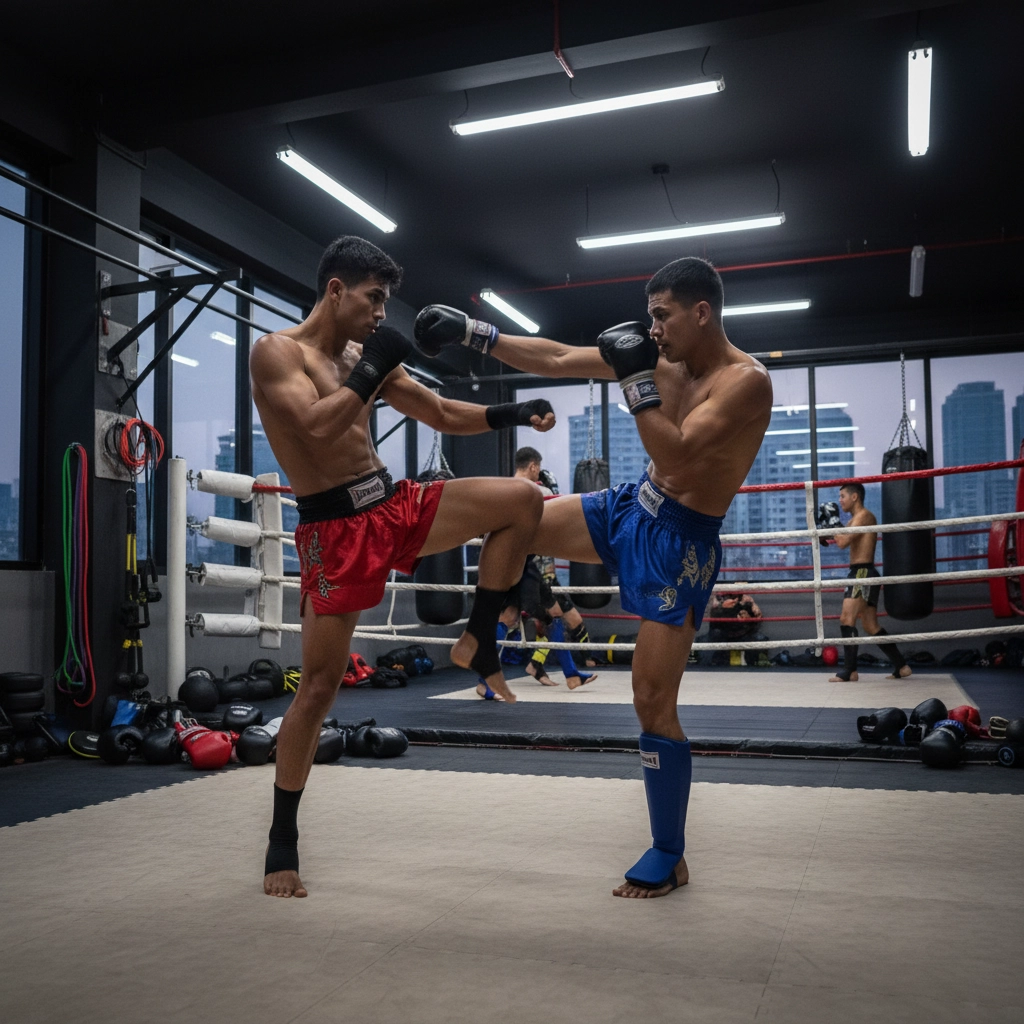
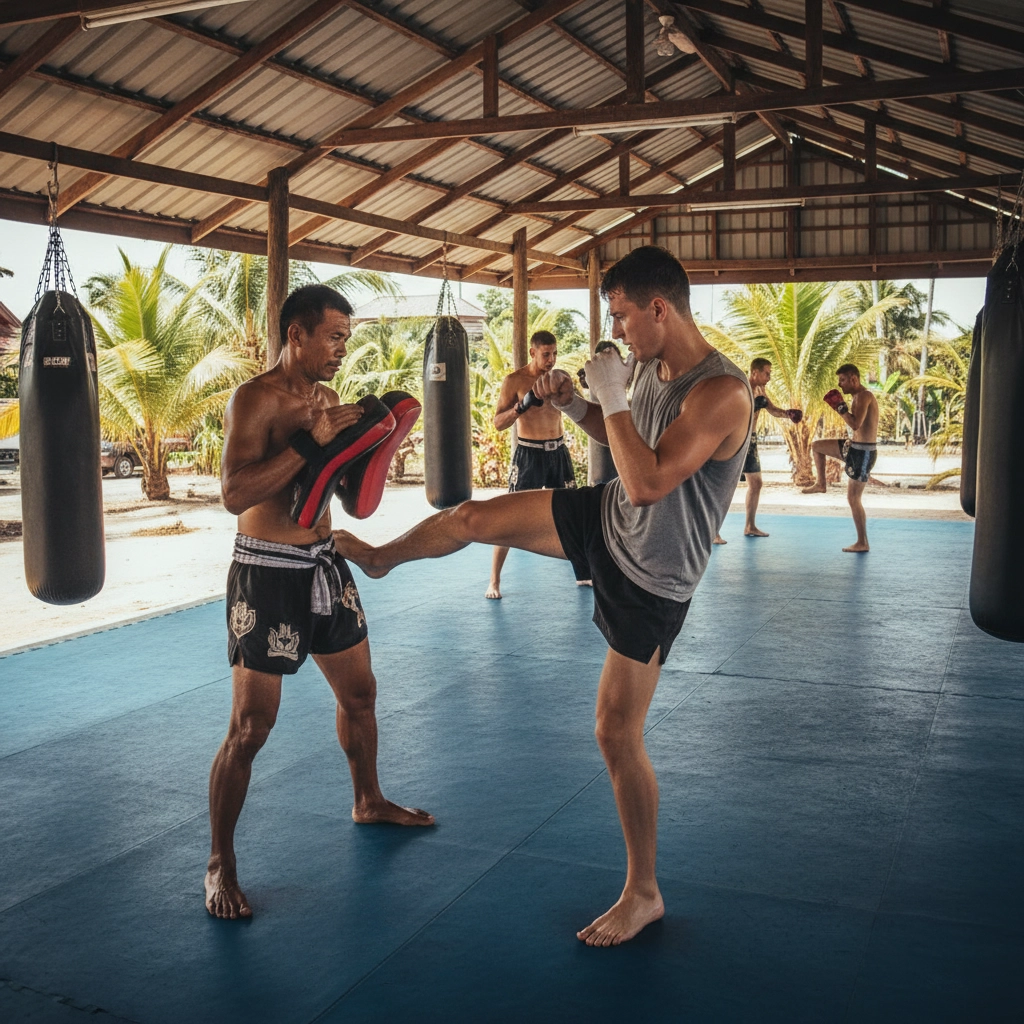
Muay Thai exploits eight weapons: two fists, two elbows, two knees, and two shins, each with distinct ranges and mechanics. Powerful roundhouse kicks rely on hip torque, while the elbow is a fight-ending short-range tool that often causes cuts; the knee dominates clinch exchanges and vertical power. Effective combos mix punches and kicks to open lines and set up finishes. Any fighter must combine technical drilling, conditioning and live sparring to weld these weapons into an offensive system.
- Punches – straight, hook, uppercut
- Roundhouse Kick – shin contact, hip rotation
- Teep (Push Kick) – distance control, disrupt rhythm
- Elbow – short-range, cutting weapon
- Knee – clinch control, vertical power
| Punch | Range: mid; use to set up kicks |
| Roundhouse Kick | Power: hip torque, shin conditioning |
| Teep (Push) | Function: distance control, score |
| Elbow | Damage: cuts, short-range finish |
| Knee | Clinch: disrupt balance, KOs |
Types of Defensive Techniques
Defense blends footwork, blocks, parries, head movement and clinch control to neutralize attacks. Footwork creates angles to turn offense into counters; solid blocks absorb kicks and protect the ribs, while timely parries open immediate counter windows. In stadium fights, fighters who master clinch escapes often swing rounds in their favor. This layered approach reduces damage and generates counter opportunities.
- Footwork – angles, exits
- Blocks – shin and arm shields
- Parries – redirect and counter
- Head Movement – slips and rolls
- Clinch Control – posture, escapes
| Footwork | Create angles, close or create distance |
| Block | Absorb kicks/punches, protect core |
| Parry | Redirect strikes to counter |
| Head Movement | Slip/roll to avoid clean hits |
| Clinch | Neutralize strikes, initiate counters |
Drill specificity matters: practice 3-5 minute rounds focused solely on parry-to-counter sequences, shadowbox with exaggerated footwork for 10 minutes daily, and include clinch escape repetitions to build timing. Work on replicable sequences like parry-left hook or teep-to-step-off to develop muscle memory; study fighters who use subtle head movement to create 20-30% more counter windows in sparring. This builds reactive defense that converts into offense.
- Parry-to-Counter – timing drills
- Shadow Footwork – angle creation
- Clinch Escapes – posture reset
- Slip-Return – immediate counters
- Drill Rounds – focused 3-5 min sets
| Parry-to-Counter | Train timing, 50-100 reps/session |
| Shadow Footwork | 10 min/day for angle drilling |
| Clinch Escapes | Posture, knee control, 5 reps |
| Slip-Return | Slip then immediate hook/counter |
| Drill Rounds | 3-5 min focused rounds |
Step-by-Step Approach to Offensive Strategy
| Step | Action |
|---|---|
|
Progress through offense in phases: probe with jabs and teeps to read reactions, commit using 2-3 strike combinations to break posture, then finish with a low kick, clinch knee or switch elbow when the opponent drops their guard; practice this cycle in 3×3-minute rounds and aim to convert probes into finishes at least 30% of the time. |
|
| 1 | Probe: jab, teep, feint to measure timing (0-2m). |
| 2 | Commit: 2-3 strike combos (jab-cross-low kick) to unbalance. |
| 3 | Finish: clinch/knee or elbow when guard drops; capitalize within 200-400ms. |
Setting Up Combinations
Begin combos by establishing the jab or teep as a rhythm setter, then exploit the opening with a 2-3 strike pattern-example: jab, cross, low kick-mixing levels 60:40 high-to-low; incorporate a single feint every 3-5 exchanges to create a 20-30% higher success rate for the second strike, and train combinations at varied tempos (slow, normal, explosive) to ingrain timing and reduce telegraphing.
Timing and Distance Management
Distinguish three ranges-long (2-3m), mid (1-2m), clinch (<1m)-and pick techniques for each: long uses teeps and footwork, mid uses straight punches and low kicks, clinch uses knees and elbows; keep feet angled at ~45° to escape lateral counters, and favor initiating offense within a 200-400ms window after your probe to exploit delayed defensive responses.
Practice specific drills to sharpen timing and range control: use cones at 1m and 2.5m for shadowboxing to ingrain preferred striking distances, run partner push-step teep drills to simulate retreat/advance timing, and measure reaction windows with video-slow-motion review shows openings often occur within a 150-350ms gap after a missed strike; emulate fighters who maintain ~1-1.2m mid-range for optimal strike variety, and prioritize foot recovery speed (two quick steps back or pivot) to avoid overcommitment and dangerous counters like the straight overhand or sweep.
Key Factors for Success in Muay Thai
Timing, power, and ring IQ combine with consistent practice to win; elite routines typically run 6-10 sessions/week emphasizing padwork, sparring, clinch drilling and live rounds. Use quantified drills-200 kicks per leg, 3×3-minute sparring rounds, and 20-30 minute roadwork-to build specific attributes. Track metrics like strike accuracy and recovery HR to measure gains. Assume that prioritizing those elements and logging focused sessions weekly accelerates in-ring progress.
- Technique
- Timing & Distance
- Physical Conditioning
- Clinch & Knees
- Ring IQ
- Recovery
Physical Conditioning
Develop anaerobic capacity with 30-60s sprints and HIIT, complementing 20-30 minute aerobic runs for endurance; add strength twice weekly (squats, deadlifts, hip thrusts) and plyometrics for explosive power. Typical fighters do 3-5 rounds of weighted sled pushes and 200-300 kicks per session. Monitor volume to avoid overtraining and schedule at least one full rest day weekly.
Mental Resilience
Daily visualization (10 minutes) and controlled breathing (box or 4-4-8) sharpen focus under pressure; schedule mock-fight simulations once weekly to rehearse clutch scenarios and decision-making when tired. Use noise playback and time-pressured drills to desensitize to crowd and adrenaline spikes. Measure progress by reduced error rate in rounds and faster recovery between high-intensity exchanges.
Implement stress inoculation: start with short, high-pressure drills-30-60s “pressure rounds” with limited options-then scale to full 3×3 minute simulated fights against varied partners; this builds tolerance to chaos and reduces panic-driven mistakes. Combine cognitive strategies like labeling emotions and tactical checklists (escape, counter, clinch) to convert stress into actionable responses in the ring.
Tips for Enhancing Your Offensive Game
Refine your offensive game by focusing on timing, volume and varied targets: train 3-minute pad rounds with 30-second high-intensity bursts, perform 10-15 reps of each combo (jab-cross-low kick, teep-elbow-clinch exit) and log 100+ strikes per session to build speed and endurance. Drill feints to open lines and practice counters off common reactions. Any deliberate, metric-driven practice turns tactical ideas into fight-winning habits.
- Combinations: jab-cross-left kick, 10-15 reps per set
- Timing: 3×3-minute rounds with 30s all-out intervals
- Range control: teep and retreat, 50 repetitions per side
- Power: heavy-bag power sets, 5×1-minute rounds
Practicing Drills
Use laddered drills to ingrain combinations: 5 rounds of 3 minutes, adding one strike each round (1→5 strikes) then reverse, and perform partner entries 10-15 times to simulate fatigue. Include 2-minute isolated power rounds on the heavy bag for hip rotation and film sessions to track counts; aim for measurable targets such as 300 clinch entries per week to accelerate neuromuscular adaptation.
Sparring Techniques
Implement technical sparring with objectives: 4×3-minute rounds at 50-60% intensity where one partner restricts to kicks and the other to elbows to force adaptation, plus situational rounds (only counters, only clinch entries). Practice entry-timing drills-feint, teep, finish with a sweep-8-12 reps per side and emphasize positional clinch sparring in 2-minute intervals to sharpen timing and counter responses.
Progress intensity across the week: start with technical days (3×3-minute rounds), add controlled pressure days (5×3) targeting 60-75% intensity, then schedule one 85-90% session weekly. Use headgear and shin guards for power exchanges, have coaches review video within 10 minutes to fix patterns, and track metrics like successful entries per round (target ≥3) to reduce repetitive risk and accelerate offensive refinement.
Pros and Cons of Different Offensive Styles
Styles vary from high-volume pressure to elusive countering; each has trade-offs in energy, risk, and scoring under standard 3-minute rounds. Buakaw-style pressure delivers high damage and ring control, while Saenchai-like tactics create openings with angles and timing. Matchups and conditioning decide which pays off: heavy low-kick plans punish legs over time, whereas counter systems punish overcommitment and yield better efficiency per strike.
| Pros | Cons |
|---|---|
| Power striking yields KO potential and judge-friendly visible damage. | High energy cost, greater exposure to counters and takedowns. |
| Low-kick specialists wear down opponents’ base and mobility over rounds. | Predictable targeting can be checked; risk of calf/foot injury. |
| Clinching dominance controls pace and scores with knees/elbows up close. | Requires superior clinch conditioning; vulnerable to throws or breaks. |
| Counter-strikers conserve energy and maximize efficiency per successful strike. | May score fewer visible strikes; judges sometimes favor aggression. |
| Elusive, angle-based fighters cause opponents to miss and commit mistakes. | Lower damage output; needs exceptional timing and balance under pressure. |
| Combination-volume fighters overwhelm with high strike rate. | Can leave openings during long combos; stamina drain possible in round 3. |
| Feint-heavy approaches create openings and manipulate rhythm. | If overused, opponents stop reacting; effectiveness drops. |
Aggressive vs. Tactical Approaches
Aggressive fighters push pace, throw heavier low kicks and knees to force mistakes, often scoring clear damage in rounds 1-3; tactical fighters rely on spacing, counters and feints to score selectively. Aggression wins rounds through ring control and visible impact, while tactical mastery like Saenchai’s creates higher strike accuracy and fewer absorbed shots-trade-offs hinge on conditioning and a fighter’s ability to exploit openings without overcommitting.
Adapting to Opponent Styles
Scan patterns in rounds 1-2 to identify tendencies: if an opponent favors the rear leg low kick, shift weight distribution and counter with teeps or straight knees; versus a clinch-heavy opponent, time lateral elbows and control posture to disrupt. Successful adaptation often means making one decisive adjustment per round rather than wholesale style changes.
Implement adaptation through targeted drills: allocate 3 situational rounds (3×3 minutes) focusing only on the identified weakness, run 50-100 repetitions of the specific check or counter (e.g., 50 leg-checks with immediate low-kick counters), and rehearse recovery sequences to avoid overcommitment. Use video review to mark exact moments-first 90 seconds, after a failed takedown, or post-clinch break-then practice those triggers under fatigue. Fighters who shift strategy by round 2 and execute 2-3 high-percentage counters per round typically swing close decisions in their favor; emphasize one clean technical fix rather than multiple risky gambits.
Common Mistakes in Offensive Execution
Many fighters sacrifice efficiency by telegraphing strikes, overextending, or abandoning range control; these errors turn aggression into vulnerability. For example, swinging a rounded hook with too much hip rotation often results in a loss of balance and leaves the head open to counters like straight rights or knees. Fixes focus on timing, compact mechanics, and using feints and setup-trainable elements that separate reckless pressure from high-percentage offense.
Overcommitting
Overcommitment usually shows as full-hip shots or lunging steps that sacrifice base and recovery, making fighters easy targets for counters or sweeps. A committed roundhouse that lands with the weight forward invites a rear straight or a counter knee, and telegraphing reduces follow-up options. Drill shorter, snap-based strikes, practice immediate weight recovery on pads, and use controlled sparring rounds to rebuild a compact, efficient commitment.
Neglecting Defense
Attacking without a defensive plan-hands low, chin up, or failing to check kicks-lets opponents score clean counters and accumulate damage while you press. Ignoring the lead leg for repeated low kicks destroys mobility; leaving the elbow wide opens the ribs to elbows and hooks. Prioritize simple frames like the jab and teep while you attack to maintain both offense and defensive integrity.
To correct this, integrate defense-first drills: shadowbox rounds where every strike must be preceded or followed by a guard action, partner sequences requiring a check or clinch before returning fire, and pad work that enforces immediate recovery. Emphasize the teep for distance, the shoulder roll against straights, and consistent knee-up checks to blunt low kicks; these habits reduce openings and sustain offensive pressure.
Final Words
Following this guide, “The 8 Limbs Of Power – How To Perfect Your Offensive Game In Muay Thai” synthesizes technique, timing, and conditioning into a clear roadmap for offensive mastery. Apply progressive drills, prioritize structure over flair, and analyze sparring to refine combinations and power delivery. Consistent, disciplined practice will convert concepts into instinctive, fight-winning actions.
FAQ
Q: What exactly are the “8 limbs” in Muay Thai, and how does this guide teach using them offensively?
A: The “8 limbs” are two fists, two elbows, two knees, and two shins/feet. The guide breaks each limb down into mechanics (stance, hip rotation, axis, contact point), ideal ranges, and offensive roles. For each limb it provides progressive drills: shadowboxing to refine lines and rhythm; pad and mitt work to develop accuracy, timing, and power; heavy-bag routines for conditioning and impact; and partner clinch drills to practice knee and elbow placement under resistance. Emphasis is placed on sequencing (how to link punches to knees, kicks to elbows, etc.), angle creation, and setups-using feints, level changes, and foot positioning to open targets. Practical templates and combo circuits show how to combine limbs by distance (long tools: shins/push-kicks; midtools: fists; short tools: elbows/knees) and by entry (straight, diagonal, clinch).
Q: How should I train to build power, speed, and precision for each limb without getting injured?
A: Split training into technical skill work, impact conditioning, and strength/power development. Technical: high-rep, low-impact drills (shadowboxing, slow partner drills, focus mitts) to engrain mechanics-hips and weight transfer for punches and kicks, shin alignment for kicks, elbow angles, and knee drive from the clinch. Impact conditioning: controlled heavy-bag sessions with progressive intensity and targeted intervals (e.g., 3-5 rounds of 2-3 minute focused drills), and gradual shin/forearm conditioning using bag time and Thai pads. Strength/power: compound lifts (deadlift, squat, hip hinge), rotational medicine-ball throws, plyometrics and hip-focused exercises 2-3x weekly. Programming example: technique 3-5x/week, bag/pad work 2-4x/week, strength 2-3x/week, with active recovery and mobility. Safety measures: wrap hands/ankles, advance impact volume slowly, prioritize joint alignment over brute force, and address mobility deficits to prevent compensations.
Q: How do I integrate the eight limbs into a coherent offensive game plan for sparring and competition?
A: Build a game plan around your best limbs and the opponent’s weaknesses. Establish a primary setup (e.g., jab to control distance or teep to create space), then layer secondary tools (lead hook, body kick, clinch knees) and terminal tools (short elbows, knees) depending on range. Use combinations that change level and angle-jab, low kick, switch knee; or cross, diagonal shin, clinch knee-to break defenses. Implement rhythm and timing tactics: feinting to provoke reactions, rhythm breaks to create openings, and counter-entry patterns (parry to elbow, catch to knee). Drill scenario rounds: start-in-clinch, back-against-ropes, or one-limb-restricted sessions to practice transitions and scoring priorities. Common corrections: avoid telegraphing by separating chambering from motion, maintain balance when committing, and manage energy-prioritize high-percentage attacks early and escalate when openings appear.
Recommended Posts