
How winner bets in Muay Thai are structured and what you need to know
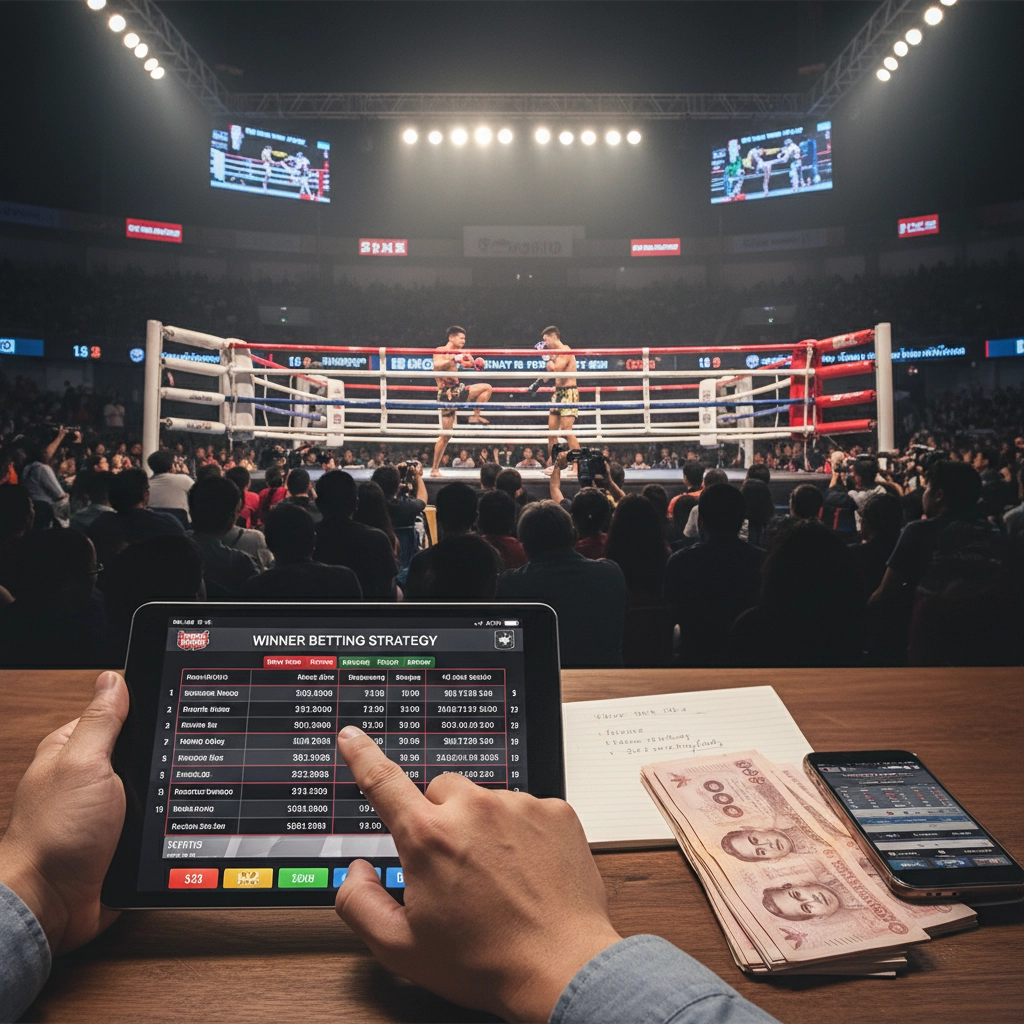
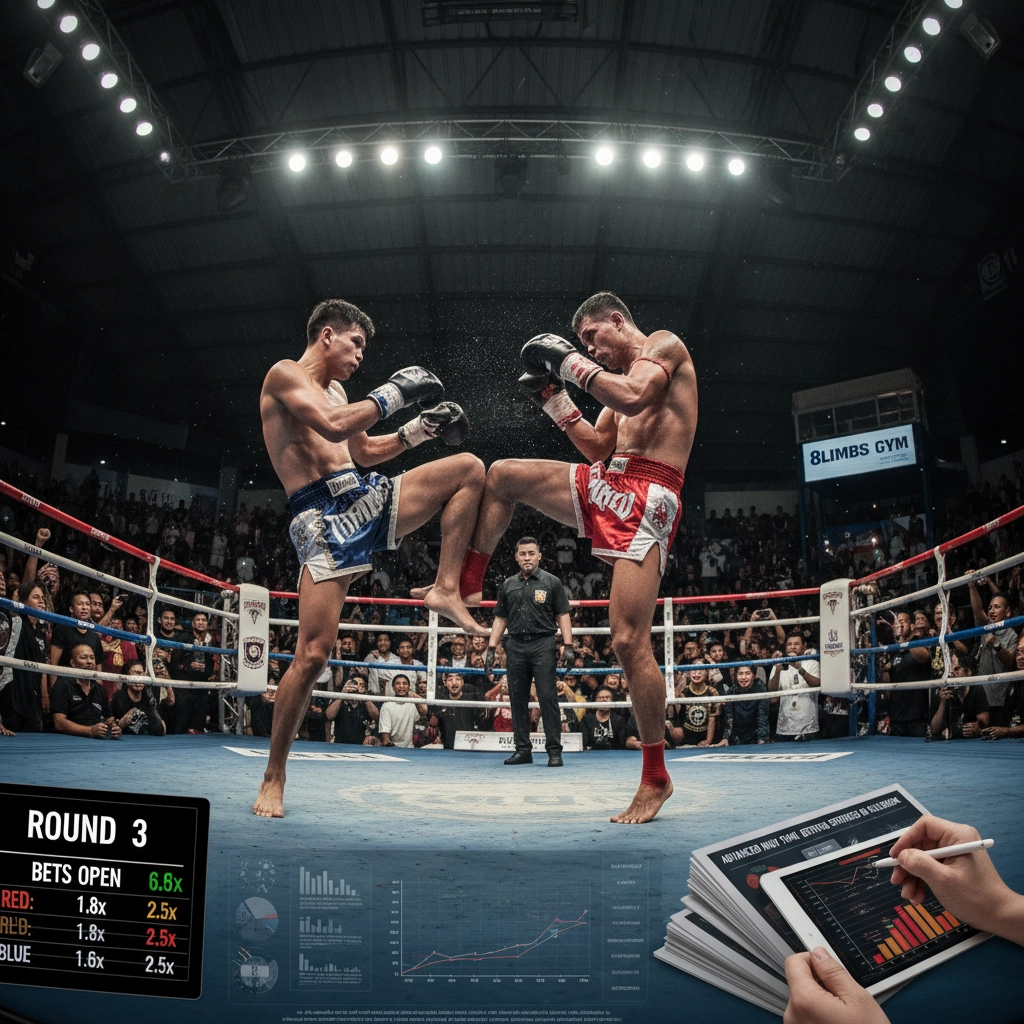
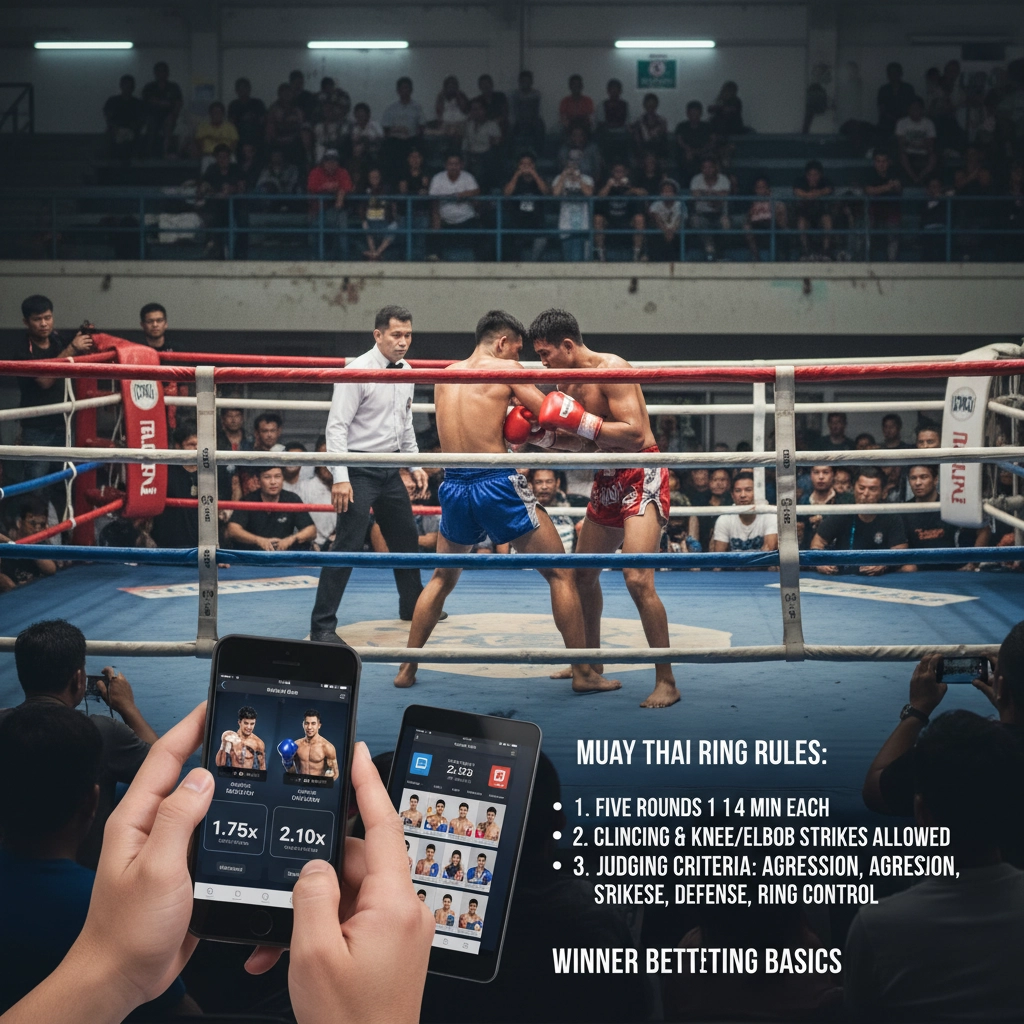
When you place a winner bet in Muay Thai you’re usually picking which fighter will be declared the victor when the match is officially finished. Most sportsbooks list a simple two-way market (Fighter A or Fighter B), while some offer a three-way market (Fighter A, Fighter B, or Draw). Understanding how different endings — knockouts, technical stops, judge decisions, and draws — are treated is essential so you know when your stake is settled as a win, a loss, or refunded.
Common bet types and how they interact with fight outcomes
- Moneyline/Match winner (two-way): You pick one fighter to win. If the fight ends in a draw or no contest, most books declare a push and refund your stake unless they explicitly offer draw as an option.
- Three-way winner market: This market includes a draw option. If you back “Draw” and the judges score it even, that bet wins. If you back a fighter and the fight is officially a draw, the fighter bets lose.
- Parlays and multiple bets: A draw or no contest can void that leg and usually converts it to a push; the rest of the parlay is recalculated without that selection (rules vary by sportsbook).
How KOs, TKOs, doctor stoppages, and disqualifications affect your wager
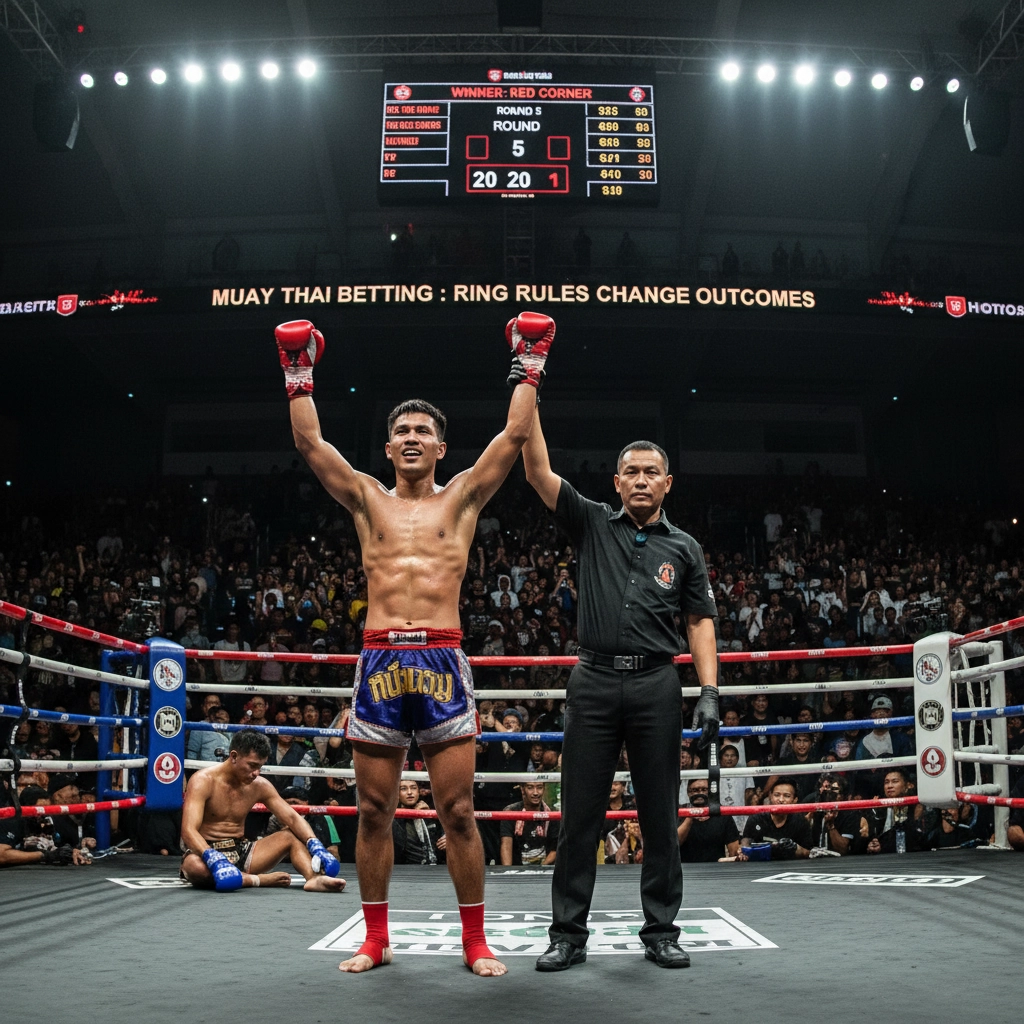
Most sportsbook rulebooks treat all forms of stoppage wins — knockout (KO), technical knockout (TKO), corner stoppage, and doctor stoppage — as valid wins for settlement purposes. If your fighter wins by a clean KO or forces the referee to stop the fight due to strikes or an inability to intelligently defend, your winner bet is paid out.
Specific endings you should recognize
- KO (Knockout): One strike renders a fighter unconscious or unable to rise within the referee’s count. Settled as a win for the victor.
- TKO/Referee stoppage: Referee determines a fighter cannot continue safely (including repeated unanswered strikes). Treated as a win for the stoppage winner.
- Doctor/corner stoppage: Medical or corner intervention that ends the fight is treated like a TKO — winning bets are paid.
- Disqualification (DQ): If a fighter is disqualified for fouls, the opponent wins and bets on that opponent are paid unless the DQ is overturned.
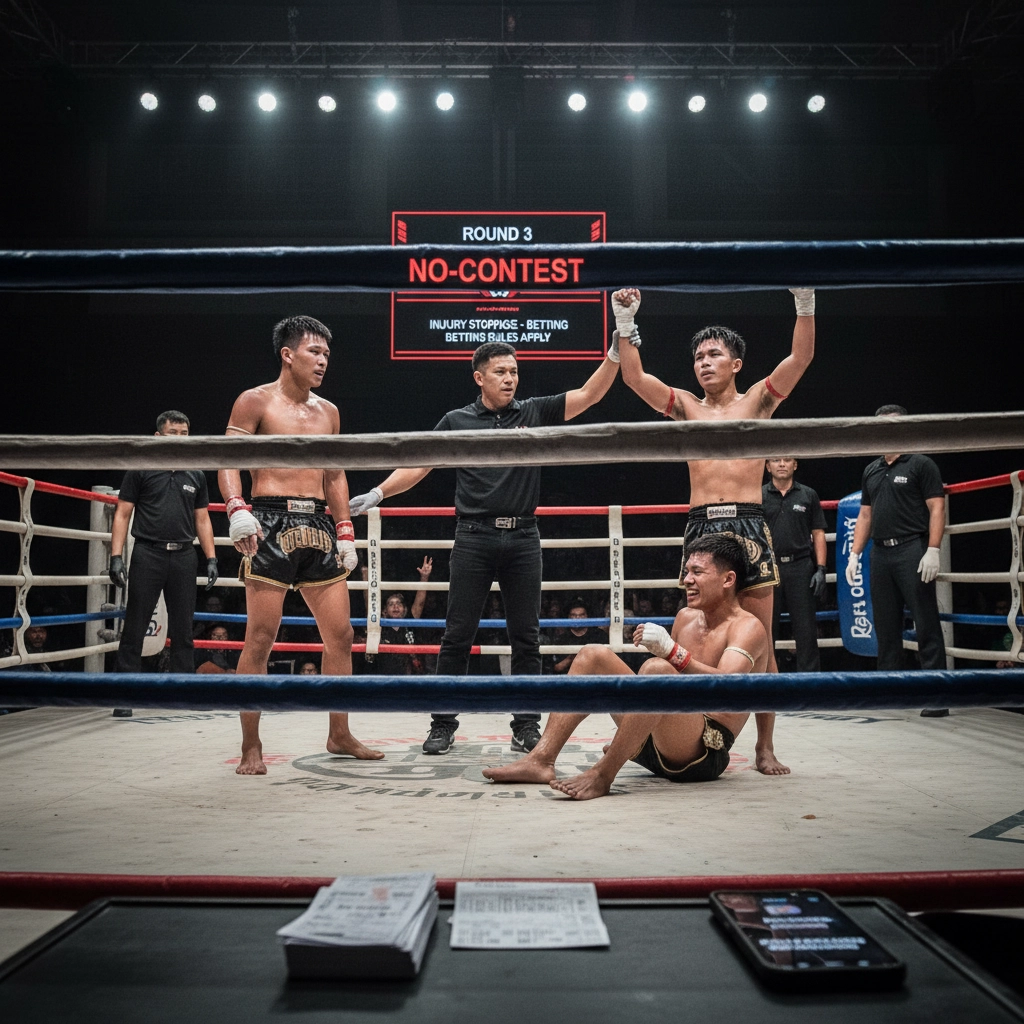
Where things get complicated is with accidental fouls, double KOs, and early stoppages. Many sportsbooks follow rules that declare a “no contest” if an accidental foul ends the fight before a minimum number of rounds have been completed; in that case, your winner bet is typically refunded. After the minimum threshold, the fight may go to the scorecards and be decided on the judges’ tally.
Next, you’ll want to see concrete sportsbook examples and the exact round thresholds and tie-handling policies used by major bookmakers so you can place bets with confidence.
How major sportsbooks apply round thresholds and handle draws — concrete examples
Most books follow the same practical standard: the scheduled length of the bout determines the minimum number of completed rounds required before an accidental-foul stoppage will be scored on the judges’ cards rather than declared a no contest. The common thresholds you’ll see across top bookmakers are:
– For 3-round Muay Thai bouts (common on international cards): at least 2 full rounds must be completed; if an accidental foul ends the fight before the end of round 2 it’s typically a no contest and winner bets are refunded. If the stoppage happens in round 3 or later, the fight usually goes to the scorecards.
– For 5-round Muay Thai bouts (traditional stadium rules or championship fights): at least 3 full rounds must be completed before the judges’ scorecards can be used. Stoppages by accidental foul before that threshold generally result in a no contest/push.
Major sportsbooks—Pinnacle, Bet365, William Hill/Betfred, DraftKings/BetMGM, and Betfair—generally adhere to these thresholds, though the exact wording differs in each rulebook. For draw outcomes, the market type controls settlement: two-way moneyline markets are almost universally treated as a push (stake refunded) if the official result is a draw; three-way markets include “Draw” as a separate winning selection. For parlays, a draw or no contest usually voids that leg and the parlay is recalculated without it (not all books treat this identically—some convert the leg to the lowest available price).
Double knockouts and simultaneous knockdowns are edge cases where policies vary. Some books treat a double KO as a no contest, others record it as a technical draw if both fighters are unable to continue, and a few use the referee/judge’s official ruling. Because these outcomes are rare but settlement rules differ, always consult the specific sportsbook’s rulebook before wagering on close matchups.
Reading sportsbook rulebooks: a practical checklist for Muay Thai bettors
Before placing a winner bet, run through this checklist so you know exactly how your wager will be treated:
– Confirm the market type: two-way or three-way winner. Two-way = draw pushes unless explicitly stated otherwise; three-way = draw is a separate market.
– Check the scheduled rounds and the “minimum completed rounds” clause. Match the book’s threshold to the promotion’s scheduled length (3 vs 5 rounds).
– Find the accidental foul / no contest language. Note whether the book goes to scorecards after the minimum rounds or automatically refunds.
– Look for rules on disqualifications and overturned results. See if the sportsbook reopens settled bets or honors the official result even after later appeals.
– Read the parlay/accumulator rules. Understand whether void legs are removed or convert to a default result.
– Review live/in-play policies. Some books void or suspend live settlement if an incident occurs in the middle of a round; others follow the same completed-round rules for in-play wagers.
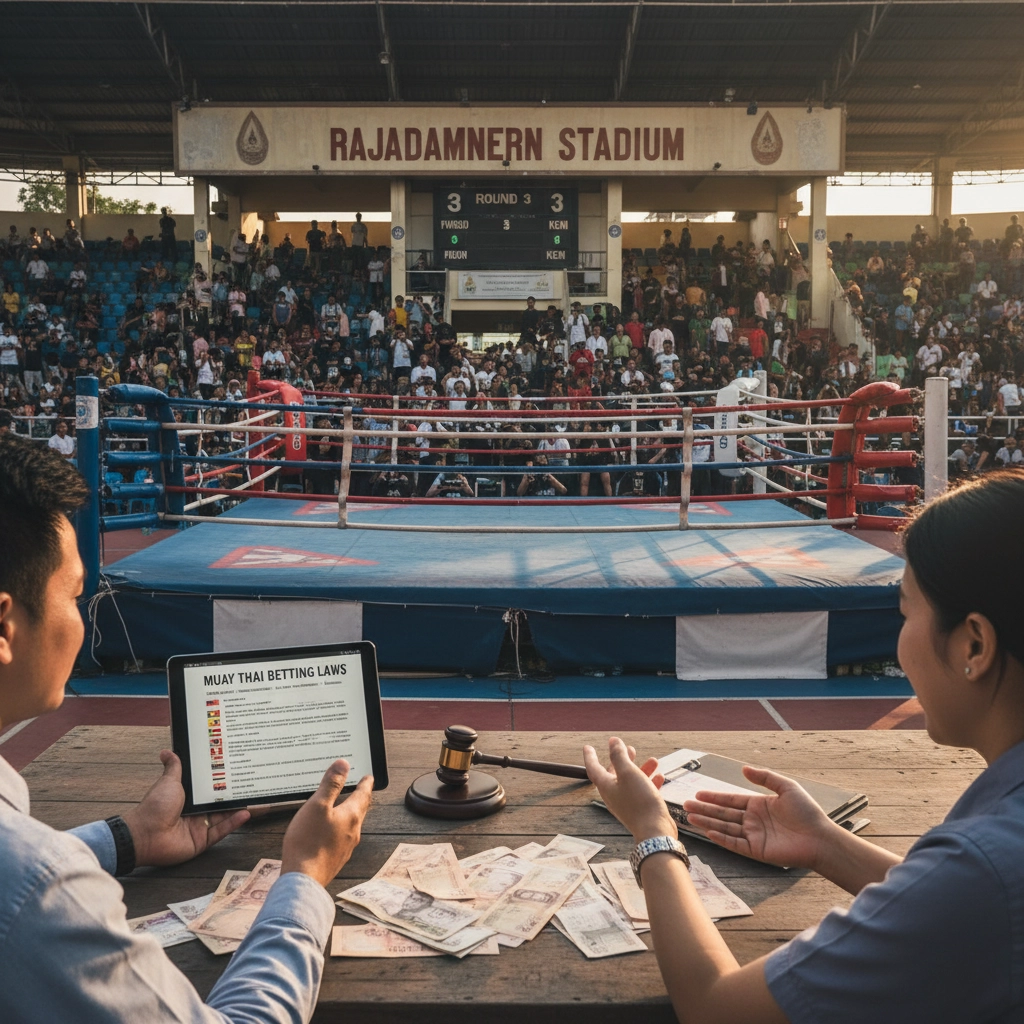
– Note any jurisdictional exceptions. Local commissions or promotion-specific rules (for stadium Muay Thai in Thailand, for example) can affect how results are recorded.
If anything in the rulebook is unclear, contact customer support and ask for a written clarification before wagering. Having the precise rule text or a confirmation email can save you headaches if an unusual ending occurs.
Final notes for bettors
When wagering on Muay Thai winners, the smallest detail in a sportsbook’s rulebook can change whether you win, lose, or get your stake returned. Before placing moneyline or parlay bets, double-check the market type, scheduled rounds, and the accidental-foul/no-contest language for the specific book. If anything is ambiguous, ask customer support and keep any written clarification.
For a quick reference to how a leading operator frames its settlement rules, see Pinnacle sports rules. Pair rulebook checks with sound bankroll management and be conservative when betting close matchups or fighters prone to finishes—those are the situations where rule nuances matter most.
Frequently Asked Questions
What happens to a two-way winner bet if the official result is a draw?
On a two-way market, a draw is typically treated as a push and your stake is refunded unless the sportsbook’s rules explicitly state otherwise. For three-way markets, “Draw” is a separate winning selection.
If a fight ends from an accidental foul before the minimum completed rounds, will my winner bet be refunded?
Yes—most major sportsbooks declare a no contest or void the event if an accidental-foul stoppage occurs before the book’s minimum completed-round threshold (commonly 2 rounds for 3-round bouts and 3 rounds for 5-round bouts). Always verify the exact threshold in the sportsbook’s rules.
How are double knockouts or simultaneous incapacitations settled?
Policies vary: some books treat a double KO as a no contest, others record a technical draw or follow the referee/judges’ official ruling. Because this is an uncommon but impactful outcome, check the specific sportsbook rulebook beforehand or contact support for clarification.
Recommended Posts