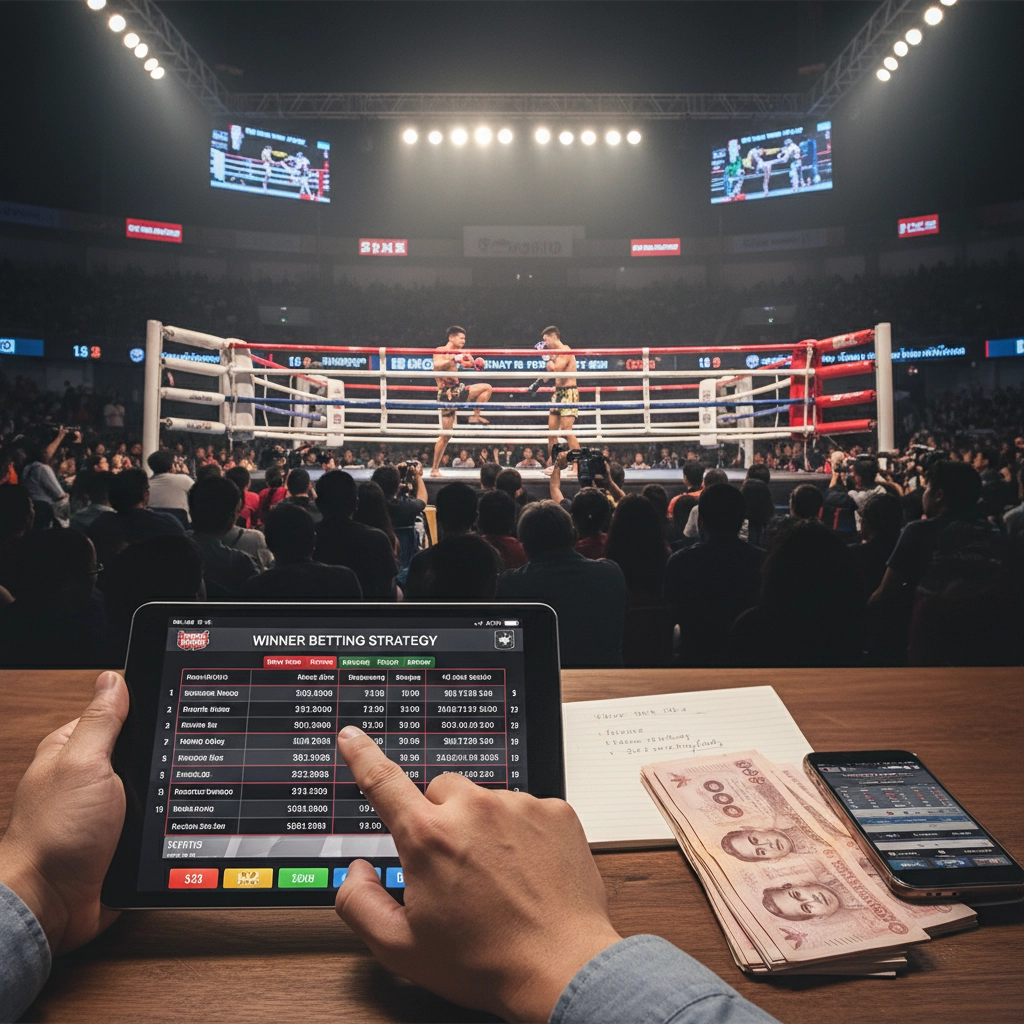
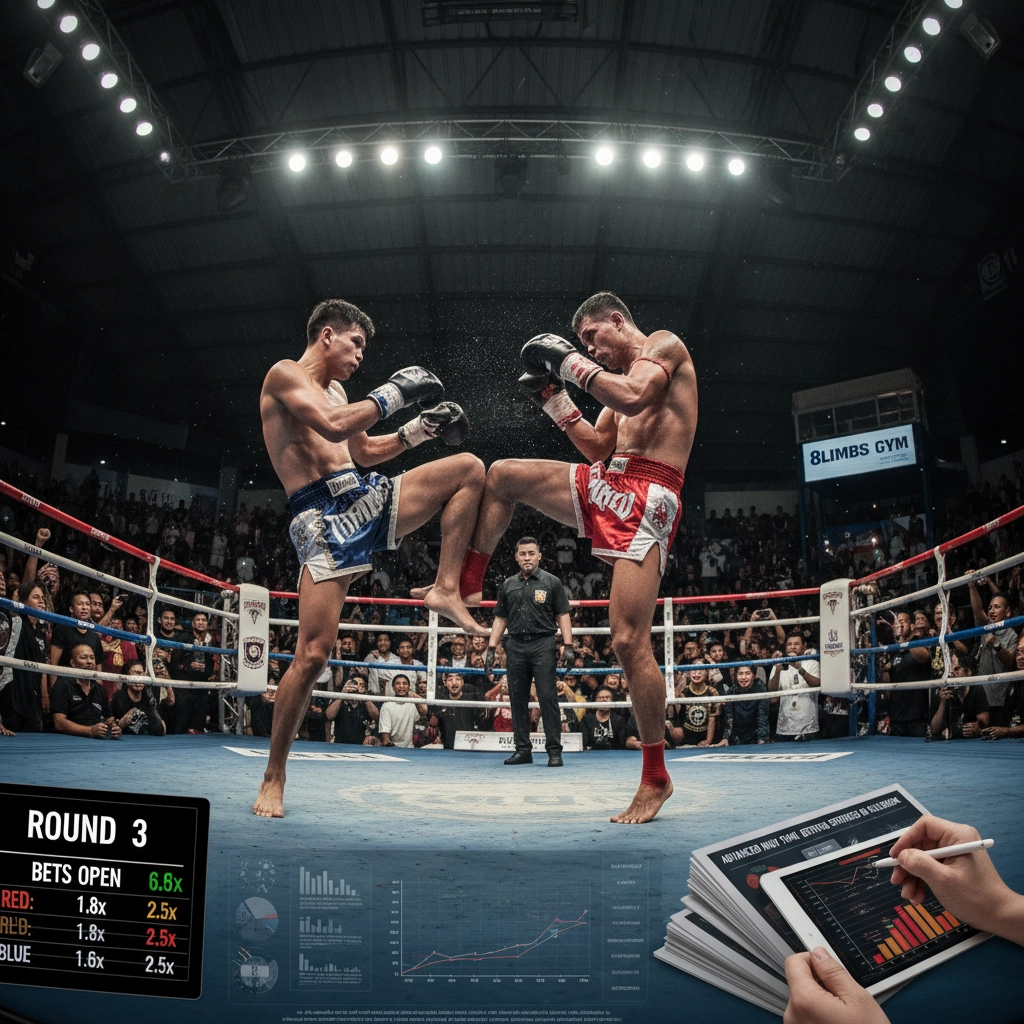
How Muay Thai’s rules and scoring change the way you pick winners
You can’t bet intelligently on a Muay Thai fight unless you first understand how the rulebook changes outcomes. Unlike some combat sports that prioritize aggression alone, Muay Thai scoring rewards effective strikes, clinch control, and visible damage. That means a fighter who lands fewer but more damaging techniques can beat a higher-volume opponent. Knowing what judges value helps you interpret odds and spot value on underdogs or favored fighters whose style doesn’t match the scoring system.
Practical rule points that impact betting decisions
- Round structure: In Thailand, professional bouts usually run five 3-minute rounds; many international cards run three rounds. More rounds favor technical fighters who pace themselves, while shorter fights can benefit explosive starters.
- Legal techniques: Punches, kicks, knees and elbows are all legal—elbows and clinch knees can end fights quickly, so fighters with dangerous elbows provide high finish potential.
- Clinching and throws: Effective clinch work scores; a fighter who dominates the clinch can rack up points even without flashy knockouts.
- Scoring emphasis: Judges weigh clean, effective strikes and visible damage higher than sheer volume. Knockdowns and cuts swing rounds decisively.
- Fouls and penalties: Low blows, headbutts, and strikes to the back of the head can result in point deductions or disqualification. If one fighter has a history of fouls, factor that increased risk into your bets.
Early analytical routines you should build before placing a winner bet
Before you stake money on a fight result, create a reliable pre-bout checklist that maps rule-related advantages to betting value. You’re not guessing—you’re converting observable variables into an edge.
Checklist items that shift the probability of a winner
- Fighting style matchup: Does a forward pressure fighter meet a counter-striker? Pressure fighters often control rounds in longer formats; counter-strikers can score big in shorter cards or when they land timing-based strikes.
- Finish ability vs. durability: Compare knockout rates and chin resilience. A high-KO fighter facing a low-chin opponent raises the odds of a stoppage—use that to assess method markets and round props.
- Recent activity and ring rust: Long layoffs can dull timing, while excessive recent fights can indicate wear. For five-round bouts, stamina history is crucial.
- Weight cutting and rehydration: Fighters who struggled at weigh-ins or missed weight often perform poorly—adjust your expected win probability accordingly.
- Venue and ruleset nuances: Stadium rules (Thai judges, clinch emphasis) vs. international rules can flip expected outcomes for some fighters.
By combining these rule-focused observations with standard analytics—records, age, reach, and injury history—you set a strong foundation for advanced winner-betting strategies. Next, you’ll learn how to convert that foundation into concrete betting systems: value spotting, line movement interpretation, and live-betting tactics that capitalize on Muay Thai’s unique pacing and scoring.
Identifying value: how to spot mispriced Muay Thai favorites and underdogs
Value betting starts with a simple comparison: your estimated probability vs. the market’s implied probability. Convert decimal odds to implied probability (1/odds) and subtract the bookmaker’s margin to get a rough market view. If your model or informed read of the matchup suggests the fighter’s true chance is meaningfully higher—aim for at least a 3–7% edge—you’ve found value.
Concrete ways to surface mispricings in Muay Thai:
- Style overlays: Look for cases where public perception prizes aggression but judges favor technique. A technical clinch fighter may be undervalued versus a flashy volume striker who doesn’t land cleanly.
- Rule-set mismatches: Fighters experienced under Thai stadium rules often outperform on five-round cards where clinch scoring dominates. If the market ignores the ruleset, underdogs with Thai-style resumes can be mispriced.
- Recent tape vs. record: A fighter who recently switched camps or adopted an elbow-heavy arsenal can outperform a stale record. Find narratives the public hasn’t priced in.
- Cross-book disparities: Compare multiple books—significant line gaps (after accounting for limits) indicate where sharps or public money have moved prices; pick the softest book for your edge.
Finally, quantify your threshold for action and stick to it. Don’t bet every “slight value”—bankroll survival hinges on selective, repeatable edges.
Reading line movement and market behavior specific to Muay Thai
Line movement is a signal, not noise. In Muay Thai, certain triggers consistently move markets: weigh-in drama, late withdrawal or injury news, and sometimes a single viral training clip. Recognize the type of movement to interpret whether it’s sharp (informed) or public (bias-driven).
- Sharp movement: Big, early shifts with limited public attention often mean professional bettors are acting. If a line tightens quickly with no injury news, follow cautiously—sharps usually hunt subtle edges like ring rust or last-minute camp changes.
- Public movement: Lines that move closer to an expected hometown favorite or a popular fighter after promotional hype are usually public-driven. These create fade opportunities if your analysis contradicts the crowd.
- Late money vs. early money: Late heavy money in Muay Thai often follows weigh-in or medical updates. If the price moves drastically in the final hours, verify the catalyst before labeling it sharp.
- Watcher’s checklist: Track opening line, midpoint, and closing line; record timing of news; monitor volume across books. Consistent cross-book tightening toward a fighter is the strongest market signal.
Live-betting tactics: exploiting Muay Thai’s pacing and clinch dynamics
Live markets are where Muay Thai’s unique pacing and clinch exchanges give the biggest advantage to prepared bettors. Predefine cues that will trigger in-play bets and size them smaller than pre-fight stakes, because live volatility is high.
- Early-round indicators: If a counter-striker lands clean in round one but doesn’t finish, in-play odds will overreact as both fighters reset. Backing the counter-striker after a clear timing advantage can pay—especially on shorter cards where a single big strike wins rounds.
- Clinching and accumulation: Watch for one fighter winning sustained clinch control or systematically tearing up the opponent’s legs. These gradual effects rarely show as immediate damage but often lead to late-round stoppages; backing the controlled fighter in round-prop or over-the-distance markets can be profitable.
- Damage and medical cues: Visible swelling, heavy breathing, or slowed footwork are strong in-play indicators of declining chances. Bets on method (TKO/doctor stoppage) or next-round props are sensible when these signs appear.
- Manage stakes and speed: Use smaller, quicker stakes and set stop-loss rules for live sessions. Markets can flip within seconds—have preset exit points and avoid chasing losses after emotional swings.
By combining disciplined value thresholds, savvy interpretation of line movement, and a tight set of live cues tied to Muay Thai’s mechanics, you turn knowledge of the rulebook and fight dynamics into repeatable betting edges.
Putting strategy into action
Turn your study into routine. Commit to disciplined sizing, a public record of bets, and regular review cycles so you can separate clever plays from noise. Start small, validate a handful of hypotheses (value thresholds, live cues, and rule-set edges), and scale only when results are consistent. Maintain accounts at multiple books, watch line movement across them, and keep a clear rule cheat-sheet for each promotion you bet on—Muay Thai scoring quirks can flip an edge into a loss if ignored.
- Set a concrete value threshold and stake plan before you place bets.
- Create a short list of in-play triggers and max live stake percentages.
- Log every wager with rationale and outcome; review monthly to refine models and reads.
- Refer to official rule sources when needed—starting points include IFMA rules and guidelines.
Frequently Asked Questions
How do I convert odds into implied probability and account for the bookmaker’s margin?
For decimal odds, implied probability = 1 / odds. That gives the market’s raw view. To account for the bookmaker margin, calculate the sum of implied probabilities for all outcomes, then normalize each implied probability by dividing by that sum. Use the adjusted number when comparing to your own estimated win probability to find true value.
Which Muay Thai rule differences most often change betting outcomes?
Clinch scoring and elbow/short-range techniques are the biggest differentiators. Thai stadium scoring often rewards clean techniques and control in the clinch over sheer volume, and fights under five-round stadium rules favor experienced clinch fighters. Promotions that limit elbows or use three-round formats tend to favor fast starters and volume strikers. Always check the event’s rule-set before betting.
What stake sizing should I use for live Muay Thai bets versus pre-fight wagers?
Live markets are much more volatile—use smaller stakes. If you size pre-fight bets at 1–2% of bankroll for clear value, consider 0.5–1% for live bets and even smaller when taking fast-prop lines. Predefine maximum exposure per fight and per live session, and stick to stop-loss rules to protect bankroll against rapid swings.
Recommended Posts