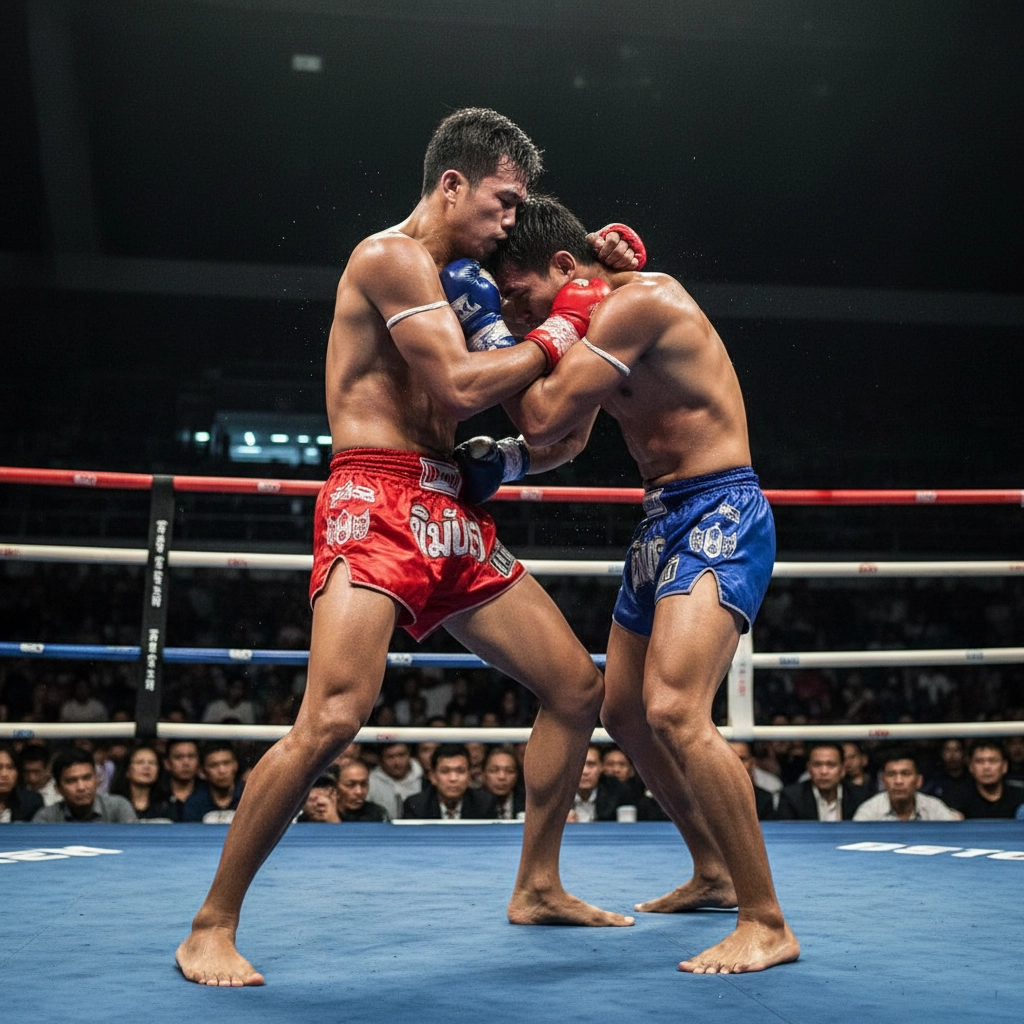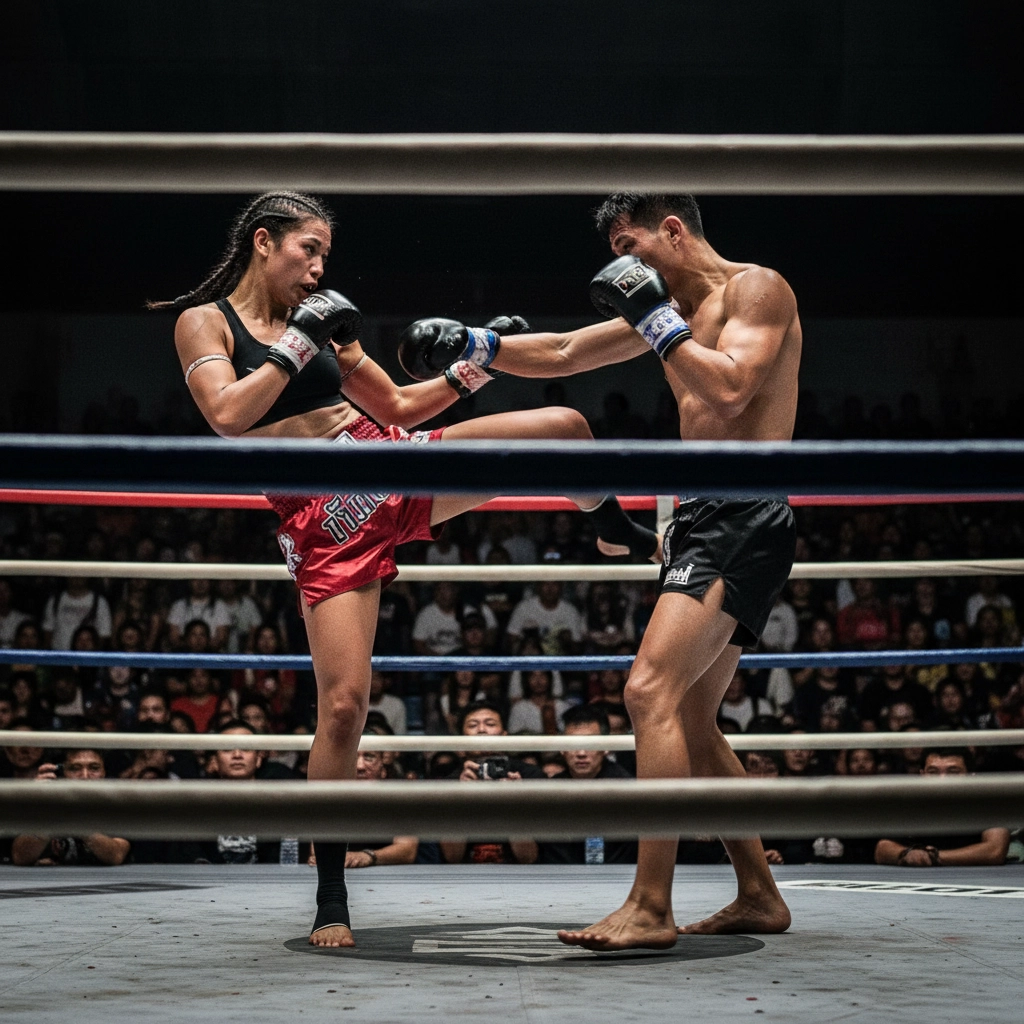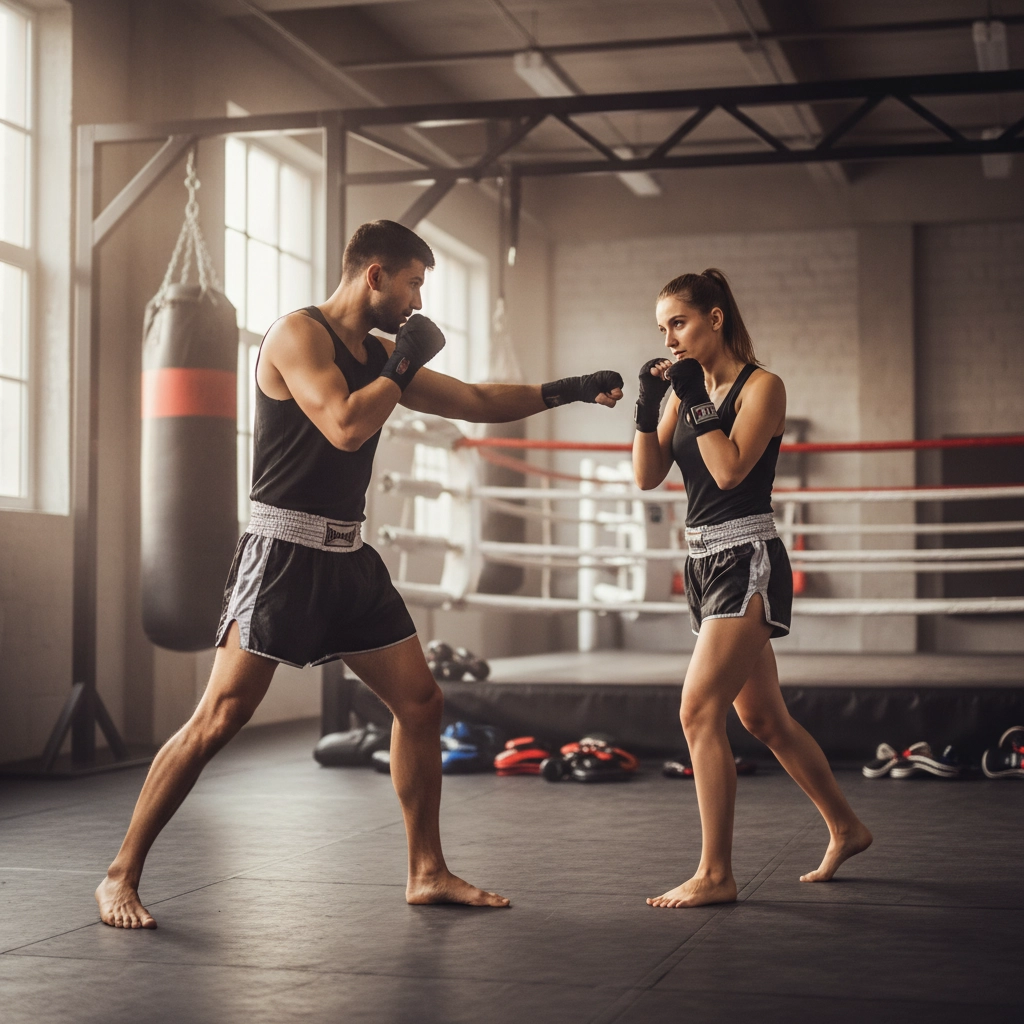
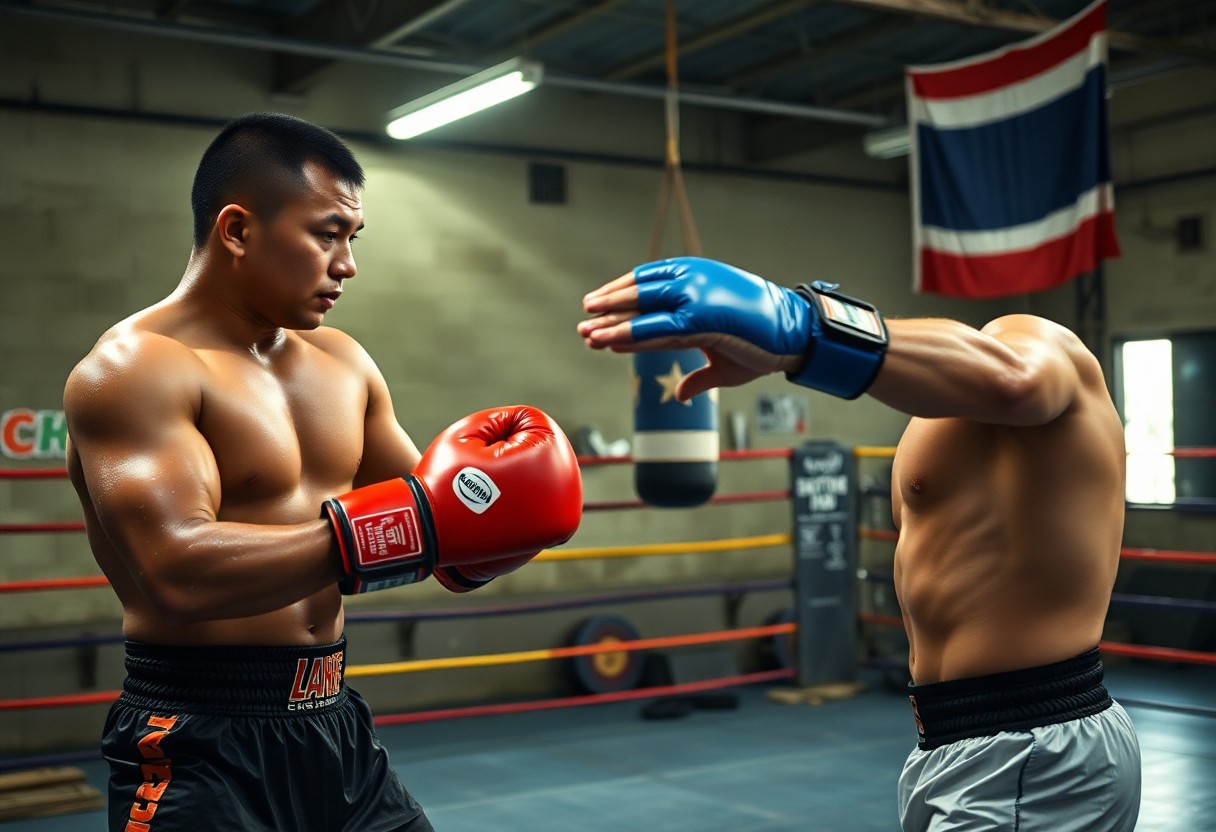
Over time, structured drills, partner sparring and reaction exercises build the fast, automatic responses that create a reliable defense in Muay Thai; this guide shows progressive routines, sensory training and getaway patterns to reduce openings and enhance timing. Emphasizing proper mechanics and situational drills minimizes the risk of serious injury while boosting stamina and ring confidence, so you can defend under pressure with speed and consistency.
Understanding Reflexes in Muay Thai
Reflexes in Muay Thai blend automatic spinal responses with learned, anticipatory reactions driven by pattern recognition and visual cues. Simple reflex arcs handle immediate threats like a leg kick, while trained fighters layer timing and anticipation through drills and sparring. Reaction windows vary: visual RT ~200-250 ms, auditory ~140-160 ms; elite athletes shave off 30-50 ms via cue training. Emphasizing defense and consistent exposure speeds integration of these systems.
Types of Reflexes
There are several functional categories: fast spinal reflexes for impact avoidance, visual-motor reflexes for blocking and parrying, and anticipatory/reflexive strategies built from experience and pattern training-each responds differently under pressure and fatigue. For example, a reactive check uses spinal circuits in ~50-100 ms for limb withdrawal, while visually cued counters rely on cortical processing. Recognizing how each type maps to training allows targeted drills and safer progression.
- Spinal – immediate, automatic limb withdrawal and impact response
- Visual-motor – parries and blocks triggered by sighted cues
- Anticipatory – learned timing based on patterns and distance
- Startle – generalized rapid protective response under surprise
- Conditioned – sport-specific reflexes forged by repetition
| Reflex Type | Characteristics & Training Tip |
| Spinal | Fastest (50-120 ms); train with sudden pad taps and light-contact leg-kick drills |
| Visual-motor | Slower (200-250 ms); improve with reaction lights, focus-mitt sequences, and shadowboxing |
| Anticipatory | Pattern-based; develop via situational sparring, ladder drills, and scenario repetition |
| Startle/Conditioned | High variability; reduce false starts with controlled unpredictability and recovery drills |
Factors Influencing Reflex Development
Development depends on age, genetics, training volume, sleep, and nutrition; fatigued fighters show RT slowdowns of 10-25%. Specificity matters: 1,000+ patterned repetitions accelerate conditioned reflexes, while plyometrics and sprint work enhance neuromuscular speed. Perceiving how each factor shifts performance helps prioritize interventions.
- Age – reaction peaks in 20s-30s, decline slower with maintenance
- Fatigue – reduces precision and increases delay
- Sleep – sub-6 hours impairs decision speed
- Practice – deliberate reps build conditioned responses
- Nutrition – hydration and glucose sustain neural firing
Neuromuscular adaptations require both volume and variability: combine 2-3 weekly reaction sessions (10-20 minutes each) with 3-4 high-quality sparring rounds to transfer drills to live contexts. Use measurable metrics-reaction-time apps or light systems-to track a 5-10% improvement goal over 8-12 weeks, and apply targeted recovery protocols after intense blocks. Perceiving these trends lets coaches tailor progression and reduce injury risk.
- Volume – consistent short sessions outperform sporadic long ones
- Specificity – drill with the same distances and setups as fights
- Recovery – active recovery preserves neural sharpness
- Measurement – use timers or sensors to quantify gains
- Variation – mix predictable and unpredictable stimuli for robustness
Techniques for Developing Reflexes
Step-by-Step Drills
Start with isolated, repeatable stimuli: 3×3-minute rounds on the double-end bag for timing, 5-minute partner-triggered slip-and-counter sets, and 2-minute reaction-ball sessions for unpredictability. Track successful defensive responses per round (aim for a 70%+ success rate before increasing speed) and progressively reduce cue-to-response windows by 5-10% weekly. The progression should prioritize controlled tempo, then speed, then integration into light sparring.
Drill and Purpose
| Drill | Purpose / How |
|---|---|
| Double-end bag | Sharpens timing and precision; 3×3-minute rounds focusing on rhythmic counters. |
| Partner cue slips | Builds reactive head movement and immediate counters; use randomized cues, 5 reps each. |
| Reaction ball | Trains unpredictable rebounds and hand-eye speed; 2-4 minutes, 4-6 sets. |
| Pad tempo rounds | Conditions reflexes under fatigue; 3 rounds with decreasing rest intervals. |
Tips for Improving Reaction Time
Emphasize short, frequent sessions: 10-15 minutes daily of focused drills yields faster neural adaptation than long, infrequent work. Incorporate peripheral vision drills, auditory start cues, and sleep hygiene-target 7-9 hours-to consolidate gains; include caffeine sparingly before training for a 5-10% alertness boost. The fastest improvements come from consistent micro-sessions paired with recovery.
- Peripheral vision – ring-finder, soft-focus drills 5-10 minutes/day.
- Auditory cues – coach-triggered starts to reduce latency.
- Sleep & recovery – 7-9 hours to optimize synaptic consolidation.
- Progressive overload – shorten cue windows 5-10% weekly.
For measurable progress, track reaction latency and accuracy: aim to lower cue-to-response time by 20-30 ms over 6-8 weeks while maintaining or improving hit/avoid percentages. Elite fighters can reach latencies near 150-220 ms in trained drills; novices often start above 300 ms. Use video analysis and shot clocks to quantify changes and adjust stimuli complexity as performance improves. The data-driven approach speeds reliable gains.
- Latency tracking – use video to measure ms improvements.
- Accuracy metrics – percent successful avoids/counters per set.
- Progressive complexity – add feints, multi-cues, and fatigue layers.
- Data-driven adjustments – raise difficulty when metrics plateau.
The Importance of Defense in Muay Thai
Defense determines whether you leave the ring healthy and competitive, limiting exposure to high-impact strikes-elbows, knees and head kicks-that cause cuts, swelling and concussion risk while creating openings for counters. Fighters like Saenchai and Buakaw emphasize head movement, clinch control and distance management to avoid damage. Incorporate 3 weekly reaction sessions of 3-5 rounds (30-60 seconds each) to maintain fast, reliable defensive reflexes.
Pros of Effective Defense
Well-developed defense extends careers and improves fight control by reducing stoppages and generating scoring opportunities; solid blocks and parries set up clean counters such as the teep or counter-hook. Practice with mirror drills, partner parry-and-return and high-speed pad work-3-5 rounds per drill-to sharpen timing and decrease reaction time, yielding fewer stoppages and more consistent dominance in exchanges.
Cons of Neglecting Defensive Skills
Neglecting defense accelerates damage accumulation and creates exploitable patterns opponents capitalize on; offensive-only fighters are vulnerable to repeated elbows, head kicks and resulting concussions or fight-ending blows. In both competition and sparring this leads to missed camps, longer recovery and stalled progression, making defensive lapses a high-cost mistake.
Repeatedly taking clean strikes compounds consequences: even sub-concussive impacts degrade reaction speed and decision-making over time. Cuts often need sutures and 1-3 weeks out of training, while concussive events can force months of rest, reducing fight frequency and income. Coaches track damage logs and adjust sparring intensity to prevent long-term injury and preserve an athlete’s longevity.
To wrap up
Taking this into account, disciplined reflex training-combining partner drills, pad work, reaction-ball exercises, and progressive sparring-sharpens timing, decision-making, and defensive instincts so guards and counters become automatic; pair with footwork, conditioning, and deliberate rest to solidify neural pathways and sustain fast, reliable defense under pressure.
FAQ
Q: What are the most effective methods to train reflexes for fast, reliable defense in Muay Thai?
A: Prioritize drills that force unpredictable inputs and teach the body to react automatically: partner feed drills where the partner varies attack timing and targets, double-end bag and slip-rope work for head movement and timing, reaction balls or tennis ball-on-a-string for off-balance catches, and pad sessions with randomized combinations. Train short, frequent sessions (5-15 minutes) focusing on speed and relaxation rather than brute force; tension slows reaction time. Combine technical repetition (parries, slips, checks, clinch counters) with sensory drills (visual focus, peripheral awareness) and progressive overload-increase speed or reduce reaction windows gradually. Track progress with video or simple reaction-timing apps and adjust drills to close small gaps in response time.
Q: Which specific drills develop timing, distance control, and defensive instincts most efficiently?
A: Use layered drills that isolate one variable at a time: partner lead-and-react (partner feints then attacks; defender reacts only when real strike launches), angle-and-recover footwork drills to master distance control, and catch-and-counter exercises where a defender blocks or parries and immediately returns a controlled counter. Add flow sparring rounds where only defense and counters are scored, and progressive-speed shadowboxing where you visualize incoming strikes and practice automatic responses. Implement device-based drills-double-end bag for rhythm, reaction lights or apps for split-second decisions-and finish sessions with fatigue drills (short high-intensity rounds) so instincts are trained under stress. For volume: 3-5 focused sessions weekly, e.g., 4-6 sets of 2-3 minutes per drill, adjusting intensity over time.
Q: How do I transfer reflex training into live sparring and maintain defensive reliability under fatigue?
A: Simulate fight conditions and constraints: do defensive-only sparring rounds where you cannot initiate offense unless you successfully defend first, and include rounds near the end of training to induce fatigue. Use interval conditioning that alternates high-output striking with immediate defense drills to train transitions under stress. Emphasize breath control and staying loose-tight muscles slow reactions-and practice decision-making with limited options (e.g., defend then counter with one or two techniques). Review sparring footage to identify telegraphs and habitual slow reactions, then target those with specific corrective drills. Maintain consistency with short daily micro-sessions (5-10 minutes) to preserve neural pathways, and periodize intensity so reflex sharpness peaks for competition while allowing recovery for consolidation.
Recommended Posts