Most athletes overlook the power of Muay Thai kicks in enhancing their overall performance and conditioning. By integrating these dynamic strikes into your training, you can improve leg strength, balance, and agility while also boosting your striking technique. This guide will provide effective methods and drills to seamlessly include Muay Thai kicks into your routine, ensuring you reap the benefits of this high-impact martial art for optimum results in your fitness journey.
Types of Muay Thai Kicks
Incorporating diverse Muay Thai kicks into your training can enhance your striking abilities significantly. Each kick serves a unique purpose and targets different areas. Below is a breakdown of the primary types of kicks you’ll encounter:
| Roundhouse Kick | Delivered with the shin, targeting the opponent’s body or head. |
| Push Kick | Used for distance management and to disrupt an opponent’s rhythm. |
| Teep Kick | A front kick that helps maintain distance and control. |
| Knee Strike | Executed to attack an opponent in close range, often targeting the head or body. |
Perceiving the effectiveness of each kick can lead to better application in the ring.
Roundhouse Kick
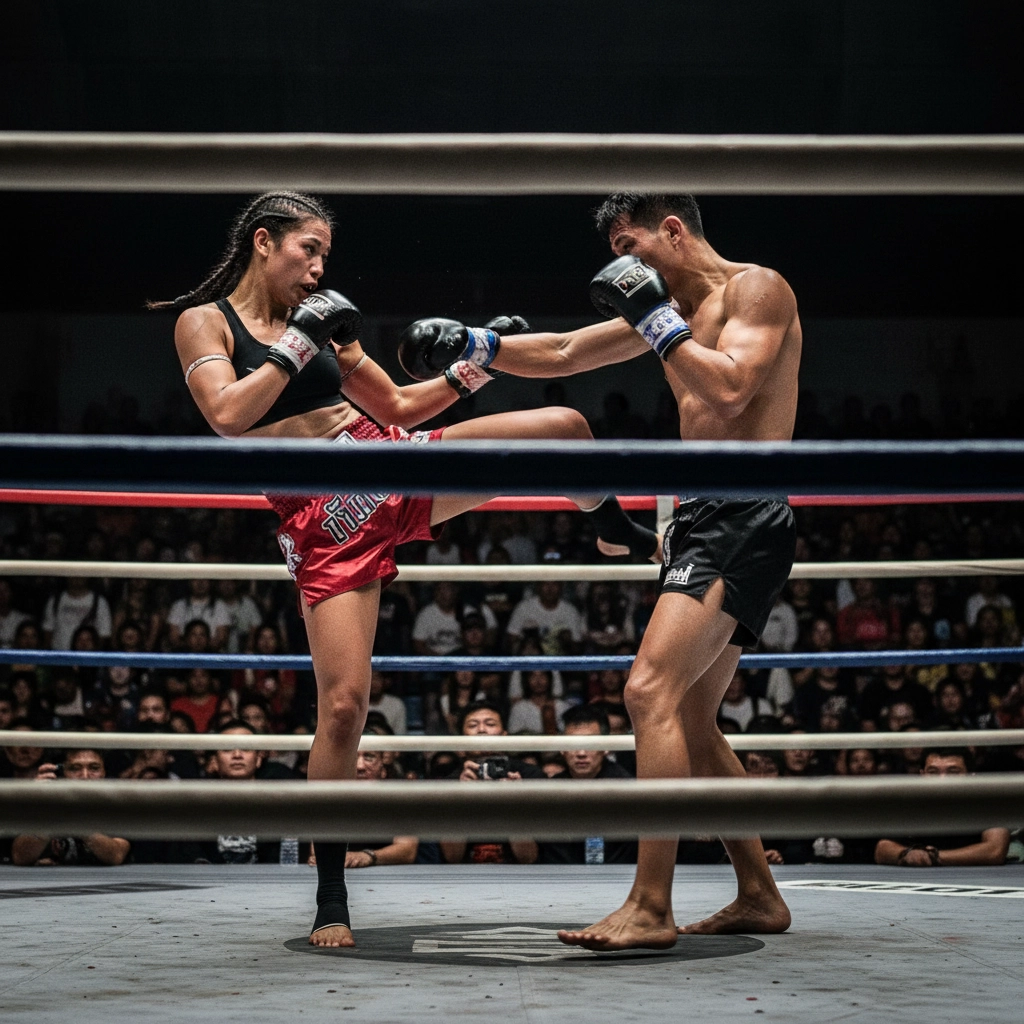
The roundhouse kick is a fundamental weapon in Muay Thai, executed by rotating the hips and pivoting on the supporting foot. This kick can generate substantial power, making it effective for delivering damage to both the body and head. Timing and precision are vital to maximize impact, allowing it to serve both offensive and defensive strategies.
Push Kick
The push kick, also known as the teep, is designed to create space between you and your opponent. This technique effectively disrupts their movement and opens opportunities for follow-up attacks. Often used to maintain distance, the thrust of the push kick can control an opponent’s advance and set up further striking options.
The effectiveness of the push kick comes from its ability to jab at an opponent’s midsection or thigh, acting as both a defensive and offensive maneuver. With proper technique, it can disrupt an opponent’s balance and rhythm, allowing a fighter to create openings for more significant attacks.
Teep Kick
teep kick focuses on distance and control. It is primarily used to push an opponent back or keep them at bay. The teep is aimed at various targets, including the stomach and face, effectively creating space or setting up combinations.
This kick not only disrupts incoming attacks but can also be executed to counter an opponent’s advance. Mastering the teep allows for strong ring control, enabling a fighter to dictate the flow of the match and display strategic prowess.
Knee Strike
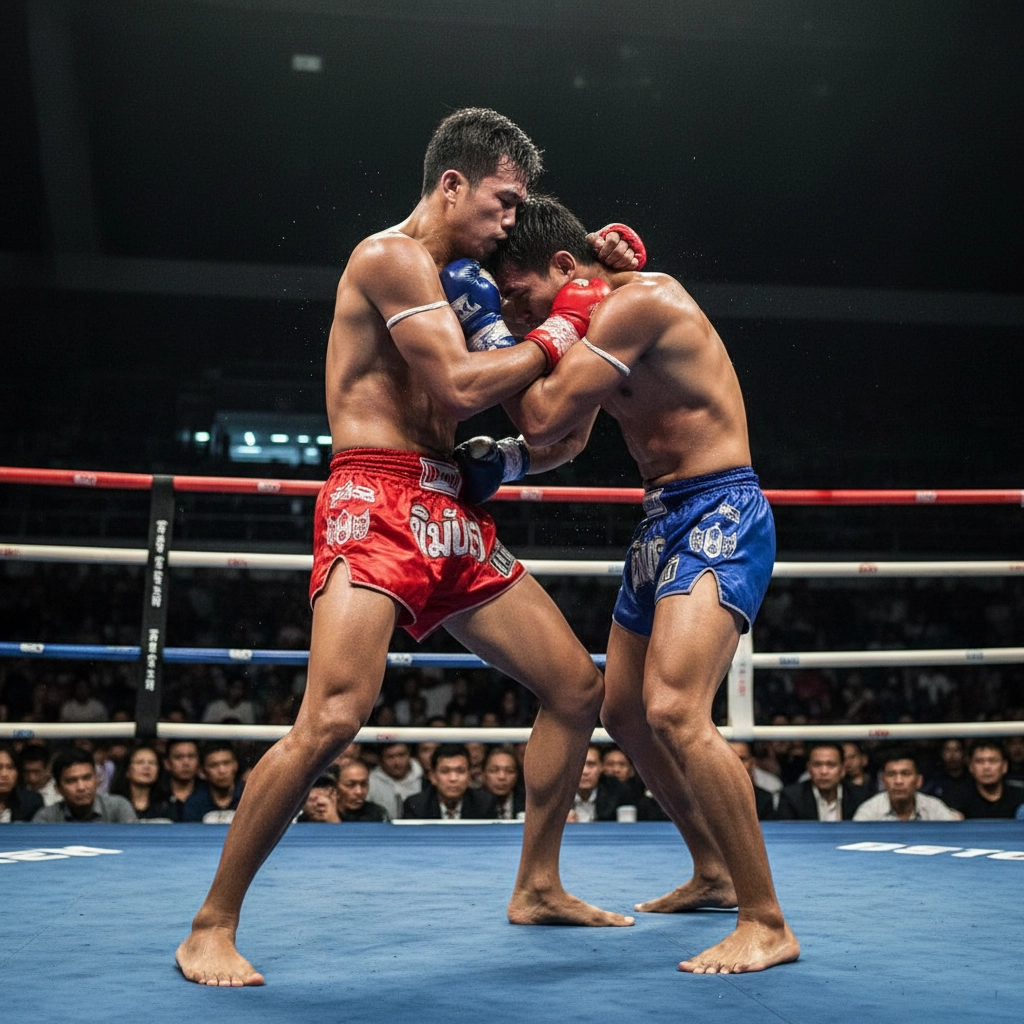
The knee strike is crucial for infighting situations, allowing you to target your opponent’s head or body while remaining in close quarters. This attack utilizes the powerful muscles of the legs and hips, delivering a striking blow that can effectively knock an opponent off balance.
Utilizing the knee strike in clinches can provide devastating results, especially when aimed at vulnerable zones such as the solar plexus or chin. Coupled with proper timing and positioning, knee strikes become an integral part of offensive tactics within Muay Thai, enhancing overall performance in combat scenarios.
Step-by-Step Guide to Incorporating Kicks
| Step | Details |
|---|---|
| 1. Warm-Up Exercises | Initiate your training with dynamic stretches focusing on the hips, legs, and core to prepare your body. |
| 2. Basic Kick Techniques | Learn fundamental kicks such as the roundhouse and front kick, focusing on form and balance. |
| 3. Progressing to Advanced Techniques | After mastering basics, incorporate combinations and counter-kicks into your drills. |
Warm-Up Exercises
Begin with bracing warm-up exercises like jumping jacks, leg swings, and hip rotations to increase flexibility and blood flow. Aim for 10-15 minutes to ensure your muscles are primed for rigorous kicking sessions, reducing the risk of strain or injury.
Basic Kick Techniques
Focusing on basic kick techniques sets a strong foundation. Start with the roundhouse kick, emphasizing hip rotation and foot positioning. Additionally, practice the front kick to develop forward pressure. Work on your balance to maintain stability during these movements.
Each basic kick requires distinct mechanics. For instance, while executing a roundhouse kick, pivot your support foot, rotate your hips, and extend your leg in a fluid motion. Developing muscle memory through repetition afirms the technique and boosts power and accuracy. It’s vital to practice slowly at first, gradually increasing speed once you feel comfortable and proficient.
Progressing to Advanced Techniques
Once you’ve solidified basic techniques, transitioning to advanced kicks like the spinning back kick and knee strikes enhances your arsenal. These kicks require greater body coordination and timing, which can be sharpened through repetition and focused practice.
- Incorporate shadowboxing with these advanced kicks.
- Pair kicks with defensive movements to enhance timing.
- Use pads or a heavy bag to practice power and accuracy.
- Focus on conditioning your legs through drills designed for endurance.
| Technique | Details |
|---|---|
| Spinning Back Kick | This kick demands precise footwork and excellent timing; practice its motion in segments. |
| Knee Strikes | Effective in close range, enact slow repetitions to master the mechanics before increasing pace. |
Essential Tips for Effective Training
To maximize your performance when incorporating Muay Thai kicks, focus on several key aspects. Prioritize enhancing your footwork, optimizing timing and distance, and developing breath control. Each element plays a significant role in executing powerful and accurate strikes. This will ensure you can effectively apply the techniques during sparring or competition.
Proper Footwork
Effective footwork is foundational for executing Muay Thai kicks proficiently. It allows for speed in moving in and out of range while maintaining balance and stability. Practicing drills, such as shadow boxing and footwork ladders, can enhance agility and coordination, ensuring your kicks land with precision.
Timing and Distance
Mastering timing and distance is vital for striking successfully in Muay Thai. Each kick requires you to gauge your opponent’s position accurately and respond accordingly, either by advancing or retreating. Drills focusing on rhythmic patterns can help build instinctual responses, making your strikes more effective.
Understanding how to read an opponent’s movements enhances your ability to time your kicks flawlessly. By maintaining the correct distance, you can maximize the impact of your strikes while minimizing the risk of counterattacks. Integrating sparring scenarios will reinforce these skills and help solidify your instincts during live situations.
Breath Control
The ability to control your breath directly impacts your performance during training and fights. Proper breathing techniques keep you calm, enhance endurance, and allow for better execution of kicks. Practice inhaling deeply through the nose and exhaling powerfully when striking for increased energy and focus.
Incorporating breath control exercises, such as diaphragmatic breathing or rhythmic patterns with kicks, can significantly improve your stamina. This practice helps keep your heart rate regulated, enabling you to maintain composure and efficiency in your movements, ultimately optimizing your training outcomes.
Factors to Consider in Your Training Routine
Integrating Muay Thai kicks into your regimen requires careful consideration of several factors. You should assess your fitness level, clearly define your training goals, and establish a plan for frequency and intensity to optimize your results. Understanding these aspects will create a more effective and personalized training approach. This lays the groundwork for a successful enhancement of your striking skills.
Fitness Level
Your fitness level plays a significant role in how you incorporate Muay Thai kicks. Beginners may need more focus on form and technique, while advanced practitioners can push for higher intensity and complexity in kick combinations. Acknowledging your starting point ensures the training is both effective and safe.
Training Goals
Defining your training goals is imperative for targeted progress. Whether aiming for improved striking power, better footwork, or enhanced cardio endurance, your objectives dictate how you structure your sessions. Specific goals lead to tailored training routines, allowing for efficient skill development and measurable outcomes.
Consider setting SMART goals-Specific, Measurable, Achievable, Relevant, and Time-bound. For example, if your aim is to improve kicking speed, you might dedicate a portion of each training session solely to drill explosive kicks while tracking performance over weeks. This targeted approach not only keeps motivation high but also ensures progressive overload aligned with your aspirations.
Frequency and Intensity
Establishing a proper balance of frequency and intensity is important when incorporating Muay Thai kicks into your training. Ideal training might involve practicing kicks 3-4 times per week, incorporating intensity variations like high-energy rounds or slower, technique-focused sessions. Each frequency and intensity adjustment can propel performance enhancements.
Monitor your body’s response to frequency and intensity carefully. If you find excessive fatigue or soreness, consider scaling back on session length or intensity levels temporarily to allow for recovery. Conversely, if you adapt and find little challenge, gradually increasing the duration or adding more complex combinations will help maintain progress and motivation throughout your training journey.
Pros and Cons of Muay Thai Kicks
| Pros | Cons |
|---|---|
| Enhances striking power and precision | Higher risk of injury if performed incorrectly |
| Improves overall conditioning and endurance | Requires flexibility and strength training |
| Develops coordination and balance | Can be difficult to master for beginners |
| Versatile applications in self-defense | Potential for joint strain with repetitive practice |
| Boosts mental toughness and discipline | Time-consuming to integrate into routines |
Benefits for Conditioning and Flexibility
Incorporating Muay Thai kicks significantly enhances conditioning and flexibility. The dynamic movement involved in executing these kicks engages various muscle groups, promoting cardiovascular fitness and stamina. Regular practice stretches the hip flexors, hamstrings, and quadriceps, leading to increased range of motion and injury resistance. Athletes often report improved performance in other disciplines as well, showcasing how a diverse kickboxing workout can unleash hidden potential.
Potential Risks and Injury Prevention
While Muay Thai kicks offer numerous benefits, they also come with risks, particularly concerning joint injuries and muscle strains. Proper technique is necessary to minimize the likelihood of injuries, especially to the knees and ankles. Ensuring a thorough warm-up and cooldown, alongside focused stretching routines, can help maintain flexibility and reduce the risk of overuse injuries. Using protective gear during training, especially for beginners, is advisable to further safeguard against accidental impacts and misalignments.
It’s vital to listen to your body and adjust training intensity accordingly. Beginners should start with basic kicks before advancing to more complex techniques, allowing for muscle adaptation and skill improvement over time. Regular check-ins with a knowledgeable coach can provide tailored feedback and ensure correct form, reducing injury risks while promoting effective training.
Summing up
Conclusively, integrating Muay Thai kicks into your training regimen can significantly enhance your overall performance, agility, and strength. Prioritize mastering the fundamentals before progressing to combinations and advanced techniques. Consistent practice with proper form ensures optimal results and injury prevention. Additionally, incorporating these kicks into various drills and sparring sessions will facilitate real-world application and improve your striking prowess. Ultimately, establishing a well-rounded training routine that emphasizes Muay Thai kicks will contribute to both your fitness and martial arts skill development.
FAQ
Q: What are the basics of executing a Muay Thai kick?
A: To perform a Muay Thai kick effectively, begin in a proper stance with your feet shoulder-width apart. Rotate your standing foot and pivot your hip as you lift your kicking leg. Extend your leg, striking with the shin, while keeping your hands up to protect your face. Finish the kick by allowing your leg to return to the ground, landing safely in your stance.
Q: How can I include Muay Thai kicks in my existing workout routine?
A: Incorporate Muay Thai kicks by dedicating specific days to striking practice within your weekly workout schedule. Start with a warm-up that engages your legs and hips, followed by shadowboxing that emphasizes kicks. You can also use a heavy bag for impact training and partner drills for real-time feedback. Aim for two or three sessions per week to progressively improve your technique and power.
Q: What are some common mistakes to avoid when practicing Muay Thai kicks?
A: Avoid overextending your kicks, as this can lead to loss of balance and injury. Ensure your core is engaged to maintain stability throughout the kick. Don’t neglect your footwork; a solid foundation is vital to effective striking. Lastly, focus on your breathing, as proper exhalation during a kick can enhance power and control.
Recommended Posts