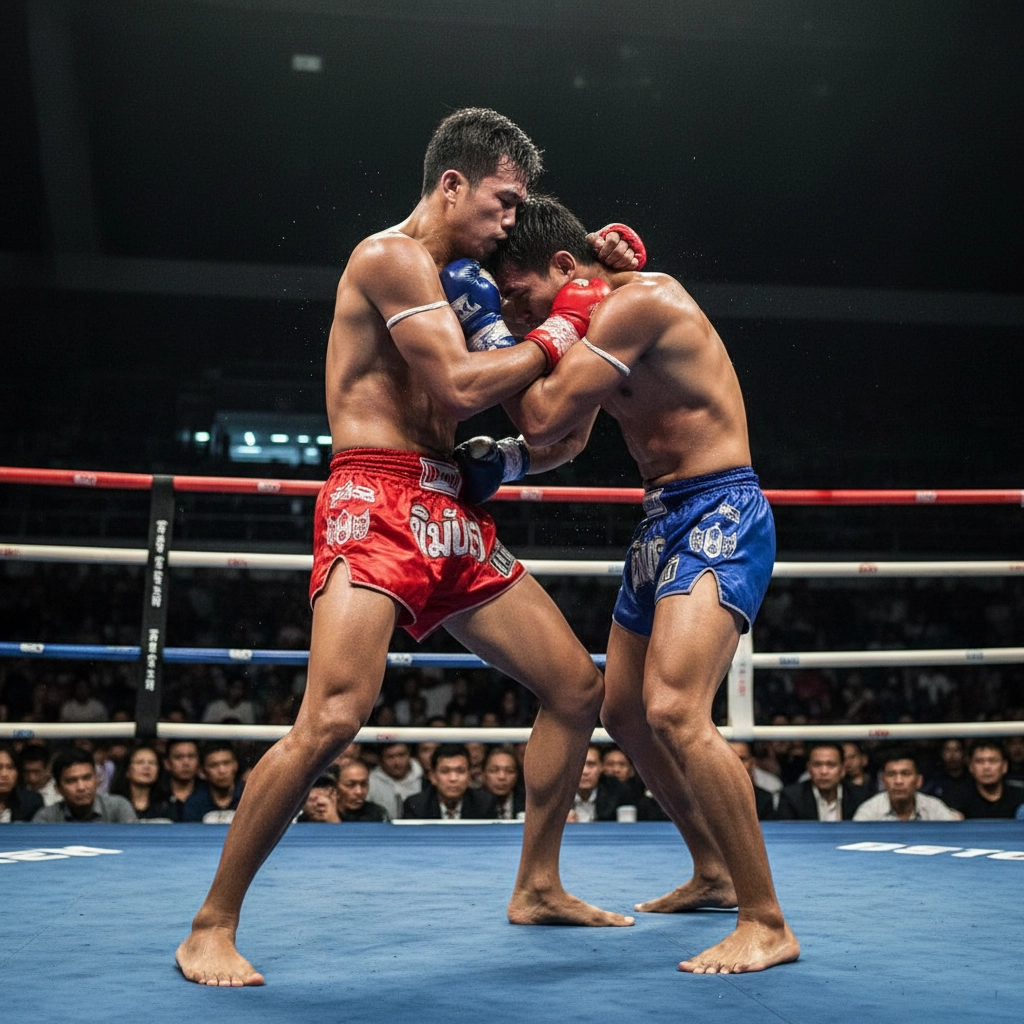

You already know Muay Thai is fast, physical, and full of sudden momentum swings. When you bet live, you’re not locked into a pre-fight opinion; you can react to what actually happens in the ring. Live markets often move quickly after big strikes, clinch dominance, or a visible injury, and those moves create opportunities to spot value if you interpret the action correctly.
Betting in real time rewards observational skill and discipline. You’ll need to read strike volume, damage, stamina, and control of range and clinch. Because bookmakers adjust odds to protect their books, you can find short windows where the market overreacts — for instance, when a fighter lands a big elbow but hasn’t actually changed the fight’s trajectory. Your job is to differentiate meaningful shifts from noise.
What you should watch during the opening rounds
The early rounds often define live betting opportunities. In Muay Thai, the first two rounds reveal styles, timing, and willingness to engage. Focus on a concise set of indicators rather than trying to track everything at once:
- Activity and volume: Which fighter is dictating pace? Higher clean strike volume tends to win rounds on judges’ cards and affects live momentum.
- Clinching and knees: Clinch control can score heavily. If a fighter dominates the clinch consistently, expect judges and markets to favor them.
- Leg kicks and mobility: Effective leg kicks reduce an opponent’s output and indicate long-term control — useful for live bets on later rounds or method markets.
- Damage and cuts: Visible swelling or a cut changes stoppage probability. Odds for KO/TKO often jump after a nasty-looking strike.
- Stamina indicators: Look for slowing combinations, heavy breathing, or dropped hands — early signs a fighter will fade.
Basic live markets to prioritize and when to use them
Not every in-play market suits every situation. You should prioritize markets that match what you can reliably observe and understand:
- Next round winner: Useful when one fighter clearly controls the ring at the end of a round — odds shift quickly at round breaks.
- Method of victory (KO/TKO, decision, submission): Watch cuts and power strikes for KO value; if both fighters are conservative, decision is likelier.
- Round betting: If a fighter is tiring or badly hurt, backing a finish in the immediate rounds can offer high value.
- Prop bets (first to score, total strikes): Short-duration props can be profitable if you have fast reactions and low latency to the stream.
Keep your stakes measured and use a small fraction of your bankroll per live play because in-play odds move fast and emotions can escalate. Also factor in stream latency and bookmaker response time before clicking a bet.
Next, you’ll learn practical live-betting strategies, timing tactics for different types of Muay Thai fighters, and how to combine observable signals with odds movement to find consistent value.
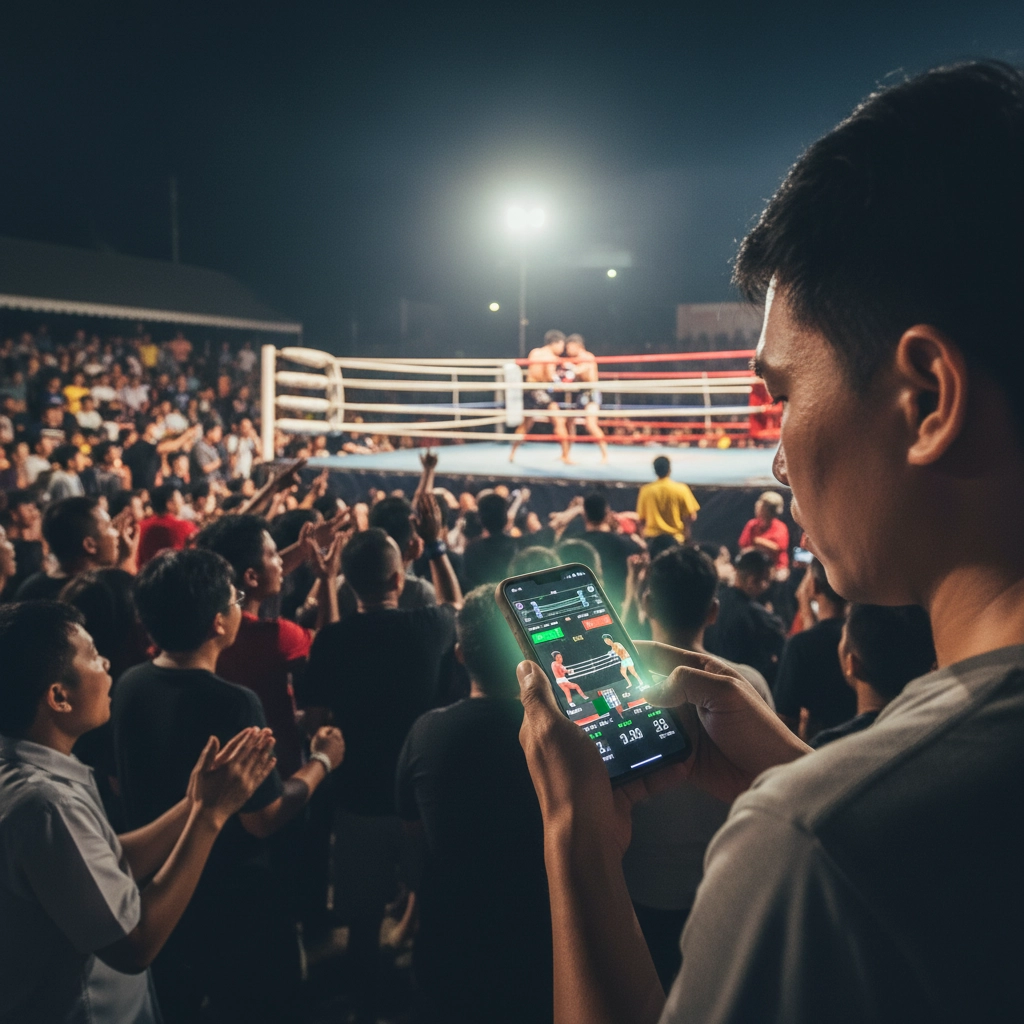
Practical live-betting strategies you can use immediately
Turn observation into a step-by-step routine so you don’t make impulse bets. A simple framework I use is: Observe → Confirm → Size. That means watch two clear indicators, wait for confirmation (a follow-up strike, clinch sequence, or visible fatigue) and then commit a pre-determined stake size. This reduces chasing and emotional betting.
- Scale in, don’t go all-in: Place an initial small bet when you see a promising signal, then add if the situation strengthens. For example, a small live wager on a fighter gaining clinch control can be boosted if they win the next exchange decisively.
- Use micro-markets for quick edges: First to land a knee, next to score — those props move fast and are less priced-in. Only use them if your stream latency is low and you can react within a few seconds.
- Hedge smartly at round breaks: Odds reset at round start — bookmakers often overvalue the fighter who “won” the previous half-round. If you have a position that’s now vulnerable, consider a small hedge at a round break rather than cashing out at a poor value.
- Set fixed stop-loss rules: Decide beforehand how much of a running live position you’ll accept losing. Live markets punish tit-for-tat betting; a stop-loss prevents tilt.
- Exploit referee and corner behavior: A lenient ref increases stoppage odds; an active corner grabbing a fighter between rounds suggests they’ll push for a finish. Those non-strike cues are often underpriced by markets.
Timing tactics for different Muay Thai styles
Not all fighters offer the same live-betting windows. Tailor your timing to style:
- Pressure clinchers: These fighters aim for control and knees. Bet rounds or method (TKO) when you see repeated successful clinch sequences and the opponent’s output drops. Avoid early KO props — clinch finishes are more attritional and occur late.
- Counter-strikers: Value appears when the aggressor misses repeatedly. If the counter-striker lands clean counters while absorbing minimal damage, back them mid-round or for the next round as odds swing after a few successful counters.
- Leg-kick specialists: Live value often opens in rounds 2–4. Leg damage compounds; once the target limps or loses mobility, odds for late stoppage or round wins for the kicker will shorten—these are good moments to back them before the market fully prices in the decline.
- High-output volume fighters: If a fighter wins the activity battle early but lands mostly low-value strikes, be cautious about decision-heavy markets. Conversely, if their pace forces one opponent to gas, late-round finishes become attractive.
Reading odds movement and market psychology during a fight
Odds are real-time statements of perceived probability plus bookmaker protection. Learn to tell the difference between reaction and re-assessment:
- Sharp moves after a single big strike are often emotion-driven: If a fighter lands an eye-catching elbow but lacks follow-up, the market may overreact. Wait 10–15 seconds to see corner/referee and follow-up action before betting.
- Slow, steady drift reflects genuine shift: When odds move gradually over a round, that usually means professional traders are digesting sustained dominance — these trends are safer to follow.
- Watch liquidity and price depth: Large, abrupt price swings on niche books can indicate limited liquidity rather than actual fight-changing events. Prefer markets with consistent volume for larger stakes.
- Use contrasting books: If one bookmaker overreacts, another may lag. Arbitrage is rare in live Muay Thai, but spotting a lagging book lets you take better odds quickly.
Combine observation with disciplined sizing and you’ll convert split-second insights into consistent live-betting profit rather than chasing variance. In the next part we’ll cover tools that reduce latency, practical staking plans, and how to build a live-betting journal that actually improves results.

Putting live Muay Thai betting into practice
Live betting rewards discipline, quick observation, and a system you can repeat. Before you click a single in-play wager, set up the basics: a reliable low-latency stream, accounts at two or three bookmakers, and a simple staking rule you’ll follow under pressure. Treat each live play as an experiment — record why you bet, the exact market, stake size, outcome, and what you learned. Over time that record becomes your best edge.
- Secure low-latency access and test it pre-fight; if latency is high, avoid micro-markets.
- Choose no more than two live markets to focus on per fight (e.g., next round and method) and stick to them.
- Predefine stake size and stop-loss for every live session to prevent tilt and overtrading.
- Use quick non-strike cues (referee style, corner behavior) in your decision checklist — they’re often underpriced.
- Review your live-journal weekly and adjust only one variable at a time (stream, market, sizing) so you can isolate what works.
If you want guidance on setting safe betting limits and responsible play, see BeGambleAware.
Frequently Asked Questions
How much of my bankroll should I risk on a single live Muay Thai bet?
For live betting, smaller stakes are safer because odds move fast and emotion can influence choices. Many experienced in-play bettors risk between 0.5% and 2% of total bankroll on a single live play, with tighter limits for higher-frequency sessions. Use predetermined stake rules and a stop-loss for each session to protect your bankroll.
How do I factor stream latency into my live-betting decisions?
Measure delay before the fight by comparing the stream to a low-latency source (if available) or checking time stamps against an official feed. If latency is significant, avoid fast micro-markets (first strike, immediate props) and wait a few seconds after big events to see follow-up action. Maintain accounts with multiple bookmakers because price lag between books can occasionally offer better odds.
Which in-ring indicators are most reliable for live Muay Thai bets?
Prioritize a few high-signal indicators: strike volume and accuracy, clinch control and repeated knees, visible leg damage or slowed mobility, significant cuts/swelling, and clear stamina decline. Combine these with odds movement—steady drift is more trustworthy than sharp, emotional jumps—and include referee/corner behavior as secondary cues.
Recommended Posts