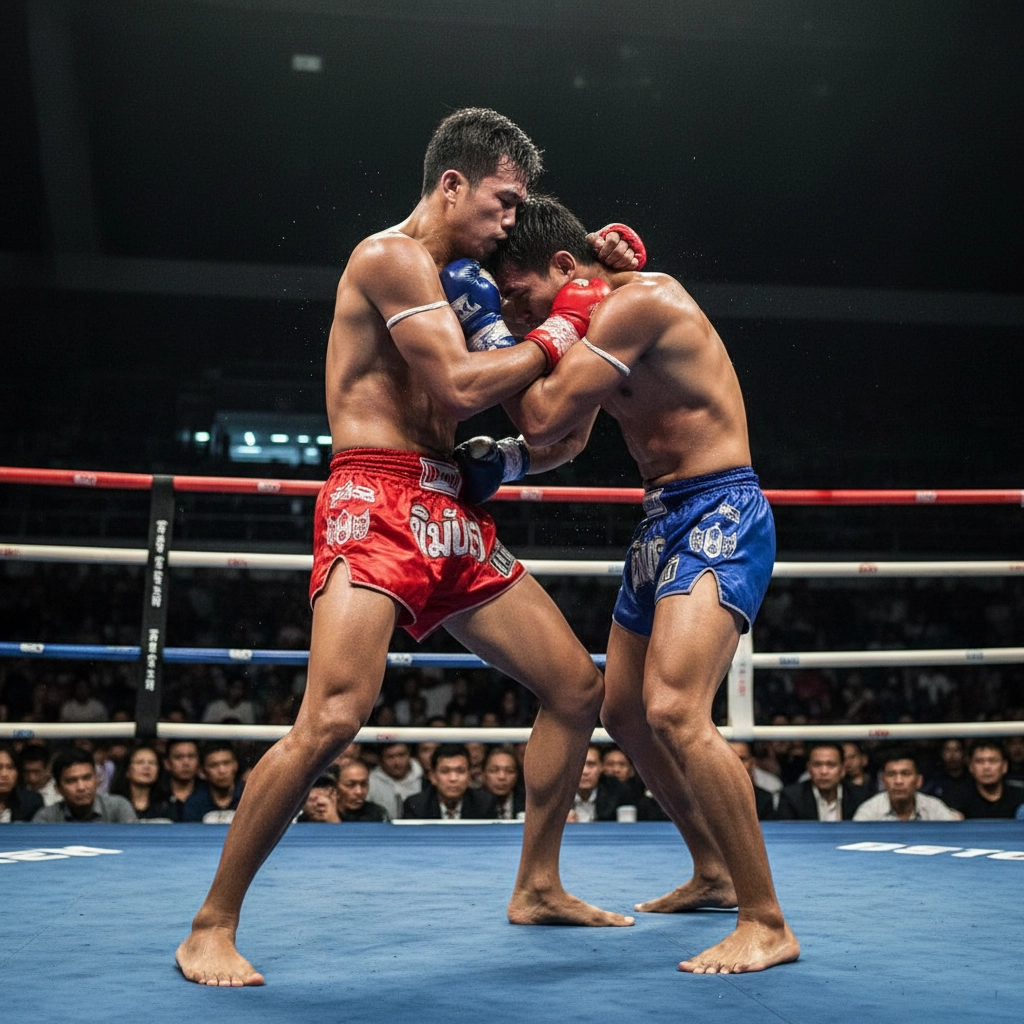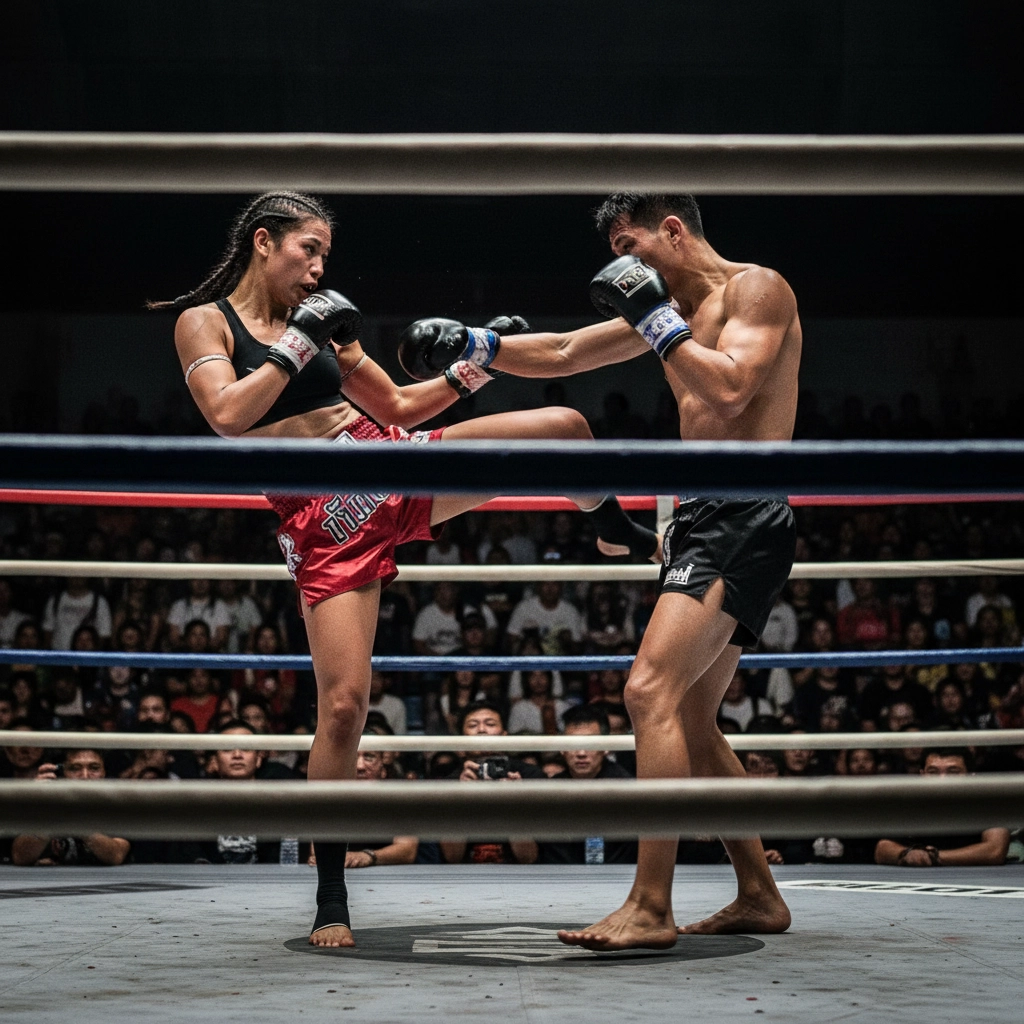
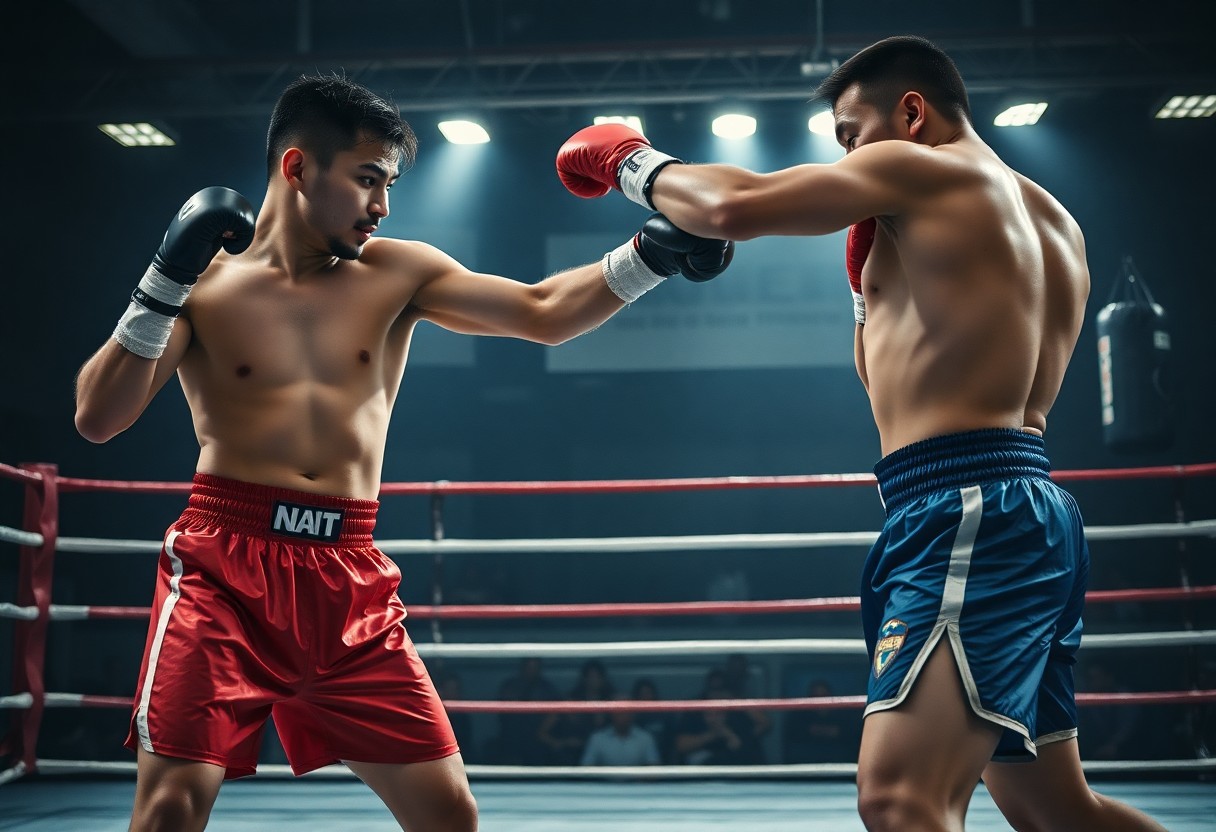
There’s a systematic approach to offense in Muay Thai that teaches fighters how to generate power, exploit openings with timing and land with precision. This guide breaks down effective combinations, knee and elbow strikes – among the most dangerous weapons – and transition drills to maintain control while minimizing exposure.
Understanding the Types of Attacks
Attacks split into clear functional groups that dictate distance, timing, and recovery: close-range elbows and knees, mid-range punches and hooks, long-range kicks, clinch wrestling for control and takedowns, plus feints that manipulate rhythm; practice 2-5 strike sequences to link ranges and force reactions. Thou prioritize blending at least two ranges-typically striking and clinch-to dominate rounds.
- Striking: punches, hooks, and straight shots to set up power strikes.
- Elbows: short-range, high-cut potential, used inside 0-1 m.
- Kicks: low, body, and head varieties to control distance and score.
- Knees: clinch-range damage dealers that sap balance and stamina.
- Thou should use feints and tempo changes to create openings.
| Punches | Mid-range weapons for setups and combos; use jab-cross to open guard and create a 2-3 strike window for a follow-up kick. |
| Elbows | Devastating short-range tools; aim for cuts and damage inside 0-1 m, mixing horizontal and upward angles for stoppage potential. |
| Kicks | Control distance and scoring: low kicks reduce mobility, body kicks sap breathing, head kicks are high reward but higher risk of counter. |
| Knees | Clinching staple-vertical and diagonal knees break posture and scoring momentum; combine with traps and off-balancing for maximal effect. |
| Clinch/Takedowns | Use pummeling, plum, and foot reaps to transition from control to throws or sweeps; leads to sustained knees and ring dominance. |
Striking Techniques
Develop combinations that merge speed and finishing power: employ a 1-2 to close distance, follow with a low kick to disrupt base, and finish with an elbow or hook when the guard drops; drills should include 3-5 strike combos at 70-90% intensity and targeted pad rounds focusing on timing and target fixation.
Clinch and Takedown Approaches
Control head and posture via pummels and the double-collar tie to create knees; aim for 3-4 decisive knees per clinch exchange, use cross-face pressure to off-balance, and secure foot reaps or sweeps when the opponent’s base shifts to convert control into scoring or takedowns.
Advance clinch strategy by training timed entries: pummel for 5-10 seconds to lock dominant hand, then execute a 2-3 knee burst while angling the opponent; practice specific drills-1-minute continuous knees, alternating single-leg reaps and crossface escapes-to increase endurance, leverage, and the success rate of takedown conversions.
Step-by-Step Guide to Executing Attacks
Attack Sequence Breakdown
| Step | Action / Detail |
| 1. Range | Establish distance with a probing jab and footwork; stay within 1-2 m for punches, 0-1 m for clinch strikes. |
| 2. Setup | Use feints, level changes, or a single step to create a 30-50% opening; throw 1-2 probing strikes before commitment. |
| 3. Primary Combo | Execute a 1-2-3 (jab-cross-hook) or jab-cross-low kick to destabilize balance and open targets. |
| 4. Close Range | Transition to elbows and knees in the clinch, delivering 2-4 short strikes per clinch exchange. |
| 5. Finish / Reset | After a committed strike, either follow with a high-percentage finish (hook/knee) or reset with lateral movement. |
Mastering the Jab, Cross, and Hook
Drive the jab to control tempo and measure distance; throw sets of 3-5 jabs to draw reactions. Then rotate the rear hip roughly 90° for a cross that transfers body weight and adds power, often opening the guard. Finish with a lead hook at a ~90° arc, pivoting the lead foot to add torque-ideal for the cheek, temple, or liver. Drill 100 reps per technique weekly and practice the 1-2-3 combo in 3-minute rounds for real-timer conditioning.
Effective Use of Elbows and Knees
Deploy elbows inside 0-0.5 m where punches lose effect: short horizontal elbows to the temple or jaw cut quickly, while downward elbows break guard. In clinch, pull the head down and drive the knee with hip thrust, aiming at ribs and solar plexus to sap breathing; execute 2-3 sharp knees per clinch entry. Train on the heavy bag in 30-second bursts and spar controlled clinch rounds to build timing and impact tolerance.
More detail: combine a single-frame pull of the opponent’s head with a lateral hip shift to create space for a clean elbow at a 30-45° angle, increasing cut probability. Use alternating knees-one deep to the body, one snap to the sternum-to compromise posture; elite fighters often mix short elbows between knees to open a cut then finish with a single heavy knee. Track success rates in sparring (e.g., convert 1 in 6 clinches into scoring knees) to refine setups and timing.
Important Factors to Consider in Attacking
- Timing – exploit 0.2-0.5s windows for counters and combinations.
- Distance – control 1-2 m range with teeps and jabs to set up kicks and knees.
- Pressure – alternating forward pressure and recovery creates openings.
- Feints & setups – bait blocks, then attack the exposed guard.
Combine controlled pressure with precise timing and measured distance to turn setups into high-value strikes; elite fighters convert small guard drops into decisive knees or elbows. Assume that tracking one repeated action (e.g., dropping the rear hand after a low kick) yields consistent openings.
Timing and Distance Management
Use the teep to maintain 1-2 m range, then close 0.5 m with a step-in cross or clinch entry; practicing 3-minute drills where you alternate?pressure and withdrawal improves reactive windows from ~0.5s to ~0.2s. Prioritize footwork to convert measured space into a clean strike while avoiding counters.
Reading Your Opponent
Track patterns: if an opponent throws a left body kick 7/10 times after a jab, cut that sequence with a counter overhand or angle off to the weak side. Use eye movement, hip alignment, and breathing pauses as tells to anticipate attacks and create openings.
Drill observation: spend two rounds purely watching rhythm, then one round testing a single counter; repeat over 20 sparring sessions to quantify tendencies (e.g., guard drops 60% after spinning attempts). Implementing this data-driven approach turns subtle tells into repeatable offensive strategies.
Essential Tips for Improving Attack Techniques
Refine entries by practicing angle changes and level shifts so combinations like jab-cross-low kick-elbow become seamless; repeat 3-5 strike chains ending with a clinch or rear-leg low kick to unbalance opponents. Measure engagement zones-1-1.5 m for teeps, 0.5-1 m for elbows-and time entries within 0.7-1.2 second windows after a feint. Alternate two heavy pad rounds per week with four technical rounds to develop both power and precision. Assume that you train at fight pace and record sessions for analysis.
- timing
- distance
- combinations
- feints
- clinch
- finishing strikes
- angles
Drills and Training Methods
Use structured cycles: 6×3-minute Thai pad rounds with 1-minute rest for fight simulation, plus 10 minutes of shadowboxing focusing on entries and footwork each session. Add partner flow drills-5×3-minute exchanges at 60-70% intensity-to rehearse setups, and do 5×2-minute clinch pummeling to secure transitions. Incorporate interval conditioning like 8×30s sprints to preserve explosive output for late-round attacks, and limit full-power sparring to 1-2 sessions weekly.
Mental Preparation and Strategy
Develop a concise gameplan with 2-3 contingency paths: pressure, counter, and clinch-heavy options, and practice switching at set markers (e.g., after round 2). Apply visualization for 10 minutes pre-session to rehearse entries, and use box breathing (4-4-4) to control heart rate before rounds; prioritize composure so decision-making stays sharp under fatigue.
Detail a routine: spend 10 minutes visualizing three scenarios (early distance control, mid-fight clinch, late-round finish), set round micro-goals like landing two clean combinations per round, and perform a 5-minute pre-fight breathing sequence. Track adjustments in a training log-note what triggers angle changes or openings-and review footage weekly to refine the gameplan and strengthen mental triggers for timely, high-percentage attacks.
Pros and Cons of Various Attack Techniques
| Technique | Pros / Cons |
|---|---|
| Jab | Pros: controls distance, sets combinations; Cons: low stopping power, easily countered when predictable. |
| Cross / Power Punch | Pros: high knockout potential, closes rounds fast; Cons: leaves balance exposed and is punishable if missed. |
| Roundhouse Kick | Pros: high damage to body/head, versatile angles; Cons: telegraphs on overcommitment and risky vs. catches. |
| Low Kick | Pros: accumulative damage, reduces mobility; Cons: can be checked, requires repetition to be decisive. |
| Teep (Push Kick) | Pros: excellent range control and rhythm disruption; Cons: less damaging, can be caught and swept. |
| Elbow | Pros: high cut potential and short-range finishing tool; Cons: close distance required and risky for counters. |
| Knee | Pros: devastating in clinch, scores well; Cons: stamina-taxing and vulnerable to takedowns or frames. |
| Clinch Strikes | Pros: control plus repeated knees/elbows; Cons: energy-intensive and penalized if held illegally. |
| Spinning Attacks | Pros: high reward with surprise and extra power; Cons: very high risk-missed spins lead to heavy counters. |
Advantages of Different Strikes
Jabs and teeps establish range and scoring; roundhouse and elbow deliver acute damage with short stopping potential. Low kicks systematically reduce an opponent’s mobility-three to five rounds of persistent leg work often tilt fights. Clinch knees and elbows excel in close quarters, where a single well-placed knee or elbow can change judging and cause cuts, as seen in many Lumpinee bouts featuring fighters like Buakaw and Saenchai.
Potential Risks and Countermeasures
Power punches and spinning strikes expose the hips and invite counters; checking a low kick with the shin or catching a roundhouse followed by a sweep are standard counters. Teeps can be caught and turned into clinches, so mixing feints and level changes reduces predictability. Elbows carry high cut risk but demand secure entry-use head movement and angles to mitigate counters.
Drills reduce those risks: practice 3-minute rounds where partner throws 15-20 low kicks while you alternate checking and countering, and run catch-and-sweep drills for 5 sets to improve timing. Emphasize recovery-after throwing heavy cross or spinning techniques, rehearse a 1-2 second retraction to a safe guard to avoid the common hard-counter scenarios seen in competitive bouts.
Incorporating Attacks into Your Fighting Style
Integrate strikes with timing and movement: chain 3-5 strike combinations mixing head, body and leg attacks to break defensive patterns. Use the jab to set tempo, a low kick to collapse the opponent’s base, then a switch-kick or knee as a finish. Train linking offense to defensive entries-parry then two-step in-so attacks flow off footwork and feints rather than as isolated attempts.
Adapting Techniques for Different Opponents
Versus taller fighters prioritize chest teeps and repeated low kicks to the lead leg to reduce range and mobility; deploying 2-3 low kicks within 15 seconds disrupts their rhythm. Against short, aggressive inside-fighters, use lateral movement, uppercuts, and short elbows in the clinch; enter off 1-2 feints and strike the temple or cheekbone with a short elbow to stop forward pressure.
Building a Versatile Attack Strategy
Structure your work: allocate roughly 60% of striking rounds to combination chains, 25% to clinch and elbow work, and 15% to counter-timing and recovery. Drill stance-switching, off-angle entries, and 30-90 second power bursts to expand options; study Saenchai for angles and Buakaw for kick-to-pressure sequences to model adaptability.
Use specific drills: run 3-minute rounds where minute one emphasizes jabs/teeps, minute two low kicks/body shots, minute three finishing with elbows/knees; in structured sparring aim to land at least 30% of planned combos. Record sessions and apply video analysis to identify the 2-3 attacks that most reliably open opponents, then load those into your preferred sequences.
Final Words
Presently, mastery of attacking in Muay Thai demands disciplined drilling of fundamentals-timing, angles, combination flow, clinch offense, and conditioned strikes-integrated with tactical awareness and adaptive strategy; consistent practice and measured sparring forge the precision and confidence that define effective offensive fighters.
FAQ
Q: What are the fundamental attacking techniques every Muay Thai fighter should master?
A: Master the core striking tools: jab and cross for range control and setups; lead and rear roundhouse kicks with proper hip rotation and shin placement; the teep (push kick) to manage distance and off-balance opponents; hooks and uppercuts for close ranges; elbows for short-range damage and cutting; and knees from both long and clinch ranges. Train mechanics: turn the hips, pivot the support foot, keep the guard tight, and snap strikes with commitment to weight transfer. Progress from slow technical drills to full-power repetitions, include pad work, heavy bag, and partner drills to develop timing and conditioning. Avoid overcommitting on one limb, practice defensive recovery after each attack, and focus on accuracy and balance before power.
Q: How do you set up and chain combinations to maintain pressure and create openings?
A: Use variety in level, tempo, and angle to break an opponent’s rhythm. Start combos with simple punches to gauge distance, follow with a body or leg kick to change target levels, and finish with an elbow or clinch entry to capitalize on disrupted guard. Employ feints, rhythmic changes, and teeps to force reactions you can exploit. Mix lead-leg and rear-leg kicks, alternate head-body targets, and use pivots to create lateral angles. Drill specific sequences on pads and with partner resistance, then practice situational sparring where you must land a two- or three-strike combination under pressure. Track common openings you create and refine setups that force the opponent into predictable responses.
Q: How should fighters develop their clinch and close-range attack effectively?
A: Build clinch skills in stages: learn proper collar-and-biceps or double-under control, work head positioning to dominate posture, and practice pummeling to secure dominant grips. Drill knee types-single-leg, double-leg, and transverse knees-while controlling the opponent’s hips and balance. Combine knees with short elbows and off-balances (push-pull, reaping foot sweeps) to create scoring or finishing opportunities. Start with static partner drills against resistance, then progress to controlled live clinch rounds focusing on transitions, and finally full clinch sparring with rotation and counters. Strengthen neck, shoulders, and core for stability and conditioning, and train escape and defense techniques to avoid being countered when closing the distance.
Recommended Posts