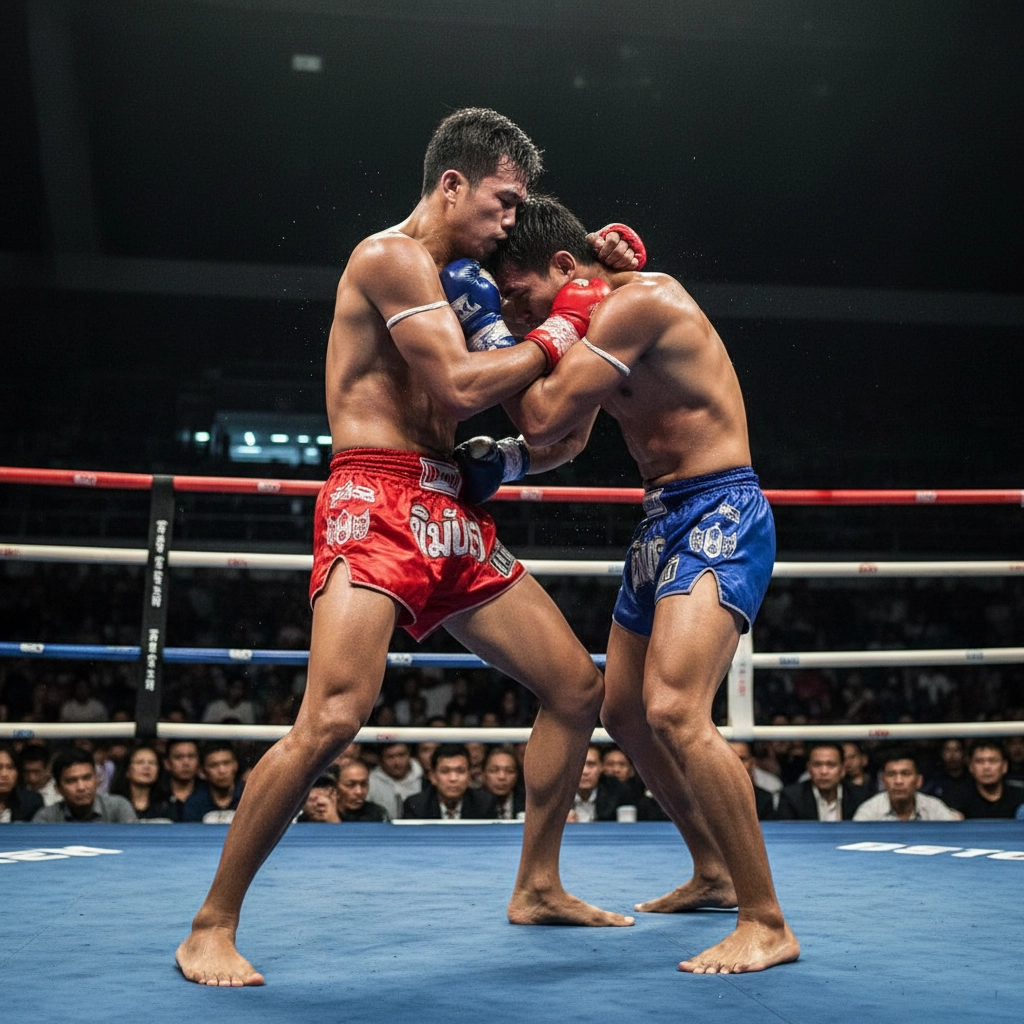

Just train defensive skills as deliberately as strikes: this guide breaks down the mechanics of guard, head movement, footwork and clinch to make you a harder target. Focus on proper timing, angle creation and tight shielding to neutralize opponents’ most dangerous attacks while developing effective counterattacks and injury-reducing habits that elevate ring survival.
Types of Defensive Techniques
Defense divides into distinct approaches that manage distance, timing, and damage mitigation; practitioners mix them per style and opponent.
- Block
- Parry
- Evade
- Clinch
- Footwork
Parrying often reduces strike force by ~20-30% when timed, while proper footwork prevents 40-60% of low-kick entries in drills. Assume that you allocate focused rounds to each category weekly to build reliable reactions.
Defense Types Table
| Technique | Primary Benefit |
| Block | Immediate impact absorption; shields head and body |
| Parry | Redirects force; opens counter windows |
| Evade | Removes target via slips and steps; reduces contact |
| Clinch | Neutralizes strikes; controls opponent’s posture |
| Footwork | Distance management; prevents combinations |
Basic Defense Movements
High guards, teep checks, inside/outside parries, and lateral steps form the foundation; drill 200-300 reps weekly to ingrain timing. Emphasize the high guard against elbows and the teep to disrupt low kicks, while simple slips reduce headshot risk by up to 50% in sparring sets.
Basic Movements
| Movement | Drill/Metric |
| High guard | 3×2-min rounds focusing on strikes to the head |
| Teep check | Set of 50 partner kicks with immediate return teep |
| Inside parry | Pad drill: parry then 1 counter in 0.5s |
| Slip step | Shadowboxing 5 sets of 30s with slips |
| Angles | 4-direction pivot drills, 100 reps total |
Advanced Defensive Strategies
Layered defense blends baiting, angle creation, and immediate counters-common elite practice: 300-500 situational reps monthly to ingrain patterns. Use a timed parry-to-counter (0.2-0.5s window), employ clinch entries to stop momentum, and exploit overcommitment for turning low-kick checks into counter-kicks.
- Trap-parry: invite a jab, parry, step off-angle, counter with elbow.
- Feint-to-evade: feint to elicit predictable reaction, then sidestep.
- Counter-bridge: check a kick and immediately return a low kick.
- Clinch timing: close at 0.4-0.8s after opponent misses to control posture.
Advanced Strategies
| Strategy | Training Focus |
| Parry→Counter | 0.2-0.5s reaction drills, 5 sets |
| Angle creation | Pivot drills: 4 directions, 100 reps |
| Bait & punish | Controlled sparring rounds, intented feints |
| Clinch control | 2-min clinch rounds emphasizing posture |
| Integrated reps | 300-500 scenario reps/month |
Further detail: combine metrics with film study-track opponent tendencies over 3-5 fights, then script counters into padwork; professional gyms assign 10-12 situational drills per week to close gaps.
- Log tendencies: jab frequency, 1-2 combos per round.
- Simulate scenarios: 3-minute sets replicating found patterns.
- Measure success: aim for 60% clean defenses in controlled sparring.
Advanced Drill Plan
| Focus | Session Format |
| Tendency logging | Video review + 5-drill replication |
| Timed counters | Parry-counter ladders, 0.2-0.5s |
| Scenario sparring | 3×3-min rounds with scripted entry |
| Clinch transitions | 4 rounds focusing on posture breaks |
| Performance metric | Weekly % of successful defenses logged |
Essential Tips for Effective Defense
Practice a layered approach: guard for strikes, head movement to evade, and angled footwork to reset distance. Drill 3×3-minute rounds focusing 30% of sessions on reactive drills and 20 minutes weekly on clinch escapes; fighters who emphasize defense in sparring often lower absorbed damage by measurable margins. Use pad work to sync timing with counters and record rounds to track improvements. Assume that consistent, measured repetition builds reflexes and reduces telegraphing.
- Guard and parry chains for multi-strike sequences
- Footwork drills to create angles and reset range
- Timing intervals: 0.2-0.5s reaction windows
- Clinch escapes and counters for close-range safety
Analyzing Opponents
Break fights into 2-3 round segments and log patterns: note if an opponent throws a lead teep, low kick, or switch 40%+ of the time and which side they favor. Track delays-if they load punches >0.5s before committing, plan slips and counters; prioritize defenses against clearly dangerous moves like a looping head kick or late spinning elbow observed in their past 3 bouts.
Practicing Timing and Distance
Drill partner close-outs and retreats for 60 reps to groove spacing, then run 3×3-minute rounds alternating tempo to train ~0.2-0.5s reaction windows. Use a metronome or coach cues to vary rhythm and have pad holders delay strikes by ~0.3s to force reads. Focus on micro-steps and shoulder feints to manipulate distance and sharpen timing.
Specific drills: ladder footwork (2-in/2-out with 30s sprint closes), a 5-set “stop-and-counter” where attacker throws 3 strikes and defender lands one counter, and video-timed feedback-record 10 exchanges, measure reaction latency, aim to shave off 0.05-0.1s per week; prioritize rhythm control before adding power.
Step-by-Step Guide to Defensive Techniques
Follow a progressive drill sequence that builds timing, distance and counters: start at 1-2 meters for teep and footwork, then close to clinch range. Work in 3 rounds of 3 minutes per drill, emphasize reaction windows of 0.2-0.4 seconds, and train sets of 50 reps for parries and checks to build muscle memory under fatigue.
| Step | Action / Drill |
|---|---|
| 1. Manage distance | Teep to maintain 1-2 m; 3×3-minute distance rounds. |
| 2. Guard & blocks | Forearms at 45°, chin tucked; 50 blocks each side on pads. |
| 3. Parry & redirect | Parry crosses outside, step 30-45°; 5 sets of 10 reps. |
| 4. Head movement | Slip ladder: 5cm slips, immediate counter; 3 rounds. |
| 5. Counter sequences | Slip or parry into 1-2 or low-kick catch + sweep; practice timing at 0.2-0.3s. |
Basic Blocks and Parries
Use forearm blocks to absorb straights and elbows, keeping the elbow tight to the ribcage to protect the body; check low kicks with the shin turned outward to avoid tibial impact. Parry the cross to the outside while stepping off line, then return a compact counter-drill 50 parries per side, three times weekly, to make the motion instinctive under pressure.
Evasion and Counter Techniques
Slip 5-8 cm off the centerline and counter inside with a hook or teep; angle stepping 30-45° creates immediate openings. Combine head movement with footwork-practice 3-minute rounds where every slip must be followed by a 2-strike counter within 0.2-0.4 seconds to punish overcommitment and shift momentum.
Advance evasion by chaining techniques: slip left, pivot 45° and deliver a rear low kick or short elbow, or catch a teep and step in for a knee. Drill partner scenarios-one attacker simulates 6 strikes, defender responds with slip/parry + 2 counters-repeat for 5 sets. Study fighters like Saenchai for small-step angle work and Buakaw for timing counters off the retreat; both illustrate how angled evasions convert defense into scoring offense.
Key Factors in Defensive Mastery
Master defense by integrating five pillars: consistent distance management, precise timing, a tight guard, active head movement, and efficient footwork. Camps often schedule 2-3 weekly sessions focused solely on counters and drills, using timed pad rounds and scenario sparring to build instinct. Add aerobic and anaerobic conditioning to sustain responses under fatigue. Perceiving opponents’ weight shifts and eye lines allows preemption of attacks.
- Distance – control range to neutralize clinch and kicks.
- Timing – counter within 0.2-0.5s of strike initiation.
- Recovery – reset stance within 1-2 steps to avoid follow-ups.
Physical Conditioning
Develop neck and core strength to reduce head snap and absorb strikes; include neck-harness work, farmer carries, and sled pushes. Schedule 2 weekly resistance sessions and 3 HIIT workouts (6-8 x 20s sprints) to raise power and recovery. Emphasize hip drive and rotational power with kettlebell swings and medicine-ball throws, plus one 30-45 minute steady aerobic session to maintain sharpness late in rounds.
Mental Preparedness
Train situational awareness with 10 minutes of daily visualization and reaction time drills that force decisions within 0.2-0.5s. Use controlled sparring facing three predicted attack types until responses become automatic, and practice cue-based drills (eye-line reads, shoulder tics) to speed reads. Pressure-test composure using timed breathing and simulated crowd noise so cognition stays steady under fatigue.
Deepen mental skills with targeted drills: run 5 rounds of 3-minute situational sparring where each round limits responses to one cue-jab defense, low-kick reading, or clinch entry-forcing pattern recognition. Add 2-minute reaction-ladder drills (coach randomizes light or pad cues) across 4 sets to lower latency, and log errors to track improvement by session; measurable gains often appear within weeks of consistent practice.
Pros and Cons of Different Defensive Techniques
| Technique & Pros | Cons |
|---|---|
| Block / Parry: Immediate damage reduction, low energy cost, easy to drill. | Can be beaten by heavy kicks; repetitive blocking risks shoulder fatigue and telegraphing. |
| Head Movement / Slipping: Avoids contact entirely, creates 1-3s counter windows. | Mistiming leads to clinch or takedown; poor timing leaves you off-balance. |
| Footwork & Angling: Controls distance, opens angles for counters and teeps. | High cardio demand; requires timing and space, struggles on the ropes. |
| Clinch: Neutralizes strikes, scores in Muay Thai, allows knees and control. | Very high energy use; risky vs. strong clinch breakers and elbow counters. |
| Teep / Push Kick as Defense: Maintains range, interrupts rhythm, easy to score. | Can be caught or sidestepped, leading to sweeps or off-balance moments. |
| Catch / Check Kicks: Stops leg attacks and creates knee/counter opportunities. | Leaves you vulnerable to follow-up punches if balance is lost; requires strong core. |
| Counter-striking Defense: Turns defense into offense, often scores judges’ favor. | Demands precise timing; a missed counter can expose your head or body. |
| Shin Blocking for Low Kicks: Protects the lead leg and reduces accumulation of damage. | Shin bruising and potential to be overwhelmed by repeated power kicks. |
| Rolling / Parrying with Angle: Reduces impact, conserves energy against combinations. | Requires anticipation; risky near the ropes or corners where escape is limited. |
| Active Defense / Feints: Disrupts opponent timing and creates openings. | Can telegraph intentions or waste energy if overused without follow-up plans. |
Advantages of Effective Defense
Effective defense reduces absorbed damage, extends fighting longevity, and creates scoring chances through counters; for example, a well-timed parry opens a 1-2 second window that elite fighters exploit to land high-value elbows or knees. It also improves ring control and often forces opponents into predictable patterns you can plan against.
Potential Drawbacks to Consider
Heavy emphasis on defense can increase cardio demands and limit offensive volume; training sessions that allocate 20-30% of time to defensive drills may reduce sparring rounds focused on aggression, and judges sometimes favor activity over passive avoidance, affecting decision outcomes.
Additionally, certain defensive strategies carry specific risks: clinching burns energy fast and exposes you to dirty boxing and knees, while excessive head movement without footwork can lead to sweeps. Balancing defensive drills with live situational sparring mitigates these downsides and teaches when to switch from pure defense to controlled offense.
Incorporating Defense into Training Regimen
Blend defensive work into every session: assign two dedicated defensive rounds per training day and weave defensive objectives into mitt work and conditioning. For example, perform 3 x 3-minute defensive rounds focusing on head movement and counters, followed by 4 rounds of pad drills where the pad holder throws unpredictable combinations. Prioritize clinching escapes and elbow avoidance to reduce stoppage risk and build practical, high-pressure resilience.
Drills and Sparring Sessions
Use progressive drills: start with shadowboxing emphasizing slips and angles, add partner parry-to-counter sets (5 sets of 2 minutes), then situational sparring where the defender begins on the ropes for 2 rounds of 3 minutes. Incorporate reaction drills using a tennis ball or light sensor to cut reaction time, and include controlled elbow rounds with protective gear since elbows are highly dangerous and demand specific timing practice.
Analyzing Performance and Progress
Collect measurable data: record sparring at 60-120 fps and tag every successful defensive action versus absorbed strikes, aiming to reduce clean hits by a target like 20% in eight weeks. Use simple metrics-successful blocks per round, missed counters, clinch escapes-and schedule film review sessions every 7-14 days with coach feedback to convert observations into training adjustments.
During video review, annotate three recurring errors per fighter and create corrective drills: for example, if head drops on counters, prescribe 10 minutes of chin-tuck shadowboxing daily and two focused pad rounds per week. Leverage slow-motion to pinpoint timing windows, compare sessions to track trends, and use short, specific goals (weekly: +10% parry rate; monthly: -15% absorbed power strikes) to guide objective progress.
Conclusion
With these considerations integrated into consistent training, fighters will build defensive instincts, sharpen timing, and apply effective blocks, checks, evasions, and counters under pressure; disciplined drilling and situational sparring make defense a proactive weapon that preserves health and secures tactical advantage.
FAQ
Q: What are the vital defensive techniques every Muay Thai fighter should master?
A: Build a layered defense that includes a strong guard, head movement, checks, parries, footwork and clinch control. Key elements: – Guard and framing: keep elbows tight to protect the ribs and forearms high to shield the head; use the rear hand to block straight strikes and the lead hand to parry and control distance. – Head movement: practice slipping, rolling and short pivots to make strikes miss while staying balanced for counters. – Leg checks and hip positioning: check low kicks with a turned hip and firm shin; plant the lead foot slightly off-line to reduce impact and create counter angles. – Parrying and redirecting: use small, explosive parries to off‑balance punches and open windows for counters; combine parries with a step to change distance. – Footwork and angles: circle off-line instead of backing straight up; create angles to neutralize a power striker and force awkward attack lines. – Clinch defense: control posture, hand position and frames to break the opponent’s grip, counter knee threats and recover position. Practice each element individually, then combine them into flow drills so transitions between blocking, evading and countering become instinctive.
Q: How should I structure training sessions to develop reliable defensive skills?
A: Use progressive sessions that move from isolated mechanics to realistic application: – Warmup (10-15 min): mobility and light partner drills focusing on head movement and footwork. – Technique block (20-30 min): slow repetitions of checks, parries, slips and clinch escapes with a partner or mitts; emphasize proper angles and recovery. – Drill block (20 min): partner drills with increasing tempo – e.g., jab-only rounds where defender practices parry+counter, or low-kick exchanges with immediate check+counter. – Situational sparring (15-20 min): controlled rounds where one fighter attacks with limited tools (only kicks, only punches, or inside clinch) and the other practices specific defenses and counters. – Live sparring (if safe) (10-15 min): full-speed rounds with focus on defense-first objectives; alternate rounds where the goal is to survive and counter rather than dominate offense. – Conditioning and cooldown: specific conditioning like repeated checks and clinch endurance, followed by recovery work. Frequency: include at least 2-3 dedicated defensive sessions per week and regular integration in all training. Track progress with video review and adjust drills to target recurring weaknesses.
Q: What tactical habits help a fighter apply defense effectively under pressure or in a fight?
A: Develop habits that conserve energy, reduce damage and create counter opportunities: – Control distance and pace: use teeps, footwork and frames to keep the fight at your optimal range and force opponents to overcommit. – Stay calm and breathe: exhale on contact to absorb force and reset quickly; a controlled breathing pattern prevents panic and rash movements. – Anticipation and pattern reading: watch hips and weight shifts to anticipate kicks or punches; bait predictable opponents with feints to provoke telegraphed attacks. – Counter mindset: practice immediate, simple counters (one‑two after a parry, a step-in body shot after a blocked kick) so that defense flows into offense. – Recovery posture: after avoiding a strike, find your balance and guard first, then choose the counter; avoid lunging unless the counter is low risk. – Adaptation: if an opponent favors certain tools, adjust your guard, angle and timing to neutralize those attacks (e.g., widen stance and lift knee for repeated low kicks, or tighten guard and clinch against heavy punchers). Implementing these habits in controlled sparring and reviewing fight footage will make them second nature when pressure rises.
Recommended Posts