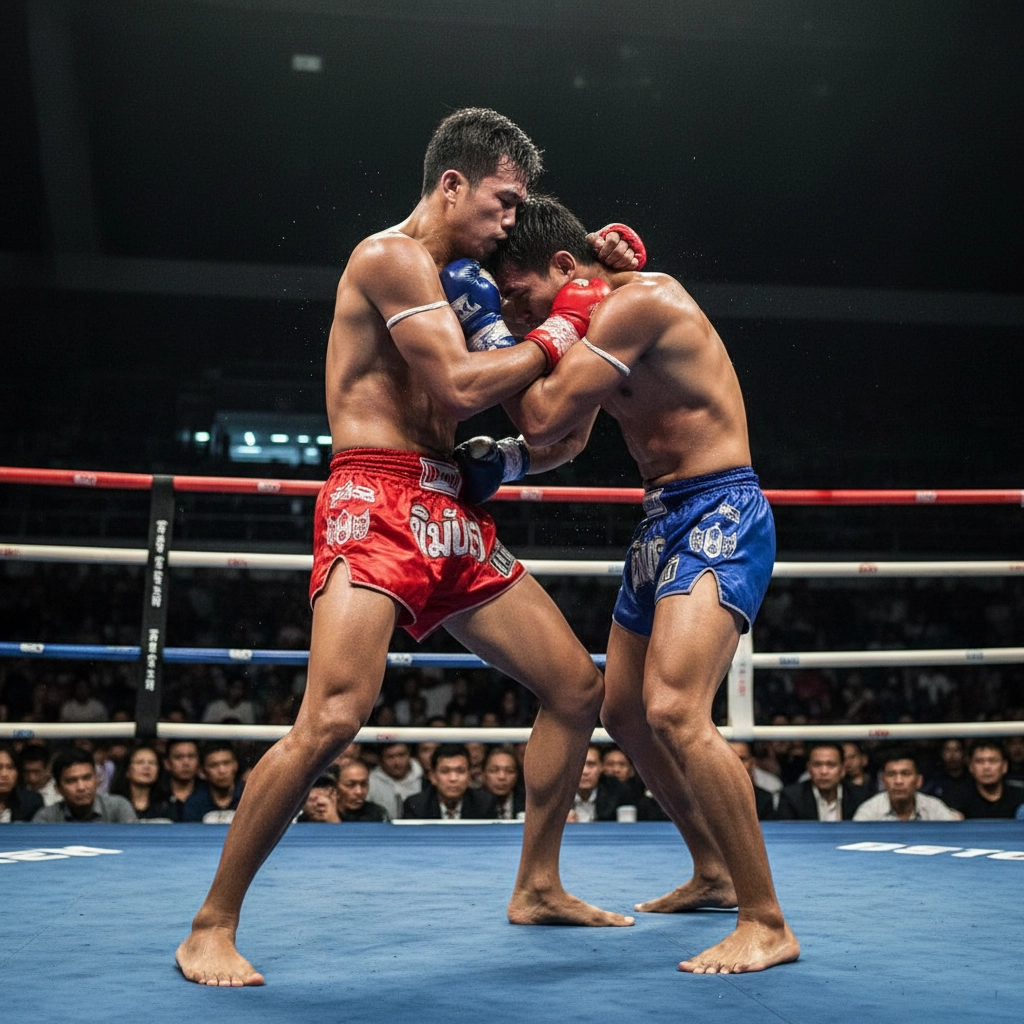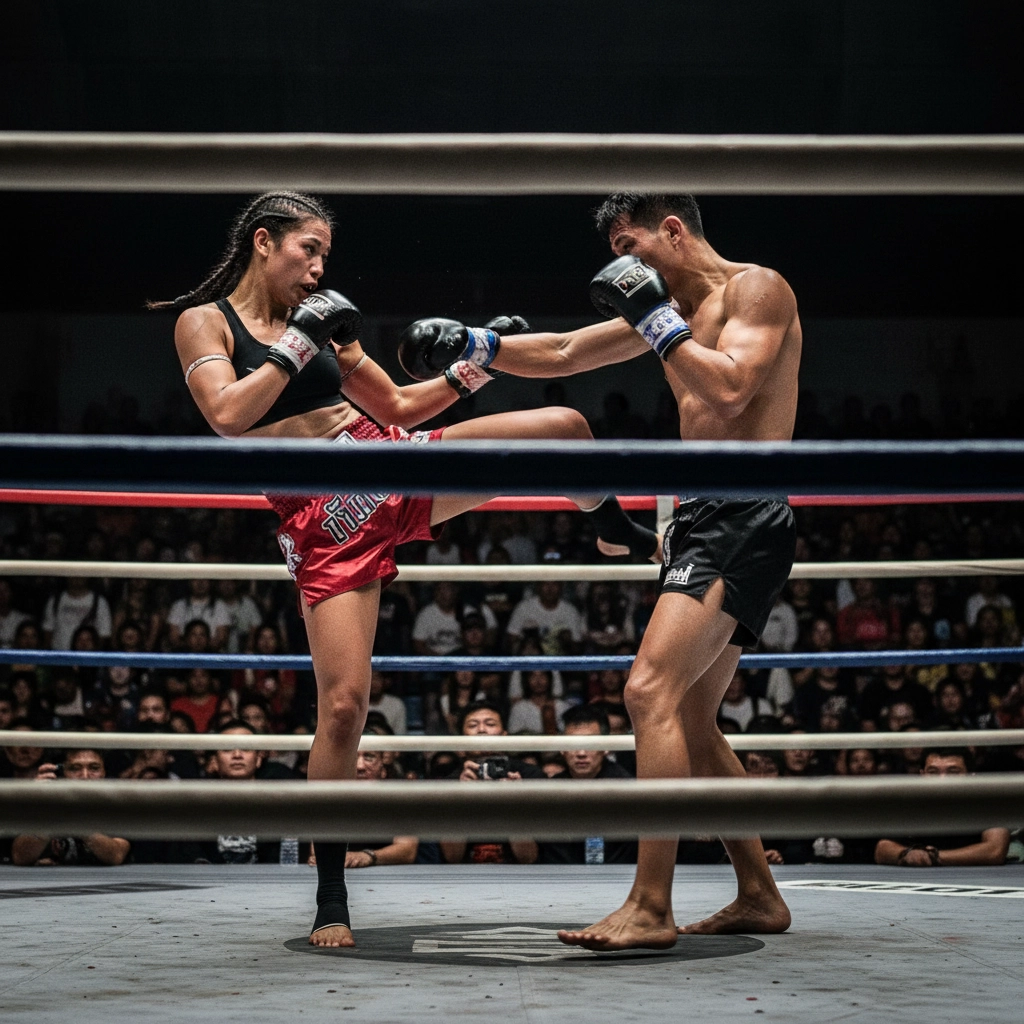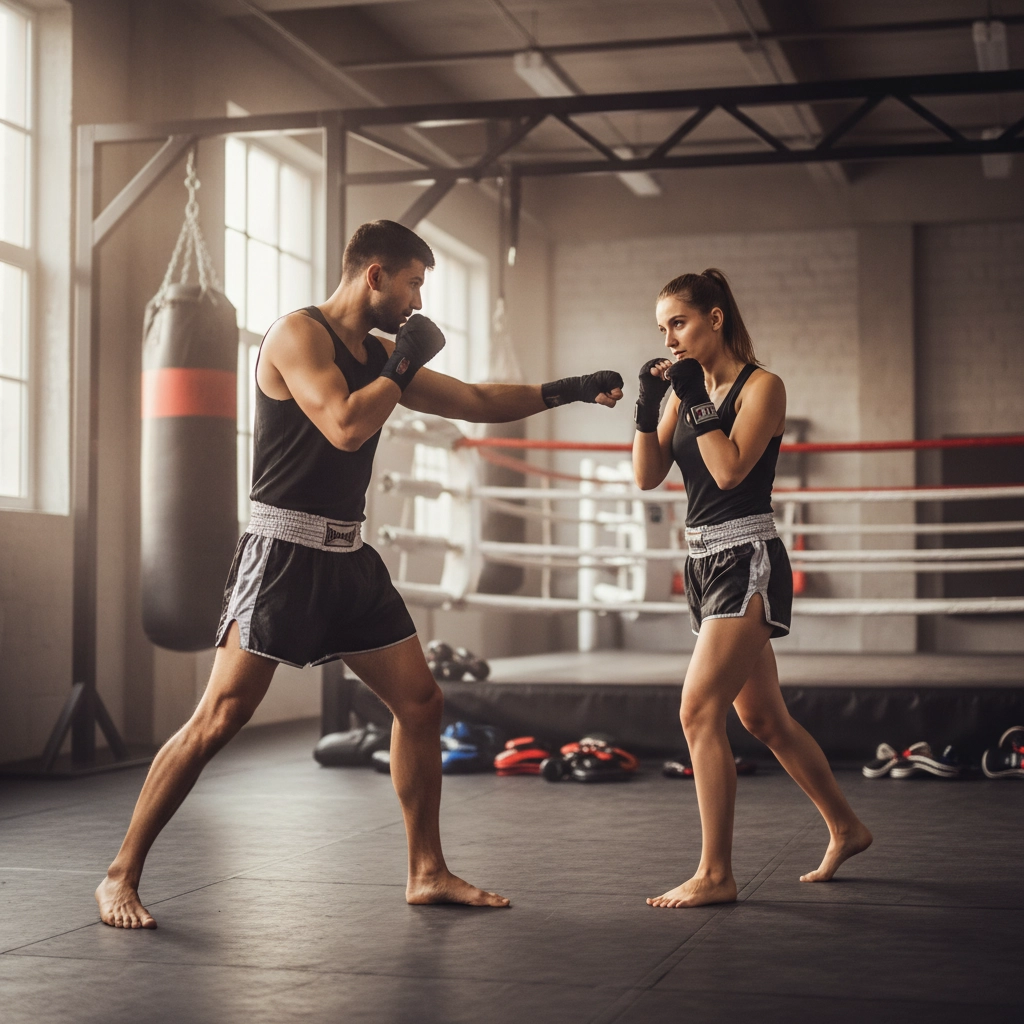
Most practitioners of Muay Thai understand that power in their kicks can significantly transform their fighting ability. To maximize this potential, specific drills and exercises are vital for developing strength, speed, and precision. Incorporating techniques like plyometric training and dynamic stretching into your routine can lead to explosive kicks that overwhelm opponents. This guide will outline effective methods to enhance your kicking power, ensuring you can deliver devastating strikes with confidence.
Types of Kicking Drills
- Shadow Boxing: Improves technique and power.
- Heavy Bag Work: Builds striking strength and endurance.
- Pads Drills: Enhances focus and accuracy.
- Partner Drills: Develops timing and distance control.
- Speed Drills: Increases speed and agility.
Assume that incorporating diverse drills can significantly elevate kicking prowess in Muay Thai.
| Type | Focus |
| Shadow Boxing | Technique |
| Heavy Bag Work | Power |
| Pads Drills | Accuracy |
| Partner Drills | Timing |
| Speed Drills | Agility |
Basic Kicking Drills
Fundamental drills are vital for establishing a solid groundwork in Muay Thai kicking. Basic exercises such as front kicks, roundhouse kicks, and teep kicks facilitate muscle memory and technique refinement. Commitment to these drills can improve overall control and ensure effective power generation. Consistently practicing these vitals allows fighters to develop a strong foundation, paving the way for advanced techniques later in training.
Advanced Kicking Techniques
Once the basics are mastered, advancing to complex kicking techniques enhances overall striking capability. Techniques like the spinning kick, axe kick, and jumping knee require not just strength but also precision and timing. Integrating these techniques into regular practice not only enhances power but also diversifies a fighter’s arsenal. These advanced movements often surprise opponents and create openings for counter-attacks.
- Integrate spinning kick drills to develop rotational power.
- Practice axe kicks to target the opponent’s head.
- Incorporate jumping knees during combinations.
- Drill against resistance for added strength.
- Utilize video analysis for technique improvement.
| Technique | Benefit |
| Spinning Kick | Rotational power |
| Axe Kick | Head target |
| Jumping Knee | Combos |
| Resistance Drills | Strength |
| Video Analysis | Technique refinement |
Step-by-Step Exercises to Build Power
| Exercise | Description |
| Shadowboxing | Focus on form, accuracy, and technique while visualizing an opponent. |
| Heavy Bag Work | Utilize resistance to enhance power and speed in strikes. |
Shadowboxing
Shadowboxing is an important component to develop mobility and power in your kicks. By practicing your kicks while visualizing an opponent, you reinforce proper technique and enhance footwork. Incorporate explosive movements by engaging your core and ensuring a full range of motion, thus increasing the overall effectiveness of your strikes.
Heavy Bag Work
Heavy bag work is indispensable for building striking power and technique. Each kick should focus on generating maximum force, which enhances both speed and explosiveness. Aim for consistent rounds, ideally three-minute intervals, to mimic fight conditions, while varying your kicks and combinations to maintain adaptability.
The heavy bag allows for the replication of real fight scenarios, helping you to gauge the impact of your kicks. Adjust the weight and height of your strikes to target different areas, improving precision while also developing muscle memory. It’s recommended to incorporate at least two dedicated heavy bag sessions per week, focusing on power generation through hip rotation and follow-through for optimal results. Aim to push through fatigue to build endurance and strength, solidifying your kick’s impact. Tracking your progress over sessions can help in identifying areas needing improvement.
Factors Influencing Kicking Power
Several key factors significantly affect your kicking power in Muay Thai. These include body mechanics, strength, and conditioning. Each element contributes uniquely to the overall effectiveness of your kicks, impacting both speed and force delivery. Additionally, the technique employed during a kick plays a vital role. Proper execution and leveraging your body weight can enhance the impact. Delivery involves timing, balance, and precision. Knowing these elements can elevate your performance in the ring.
Body Mechanics
Effective body mechanics are imperative for maximizing kicking power. This involves the alignment of your joints, the use of core strength, and the kinetic chain that transmits force from your body to your foot. An optimal stance allows for stable weight distribution, aiding in generating power. Initiating the kick from your hip while engaging your core ensures that energy flows smoothly through your leg, directly influencing the force delivered to your target.
Conditioning and Strength
Conditioning and strength are fundamental aspects that enhance kicking power. A well-structured training regimen focusing on lower body strength, stamina, and flexibility is vital. Engaging in exercises such as squats, lunges, and plyometrics builds the muscle groups imperative for generating power. Additionally, incorporating cardiovascular workouts supports endurance, allowing you to maintain kicking power throughout rounds. This combination ensures that not only are you able to deliver powerful strikes, but also sustain that intensity over time.
To effectively improve your conditioning and strength, aim for a balanced approach that includes both resistance training and agility drills. Utilize compound movements like deadlifts and kettlebell swings to build overall strength, and incorporate specific kicking drills that enhance your explosive power. For instance, practicing high kicks against a heavy bag can improve foot speed while reinforcing the muscle memory necessary for powerful execution. Creating a conditioning schedule that alternates heavy lifting with dynamic movement exercises further promotes strength gains without sacrificing speed.
Tips for Enhancing Kicking Power
Improving your Muay Thai kicking power requires a blend of strength, technique, and consistency. Focus on integrating these strategies into your training routine:
- Strength Training: Incorporate exercises that build lower body strength.
- Flexibility: Prioritize dynamic stretches to improve range of motion.
- Footwork: Develop agility to enhance your kicking setup.
- Impact Training: Use heavy bags to condition your strikes.
Assume that implementing these techniques will significantly boost your kicking power during training and competition.
Focus on Technique
Perfecting your technique is important for enhancing kicking power. A proper stance, effective hip rotation, and follow-through can optimize energy transfer into each strike. Training with a coach or using video analysis can identify and correct issues in your form. Prioritize precision over speed; a clean technique will yield greater force with less effort.
Regular Practice Routine
Establishing a consistent practice routine is vital for building kicking power. Aim for at least three focused sessions per week dedicated to kicking drills and strength training. Structure your workouts to include heavy bag work, shadowboxing, and dynamic stretching. This disciplined approach ensures progressive improvement and helps reinforce muscle memory.
To enhance your regular practice routine, consider incorporating interval training sessions that alternate between high-intensity kicking drills and active recovery. For example, engage in a 30-second burst of powerful kicks followed by 30 seconds of light footwork or rest. This method stimulates muscle fibers effectively while simulating fight scenarios. Tracking your progress over weeks can provide motivation and continuous insights into enhancing your performance.
Pros and Cons of Different Drills
| Pros | Cons |
|---|---|
| Improves accuracy and timing | Requires a partner or equipment |
| Enhances power through resistance | Can be difficult to set up |
| Encourages adaptability in sparring | May lead to injuries without proper technique |
| Develops teamwork and communication skills | Less effective for solo practitioners |
| Variety keeps training engaging | Requires coordination and synchronization |
| Realistic simulation of fight scenarios | Limited control over intensity |
| Instant feedback from partners | May create dependency on a partner |
| Suits all skill levels | Equipment costs may be high |
| Builds confidence in exchanges | Requires space and time for practice |
| Encourages long-term progression | Only beneficial if done regularly |
Benefits of Partner Drills
Partner drills significantly enhance Muay Thai skills by providing immediate feedback and fostering a competitive environment. Practicing with a partner allows fighters to simulate real match conditions, developing their timing, distance control, and adaptability. The cooperative aspect cultivates trust and communication, which are necessary for sparring and actual fights, leading to improved overall performance.
Limitations of Solo Training
While solo training offers flexibility, it lacks the dynamism and real-time interaction found in partner drills. Without an opponent to react to, practitioners may develop ineffective techniques that don’t translate well into real combat situations, limiting their growth in key areas like timing and distance. Isolation can lead to monotony, reducing motivation and consistency in training.
Solo training presents unique challenges. Although it allows for a tailored workout schedule, it misses the necessary aspect of interacting with another person. This limits the opportunity to practice defensive movements, counters, and the spontaneity of an actual fight. Additionally, the absence of external pressure can make it difficult to gauge effectiveness, ultimately hindering the development of a realistic fighting style and reflexes needed in a competitive environment. Balancing solo and partner training creates a more comprehensive skill set.
Integrating Drills into Your Training Regimen
Incorporating targeted kicking drills into your training routine is important for maximizing performance. Schedule specific sessions dedicated solely to kick technique, enabling focused development without distractions. For instance, integrate short, intense sessions with heavy bags or focus mitts, followed by shadowboxing to reinforce muscle memory. Aim to practice kicking drills at least three times a week, adjusting intensity based on your overall training load.
Creating a Balanced Schedule
Designing a balanced training schedule involves distributing your focus across various skills, such as stamina, strength, and technique. Incorporate kicking drills alongside conditioning, sparring, and strength training for comprehensive development. This mixed approach ensures that overtraining is avoided while enhancing specific aspects of your martial arts repertoire, leading to well-rounded performance improvements.
Monitoring Your Progress
Tracking your progress is vital to understanding the effectiveness of your training regimen. Regularly assess your kicking power, technique, and overall fitness to pinpoint areas for improvement. Use tools like video analysis or keep a training journal to document your achievements and setbacks, allowing adjustment of your drills based on measurable outcomes.
Utilizing technology can significantly enhance monitoring efforts. Recording your kicks on video enables detailed analysis, highlighting subtle mistakes and areas for refinement. Consider setting specific, measurable goals for each training cycle, such as increasing kick speed by 10% or executing a specific number of combinations flawlessly. Periodic assessments, like performing a timed round of drills, can provide insight into your development, making adjustments to your training plans based on these evaluations important for continual progression.
Summing up
Presently, incorporating specific drills and exercises into your training routine is important for enhancing your Muay Thai kicking power. Focused practices such as heavy bag work, plyometric movements, and dynamic stretching not only improve strength but also refine technique. Consistency is key; regular execution of these drills will lead to significant gains in power and effectiveness. As you advance, integrating these elements will ultimately elevate your performance in Muay Thai, ensuring that your kicks are both impactful and precise.
FAQ
Q: What type of drills can I incorporate to improve my Muay Thai kicking power?
A: Incorporate drills such as heavy bag kicks, focus mitt training, and shadow boxing with emphasis on kicking technique. Utilize resistance bands to simulate added weight during kicks and practice pivoting correctly to enhance hip rotation, which is crucial for generating power.
Q: How does strength training complement my Muay Thai kicks?
A: Strength training, particularly exercises that target the legs, core, and hips, enhances the explosive power needed for effective kicks. Incorporate exercises like squats, lunges, and kettlebell swings to build strength and stability that directly contribute to your kicking effectiveness in Muay Thai.
Q: Are there specific techniques to ensure I kick with maximum power?
A: Focus on perfecting your kicking mechanics, including correct foot positioning, hip rotation, and follow-through. Practice kicking with proper alignment, ensuring your knee comes up before extending the leg for impact. Additionally, maintain a strong stance and utilize your whole body, not just your legs, to generate power in your kicks.
Recommended Posts