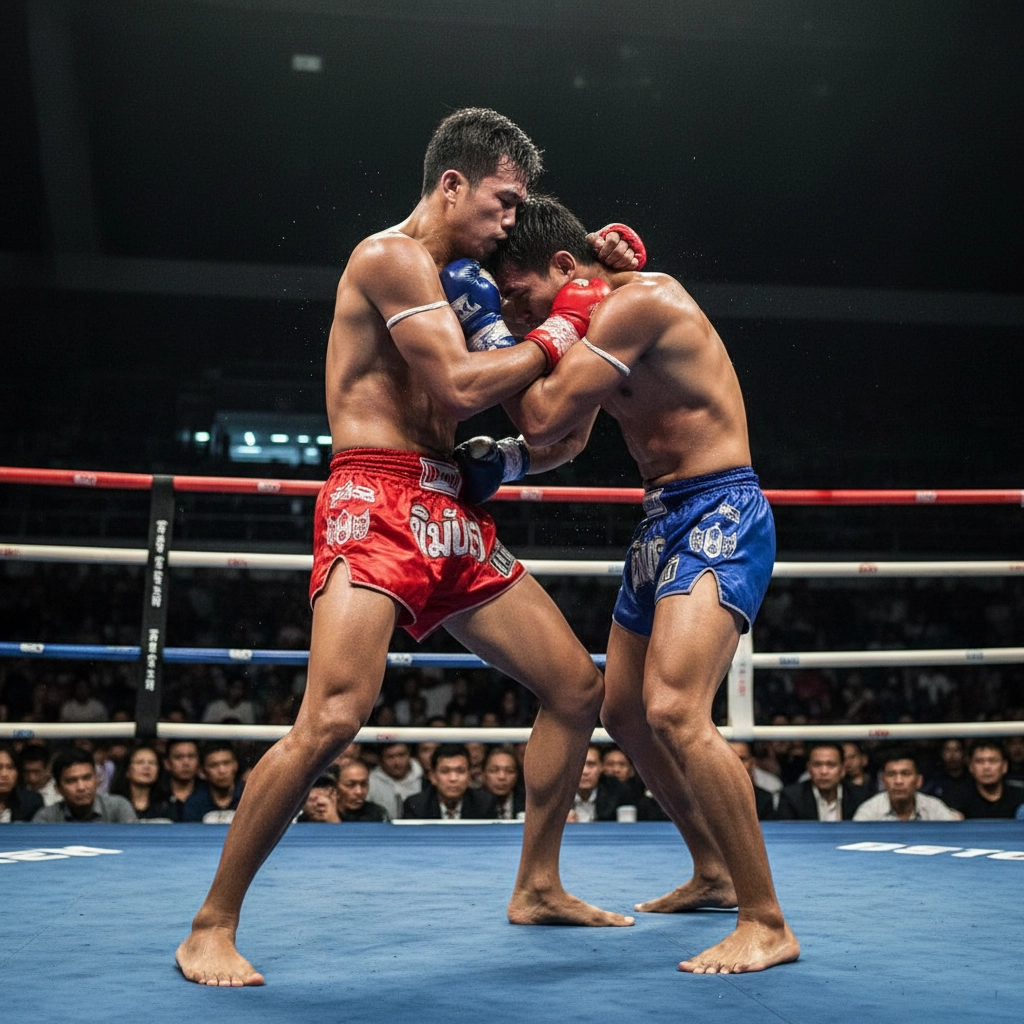
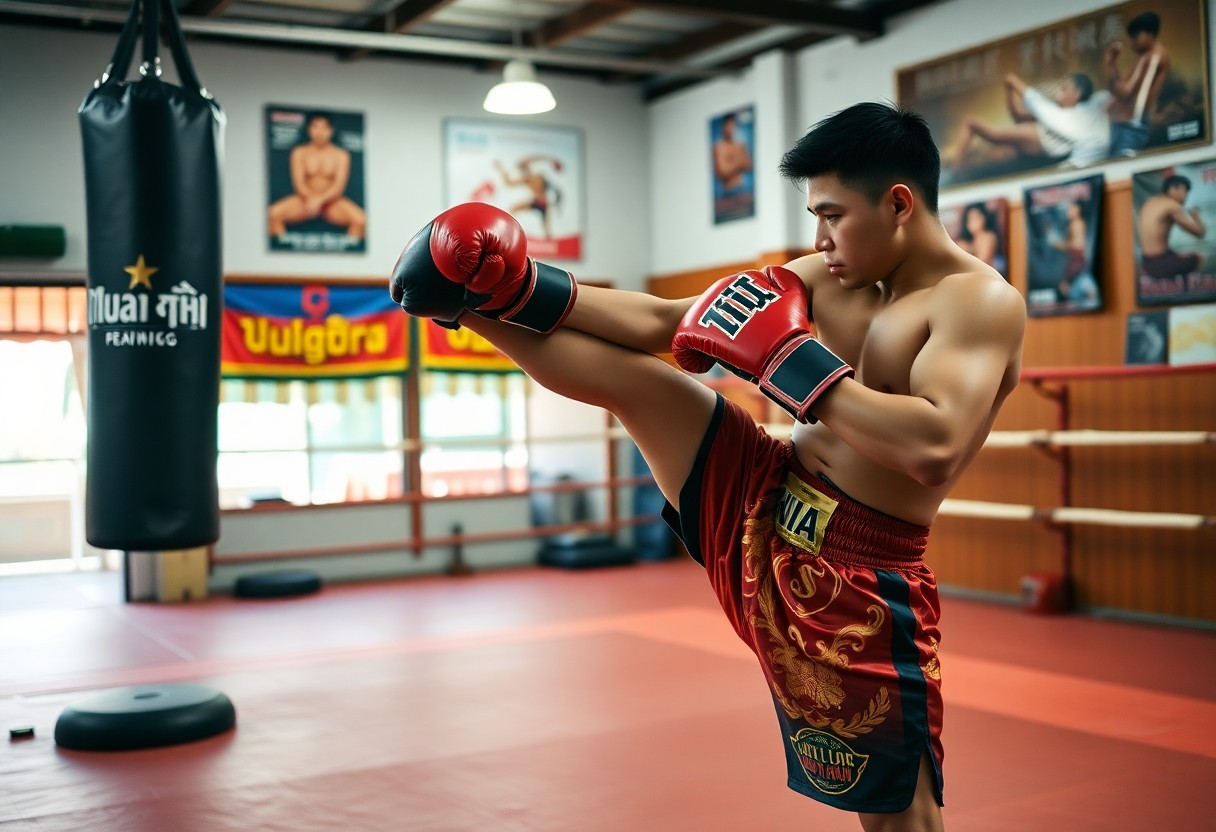
Muay Thai, known as the “Art of Eight Limbs,” relies heavily on powerful and effective kicking techniques. This guide will equip beginners with the knowledge needed to master vital kicks like the roundhouse, teep, and side kick, ensuring safety and efficiency in execution. Understanding proper stance, technique, and conditioning will enhance your kick’s effectiveness and prevent injuries, while building a solid foundation for your Muay Thai journey. Dive in to discover tips and drills that will elevate your skills and confidence in this dynamic martial art.
Understanding Muay Thai Kicks
Muay Thai kicks are powerful striking techniques integral to the art, utilizing various parts of the body for maximum impact. Mastering these kicks enhances both offense and defense, making them vital for any practitioner. A solid understanding of each kick’s mechanics and purpose can significantly improve your overall performance in the ring.
Types of Kicks
There are several key types of Muay Thai kicks, each with its unique execution and application. These include:
- Teep (push kick)
- Roundhouse (kick to the side)
- Fish Hook (upward kick)
- Side Kick (straight side strike)
- Low Kick (targeting the legs)
Knowing these kicks can provide a strategic advantage in training and competition.
| Kick Type | Description |
| Teep | Used for distance management and maintaining space. |
| Roundhouse | A powerful kick targeting various levels, producing significant damage. |
| Fish Hook | Specialized for surprise attacks with upward momentum. |
| Side Kick | Delivers force directly to the opponent or an object. |
| Low Kick | Diminishes the opponent’s mobility by attacking their legs. |
Key Factors Influencing Technique
Effectiveness in executing Muay Thai kicks depends on several key factors, including body mechanics, timing, and target selection. These elements can significantly impact the quality and power of a kick, leading to better overall performance.
- Body Mechanics (alignment and movement)
- Timing (finding the right moment to strike)
- Footwork (positioning for optimal reach)
- Target Selection (choosing high-impact areas)
- Balance (staying stable during execution)
After understanding these factors, you will be better equipped to refine your kicks for maximum effectiveness.
Comprehensive analysis of each influencing factor reveals how interrelated they can be. For instance, if your footwork is lacking, achieving the right balance for a kick becomes challenging. Timing is vital, as executing a kick too early or late can result in missed opportunities. Moreover, how you utilize your body mechanics directly influences the power of a kick; proper alignment and movement can amplify your strike considerably. A well-rounded understanding and application will lead to better strategy development in the ring.
- Flexibility (improving range of motion)
- Consistency (practicing regularly)
- Strength (building muscle for powerful kicks)
- Focus (concentration during training)
- Feedback (learning from each attempt)
After evaluating these aspects, practitioners can strategically enhance their technique and adaptability in various fighting scenarios.
Step-by-Step Guide to Performing Kicks
Basic Kick Mechanics
| 1. Stance | Begin in a balanced stance, feet shoulder-width apart. |
| 2. Pivot | Pivot on the supporting foot to maximize hip rotation. |
| 3. Chamber | Lift the knee of the kicking leg to prepare for the kick. |
| 4. Extend | Extend the leg, making contact with the correct part of the foot. |
| 5. Follow-Through | Continue the motion, returning to the stance quickly. |
Advanced Techniques for Mastery
To elevate your kicking skills, focus on power, speed, and accuracy. Incorporating techniques like the knee shield, hook kick, and spinning heel kick can create more dynamic strikes. Practicing with a partner or using heavy bags provides necessary feedback for adjustments. Aim for fluid movements and maintain a balanced stance to ensure your kicks are not only effective but also safer.
- Integrate various angles for unpredictable strikes.
- Work on flexibility to increase reach and decrease injury risk.
- Analyze kick techniques from experienced fighters.
Advanced Techniques for Mastery (Expanded)
| 1. Power Generation | Utilize your entire body, from core stability to leg drive. |
| 2. Combinations | Practice several kicks in quick succession for versatility. |
| 3. Timing and Distance | Develop skills to judge the optimal moment and range for effective strikes. |
Tips for Improving Your Kicking Skills
Enhancing your kicking skills is vital for proficiency in Muay Thai. Focus on developing your technique, balance, and power through consistent practice. Incorporate these tips into your training routine:
- Prioritize proper stance and footwork.
- Work on your hip rotation for better force.
- Utilize a heavy bag to master kick accuracy.
- Incorporate flexibility exercises to improve your range of motion.
- Analyze your kicks through video recordings for self-assessment.
Any commitment to these techniques will lead to noticeable improvements.
Training Drills
To effectively develop your kicking prowess, incorporate specific training drills into your regimen. Set up a heavy bag or Thai pads for practicing various kicks, adjusting your target’s height to enhance accuracy and power. Shadow boxing with a focus on kicks can sharpen footwork and flow. Additionally, pairing up with a partner for pad work allows for real-time feedback and a competitive edge.
Common Mistakes to Avoid
As you work on your kicking skills, several common mistakes can hinder your progress. Avoid kicking without proper alignment, as it can lead to injuries. Ensure you’re not neglecting your non-kicking leg, as this can affect balance and stability. Lastly, don’t overlook the importance of breathing consistently throughout kicks to maintain power and control.
Avoiding these common errors can significantly enhance your kicking effectiveness. Many beginners excessively lean back during kicks, causing instability. This not only reduces power but may also result in unnecessary strain on the lower back. Moreover, insufficient follow-through can lead to a reduction in striking power. Establishing a strong focus on technique ensures that you develop a balanced and effective kick, promoting both safety and skill progression.
Pros and Cons of Different Kicks
| Pros | Cons |
|---|---|
| Effective for distance and range management | Requires significant flexibility and strength |
| High knockout potential | Risk of injury to the leg or foot |
| Can target different levels (head, body, legs) | May leave openings for counter-attacks |
| Versatile for both attacking and defending | Complex technique can lead to confusion |
| Enhances overall athleticism | Longer learning curve for proficiency |
| Useful for maintaining range in clinch situations | Requires practice to maintain balance |
| Facilitates explosive power generation | Fatigue can diminish effectiveness |
| Can be practiced safely with proper technique | Inadequate training can lead to bad habits |
| Enhances coordination and timing | Difficulty in executing against a moving target |
| Promotes footwork and agility | Potential for overexertion during practice |
Advantages of Each Type
Each kick in Muay Thai offers distinct advantages that enhance your striking arsenal. For instance, the roundhouse kick provides powerful impact and versatility, while the teep allows for distance control and defensive tactics. The front kick serves as an effective distraction and an entry method, promoting quick access to an opponent’s face or body. Additionally, the side kick boasts unique angles that can catch opponents off-guard. These benefits contribute to a well-rounded skill set necessary for success in the sport.
Disadvantages and Risks
While mastering Muay Thai kicks is beneficial, there are inherent risks and disadvantages linked to each type. Poor execution can lead to injuries, particularly in the legs and feet. Moreover, some kicks may leave the practitioner vulnerable to counter-attacks, especially if executed without caution. Athletes might also face challenges in developing the necessary strength and flexibility, which could hinder their performance. Additionally, fatigue can worsen accuracy and technique, increasing the likelihood of mistakes during sparring or competition.
Furthermore, advanced kicks require substantial practice and discipline to prevent injuries. Improper form can result in ankle sprains or knee issues, with each kick demanding not just skill but also physical conditioning. New practitioners may experience excessive muscle soreness or fatigue, which could deter training. It’s vital to balance intensity and rest while training, ensuring that safety and technique are prioritized above all else. Adequate warm-ups, cooldowns, and corrective techniques can mitigate these risks, allowing for effective learning without injury.
Incorporating Kicks into Your Training Regimen
To fully integrate kicks into your training regimen, focus on a balance between strength, flexibility, and technique. Incorporating drills that emphasize repetition and speed can enhance your muscle memory. Vary your training sessions to include bag work, sparring, and shadow boxing, allowing for comprehensive skill development. Aim for at least three sessions per week that specifically target kick execution, ensuring you progressively increase intensity and complexity as your skills improve.
Creating a Balanced Routine
A balanced routine should include a mix of dynamic stretching, strength training, and skill-based drills. Allocate specific days for different focuses, such as dedicating one day to practicing low kicks and another to high kicks. Ensure that flexibility training, particularly hip and leg stretches, is part of your warm-up and cool-down practices to prevent injuries and enhance kick effectiveness.
Tracking Progress and Adjustments
Consistently tracking your progress allows for methodical adjustments in your training regimen. Utilize a training journal to document your sessions, noting improvements in strike accuracy, power, and overall technique. Assess your performance weekly, and don’t hesitate to tweak drill intensity, frequency, or style based on your findings to ensure continuous improvement.
To effectively track your progress, assume a systematic approach by setting specific, measurable goals. For example, aim to increase the number of clean roundhouse kicks thrown within a minute, documenting your repetitions over time. Use video analysis to compare form and technique, obtaining feedback from coaches or peers. Adjustments should be made based on performance data-if accuracy wanes or if a technique feels subpar, modify your training focus accordingly. Regular assessments will not only boost motivation but also provide a clear path for skill enhancement, ensuring steady growth in your Muay Thai abilities.
Final Words
Ultimately, mastering Muay Thai kicks is a progressive journey that requires dedication, practice, and attention to technique. By understanding the fundamentals and incorporating proper drills, beginners can develop powerful and effective strikes. Consistency in training, along with mindful adjustments, will foster growth and improve performance. Embrace the learning process, and with time, you will not only enhance your skills but also gain confidence in your abilities within the art of Muay Thai.
FAQ
Q: What are the basic kicks I should learn as a beginner in Muay Thai?
A: Beginners should focus on mastering the four fundamental kicks: the teep (push kick), roundhouse kick, knee strike, and front kick. These kicks form the foundation of Muay Thai striking techniques and are imperative for effective training and competition.
Q: How can I improve my kicking technique at home?
A: To enhance your kicking technique at home, practice shadow boxing to refine your form, use a heavy bag for resistance training, and perform flexibility exercises targeting the hips and legs. Video analysis or feedback from a trained instructor can also significantly aid in correcting technique.
Q: What should I wear during Muay Thai kick training?
A: It’s recommended to wear comfortable athletic gear, such as training shorts and a moisture-wicking shirt. Supportive footwear or specialized Muay Thai trainers can provide better grip and comfort. Additionally, consider using shin guards to protect your shins during practice.
Recommended Posts