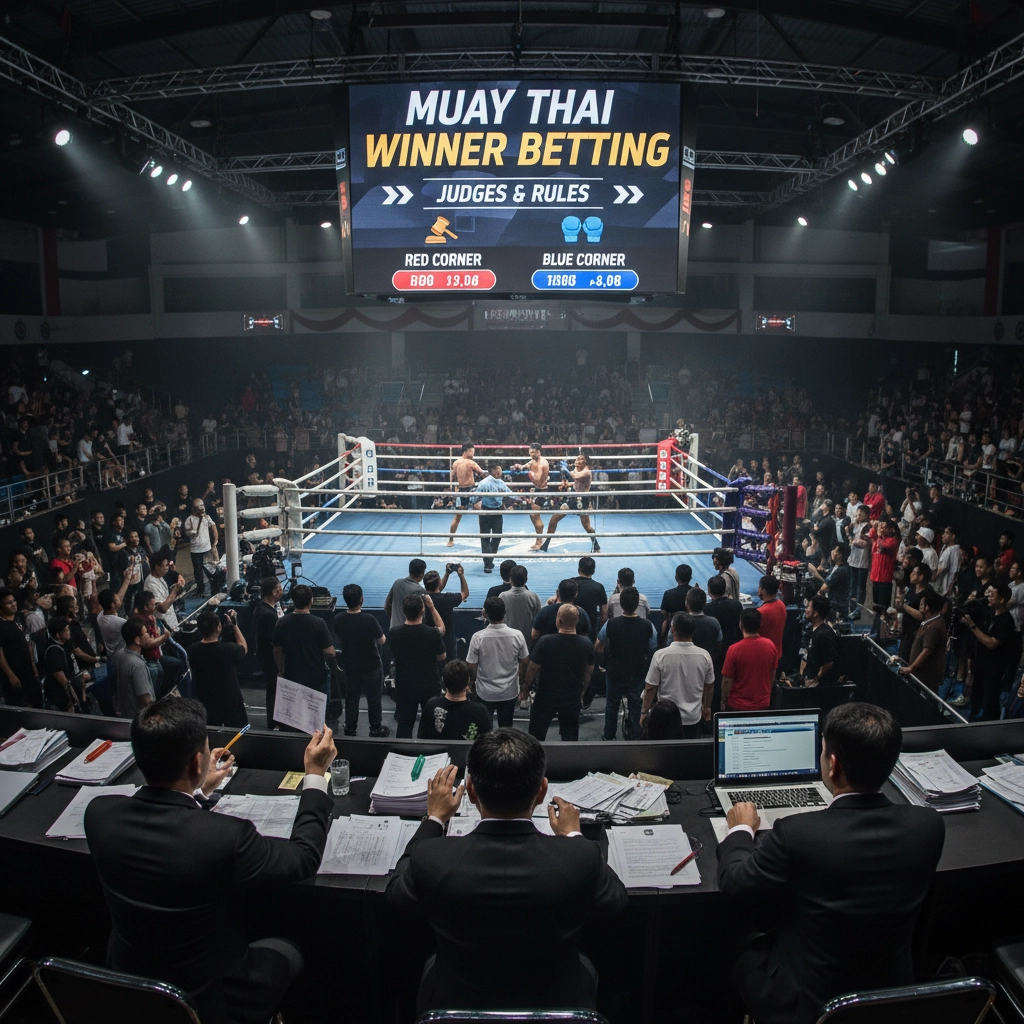

What to know before you place a bet on a Muay Thai fight
Betting on Muay Thai requires familiarity with its settlement methods, scoring nuances, and how common event outcomes (cancellations, draws, stoppages) are handled. Knowing how winner markets are defined and which results trigger refunds or adjustments helps you pick the right market and avoid surprises when results are published.
How “winner” markets are typically structured
Most bookmakers offer a few core ways to back who wins a Muay Thai bout:
- Match betting (Moneyline): Back the fighter you think will win outright.
- Draw-inclusive markets: Three-way markets (Fighter A, Fighter B, Draw) exist where a draw is possible.
- Draw No Bet / RTB: Stakes returned if the fight ends in a draw — a safety option for close fights.
- Method of victory: Pick not only the winner but whether the win is by KO/TKO, decision, DQ, etc.
- Round and timing markets: Wager on the round of victory or whether the fight goes the distance.
Common rules that will determine whether your bet wins, loses, or is void
Settlement language varies by operator, but these are widely used conventions — check a book’s terms before betting.
Outcomes and typical settlement treatments
- Official result is decisive: Bets are settled to the official result published by the commission or promoter.
- Knockouts, TKOs and stoppages: If a bout is stopped inside the scheduled time, winner and method bets normally stand once the referee confirms the stoppage.
- Decision victories: Official judge decisions determine winners; books may reference the commission’s majority/split wording.
- Draws and no contest: Three-way markets pay draws; many two-way moneyline bets are refunded on a draw unless you took a three-way or Draw No Bet.
- Fight cancellation/replacement: If a fight doesn’t start or a fighter is replaced, most books void bets. If the fight starts and is later ruled a no contest, many books refund stakes — but check policies.
- Post-event changes: If results are overturned later (failed drug test, commission review), some operators adjust settled bets while others do not — read post-event adjustment rules.
Method markets: how KOs, TKOs, decisions and DQs are treated
Method markets add settlement nuance. Operators define terms differently, so confirm definitions before wagering.
- KO vs TKO: Many books combine KOs and TKOs as “KO/TKO.” If they separate them, a commission’s official method decides which market pays.
- Referee/doctor stoppage: Official wording drives settlement — a TKO (doctor stoppage) typically pays KO/TKO markets if the book groups them.
- Corner retirement (RTD): Usually accepted as a stoppage; whether it’s attributed to the prior round or next round can vary by sportsbook.
- Disqualification (DQ): DQ markets win; in two-way moneylines a DQ is treated as a loss for the disqualified fighter.
- Technical decision/draw: Accidental fouls that stop a fight may produce a technical decision or draw depending on how many rounds were completed — settlement depends on market type and the commission’s result.
Practical tip: method bets are settled to the official method. A “Win by KO” bet will only pay if your bookmaker’s definitions include the commission’s recorded method (e.g., TKO listed as KO/TKO by the book).
Round and timing bets: what counts as “in the round” and common edge cases
Round and distance markets follow the official round/time recorded by the commission. That makes exact timestamps and between-round events important.
- Official timekeeper decides: Round bets pay based on the commission’s recorded round and time, even if broadcast clocks differ.
- Between-round retirements: Some books record a corner stoppage as the prior round; others attribute it to the next round — check round-bets policy.
- Bells and late strikes: If the commission rules a stoppage after the bell, settlement follows that ruling. If it rules no stoppage, results adjust accordingly.
- No contest or early stop: If a bout is declared a no contest before the minimum rounds for a decision, round and distance markets are usually voided and stakes refunded unless stated otherwise.
Example scenarios that commonly affect payouts
Concrete examples clarify how rules play out:
- Accidental head clash in Round 2 of 5: If rules require 3 completed rounds for a technical decision, most books will void match-winner and round bets (refund). If a technical decision is rendered, decision method bets may pay.
- Corner throws in towel between Rounds 2 and 3: Moneyline and method bets against the retiring fighter are settled as losses. Round bet settlement depends on the sportsbook’s attribution rule.
- Fight ruled a draw: Three-way markets pay the draw; two-way moneylines usually refund unless you used Draw No Bet or a three-way market.
- Post-event overturn for failed drug test: Some operators reopen/make adjustments when an official result is overturned; others treat settled bets as final. Check the operator’s policy.
Bookmaker-specific clauses and a pre-bet checklist
Different sportsbooks include clauses that affect how bets settle. Before placing money on Muay Thai markets, use this checklist:
- Read the sportsbook’s method definitions (KO/TKO, RTD, technical decision, no contest).
- Confirm whether markets are two-way or three-way (affects draws and technical draws).
- Check round-betting rules for between-round retirements, bell/late strikes, and which timekeeper they reference.
- Look for a post-event adjustment policy: will they change settled bets if the commission overturns a result?
- Verify the authoritative source for results (fight commission, official timekeeper, or promotion).
- For live/in-play bets, check latency/freeze rules; some books void or suspend live bets at decisive moments.
- Limit stakes on high-ambiguity markets (method and round bets) until you know how the operator settles edge cases.
Final notes for sharp, responsible betting
Treat Muay Thai markets like any specialist market: know the definitions, pick operators whose rules you trust, and size stakes to reflect rule uncertainty. If a market’s settlement policy isn’t explicit, contact customer service before wagering. For a starting point on standard competition rules, consult the governing body’s published rules such as the IFMA rules.
Frequently Asked Questions
How do sportsbooks typically treat KOs versus TKOs?
Many sportsbooks group KOs and TKOs as “KO/TKO” and settle method bets to the commission’s official method. Some distinguish between a clean knockout and a technical stoppage — always check the operator’s definitions.
If a corner throws in the towel between rounds, which round do round bets use?
There’s no universal answer: some sportsbooks treat it as occurring in the round that just finished, others as the start of the next round. The commission’s official time is usually decisive for round-specific markets; confirm your sportsbook’s round-bet policy.
Will my bet be changed if a commission later overturns the result for a failed drug test?
Operators differ. Some reopen and adjust settled bets when an official result is overturned; many treat settled bets as final. Check the sportsbook’s post-event adjustment policy before wagering on contests with higher post-fight controversy risk.
Recommended Posts