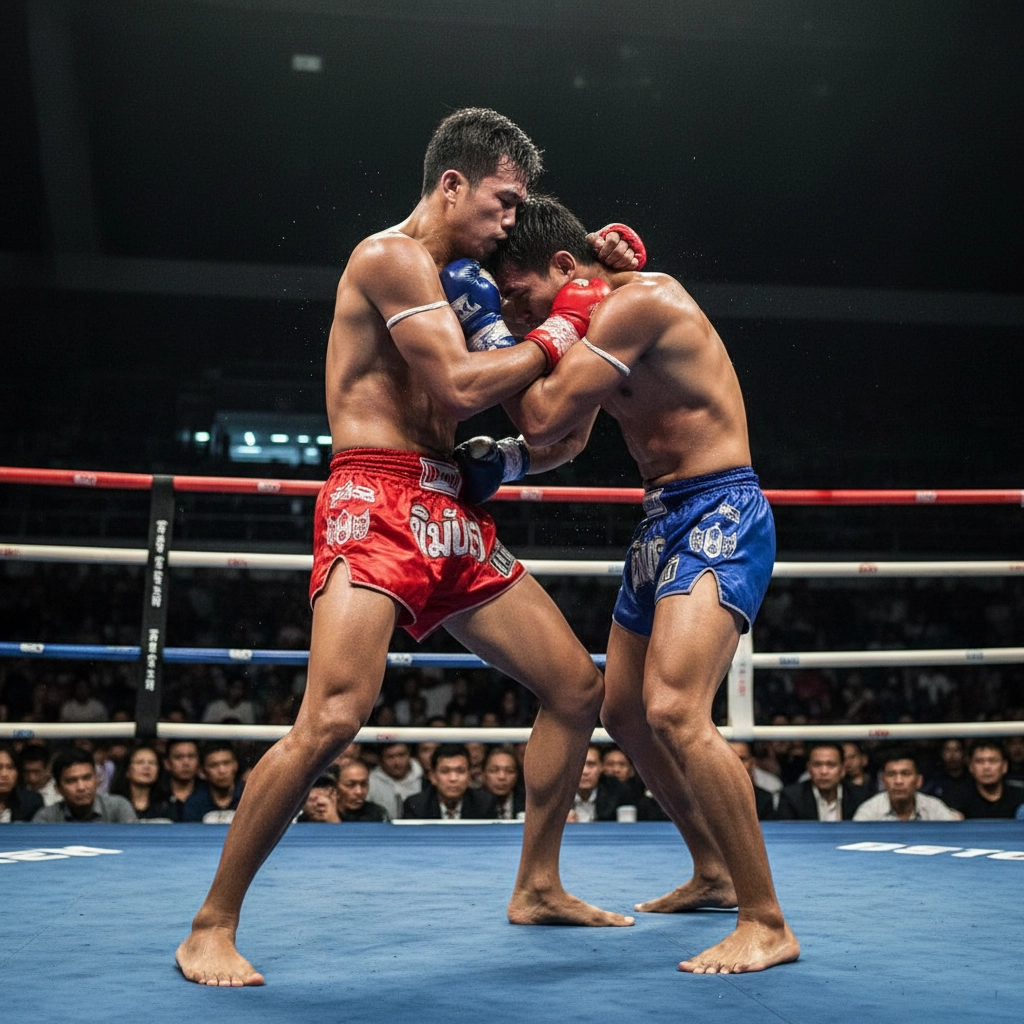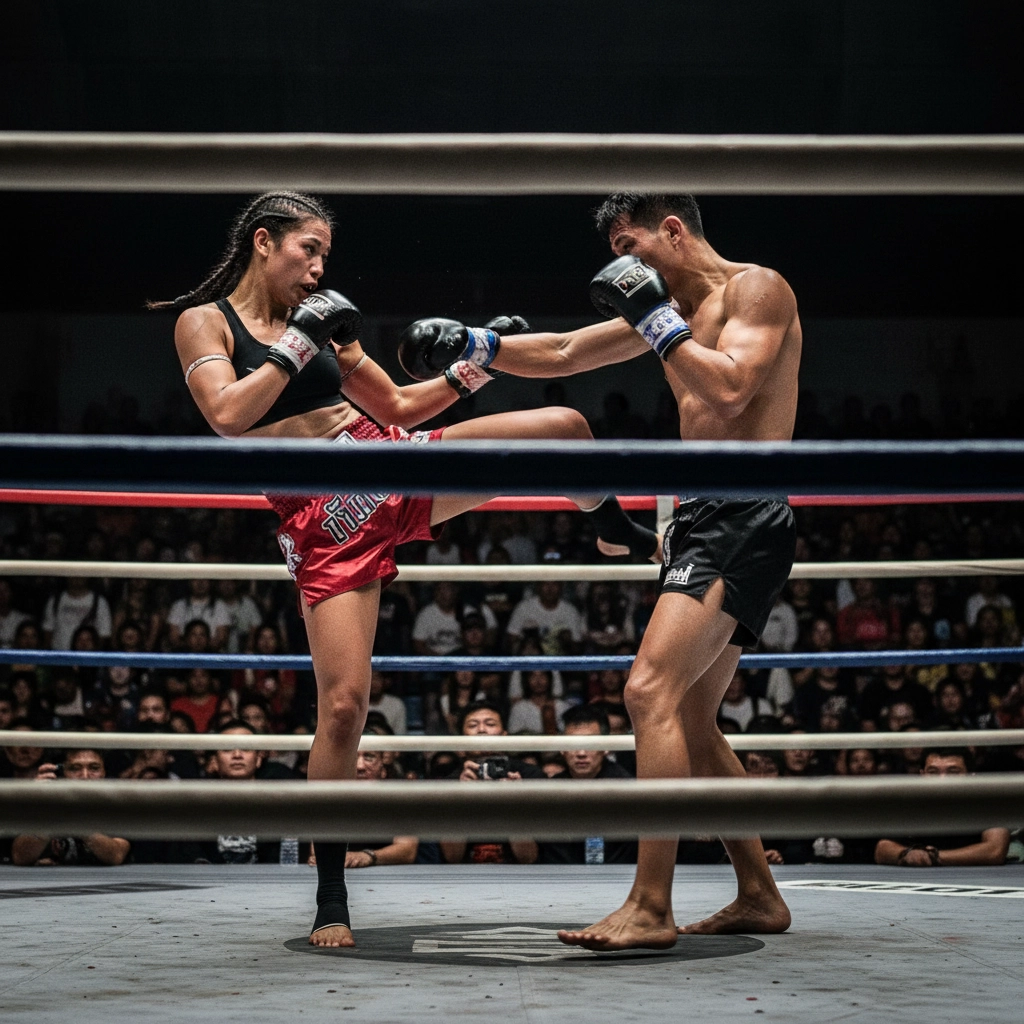
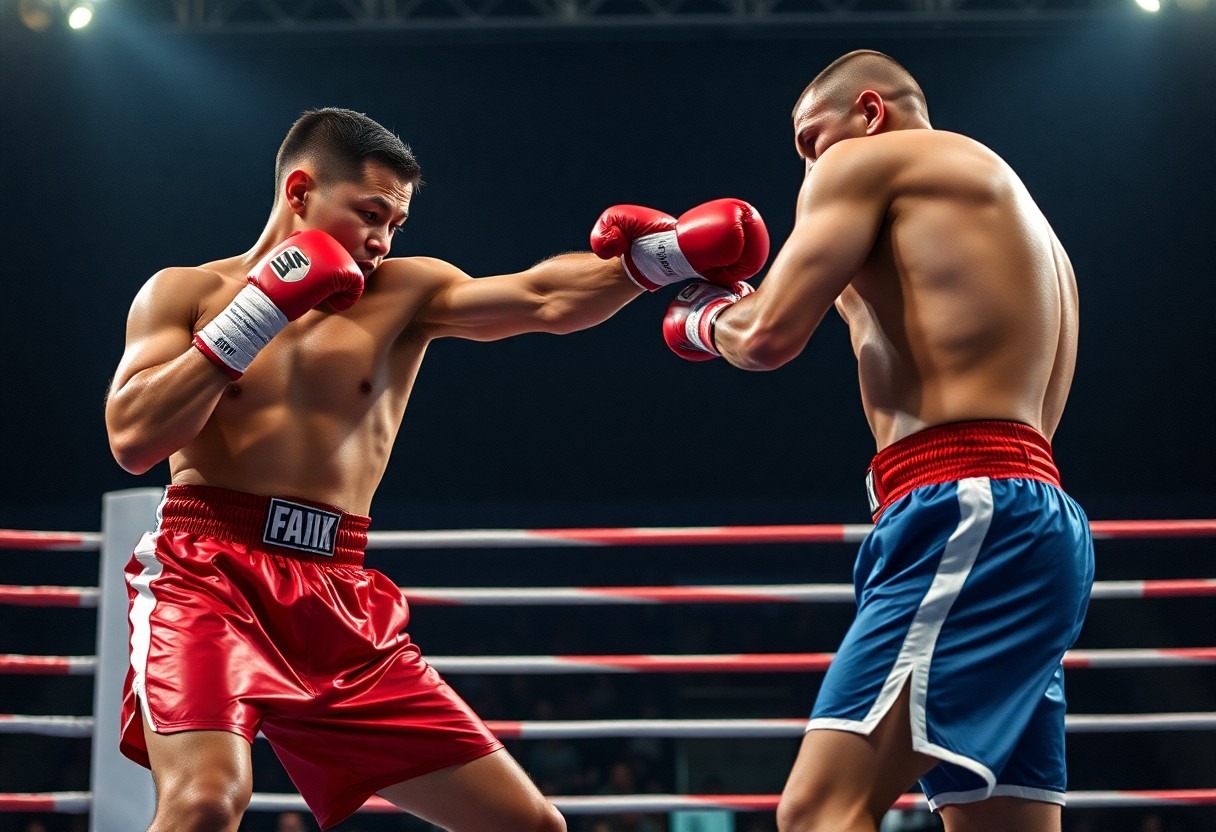
This guide shows how to read subtle cues like weight shifts, eye line, and rhythm to anticipate attacks and create openings; by prioritizing timing and range you can deliver sharp, decisive counters that neutralize threats while maintaining defensive structure and controlled aggression.
Types of Opponent Reads
Split reads into five practical categories: Visual, Behavioral, Rhythm, Distance, and Reaction; each reveals a distinct counter window. Film three fights and tag ~150 exchanges to quantify patterns, then prioritize reads that appear in >30% of sequences. Use timing windows of 0.2-0.5s for most visual telegraphs and train specific counters to exploit those high-probability moments.
- Visual
- Behavioral
- Rhythm
- Distance
- Reaction
| Visual Cues | Eye focus, shoulder dip, hip rotation; example: lead-foot slide 10-15cm before roundhouse – use a stepping teep or check-and-counter. |
| Behavioral Patterns | Recurring combos and round-based habits; e.g., opponent clinches after low-kick exchanges 40% of the time – plan a knee counter. |
| Rhythm & Timing | Cadence shifts and stutter steps; when cadence slows by 20-30% they often telegraph power strikes – time a counter-cross. |
| Distance/Range | Preferred striking range (inside vs. long); fighters who habitually fight at mid-range expose the liver on pivots – exploit with body hooks. |
| Reaction to Pressure | How they respond under attack: panicked clinch, backward step, or counterpunch; a fighter who retreats 70% of the time yields straight counters. |
Visual Cues
Detectables like shoulder dip, hip rotation, and a 0.2-0.5s weight transfer predict strikes; for example, many fighters rotate the lead hip before a cross, creating a visible 10-20cm torso turn. Track eye direction-fighters looking to the body often leave the chin exposed-and use a timed elbow or teep to punish that opening.
Behavioral Patterns
Patterns include favorite combos, round-specific tactics, and escape habits: a southpaw who throws jab-teep-jab 60% of round openings or a fighter who clinches after two low kicks shows repeatable tendencies. Tag these over three bouts to convert them into reliable counter triggers and exploit the opponent’s predictable sequences.
Break patterns down by frequency: film three opponents, mark 50-150 exchanges, and flag actions occurring >30% for priority drills. Drill specific bait sequences-feed a low kick three times to trigger a clinch, then practice a short elbow or knee counter; note that opening the guard on a rebound often creates an exposed liver or dropped chin that wins fights.
Knowing how to quantify and prioritize these five read types lets you time counters with greater precision and can increase counter success in sparring and competition.
Step-by-Step Guide to Reading Your Opponent
Quick Signs & Their Meaning
| Sign | What it Indicates |
|---|---|
| Lead shoulder dip | Preparing a jab or overhand; prepare a counter hook |
| Weight on rear foot | Telegraphs kicks or rear power punches; close distance to neutralize |
| Eyes drift to your lead leg | Teep or low kick incoming; intercept with catch or low check |
| Guard drops after feint | Sets up a follow-up strike; exploit with a fast counter |
| Irregular breathing/rushed rhythm | Fatigue or panic; increase pressure to force mistakes |
Observation Techniques
Scan the body, not just the face: track weight distribution, hip rotation, and micro-movements like a 0.2-0.5s shoulder shift that often precedes power shots; use 3-5 second observation windows between exchanges to log patterns, then test with a feint-if they flinch or overcommit, mark that as a high-value opening.
Timing and Distance Management
Use measured steps to control range: keep opponents at ~0.5-1.5 meters to neutralize long kicks and force punches, time counters to their rhythm (count beats or breathe with them), and employ a single-step entry or a 45° angle off-line to convert defensive proximity into a clean counter.
For deeper application, practice specific drills: spar at 70% pace for 3-minute rounds focusing solely on closing the final 0.5-0.7 meters to score counters, run partner reaction drills where you feint then deliver a 0.3-0.6s window counter, and record sessions to spot recurring telegraphs-fighters who habitually shift weight right before a cross can be neutralized by a timed teep or a left hook entered on the step, turning their power into your opportunity; emphasize foot placement and a quick 30-40% power return to maintain balance while exploiting the opening.
Tips for Effective Counterattacking
Exploit predictable sequences by setting up counters with 1-2 feints then a decisive reply; practicing 30-60 second drills where you alternate attack and counter builds timing and endurance. Use a jab to measure distance, shift weight from 55/45 to launch faster counters, and focus on closing the 0.2-0.5s window after an opponent overcommits. Prioritize low-risk replies-parry-hook, check-teep-and avoid telegraphing your own intent. Thou study opponent patterns and commit to the precise moment.
- Muay Thai
- counterattacking
- reading your opponent
- timing
- distance
- rhythm
Anticipation Skills
Track micro-tells like a lead-shoulder dip, hip coil, or widened stance and convert them into actionable cues; train with 200+ partner repetitions spotting the same tell so reaction becomes automatic. Start by isolating one cue in slow sparring, then increase speed until you can counter within 200-300 ms. Drill mirror shadowboxing, slow-motion clinch reads, and 3-minute rounds focused solely on identifying the tell and firing the appropriate counter-this develops predictive timing under fatigue.
Adaptation Strategies
Shift rhythm every 3-5 strikes to break an opponent’s timing, and if they favor leg kicks, close distance or clinch to neutralize that weapon; when facing a switch-heavy fighter, step outside their rear foot to create angles for a counter cross. Use two-feint sequences to bait a predictable reply, then punish the committed limb-example: feint-low, then counter high with a rear elbow. Emphasize angle and reaction speed over brute power.
Implement structured drills: Phase 1-pattern recognition (10 minutes of watching partner sequences), Phase 2-response training (4 sets of 10 reps per counter), Phase 3-live adaptation rounds (3 x 3-minute rounds where coach changes opponent tendencies every 30 seconds). Record sparring to analyze which counters work most often; if a counter lands in over 40% of attempts, increase its usage, but rotate options to avoid becoming predictable and exposed to dangerous counters.
Key Factors Influencing Counterattacks
Timing and range interact with stance and feints; in a southpaw vs orthodox matchup the lead leg and inside line open more. Clinch control, ring positioning and the allowed weapon set decide whether you favor short elbows or long teeps and roundhouses. The factors to watch are listed below.
- Timing
- Range
- Stance
- Tempo
- Feints
- Ring control
Opponent’s Style
A pressure fighter who throws sustained combinations invites counters off the back foot and low-kick counters to disrupt rhythm, while a technical counterstriker will bait you-use controlled feints and angle changes to provoke predictable replies; for example, against a fighter like Buakaw favor lateral footwork and timed teeps, versus a slipperier mover like Saenchai prioritize snappy counters to the lead leg and head with precise timing and head movement.
Fight Environment
Smaller rings (roughly 16-18 ft) compress distances and increase clinch exchanges, while larger rings (around 22-24 ft) reward long-range teeps and circling; rules on elbows allowed, glove size and stadium crowd noise all change risk-reward for certain counters, so adapt your spacing and choice of weapons accordingly.
Adjustments: in a tight ring shorten counters-uppercuts, elbows and tight sweeps work better; in big rings emphasize teep-to-step counters and long kicks. Also account for rules and rounds-Thai stadiums commonly use 5 rounds of 3 minutes, requiring different pacing than many international 3×3 formats-train with shorter rest, situational sparring in confined space, and smaller gloves to simulate fight conditions and sharpen real-fight counter timing.
Pros and Cons of Counterattacking
Pros vs Cons of Counterattacking
| Pros | Cons |
|---|---|
| Can score high-impact strikes when opponent over-commits | Leaves your guard open during commitment |
| Uses opponent’s momentum to amplify power | Requires perfect timing, or it fails |
| Conserves energy by letting opponent initiate work | Risk of being hit by follow-up combinations |
| Dictates rhythm and frustrates aggressive foes | Dependent on accurate reading of cues and patterns |
| Effective in scoring rounds and stealing rounds late | Can be predictable if overused |
| Builds psychological advantage and counter-reputation | Fails when opponent feints or uses deceptive setups |
| Works well against committed techniques (e.g., long kicks) | Requires strong balance and recovery to avoid counters |
| Ideal for fighters with fast reaction and good timing | Increases chance of clinch or takedown if mistimed |
Advantages of Counterattacks
Counters let you turn an opponent’s aggression into opportunity: a well-timed counter after a committed roundhouse can convert their momentum into a more powerful strike, often during a 200-250 ms recognition window. High-level fighters use counters to score cleanly and conserve energy-landing 1-2 decisive counters per round can sway judges and force opponents to hesitate on future attacks.
Risks and Disadvantages
When misread, a counter exposes gaps-dropping the rear hand or over-committing the hip creates a vulnerable opening for immediate punishment and multi-strike follow-ups. Timing errors often turn a counter into a liability, especially against opponents who specialize in feints or quick combinations.
Mitigation requires specific practice: drill reaction timing, keep the rear hand high, step offline after the strike, and use feints to validate reads. In sparring, set up counters against committed techniques (e.g., rear-leg kicks or long teeps) and track success rate over blocks of 50 reps to refine when to risk a counter versus maintain a conservative defense.
Common Mistakes to Avoid
Many practitioners over-focus on landing the counter and neglect small mechanics that invite punishment: telegraphing your intent, poor weight distribution, and low situational awareness. For example, launching a full-power roundhouse while shifting more than 60% forward commonly results in being swept or clipped by a straight, producing 2-4 clean counters in a single exchange. Fixing these errors saves rounds and prevents momentum swings.
Overcommitting
When you drive too hard for a finish-throwing a heavy cross or spinning elbow without quick recovery-you expose the chin and base; opponents will use the straight counter, low kick or sweep to punish you. Practical rule: keep weight distribution near 50/50 during attacks and retract within 0.6-0.8 seconds to avoid being caught off-balance and swept.
Neglecting Defense
Dropping the guard while hunting counters invites simple, high-percentage responses like the jab-straight-teep sequence that score cleanly and disrupt rhythm. Maintain a compact guard, tuck the chin, and don’t chase flashy counters-opponents exploit open windows with 1-3 strike combinations that end exchanges quickly.
Train defense as a deliberate metric: do 3 rounds of 3 minutes focused solely on parry-to-counter transitions, and perform 100 parry-cross reps per week to ingrain timing. Emphasize keeping the elbow tight to protect ribs, using the lead hand to control distance, and resetting stance within one step-these details cut down on being caught by counters and improve your own counter accuracy.
Conclusion
With these considerations, systematically reading posture, timing, and weight distribution lets you identify openings and set traps; combine feints, angles, and precise counters to exploit patterns while managing distance and defense. Progress through focused drills, sparring, and analysis to internalize responses so your counters become instinctive and fight-ready.
FAQ
Q: How can I read my opponent’s tells and patterns to predict their next move?
A: Scan for consistent physical cues and rhythmic patterns: guard shifts, weight distribution, hip rotation, eye direction, breathing tempo and habitual telegraphs (shoulder drop before a hook, a drifting rear foot before a kick). Focus on the lead foot to gauge distance and entry angle; a forward-leaning lead often signals a clinch or teep, while a committed rear foot turn signals a roundhouse. Track short sequences over 10-30 seconds to identify favored setups (for example, jab to low kick or teep to cross). Use this information to anticipate rather than guess: if an opponent frequently follows a feint to the body with a hook, create spacing or a counter that exploits the predictable recovery path. Combine visual observation with note-taking between rounds or video review to convert patterns into actionable reads during sparring or fights.
Q: What counters work best against common Muay Thai attacks and how should I time them?
A: Match the counter to the incoming attack and strike during the opponent’s recovery window or at the point of commitment. Examples: against jabs use a straight counter or step-off jab to intercept; against crosses slip outside and return a cross or check with a teep to the hips; against hooks pivot off the line and counter with a straight or an elbow to the exposed head; for roundhouse kicks check with the shin then immediately launch a low kick to the supporting leg or step in with a straight kick to the body; when facing teeps catch/block and step inside with a clinch knee or a quick cross; for low kicks catch or check and counter with a straight punch or a switch kick to punish the planted leg. Key timing principles: attack when the striker is committed (hip rotated, weight shifted), strike in the recovery fraction after impact, and use angles to avoid the follow-up. Drill reaction timing at reduced speed, then increase tempo and power as accuracy improves.
Q: What drills and training methods will build reliable counterreading and counterattacking under pressure?
A: Combine perception drills, technical repetition and progressive sparring. Perception drills: shadowbox to specific cues (only counter when a shoulder drops, only attack the lead foot when it shifts), partner pattern drills where a feeder repeats two sequences and you must identify and counter the repeated choice. Technical repetition: mitt work that simulates common setups (jab-teep, cross-roundhouse) with immediate counters practiced until automatic. Reaction training: slow to fast catch-and-return drills, slip-and-hit drills, and timing pads where the coach randomly feeds strikes. Sparring structure: controlled rounds where you focus solely on reading and executing counters, gradually increasing intensity and limiting offensive options to force countering. Supplement with video review of your sparring, targeted strength and conditioning for punch/kick power and balance, and consistent drills for clinch breaks and returning counters. Use protective gear and progressive contact to maintain safety while increasing realism.
Recommended Posts