
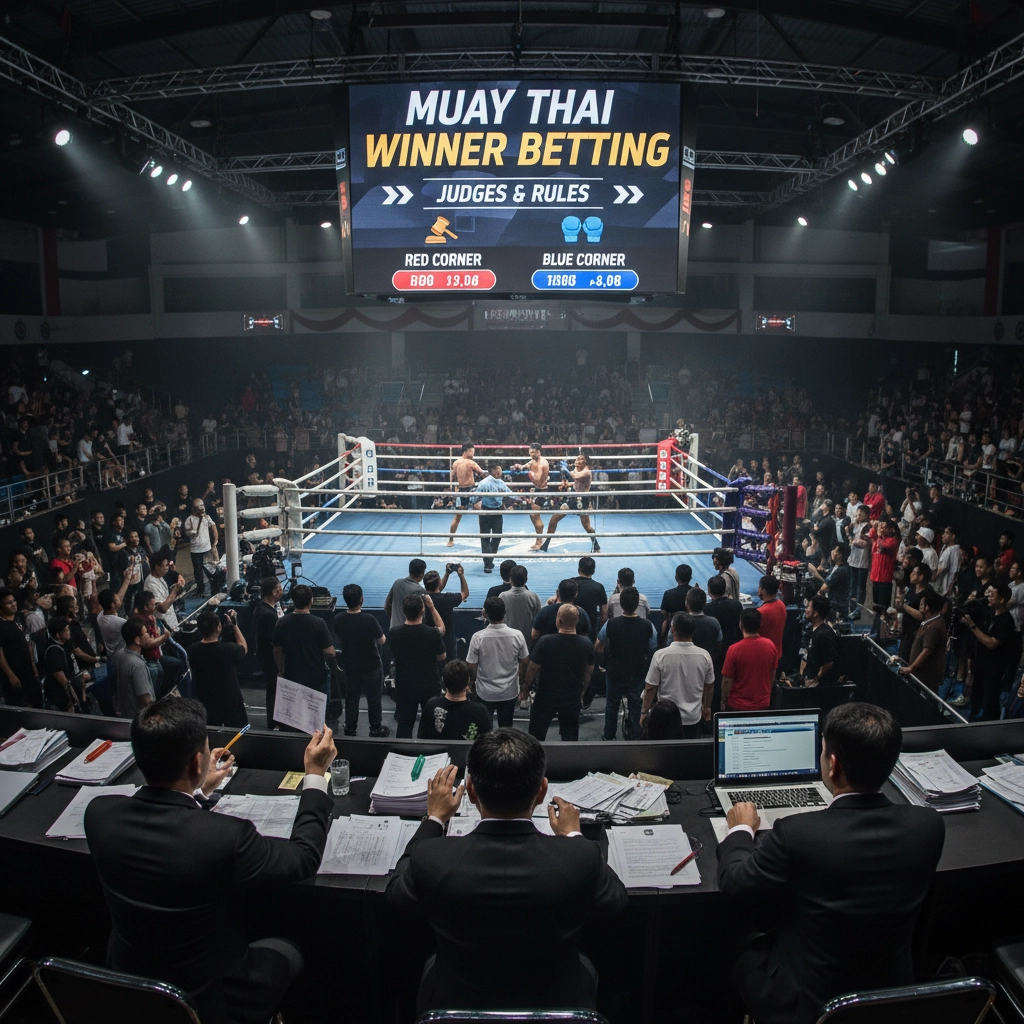
Understand why judges and rules can decide your Muay Thai bet
You can watch two fighters throw the same number of strikes and still see very different scorecards at the end of a Muay Thai match. Unlike sports where objective measures dominate, Muay Thai scoring is interpretive: judges weigh damage, technique, and control differently depending on the ruleset, venue, and even their own preferences. If you bet without accounting for those subtleties, you risk backing the wrong style or misreading odds that already reflect local judging habits.
How judging priorities change the likely winner
When you place a winner bet, you are implicitly trusting the judges to reward the attributes your pick will display. Common scoring priorities in Muay Thai include:
- Clean, effective strikes: Judges favor attacks that clearly land and affect the opponent.
- Damage over volume: A few decisive kicks or knees often score higher than many light punches.
- Clinching and knees: In traditional Muay Thai, control in the clinch and effective knees carry significant weight.
- Ring control and dominance: Showing control of space and dictating the pace can influence close rounds.
- Aggression and initiative: Forward fighters who force the action can win rounds even with slightly fewer clean hits.
Understand which of these attributes your fighter excels at and which judges in a given contest typically reward. For instance, a low-output counter-striker who lands heavy body kicks might beat a volume puncher on most Thai stadium cards but lose on a promotion that values punch volume or takedown attempts.
Rules variations that shift betting lines
Not all Muay Thai events use identical rules, and small differences change the value of fighters’ styles. Key variations you should check before betting include:
- Use of elbows and clinch length: Some shows limit elbows or shorten clinch time; this reduces value for fighters who rely on close-range tools.
- Scoring system: Traditional Thai scoring can treat the first few rounds differently than the last, while international shows often use a 10-point must system that scores rounds independently.
- Glove size and protective gear: Larger gloves reduce knockout risk and can favor volume hitters over power strikers.
- Ring vs. cage: Fighting in a cage can change clinch strategy and movement, altering which fighters are advantaged.
Bookmakers adjust odds to reflect these rule-driven expectations, but they can’t perfectly represent how a particular judge will interpret a round. That’s where you get an edge: learn the promotion’s typical scoring tendencies and compare them to each fighter’s strengths.
Next, you’ll learn how to read judge profiles, analyze past scorecards, and translate those insights into smarter pre-fight and in-play betting decisions.
How to build and read a judge profile
Start by treating judges like any other edge you can study: collect data, look for patterns, and translate them into expectations. A judge profile doesn’t need to be exhaustive to be useful — a few consistent tendencies are enough to shift your bet sizing or market choice.
Practical steps to build a profile:
- Gather scorecards and footage: For stadium shows in Thailand, check promotion and commission releases, social channels, and fan forums for round-by-round cards. For international events, many commissions publish official scorecards. Where full cards aren’t available, clip key rounds and note how judges reacted to clinches, elbows, low-volume counters, and late flurries.
- Track simple metrics: Record which fighter won each round and why (damage, control, aggression, clinch). From a small sample (10–30 rounds) you can calculate: % rounds given to the forward fighter, % rounds awarded for clinch/knees, average margin (close vs clear rounds), and split-decision frequency.
- Look for venue and promotion signals: Judges working regularly for a specific stadium or promotion often share tendencies — e.g., favoring kicks and knees at older Thai stadiums, or giving more weight to punch volume in certain international shows. Tag judges by venue so you don’t generalize from a single outlier event.
- Note rule interactions: If elbows or extended clinch are allowed, see whether the judge rewards short, damaging exchanges or sustained control. Some judges consistently reward the fighter who lands the last hard strike in a round; others emphasize the most damaging sequence regardless of timing.
Translate this profile into a simple label you can apply quickly: “damage-first”, “control/clincher”, “aggression-biased”, or “volume-punch-favoring.” Even basic labels help you decide whether to back a low-output counter or a high-tempo pressure fighter.
Using judge insights for smarter pre-fight and live bets
Once you have judge tendencies, adjust both pre-fight assumptions and live decisions. Here are targeted ways to exploit that knowledge.
- Pre-fight market selection: If judges favor damage and one fighter lands heavy kicks and knees, price a decision bet more confidently; the odds may underrate the counter’s scorecard appeal. Conversely, if judges reward relentless forward pace and your pick is a cautious counter, consider alternative markets (method of victory, rounds prop) or smaller stakes.
- Round and prop bets: Judge profiles are especially useful for round betting and “fight to distance” markets. An aggression-biased judge increases the value of betting the pressure fighter to take early rounds; a damage-oriented judge makes late-flurry round props (or decision-only props) more attractive for fighters who finish strong.
- Live adjustments: Observe referee enforcement of clinch and elbows—if the ref is breaking clinches quickly, a clinch-heavy fighter losing on the cards becomes a weaker bet. Watch judges’ reactions to unblockable strikes: if judges visibly reward a particular sequence, expect subsequent similar exchanges to carry extra scoring weight.
- Hedging and bankroll tactics: If a fighter you like is a narrow favorite but the judge profile disfavors their style, reduce stake size or hedge with a small decision-under bet. For underdogs with style advantages under the announced ruleset and judging pool, increase exposure via round-winning or decision-only bets rather than full-moneyline punts.
Making judge-informed choices won’t turn every bet into a winner, but it shifts probabilities in your favor. In the next part, we’ll walk through concrete examples—real fights where judge and rules knowledge changed the correct betting play.
Real-world examples: judge and rules influence
- At a stadium show where clinch-and-knee scoring is prized, a technical counter-puncher landed cleaner strikes but lost rounds because the pressure fighter dominated the clinch. A bettor who favored a rounds or decision prop for the clinch-heavy fighter profited despite the counter’s higher strike accuracy.
- In an international card with strict elbow bans and rapid referee breaks, a fighter who normally wins via prolonged clinch control struggled to build scoring opportunities. Live bettors who switched to a rounds prop for the striker (or reduced stake on the clincher) avoided a likely losing moneyline bet.
- When judges appeared to reward last-round momentum, a competitor who paced himself and finished strong turned a tight fight into a decision win. Backing that fighter for late-round props or a decision bet outperformed backing him for an early finish.
Putting judge intelligence to work
Building judge profiles and understanding rule nuances is a practical skill, not a one-off trick. Start small: collect cards, watch a few rounds with an eye for what gets credited, and use that insight to tilt your staking and market choices. Expect volatility—judging and refereeing add noise to any combat sport—so manage risk by sizing bets, using round or decision markets where edge exists, and rehearsing your live read routines.
For official guidance on rule sets and scoring frameworks to cross-check your observations, consult governing bodies such as the IFMA rules and resources.
Frequently Asked Questions
How much judge data do I need before making betting adjustments?
A small sample of 10–30 scored rounds can reveal useful tendencies (e.g., damage-first vs. control-first). The more events you track, the more reliable the pattern—aim to expand profiles over time while weighting recent performances and venue-specific assignments higher.
Can a referee’s handling of the action change how judges score rounds?
Yes. Referees who break clinches quickly or allow extended elbows change the fight’s rhythm and thus what judges can observe and reward. Watch the referee early and adapt live—if the ref neuters a fighter’s primary weapon, that fighter’s scoring prospects drop.
Should I avoid straight moneyline bets when judging pools or rules disadvantage my pick?
Not necessarily avoid, but reduce exposure. Prefer alternatives like decision-only, round props, or smaller stakes when judge profiles and rules favor the opponent’s style. Use hedging and bankroll rules to protect against subjective scorecard outcomes.
Recommended Posts