How winner betting works in Muay Thai and why rules matter
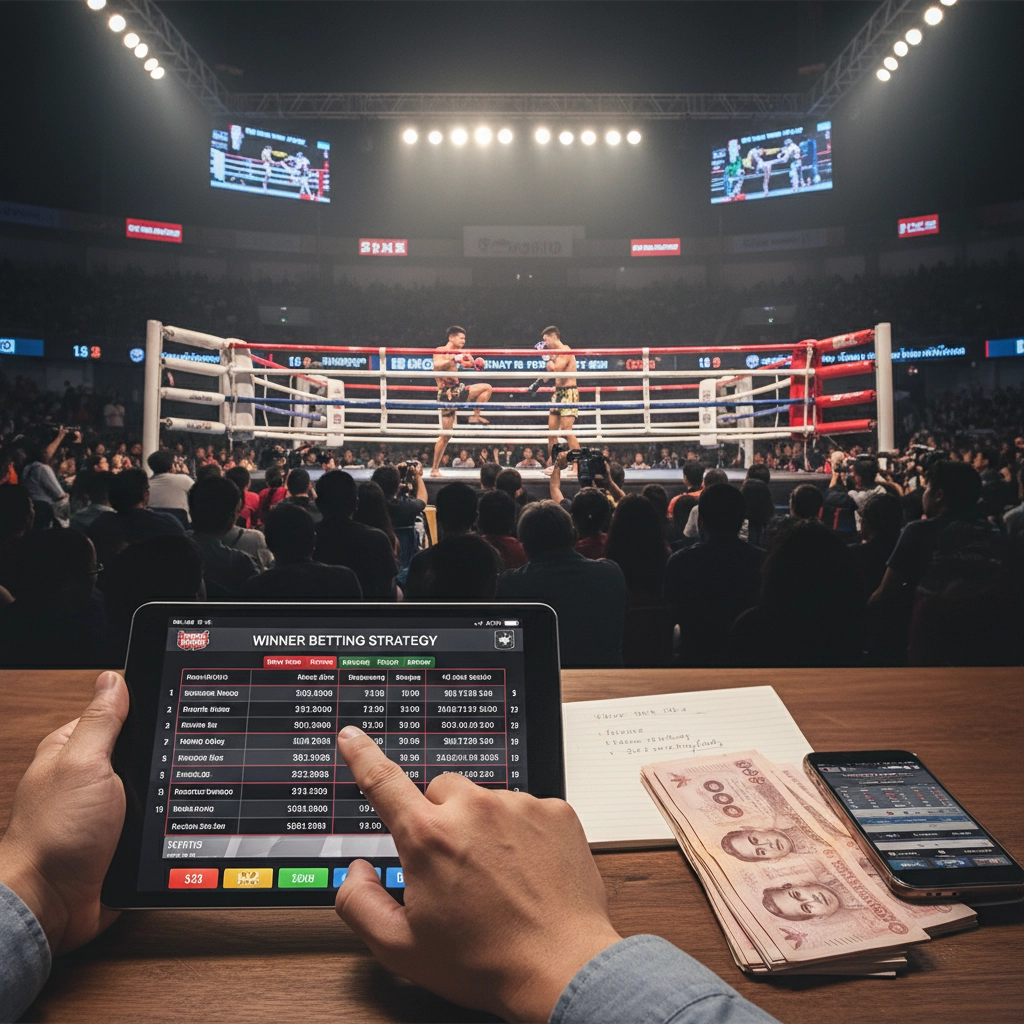
You want to bet on who wins a Muay Thai fight, but before you place money you need to know the mechanics behind the market and how official rules can change results. Winner (moneyline) betting is deceptively simple: you pick Fighter A, Fighter B, or occasionally a draw. Yet the way bouts end—decision, knockout, technical knockout, disqualification, no-contest—affects whether your stake is paid or voided. Understanding standard outcomes and sportsbook rulings helps you avoid surprises and keeps your strategy within legal and operator rules.
Common winner bet markets and what they pay attention to
- Moneyline (winner): Straight pick of which fighter wins within the official rules and scheduled time.
- Draw option: Some books offer draws for Muay Thai; if a draw happens and you didn’t bet it, your bet loses.
- Method-specific markets: Bet on KO, TKO, decision, or disqualification—these require careful reading of sportsbook definitions.
- In-play winner markets: Live betting can settle differently if a fight is stopped early or declared no-contest.
Official fight outcomes you must understand before betting
The way an athletic commission or promotion defines an outcome directly determines whether a winning selection is paid. Learn the distinctions and typical operator policies so you can interpret odds and hedge risk effectively.
Key outcomes and their typical implications for bets
- Knockout (KO): One fighter is rendered unable to continue immediately—winner bets usually stand.
- Technical knockout (TKO) / referee stoppage: Referee or doctor stops the fight—most sportsbooks treat these as valid finishes and pay winning bets.
- Decision: Full scheduled rounds are completed and judges declare a winner—moneyline bets pay according to the official decision.
- Disqualification (DQ): A fighter loses for illegal actions—book rules vary; many pays the opponent as the winner, but check the fine print.
- No-contest / cancellation: If rules or a commission declare the fight void (e.g., accidental foul leading to immediate stoppage), bets may be voided and stakes returned.
- Corner retirement / walkover: If a fighter cannot start or retires between rounds, operator rules determine whether the other fighter is a winning bet or the market is voided.
How rules vary and what to confirm before wagering
Sportsbooks, promotions, and jurisdictions can define these outcomes differently. Before you stake money, check the operator’s market rules for the specific event (e.g., pro Muay Thai under a national commission vs. exhibition bouts). Also confirm whether accidental fouls, weight miss consequences, or opponent changes void bets or cause the market to be re-priced.
With these foundational concepts clear, you can start building a disciplined approach to reading odds, evaluating fighters, and managing risk—next, you’ll learn how to analyze fighting styles, records, and situational factors that influence the best winner bets.
Reading fighters beyond records: styles, tendencies and ringcraft
A win–loss record is just the starting point. To make profitable winner bets you need to decode how a fighter wins and loses: the styles, habits and in-fight intelligence that determine outcomes more reliably than raw numbers. Watch full fights (not highlight reels) and focus on concrete, repeatable patterns.
- Style matchups: Who controls range? A long, teep- and kick-heavy technician will frustrate an aggressive clinch fighter if they can keep distance. Conversely, a relentless clincher who traps and knees can neutralize a counter-striker. Favor the fighter whose strengths exploit the opponent’s chronic weakness.
- Output and pace: Look at strikes per round and whether output drops late. Fighters who gas in later rounds are vulnerable to late TKOs or blown decisions. For shorter Muay Thai matches or three-round bouts, endurance matters less than burst power and activity.
- Finishing tendencies: Some fighters win mainly by points; others consistently score stoppages. If a book offers method-specific markets, match the fighter’s history to the prop—if you expect a decision, a moneyline on the decision market can offer value.
- Clinching, elbows and dirty boxing: Muay Thai is rich in clinch work and elbows. Fighters who dominate clinch position often control rounds and create cuts that swing judges. Notice whether a fighter can impose clinch control against similar opposition.
- Mental attributes and ring IQ: How does a fighter adjust mid-fight? Who calms down when things go wrong, and who panics? Tactical adaptability can win close fights on the scorecards.
Combine qualitative watch-time with quantitative checks: strike accuracy, defense rate, knockdown history, and opponent quality. A 10–0 record against low-level opponents is less predictive than a 6–4 record against top-tier competition.
Situational edge: weight, camp changes, travel and officiating
Situational variables often swing close fights and create hidden value. These are the non-technical factors sportsbooks won’t price perfectly if you do your homework.
- Weight management and rehydration: Missed weight or a brutal weight cut can sap power and gas tank. If a fighter rehydrates poorly or misses weight, consider reducing stakes or avoiding the moneyline.
- Camp quality and preparation time: Short-notice opponents, last-minute replacements, or truncated camps favor experienced fighters who can adapt quickly. A fighter coming off a long, targeted camp is likelier to execute a game plan.
- Travel, altitude and local climate: Long flights, time-zone shifts, or fighting at altitude affect stamina. Local fighters or those familiar with the venue have tangible advantages.
- Officials and judging tendencies: Different commissions and regions reward aggression, technical scoring, or ring control. Research judges’ past cards or the promotion’s scoring tendencies—this matters for close decisions and when handicapping aggressive vs. technical styles.
- Injury reports and weigh-in behavior: Visible injuries at weigh-ins, withdrawn sparring partners, or altered medicals can signal compromised performance. Always check latest news up to fight time.
When these situational factors tilt the balance, they often create value relative to public lines. Use them to adjust stake size, seek better prices across books, or target live markets where momentum and visible wear change odds fast.
Turning analysis into disciplined betting decisions
After gathering style reads and situational intel, translate that into a clear bet plan: identify edge, size your stake, and pick the right market. Line-shopping is essential—small price differences compound over time. If the edge is conditional (e.g., you expect a late surge), consider round or method props to isolate that scenario and reduce rule-related void risks. Finally, document your bets and review outcomes to refine pattern recognition; consistent, evidence-based adjustments are how winners become repeatable.
Practical next steps before you place a bet
Before you commit money, run a short, disciplined checklist so analysis converts into execution rather than impulse.
- Confirm the latest news: weigh-ins, medicals, camp changes and any replacement opponents within hours of the fight.
- Line-shop across books and set a maximum stake based on your bankroll and confidence level.
- Decide the market that matches your edge (moneyline, round props, method) and avoid trying to force a market that doesn’t reflect your read.
- Prepare a live-betting exit plan: a loss threshold or a clear cue (visible fatigue, cut, or momentum shift) that triggers cash-out or reduced exposure.
- Log every bet and the rationale behind it; review results periodically to sharpen pattern recognition.
Staying sharp and within the rules
Betting successfully in Muay Thai is an ongoing discipline: keep learning, control your stakes, and respect the regulatory framework that governs wagering in your jurisdiction. For guidance on legal and responsible play, consult official resources such as the Gambling Commission. Treat each card as a data point — not a quick path to profit — and prioritize long-term edge over short-term thrill.
Frequently Asked Questions
How much should I weigh style matchup versus a fighter’s record?
Style matchup often matters more than raw record, especially in Muay Thai where clinch, elbows and range control can neutralize a record advantage. Use records as context but prioritize observable matchup factors and recent footage showing how each fighter handles similar opponents.
How do judging tendencies affect my betting strategy?
Research the promotion, judges and regional scoring norms. If a commission favors aggression and ring control, favor fighters who press and clinch; if technical scoring is prioritized, favor cleaner, scoring strikers. Adjust stake sizes or target method-specific markets when judging bias could swing a close card.
Is live betting better than pre-fight betting for exploiting edges?
Live betting can reveal information not priced pre-fight (visible energy, damage, or tactical changes), making it powerful for experienced bettors. However, it requires faster decision-making, strict bankroll controls, and an exit plan. If you lack live experience, start small and focus on one clear live cue at a time.
Recommended Posts