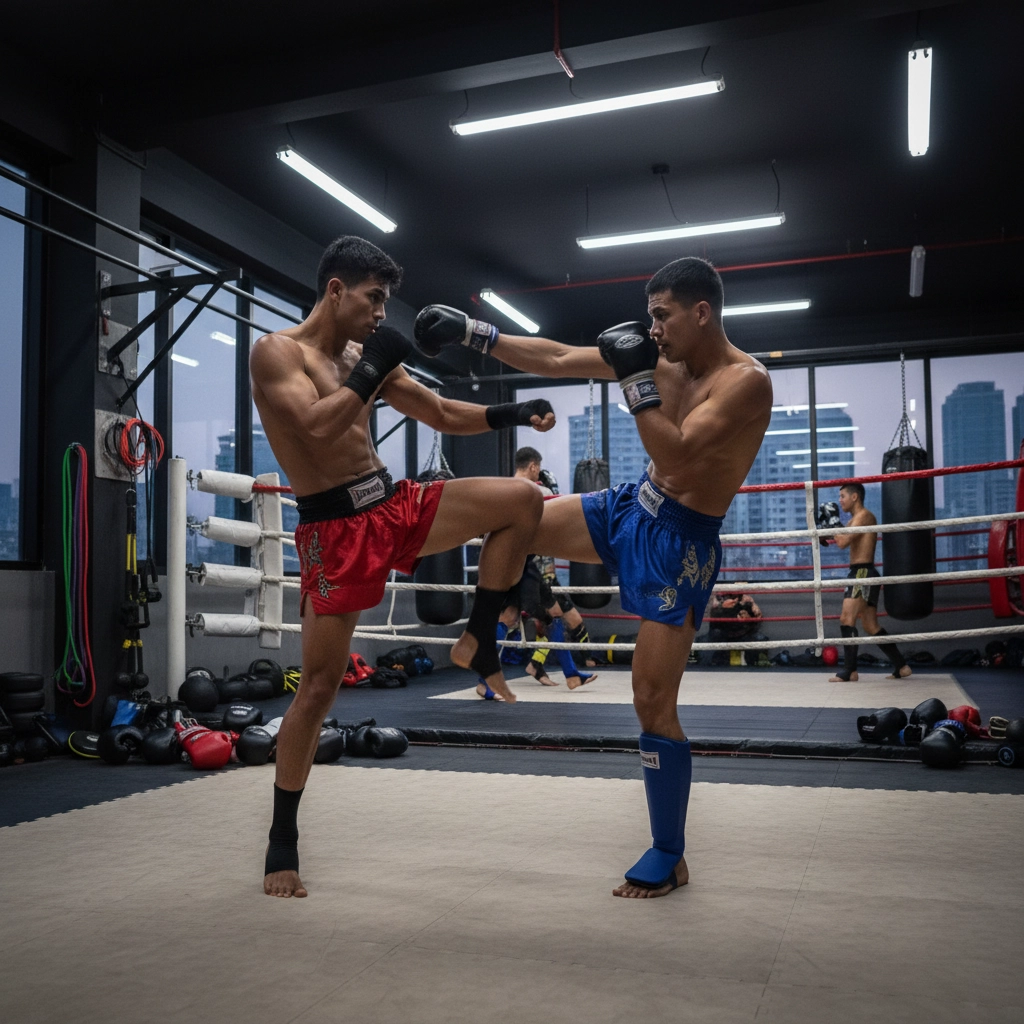
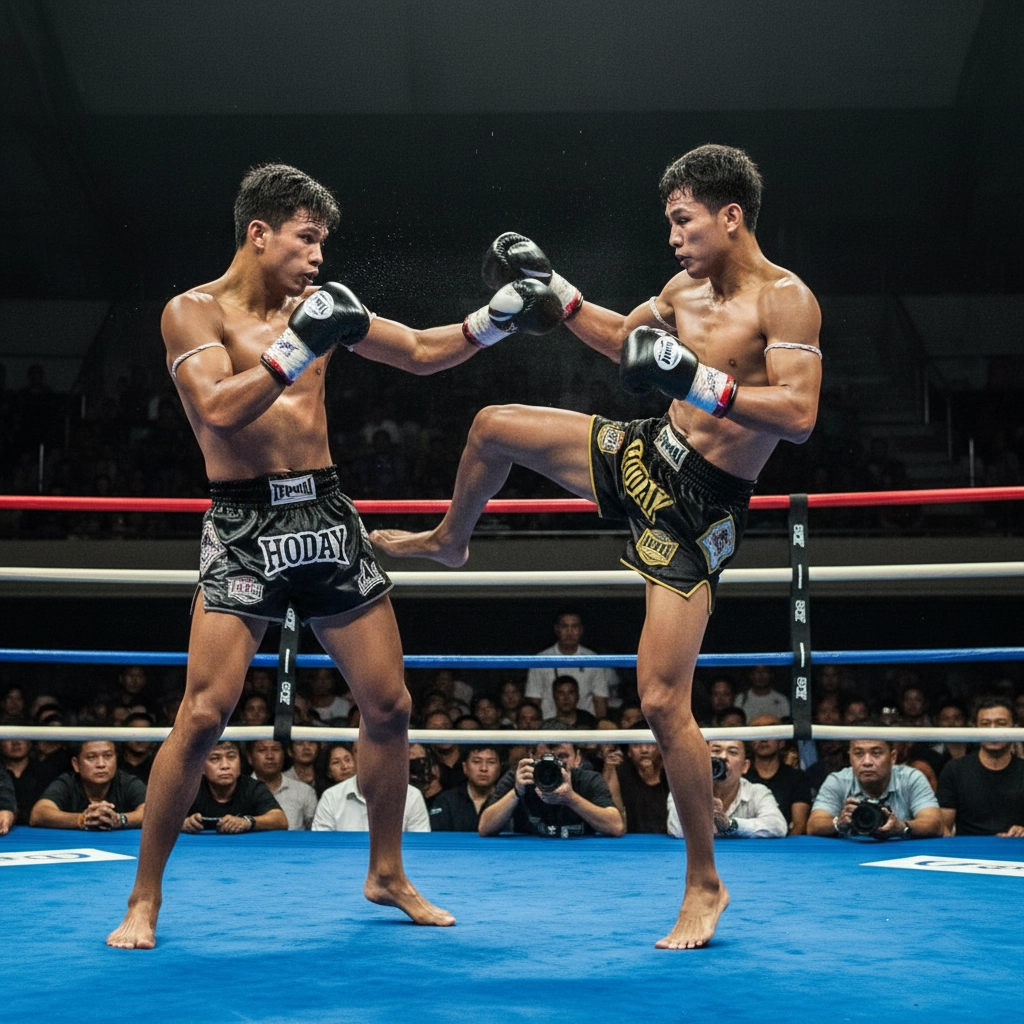
Why mastering advanced combos changes how you perform in the ring
You can have powerful individual strikes, but true ring dominance comes from the ability to chain attacks so they flow, create openings, and punish reactions. Advanced Muay Thai combos are not just a list of techniques — they are systems of timing, angle change, and rhythm that force opponents to defend in predictable ways. When you train combos, you train your ability to read reactions, manage distance, and switch between offense and defense without losing balance.
Beyond scoring and damage, well-constructed combinations let you conserve energy by creating high-percentage openings instead of throwing single, wasted strikes. They also improve your psychological game: a fighter who consistently storms through feints, counters, and clinch entries puts pressure on an opponent’s decision-making, increasing mistakes you can exploit.
Fundamental movement and setups to prioritize before adding complexity
Advanced combinations stand on simple, reliable fundamentals. If you try to bolt complex sequences onto shaky basics, you’ll break under pressure. Focus on these core elements until they become reflexive so you can layer creativity on top without hesitation.
Stance, weight distribution, and footwork
- Balanced stance: Maintain a ready posture that lets you kick, step, and clinch without a heavy reset. Your knees should be slightly bent and your weight centered.
- Small step mobility: Practice short lateral and diagonal steps so you can change angles quickly in combos rather than overcommitting with big lunges.
- Weight shift for power: Learn to transfer weight fluidly from rear to lead leg (and vice versa) to add torque to crosses, kicks, and knees without sacrificing recovery.
Timing, rhythm, and effective setups
- Teep and jab pairings: Use the teep to measure and the jab to break focus; these make follow-up kicks or knees more likely to land.
- Feints as multipliers: A shoulder dip, stub jab, or step-back feint will open different targets — head, body, or lead leg — depending on how your opponent reacts.
- Counter-awareness: Train to expect common counters (e.g., cross over jab) so your combos include built-in defenses like slips, pivots, or checking kicks.
Basic transitional strikes that form the backbone of advanced combos
Before you memorize long sequences, master reliable transitional strikes that connect simple moves into longer strings. These elements are the “glue” you’ll return to under fatigue or in scramble situations:
- Lead elbow after a missed teep: Short, close-range finishing tool that punishes an opponent stepping in.
- Rear low kick after a jab-cross: Attacks the opponent’s base when they expect a headshot, changing target level rapidly.
- Lead knee from a clinch entry: Use as a recurring reward when you force a close-range tie-up following combinations.
With these movement patterns, setups, and transitional strikes solidified, you’ll be ready to start combining them into high-percentage sequences. In the next section, you’ll break down specific advanced combos, show you how to chain them by reaction, and give progressive drills to ingrain them under pressure.
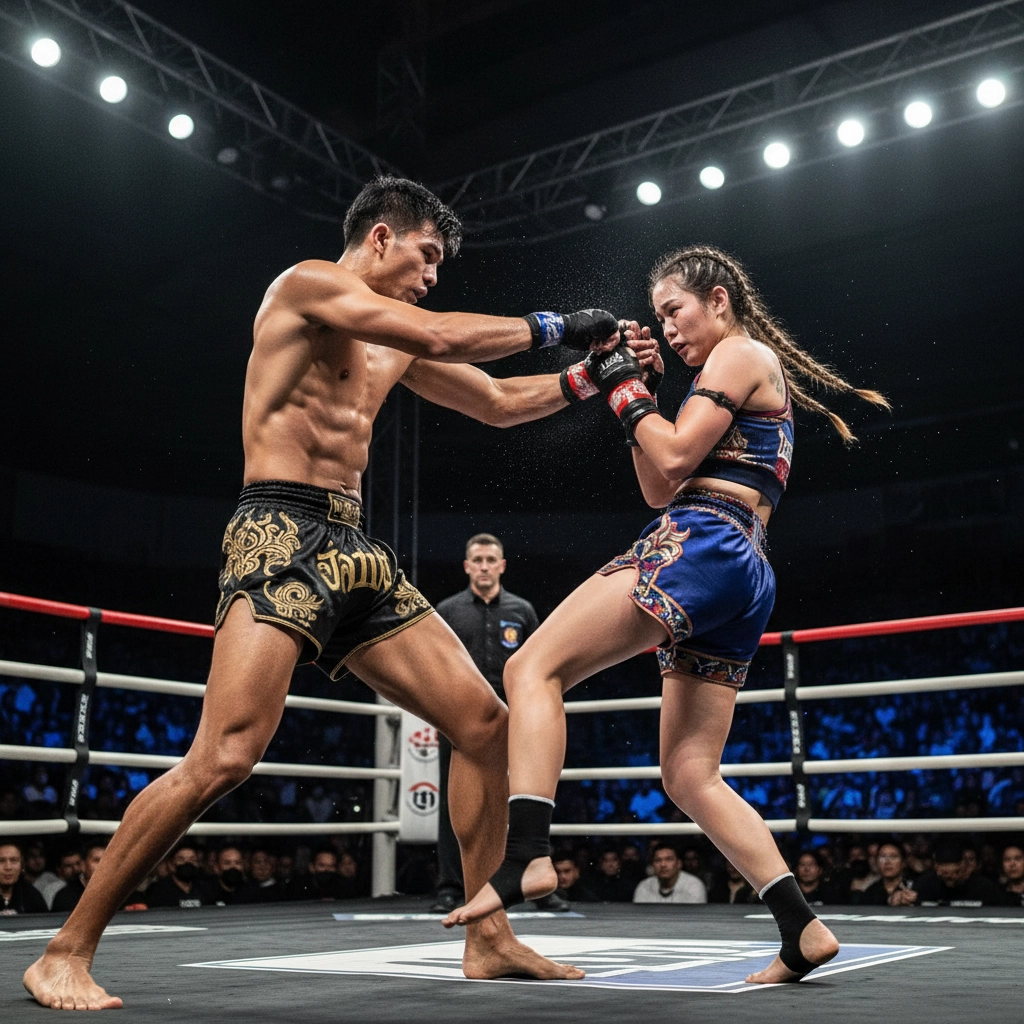
High-percentage advanced combos — breakdown and chaining
Below are compact, fight-ready sequences that emphasize angle change, level manipulation, and a built-in defensive element. For each combo I list the purpose, entry cue, and natural follow-ups so you can chain them based on your opponent’s reaction.
– Jab — rear teep — rear low kick
– Purpose: disrupt balance and timing with the teep, then attack the base.
– Entry cue: opponent shifts weight forward to press the jab.
– Follow-ups: if they step out, cut off with a switch kick; if they square up to check, angle out and throw a lead hook.
– Jab — cross — lead hook — rear elbow
– Purpose: high-to-mid-to-close level change that finishes with a short elbow if they close the gap.
– Entry cue: a head drop or guard opening after the hook.
– Follow-ups: if they try to clinch, grab the biceps and insert the lead knee; if they circle, pivot and throw a rear teep.
– Teep — step-in jab — rear cross — rear low kick
– Purpose: use the teep to measure and bait the guard; step-in jab creates reaction that the cross exploits; low kick attacks the planted leg.
– Entry cue: teep is checked or parried, indicating commitment to a forward step.
– Follow-ups: if they lift the leg, feed a quick switch kick or a lead hook; if they backpedal, follow with straight teeps.
– Feint jab — cross — switch kick — clinch knee
– Purpose: feint unbalances or makes the opponent drop a hand; the switch kick changes plane and the clinch knee punishes forward reactions.
– Entry cue: a reactive cross-guard or pull-back after the cross.
– Follow-ups: if they sprawl, retreat with a teep; if they lean into the clinch, lock the tie-up and work knees/short elbows.
– Lead leg low kick — cross — lead elbow
– Purpose: break stance with the low kick, exploit the head opening with the cross and short elbow at close range.
– Entry cue: opponent drops the rear hand to check the low kick.
– Follow-ups: if they counter with a hook, slip and counter with a rear teep.
These combos are modular — insert a teep, feint, or pivot between elements to disguise intent. Practice the transitions until the motion (not the count) cues the next strike.
Combos by reaction: reading and redirecting opponent responses
Advanced combinations rely on predicting three common reactions and having a canned answer for each.
– If they block high (guard tightens): change levels — throw body hooks, teeps to the ribs, or low kicks. Example: jab-cross to body hook, then rear low kick to the planted foot.
– If they step back (creating distance): close with a switch kick or double teep to prevent reset, or bait a forward step with a fake and trap them in a clinch. Example: teep — fake teep — step-in jab to clinch.
– If they counter (throws a counter-punch): embed defenses in the combo — slips, pivots, or a rear check kick. Example: jab-slip-cross-check low kick — this turns their counter into an opening for your leg.
Train the habit of asking “what will they do?” as you throw the first two strikes. Your third strike should be the response — not a pre-planned flourish.

Progressive drills to ingrain combos under pressure
Structure training so combos move from rehearsal to reflex.
– Solo/Bag work (foundation)
– Shadowbox 3 rounds (3 min) focusing only on one combo per round; visualize reactions.
– Heavy bag intervals: 6 x 45s working a combo, 15s rest. Emphasize clean weight transfer and recovery.
– Pad and partner drills (application)
– Call-and-response pads: coach calls opponent reaction (“blocks high,” “steps back,” “counters”), you execute the corresponding follow-up. 5 sets of 3 minutes.
– Progressive resistance: pads start soft, increase resistance each round forcing you to time the next element faster.
– Controlled live practice (pressure)
– Flow sparring with constraints: only allowed to use two- and three-strike combos; partner must react realistically. Start light then increase pace.
– Situation rounds: begin each round with a specific cue (e.g., “you land a teep”), then fight from that moment using your combo plan.
Progress criteria: maintain technique for 8/10 reps in a set, and execute correct reaction follow-up under light pressure. Gradually add intensity; never sacrifice structure for speed. These progressions turn a practiced sequence into instinctive ringcraft.
Putting the work into practice
Advanced combos are earned through patient, measured training—not rushed memorization. Prioritize consistent practice, honest feedback from coaches and partners, and incremental increases in intensity. Protect your training by warming up thoroughly, drilling technique at lower speeds before adding power, and keeping controlled sparring sessions focused on specific sequences. Track small wins (clean repetitions, correct reactions under pressure) rather than chasing flashy results; that steady progress is what builds reliable ring dominance.
When you’re ready to expand beyond the gym, make sure your coach and corner are aligned with which sequences you’ll use in a bout and how those combos fit the ruleset you’re fighting under. For more on competitive standards and organizing bodies, see IFMA.
Frequently Asked Questions
How often should I drill these advanced combos to make them instinctive?
Frequency matters more than long single sessions. Aim for short, focused repetitions multiple times per week: shadowbox combos daily for 5–10 minutes, work them on bag/pads 2–4 times per week, and include partner reaction drills or controlled sparring 1–2 times per week. Always emphasize quality and deliberate repetition over mindless volume.
Are these advanced combos appropriate for beginners?
Not immediately. Beginners should first lock in stance, footwork, basic strikes, and simple transitions. Once fundamentals are consistent under light pressure, progressively add the advanced combos outlined here—starting slowly and using drills that isolate each transition before combining them under resistance.
How do I safely test combos in sparring or competition?
Introduce combos in flow sparring with clear boundaries (light contact, specific allowed sequences). Use protective gear and communicate intentions with your partner. Gradually increase intensity as timing and defensive responses improve. For competition, adapt combos to the ruleset, prioritize defensive anchors (slips, pivots, checks) within sequences, and get your coach’s approval before attempting high-risk variations.
Recommended Posts