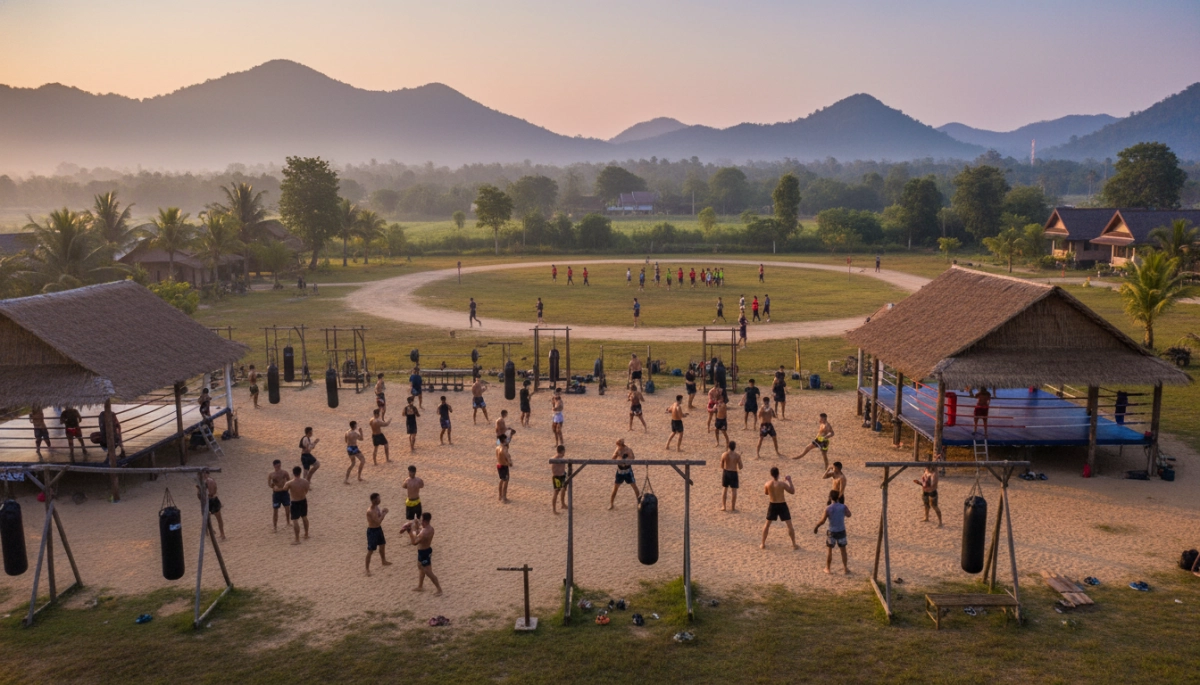
Train like a fighter: why choosing the right Muay Thai camp in Thailand matters
If you’re planning to train Muay Thai in Thailand, the camp you choose will shape more than just your technique. Camps vary widely in coaching experience, training intensity, cultural immersion, and amenities. Selecting a camp that matches your goals—whether you want to spar competitively, sharpen fitness, or simply learn authentic techniques—will determine how quickly you progress, how safe your training is, and how enjoyable your stay becomes.
Think beyond location and price. The right camp balances high-quality instruction, suitable training volume, and a supportive environment that respects your fitness level and injury history. When you pick a camp that aligns with your expectations, every pad session, clinch drill, and road run becomes purposeful rather than exhausting or risky.
Practical considerations: the fundamentals to evaluate before you book
1. Training style and daily schedule
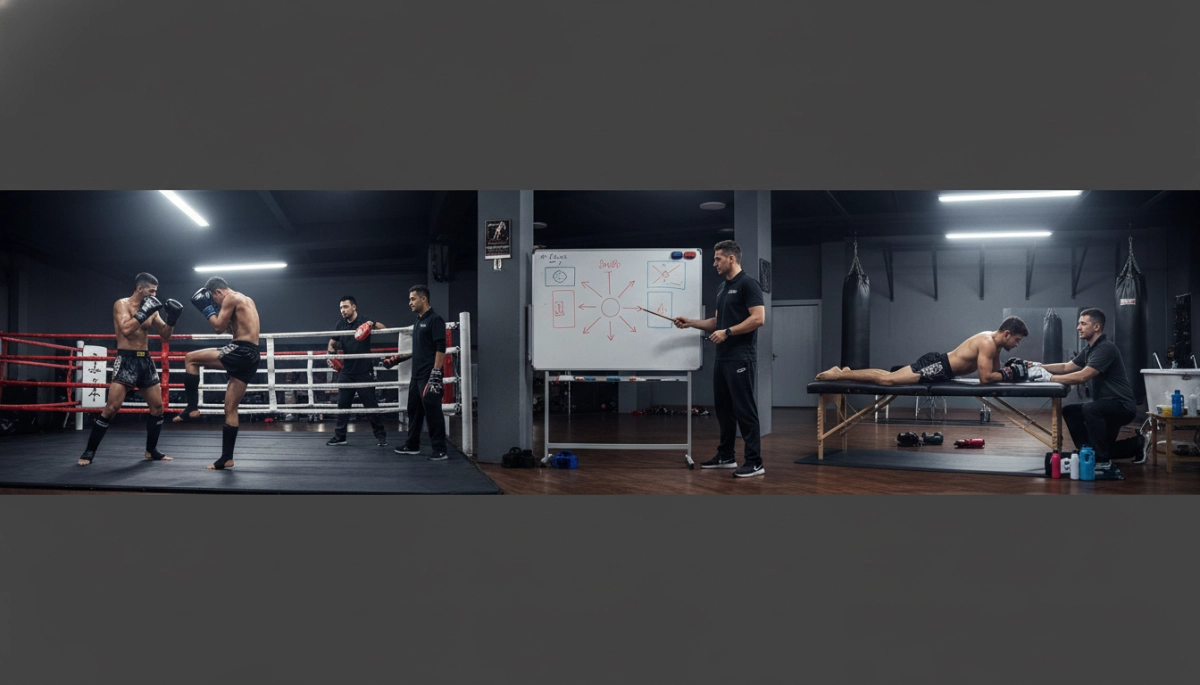
Ask about typical daily routines. Camps usually run two to three sessions per day: early morning conditioning, mid-day drills, and evening sparring. If you’re a beginner or on a short stay, you’ll want a camp that offers beginner classes or the option to drop to one session a day. Competitive fighters should look for regular sparring, personalized training plans, and recovery protocols.
2. Coaching qualifications and teaching approach
Coaches can be former Muay Thai champions, long-term instructors, or foreign trainers with local experience. Check whether the camp emphasizes repetitive drilling, technique breakdowns, pad work quality, and safe sparring practices. You can often gauge this by watching a class video or reading reviews that describe the coach-student interaction.
3. Accommodation, food, and logistics
Many camps offer on-site rooms and meals; others partner with nearby guesthouses. Consider how comfortable you need to be: basic dorm-style housing is common at no-frills camps, while premium camps include private bungalows and chef-prepared meals. Also verify transportation options to town or the airport, laundry services, and Wi‑Fi if you’ll be working remotely while training.
4. Safety, medical care, and injury policy
Muay Thai is physically demanding. Confirm the camp’s approach to warm-ups, cooldowns, and progressive load for newcomers. Ask if there’s an on-site medic, nearby hospital access, and clear policies for handling injuries and refunds if you’re forced to stop training early.
- Equipment quality: gloves, pads, ring, and mats matter for safety.
- Student-to-coach ratio: smaller groups allow more individual feedback.
- Language: ensure instruction is delivered in a language you understand.
With these fundamentals in mind, you’ll be ready to compare camps more objectively. In the next section, you’ll learn how to match your personal goals to specific camp types and what targeted questions to ask when contacting a camp.
Match your goals to camp types: where you’ll make the most progress
Different camps suit different aims. Before you commit, identify your primary objective and use it to narrow your search.
– Competitive fighters: Look for gyms that run a fight team, have regular stadium or amateur shows, and a coach experienced in preparing fighters for bouts. These camps push volume, include regular sparring and technical clinch work, and understand weight-cutting, recovery protocols, and fight strategy. They may be tougher on discipline and time commitments, but they’re the fastest route to ring experience.
– Technique-focused learners: If your priority is clean technique and a deep understanding of Muay Thai (not necessarily fighting), choose an instructor-led camp that emphasizes pad work, drilling, and slow breakdowns. These gyms typically offer smaller classes, private lessons, and teachers who explain mechanics rather than just increasing intensity.
– Fitness and holiday trainees: For those who want results without the fight lifestyle, look for camps that blend Muay Thai with strength and conditioning, mobility sessions, and varied class times. These camps are often more tourist-friendly, flexible with attendance, and provide fitness-focused programming rather than daily sparring.
– Cultural immersion seekers: Want authentic experience living like a Thai fighter? Traditional camps—often humble, run by Thai families or ex-fighters—prioritize discipline, communal living, and temple or local-stadium visits. You’ll train alongside Thai students and absorb cultural elements that bigger, tourist-oriented gyms may gloss over.
– Remote/retreat hybrids: If you’re combining training with downtime (beach, yoga, or remote work), look for camps in resort areas or islands that offer quality coaching alongside better accommodation and leisure amenities. These balance training with lifestyle comforts.
Also consider geography: Bangkok and Chiang Mai have high concentrations of technical gyms and experienced coaches; Phuket and the islands cater more to international fighters and fitness tourists. Match the camp’s emphasis, location, and price tier to your goals—don’t let glossy photos lure you if the program doesn’t align with what you want to achieve.
Ask these precise questions before you book (and heed the red flags)
When you contact a gym, use specific questions that reveal how they’ll support your goals.
Essential questions
– What is a typical weekly schedule for my level? (Shows how training load is managed.)
– How many sparring sessions per week and what are sparring rules? (Important for safety and progression.)
– Do you offer private lessons and personalized training plans? (Key for technical improvement or fight prep.)
– Are coaches full-time, ex-fighters, or foreigners? Can I see credentials or a video of a class? (Quality check.)
– Do you arrange fights and manage weigh-ins, travel, and fees? (Crucial if you plan to compete.)
– What accommodation and meal options are included? Any dietary accommodations? (Logistics and recovery.)
– What is your injury and refund policy? Is there access to nearby medical care? (Risk management.)
– Can I do a trial day or contact current/former students? (Real feedback.)
Red flags to avoid
– No clear answer on sparring rules or medical protocols.
– Refusal to show a live class video or put you in touch with current students.
– Overcrowded classes with poor equipment or no individualized coaching.
– Promises of guaranteed fights without explaining fees or process.
– Vague pricing, hidden fees for pads, wraps, or fight arrangements.
A short phone call or video chat will reveal more than a brochure. If possible, start with a trial day to feel the environment and watch how coaches manage mixed-level groups. Choosing the right camp is part logistics, part gut instinct—ask targeted questions and trust what you observe.
Arrive ready: a short pre-departure checklist
Paperwork and medical prep
Bring photocopies of your passport, travel insurance that covers combat sports, and any necessary visas or vaccination records. If you have chronic conditions or current injuries, get a clearance from your doctor and bring a brief summary of medications and doctor contact details.
Training gear and packing
- Essentials: hand wraps, a pair of training gloves, comfortable shorts, and a mouthguard.
- Extras: shin guards, a light water-resistant jacket, and a simple first-aid kit (tape, antiseptic, blister plasters).
- Documents: photos of your preferred sparring level or past fight record if applicable, plus printed confirmation of bookings.
Mindset and cultural readiness
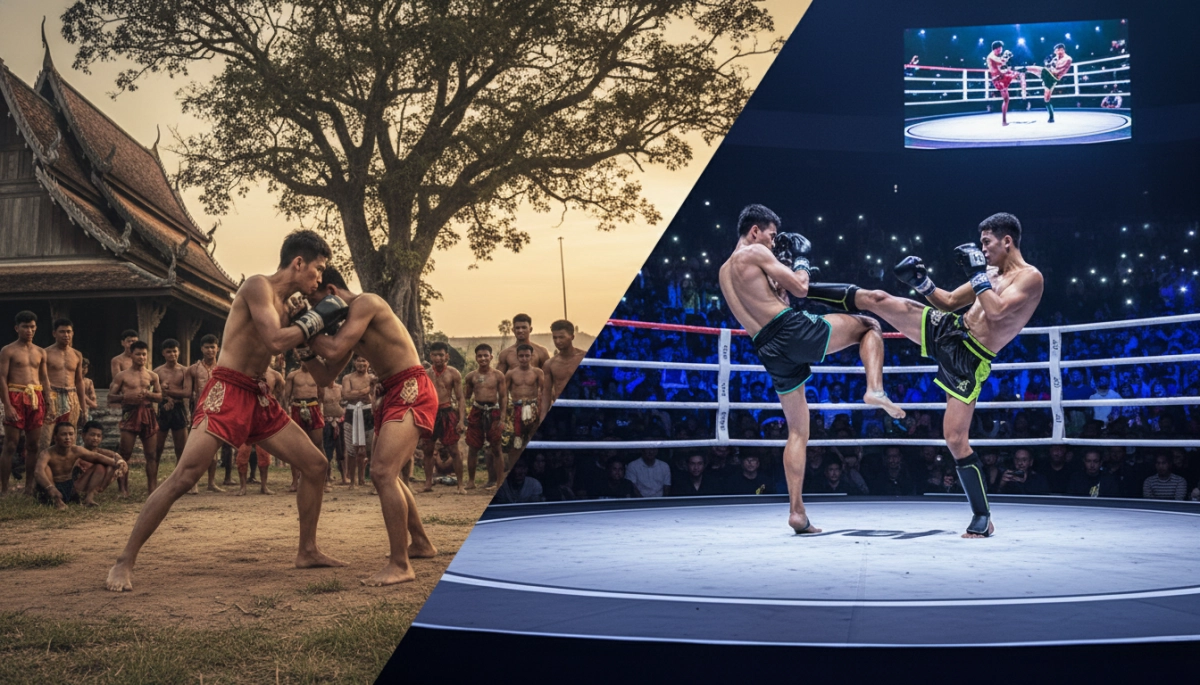
Arrive with patience, humility, and an openness to local customs. Learn a few Thai phrases, respect ring etiquette, and be prepared to follow the coach’s structure. If you want deeper context on the sport’s traditions and rules, read this primer: Muay Thai history and rules.
Final thoughts before you go
Choose a camp that fits your goals, prepare practically, and treat the experience as both training and cultural exchange. Prioritize safety, clear communication with coaches, and time for recovery. With the right expectations and an open mind, your time training in Thailand can be transformative—push hard, but know when to rest, and enjoy the process.
Key Takeaways
- Match camp type and coaching style to your goals—fighting, technique, fitness, or cultural immersion.
- Ask specific questions about sparring, injury protocols, and accommodation before booking.
- Arrive prepared with proper gear, insurance, and a respectful mindset to get the most from your stay.
Recommended Posts