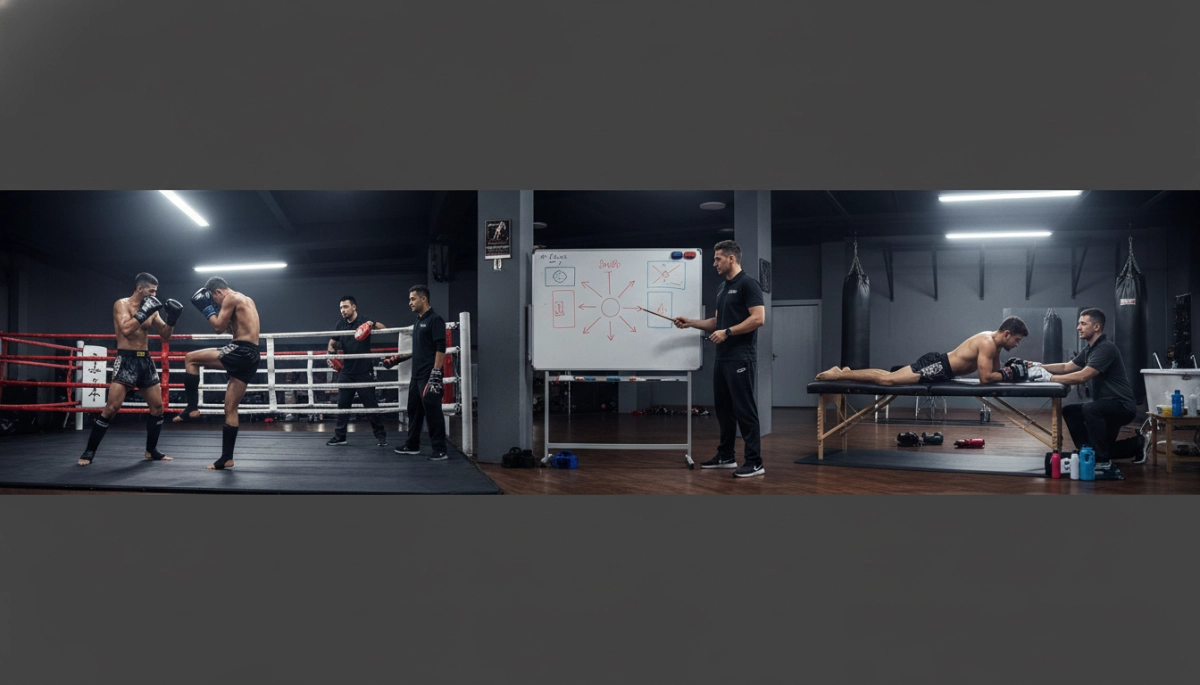
What you encounter when you watch a professional Muay Thai bout
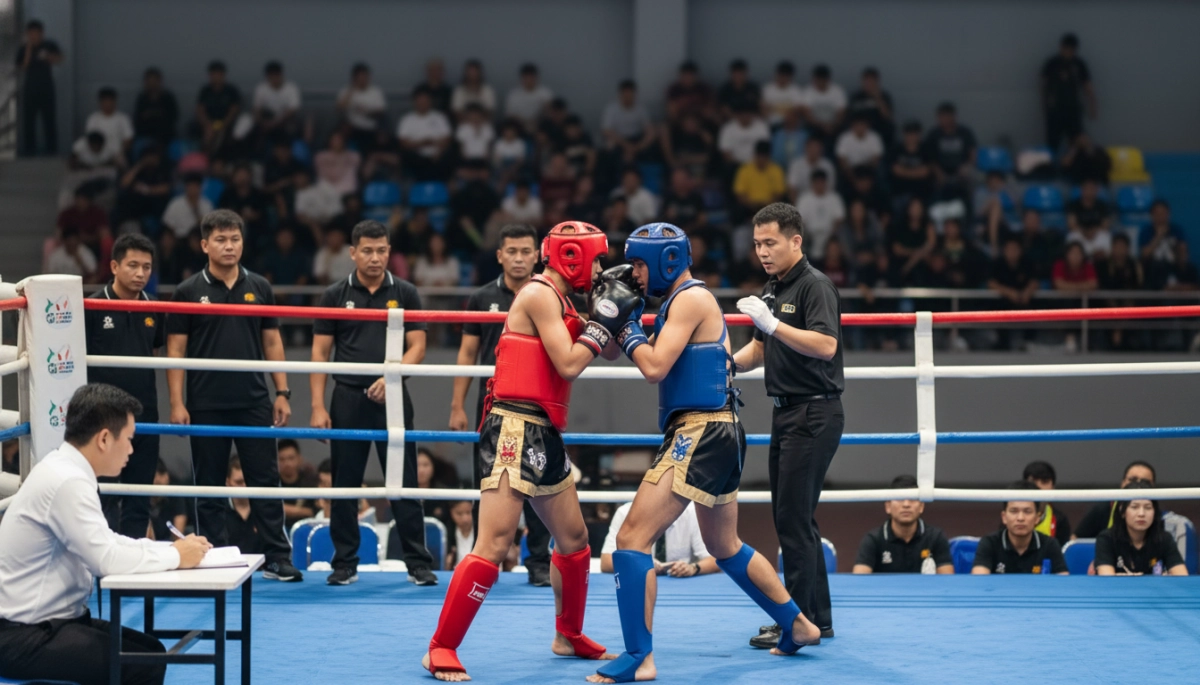
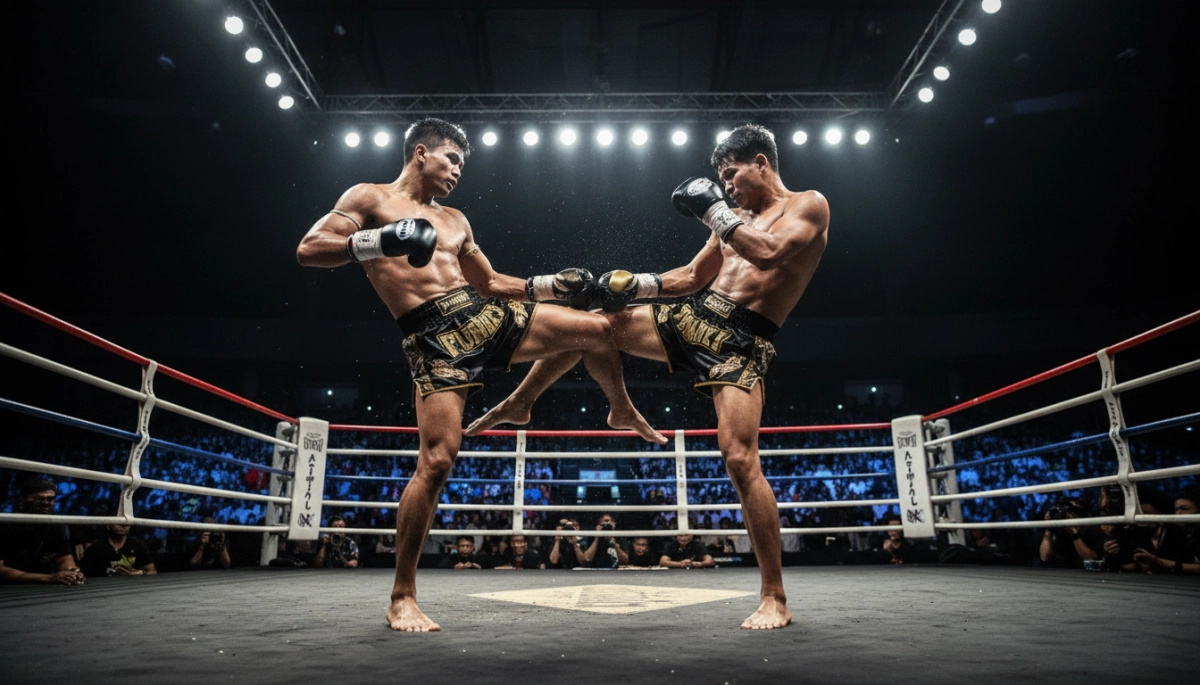
When you watch a pro Muay Thai fight, what looks like raw aggression is actually the visible result of months of structured preparation. The bell-to-bell action is paced by strategic choices: clinch control, timing for kicks, and calculated exchanges to score or finish. You should expect to see rapid transitions between long-range teeps and mid-range elbows, with fighters probing, creating distance, and exploiting openings. Understanding that these moments come from deliberate training habits helps you appreciate the technical depth behind each strike.
How rounds and scoring shape what you see
Rounds in Muay Thai are short and intense, so fighters prioritize techniques that yield points or immediate advantage. Judges reward effective dominance — clean strikes, ring control, and damage. That scoring emphasis influences tactics: you’ll notice fighters attempt high-impact knees and elbows in the clinch to sway judges, while also relying on kicks to keep opponents off-balance and score from distance.
Daily and weekly training patterns that create fight-ready athletes
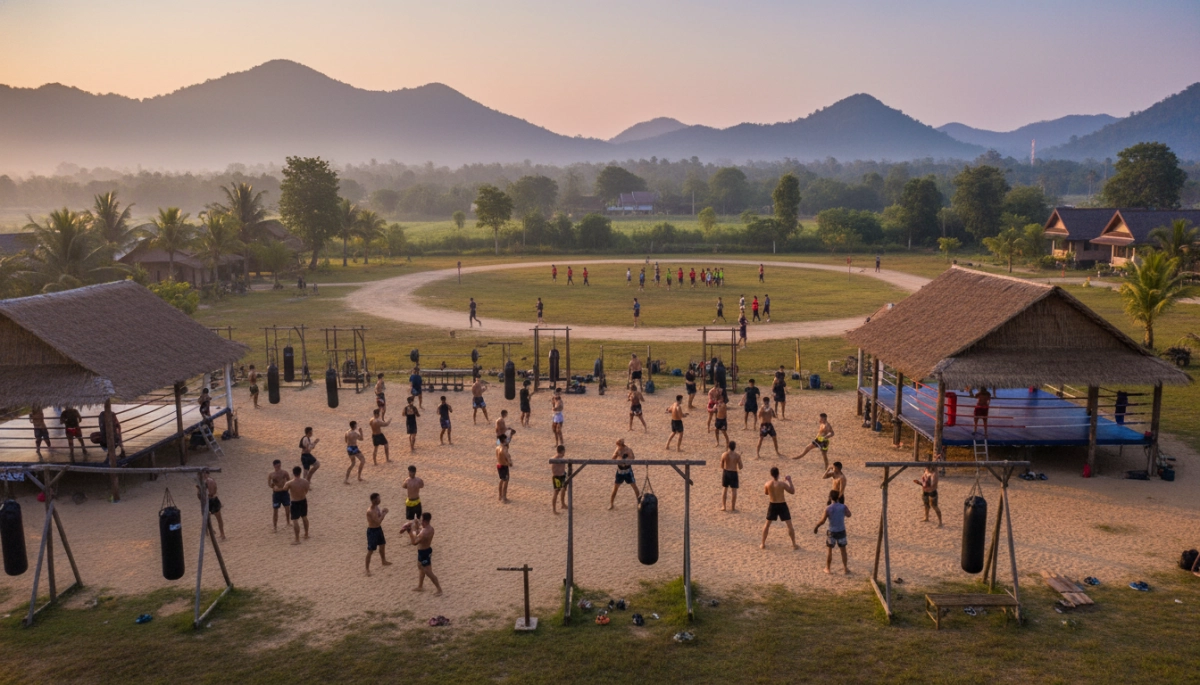
Your typical pro Muay Thai training week balances skill development, strength and conditioning, and tactical sparring. Sessions are often split into morning cardio and technique work, with afternoon strength or sparring blocks. Rest and active recovery rounds out the schedule. The structure is deliberate: condition the body, refine the skill set, then test those skills under stress.
Core components of a fight camp
- Technical drills: pad work, bag rounds, and shadowboxing to engrain combinations and movement patterns.
- Clinching and grappling: dedicated rounds to control posture, off-balance opponents, and land knees and short elbows.
- Sparring: progressive intensity sparring to simulate fight tempo, from light technical sparring to full-contact sessions.
- Conditioning: roadwork, interval runs, jump rope, and plyometrics to build aerobic base, explosiveness, and recovery between exchanges.
- Strength training: functional lifts, kettlebell circuits, and bodyweight work targeted to power, durability, and injury prevention.
How your coach tailors training to the opponent
As fight night approaches, training focuses shift. You’ll start game-planning for your specific opponent: if they favor southpaw kicks you’ll drill checks and counters, or if they’re a heavy clincher you’ll increase clinch endurance and trips. This opponent-specific phase balances maintaining conditioning while minimizing unnecessary damage during sparring — protecting the athlete for peak performance on fight night.
These foundational topics set the stage for deeper discussion of in-ring tactics, corner strategy, and the recovery practices fighters use during and after camp. In the next section you’ll explore fight-by-fight tactical adjustments and the rehabilitation protocols that keep professionals competing at a high level.
Round-by-round tactical adjustments and the corner’s role
What looks like improvisation during a fight is usually the rapid execution of adjustments mapped out during camp. Between rounds, a fighter’s corner has roughly 60 seconds to diagnose the last three minutes of action and reprogram behavior. That short interval determines whether the next round will be more aggressive, more conservative, or a mirror of what worked before.
Corners focus on three practical tasks: immediate damage control, tactical feedback, and physiological recovery. The cutman stops bleeding, reduces swelling with an enswell and pressure, and seals cuts with coagulant powders or gauze when necessary. Coaches call out patterns — “he drops the right hand before the teep,” or “bait the clinch after the low kick” — and adjust sequencing: more jabs to set up a teep, switch-stance drills to confuse a southpaw, or a steady body-attack plan to sap an opponent’s legs. The coach also controls tempo cues: breathe, reset, and conserve energy to avoid sloppy exchanges late in the round.
In-fight tactical shifts are simple but effective. A fighter may transition from long-range kicking to pressuring inside if the opponent shows poor clinch defense. If an opponent tires around the second minute, corners will push output to exploit fading gas tanks. Conversely, if damage accumulates early, the corner may prioritize defense, clinch work, and scoring counterattacks to protect the athlete while preserving judge impressions. Successful corners blend objective observation — strike count, visible fatigue, cut severity — with a sense for the fighter’s psychological state, offering short, specific instructions that the athlete can execute under stress.
Recovery practices: acute care, rehab, and keeping a career sustainable
Recovery begins the moment the fight ends. Acute protocols address immediate issues: bleeding, suspected concussions, fractures, and severe soft-tissue damage. Events have ringside medical teams for triage and referral. For less severe damage, immediate measures include icing or contrast therapy, compression, and a controlled nutrition and hydration plan to start replenishing glycogen and repairing muscle.
Over the following days, rehabilitation is individualized. Simple bruising and soreness call for active recovery — walking, mobility drills, light cycling, and targeted massage — to stimulate circulation and speed repair. More serious injuries follow staged rehabilitation overseen by physiotherapists: pain management, range-of-motion restoration, progressive strength and loading, and finally sport-specific reintegration with technical work and controlled sparring. Return-to-training is criteria-driven rather than time-driven; fighters must demonstrate pain-free movement, strength symmetry, and confidence in contact before ramping back to full intensity.
Mental recovery is equally important. Fighters often work with sports psychologists to process the fight’s outcome, manage stress, and reset motivation for the next camp. Long-term durability is built through periodized strength and mobility programming, consistent sleep and nutrition habits, and smart scheduling of fights to avoid accumulated wear. Many professionals rotate modalities — hydrotherapy, targeted soft-tissue therapy, and monitored supplementation — but all successful regimens share one principle: recovery is active, measurable, and integrated into the athlete’s long-term plan rather than an afterthought.
Beyond the ropes: respect, routine, and the next step
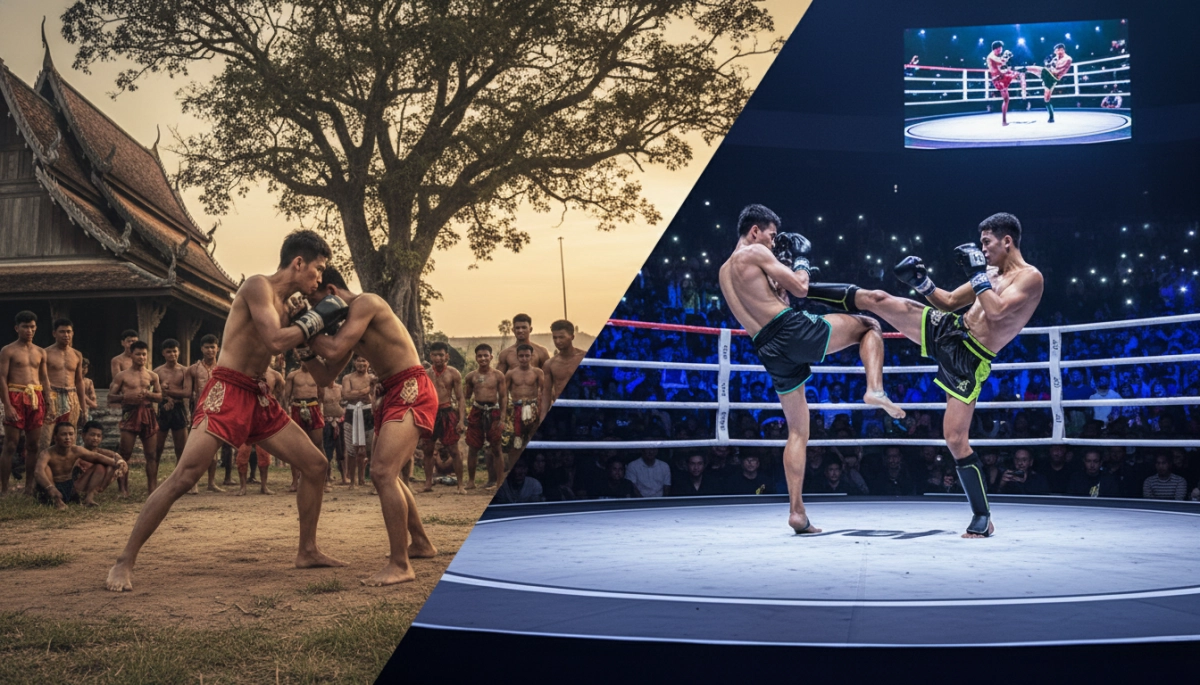
What happens inside a professional Muay Thai fight is the tip of a much larger iceberg — a craft shaped by routine, resilience, and respect for the opponent and the body. Appreciating that gives spectators a different lens: you’re not just watching violence, you’re watching an applied discipline where preparation, split-second decision-making, and recovery all meet. Recognizing the human side of the sport—its risks, its rituals, and its continuous learning—changes how you engage with it, whether as a fan, coach, or aspiring practitioner.
If you want to learn more about rules, safety standards, or finding accredited competitions and events, a good starting point is the World Muaythai Council. If you decide to train, prioritize qualified coaches, progressive load management, and proper medical oversight so your entry into the sport is sustainable and respectful of long-term health.
Key Takeaways
- Professional Muay Thai is the result of deliberate training cycles: skill work, tactical sparring, conditioning, and opponent-specific preparation.
- In-fight success depends on timely tactical adjustments and effective corner management as much as individual technique.
- Recovery—acute care, rehab, and mental processing—is essential to career longevity and should be planned alongside training.
Recommended Posts