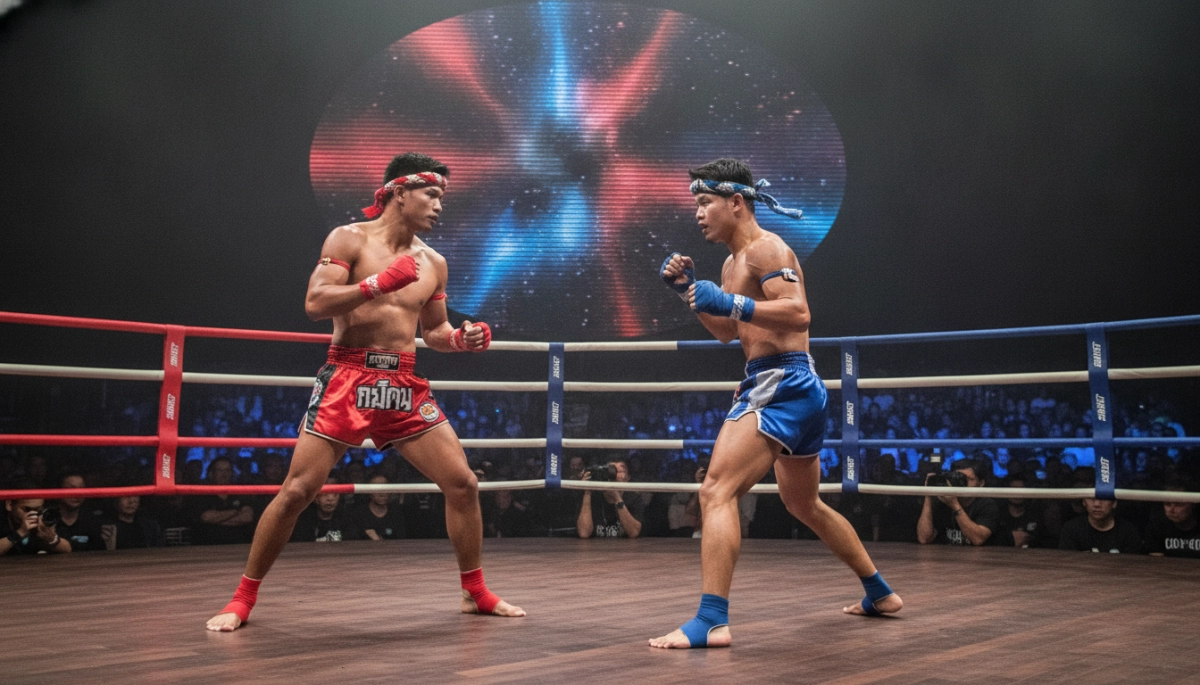
Why Nong-O vs Rodtang Matters to Anyone Studying Modern Muay Thai
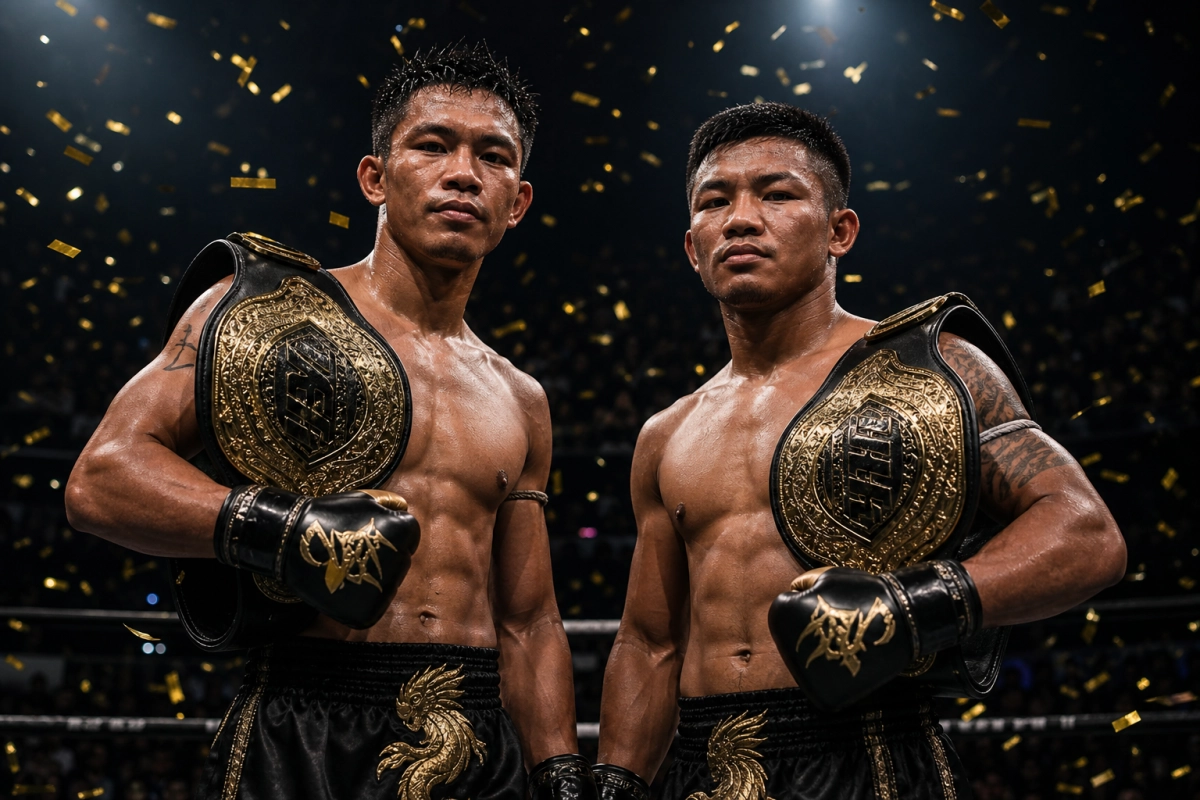
You’re looking at two of the most influential fighters in contemporary Muay Thai, and this matchup serves as a compact lesson in contrasting philosophies: precision and timing versus pressure and volume. Understanding this fight helps you appreciate how stylistic matchups determine pacing, scoring, and momentum in ONE Championship rulesets. Before diving into round-by-round mechanics, you need a clear picture of each fighter’s identity, the bout context, and the rule nuances that influenced tactical decisions.
Fighter Profiles: What You Should Know About Nong-O and Rodtang
When you compare Nong-O Gaiyanghadao and Rodtang Jitmuangnon, focus on attributes that translate directly into fight IQ and measurable outcomes. Nong-O is typically the measured counter-striker: crisp teeps, sharp elbows, and a superior ability to control distance. Rodtang, by contrast, is renowned for nonstop forward pressure, high-output combinations, and a willingness to engage in risky exchanges to break opponents’ rhythm.
- Nong-O: Defensive discipline, timing, elite counter-elbow/teep usage, tactical clinch control.
- Rodtang: Relentless pressure, high punch-kick volume, psychological intimidation, and superior recovery after heavy exchanges.
- Physical attributes: Consider reach, hip mobility, and recovery rate — factors that influenced who dictated range early in the fight.
- Rule set impact: ONE Championship scoring emphasizes damage and initiative; you should note how that shifts incentives toward aggression versus precision.
Early Rounds: Tactical Themes You Can Use to Read the Fight
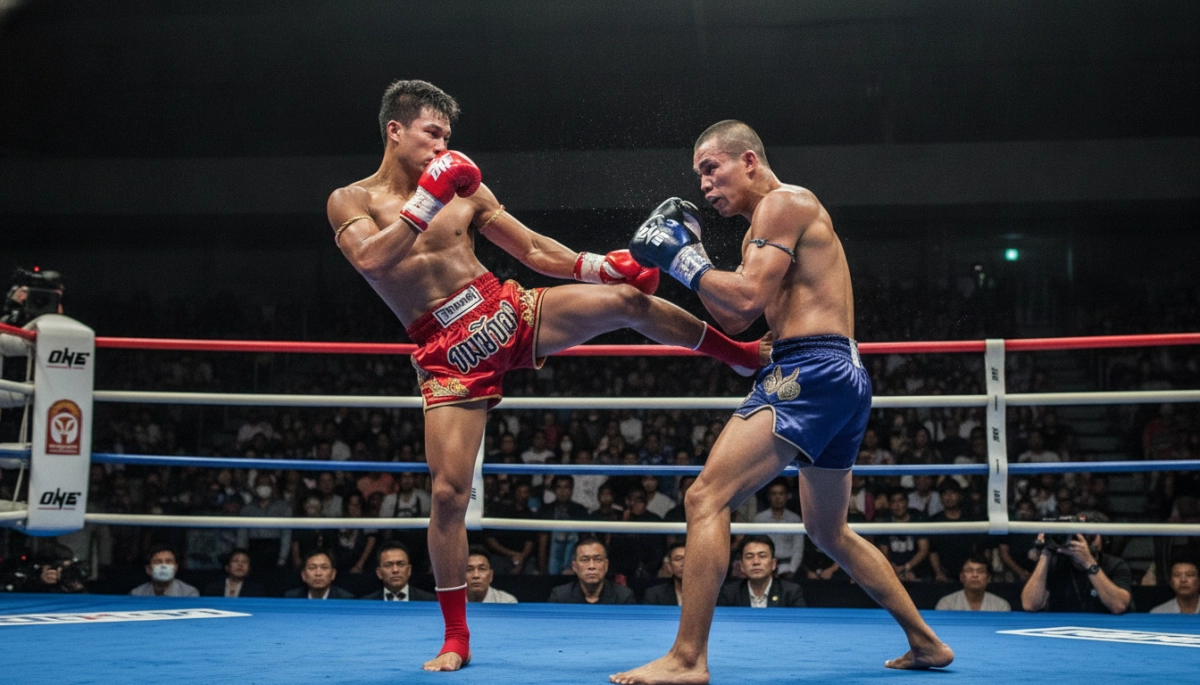
In the opening rounds, pay attention to three converging variables: range management, energy economy, and scoring-seeking exchanges. You’ll often see Nong-O trying to reset the contest with teeps and lateral movement, forcing Rodtang to expend energy while failing to land decisive blows. Rodtang’s game plan typically centers on cutting the ring and reducing space, aiming to overwhelm Nong-O with volume and create opportunities for the clinch or close-range strikes.
Key Indicators to Track in Round One and Two
- How often Nong-O successfully establishes teep distance — each successful teep both scores and punishes forward momentum.
- Rodtang’s entry patterns: does he use feints, low kicks, or level changes to close distance? Your eyes should follow these set-ups.
- Frequency and effectiveness of clinch exchanges: who gains dominant position, lands knees, or forces a reset?
- Damage vs. Initiative: which fighter is landing with intent to hurt, and which is simply maintaining forward motion to sway judges?
These early-round dynamics set the strategic template for middle and late rounds; the adjustments each fighter makes in response will be central to the technical breakdown that follows. In the next section you’ll get a detailed, round-by-round technical analysis that breaks down pivotal moments, strike selection, and the adjustments that decided the contest.
Round-by-Round Technical Breakdown
In a technical read you want to isolate the decisive exchanges rather than narrate every strike. Break each round into sequences of entry, engagement, and reset — those transitions reveal intent and adaptation.
– Rounds 1–2: Nong-O opens by enforcing teep/kick distance and punishing forward lunges with single, hard counters. Watch how he times teeps not just to score, but to interrupt Rodtang’s rhythm; each well-timed push kick forces a reset that costs Rodtang energy and initiative. Rodtang responds with angled entries and rapid head movement, attempting to smother the teep with sliding footwork and low kicks to the lead leg. Early indicators of success are not volume alone but the quality of follow-ups: when Rodtang converts an entry into a sustained body-head combination or forces a clinch, his pressure is working.
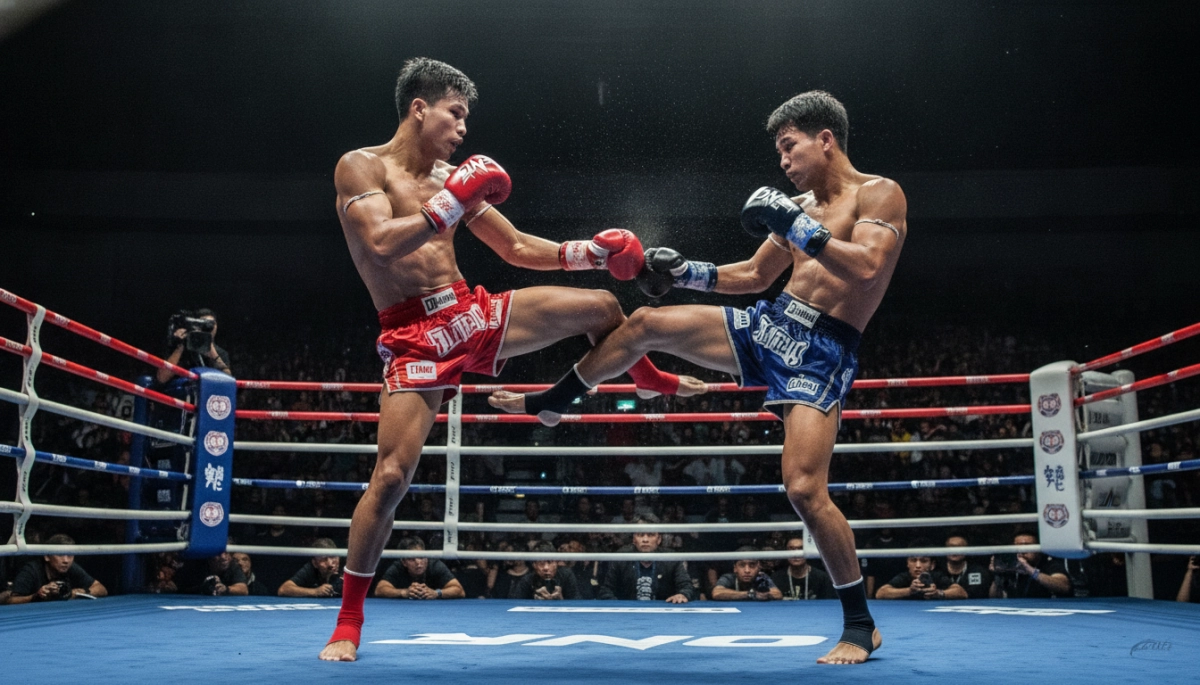
– Round 3: The middle round is where tempo and damage accumulation become decisive. Expect both fighters to probe: Nong-O increases feinted teeps and steps off-line to create counter-elbow lanes; Rodtang picks up output, mixing chopping hooks with straight knees when the distance collapses. Technically important moments occur during exchanges that end with either fighter occupying dominant range. If Nong-O lands a clear elbow or a solid teep that visibly disrupts Rodtang’s advance, he’s buying rounds with damage. If Rodtang repeatedly closes and lands sustained flurries with forward momentum, judges will reward initiative and control.
– Round 4–5: Late rounds expose conditioning and tactical clarity. Nong-O aims to use timing to clip entries — catching Rodtang as he commits — while conserving energy for precise counters. Rodtang often ups the aggression, attempting to overwhelm numerically and create momentum swings. The pivotal technical detail is recovery between exchanges: who resets their guard and posture quickest. Late success for Nong-O typically comes from crisp, damaging counters (elbows, teeps to the body) that blunt pressure; late success for Rodtang is high-rate combinations that land repeatedly and force the referee to pause or the opponent to clinch defensively.
Clinching, Elbows, and the Fight for Close Range
Close-range fighting is where the fight’s narrative is written. Nong-O’s proficiency with short elbows and clinical clinch positioning allows him to score high-impact blows in tight spaces, but only if he secures clean pummels and vertical hips. His objective in the clinch is not to smother but to create angled elbow frames and short-range knees while maintaining postural control.
Rodtang’s clinch game is more aggressive and scrambling: he uses forward drives and underhook attempts to neutralize Nong-O’s frames and create knee-running exchanges. Technically, watch hand placement and head positioning. Nong-O wins clinch exchanges when he establishes the elbow frame and steps laterally; Rodtang succeeds when he converts drives into off-balancing entries that open up flurries.
Elbows decide close exchanges. Nong-O’s elbows are technical, timed to counter a committed forward strike; Rodtang’s come as part of flurries, slicing through guard with volume. Because ONE scoring rewards visible damage, even short, sharp elbows that cause cuts or bleeding alter the scoring calculus in tight fights.
Conditioning, Tempo Control, and Late-Round Tactics
Both fighters’ conditioning profiles shape tactical choices. Nong-O’s energy economy allows him to pick spots and maintain accuracy deep into a bout; Rodtang’s cardio supports relentless pressure but requires continuous output to sustain scoring advantage. Tempo control is a skill: Nong-O uses measured bursts to conserve energy and maximize counter opportunities, Rodtang uses sustained output to force hostile exchanges.
Late-round tactics center on two principles: deny the opponent clear scoring sequences, and manufacture visible damage. For Nong-O this means stepping off to bait and counter with damaging teeps/elbows; for Rodtang it means crowding and overwhelming, forcing the referee and judges to see initiative. When analyzing the finish of this contest, prioritize who controlled the clock between sequences, who visibly influenced the opponent’s posture and pace, and whose strikes left a lingering, fight-altering effect.
Practical Lessons for Coaches and Fighters
Turn the technical read into training plans. Focus on high-repetition, context-specific drills that replicate the decision points highlighted in the analysis rather than abstract technique work.
- Range and teep timing: practice teep-counter sequences where the teep is used proactively to interrupt a forward partner, then immediately follow with a frame elbow or low-line kick.
- Pressure resilience: run rounds where one partner maintains steady forward output while the other practices reset mechanics, lateral pivots, and single-shot counters to simulate Nong-O’s efficiency under pressure.
- Clinch specificity: drill elbow-frame retention, pummeling for vertical hips, and transitional knees from underhook position—prioritize control and the creation of short striking windows.
- Conditioning through decision fatigue: substitute long high-tempo sets for pure aerobic work, forcing fighters to choose when to commit and when to reset under simulated scoring pressure.
Final Reflections
Nong-O vs Rodtang is more than a single matchup—it’s a template for how contrasting philosophies interact under modern Muay Thai rules and judging priorities. For anyone serious about developing fight IQ, studying the bout with attention to timing, recovery between exchanges, and the value of visible damage will pay dividends. If you want to revisit the governing rules that shape these tactical choices, review the official ONE Championship rules to see how scoring incentives influence in-ring behavior. Keep watching fights with these lenses, and your ability to read momentum and predict adaptations will sharpen quickly.
Recommended Posts