How Thailand’s traditional camps build world-class Muay Thai fighters
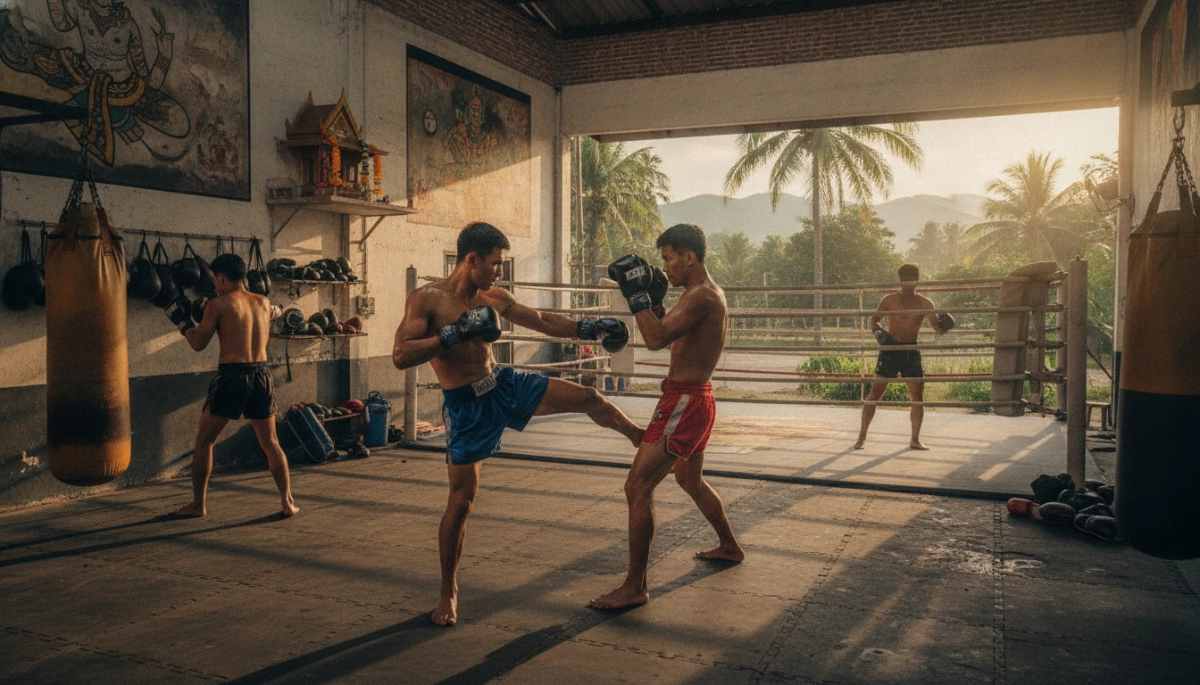
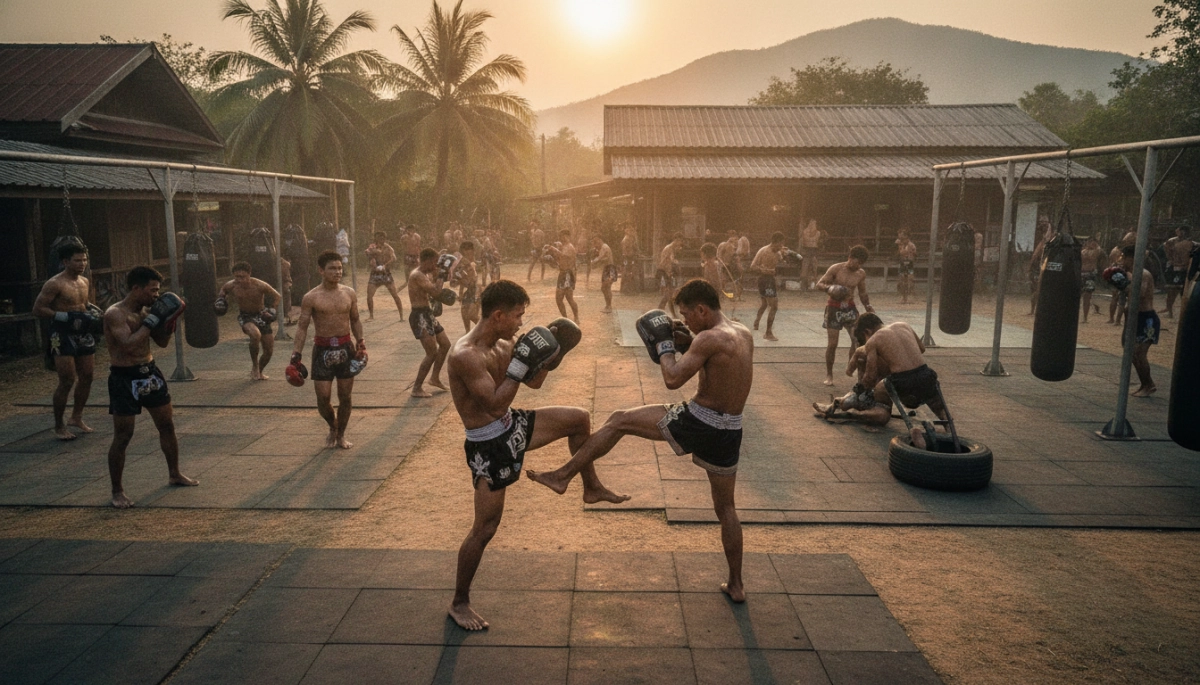
When you walk into a Thai training camp, you step into a system refined over generations. Camp life blends technical instruction, physical conditioning, and a team culture oriented around producing fight-ready athletes. You’ll notice the rhythm — early mornings, focused drills, and an emphasis on repetition — designed so skills become instinct under pressure.
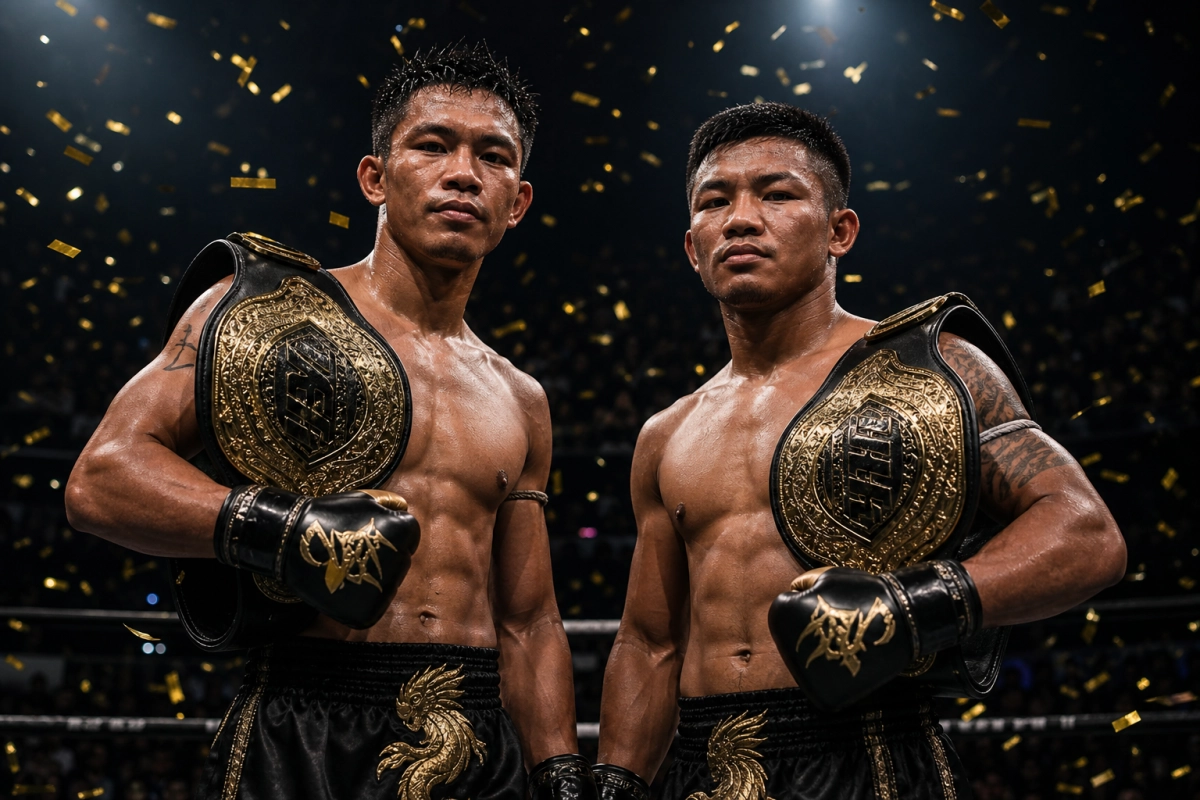
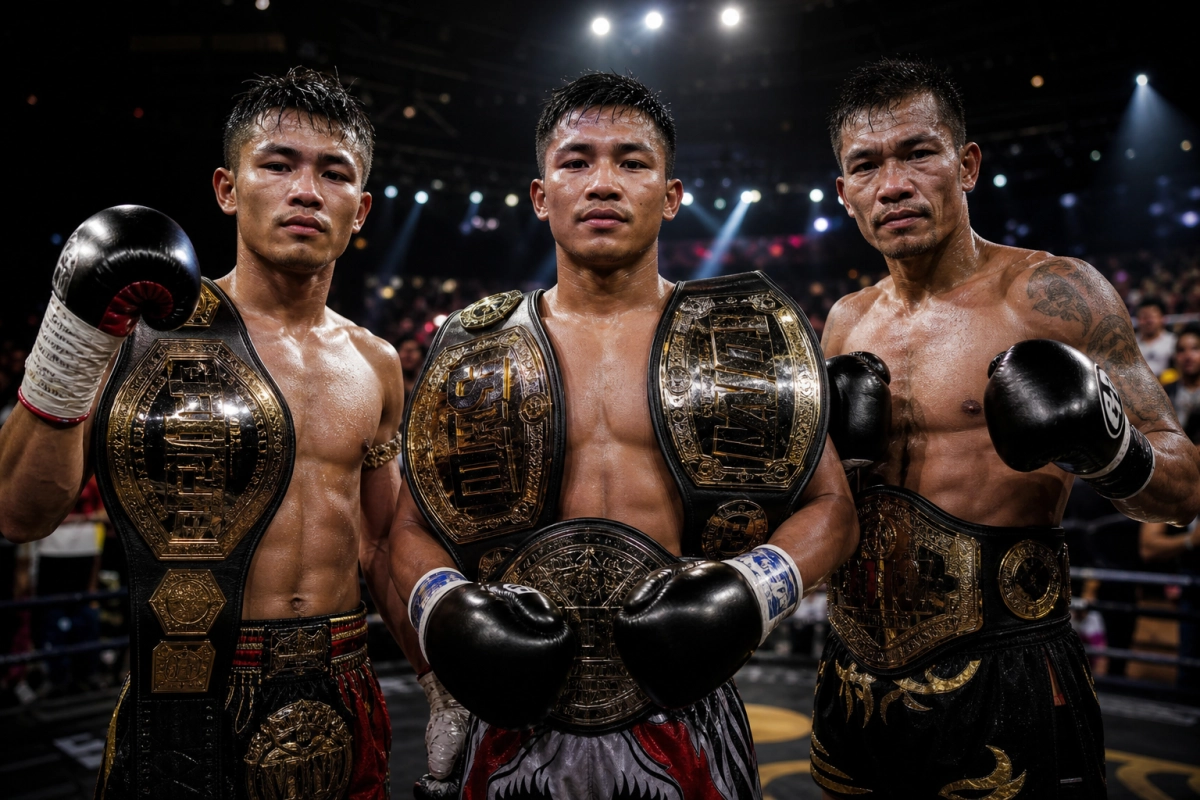
Many successful fighters come from small regional gyms before moving to larger Bangkok camps that offer more advanced coaching and regular stadium fights. Rodtang Jitmuangnon is a clear example: he trains at Jitmuangnon Gym, where consistent sparring and a competitive environment shaped his aggressive style. Other champions follow similar paths, progressing through tiered gyms until they reach elite trainers and promoters.
What daily training looks like and what you’ll experience at camp
Typical daily schedule
- Early conditioning (5:00–7:00) — Running, shadowboxing, and bodyweight circuits build endurance and mental resilience.
- Technique session (8:00–10:00) — Pad work, bag drills, and partner drills focus on timing, angles, and weapon combinations.
- Midday rest and recovery — Rice meals, short naps, and stretching help you recover between sessions.
- Afternoon sparring and clinch training (15:00–17:00) — Supervised rounds simulate fight conditions; clinch work refines balance and knees.
- Evening coaching and film study — Coaches correct patterns, review fights, and plan individualized training.
Training components you’ll encounter
You’ll train across several complementary areas. Pad work develops combinations and power; heavy bag rounds build sustained striking output; clinch sessions teach control and dominant positioning; and controlled sparring tests your reactions. Strength and conditioning are woven into the schedule — not separate specialties — so you steadily gain the explosive power needed for stadium fights.
Life at camp also teaches you mental skills: discipline, humility, and the ability to perform when fatigued. Coaches emphasize repetition until techniques become automatic, and teammates push each other in a culture where respect and competitiveness coexist. Whether you’re an aspiring pro or an advanced enthusiast, this system accelerates progress because every element supports fighting performance.
Next, you’ll learn how to evaluate specific camps, what facilities and coaching styles distinguish elite gyms, and practical tips for choosing a camp that matches your goals.
How to evaluate Muay Thai camps: what to look for before you commit
When choosing a camp, a website or glossy brochure only tells part of the story. A short visit or trial week will reveal far more. Start by observing a full training day and use these practical checkpoints to judge quality and fit.
– Coach expertise and consistency — Look for coaches who are present regularly, preferably former fighters or long-term trainers with a clear teaching method. Ask how classes are structured and whether programs are adjusted for different skill levels. Frequent guest coaches or rotating staff can be a sign of instability.
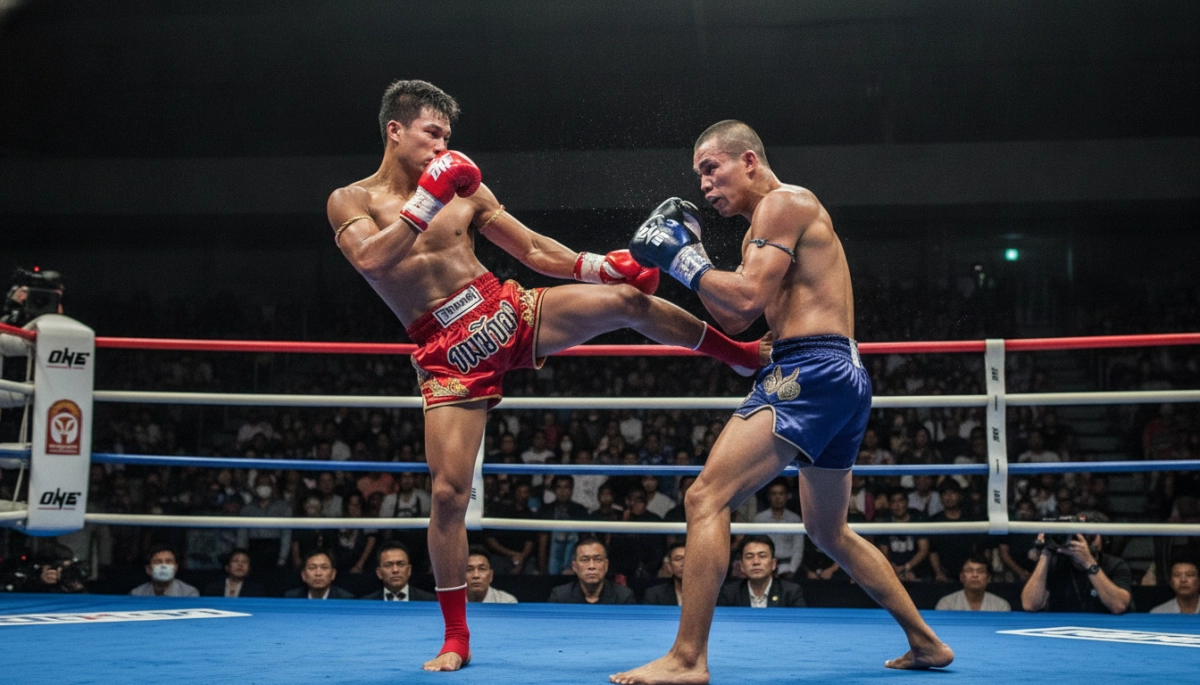
– Fighter roster and activity — High-level camps host active fighters. Check the roster: are there experienced stadium competitors? Do fighters regularly compete at recognized stadiums or promoters? A steady fight calendar means the camp has matchmaking contacts and a culture of real competition.
– Coaching ratio and attention — Notice how many pad holders there are for a group of trainees and whether coaches correct technique individually. Elite gyms balance group drills with one-on-one feedback; overcrowded classes or constant pad-holders with little correction indicate a tourist-oriented setup.
– Sparring safety and intensity — Watch sparring sessions. Is intensity scaled by level? Are rounds supervised with clear rules and protective gear when needed? Excessively reckless sparring risks injury; overly soft sparring limits development.
– Facilities and recovery support — Basic cleanliness, a functional ring, bags, and a space for clinch work are essential. More advanced camps offer strength equipment, physio or massage therapists, and recovery tools (ice, compression, stretching areas).
– Living conditions and logistics — If you’ll stay on-site, inspect accommodation, meal quality, laundry, and transport options. Ask about costs upfront: training packages, fight fees, and any extra charges for physiotherapy or fights.
– Language, culture, and expectations — Ensure coaches or staff communicate clearly about training intensity, etiquette, and fight ambitions. Some camps cater to international students with English instruction; others are traditional and expect you to adapt.
Facilities and coaching styles that distinguish elite gyms
Not all camps aim for the same outcomes. Elite gyms — the ones that produce champions — combine specialized coaching, curated facilities, and a developmental philosophy.
– Diverse technical expertise — Top camps house coaches who can teach different Muay Thai archetypes: technical counterstrikers (muay femur), aggressive pressure fighters (muay mat), clinch specialists (muay wong), and knee-focused fighters (muay khao). This breadth allows fighters to refine a signature style rather than emulate a single template.
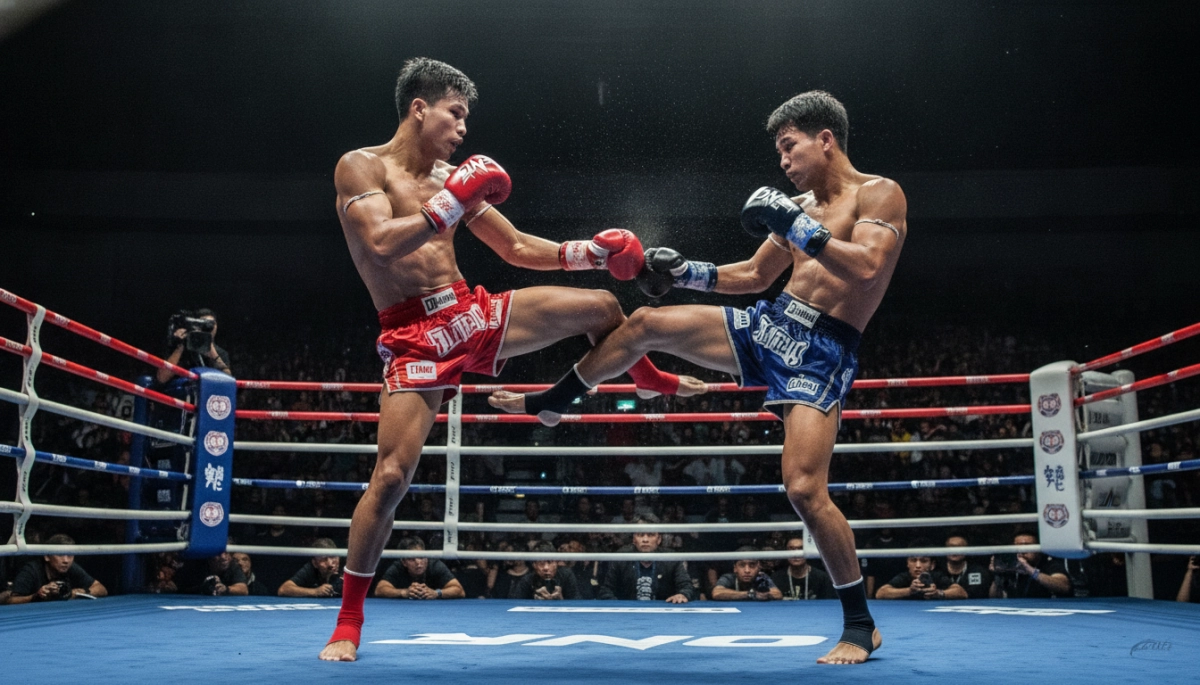
– Regular, staged sparring and fight simulation — Champion-level gyms implement periodized training where intensity is ramped down before fights and sparring mimics actual match conditions. They schedule controlled mock-fights with judges or timed rounds so fighters gain ringcraft beyond raw technique.
– Integrated recovery and nutrition — Elite camps treat recovery as training. Access to experienced masseurs, physiotherapists, and nutrition that supports weight cuts and recovery differentiates professional setups from tourist gyms. Simple things — balanced rice-based meals, electrolyte replacement, and scheduled rest — add up.
– Proven pathways to competition — High-performing camps maintain relationships with promoters and stadiums, offering clear pathways for progressing from local shows to major stadiums or international promotions. They also manage matchmaking to build a fighter’s record strategically.
Practical tips for choosing the right camp for your goals
Decide what you want: skill development, fitness, or a road to competition. Tailor your choice accordingly.
– If you want to compete seriously, prioritize camps with a track record of producing stadium fighters and ask about fight placement procedures and fees.
– For technical growth, seek smaller, focused gyms where coaches give detailed corrections instead of large tourist classes.
– For general fitness and culture, look for friendly camps with flexible schedules and clear pricing for drop-ins or short stays.
– Try before you commit: book a single session or a week to experience coaching, food, and living conditions. Talk to current fighters about training loads and injury management.
– Ask direct questions: How many fighters fight per month? Who will coach me daily? What’s included in the package? Who handles medical care if injured?
– Be realistic about expectations: progress requires consistency and adaptation to a demanding schedule. Respect camp etiquette — arrive on time, follow coach instructions, and be open to the camp’s rhythm.
Choosing a camp is as much about environment and support as technique. The right fit will push you, keep you healthy, and connect you with opportunities — the same ingredients that helped champions rise.
Before you commit, spend a few days observing, training, and asking specific questions. A short immersion will tell you more than any brochure: how coaches teach, how fighters prepare, and whether the camp’s rhythm matches your goals. Be clear about your objectives, respectful of local customs, and realistic about the time it takes to develop in Muay Thai.
Taking the next step
Training in Thailand’s camps is more than accumulating skills — it’s entering a community that shapes how you move, think, and compete. Approach camps with humility, an open mind, and patience. Let the environment guide your progress, seek coaches who prioritize safety and learning, and use short trial stays to find the right fit.
If you want to learn more about Muay Thai as a regulated sport and find additional resources on competitions and athlete development, see IFMA — International Federation of Muaythai Associations.
Recommended Posts