From rural training camps to the rings you watch: understanding Muay Thai’s pathway
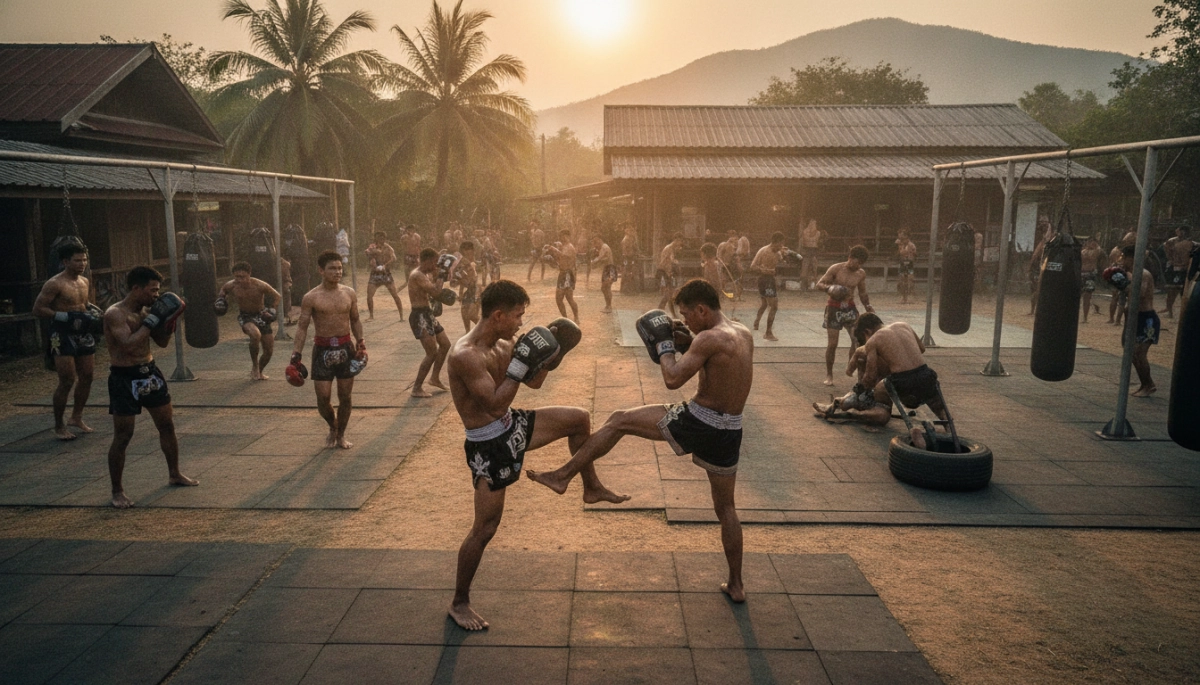
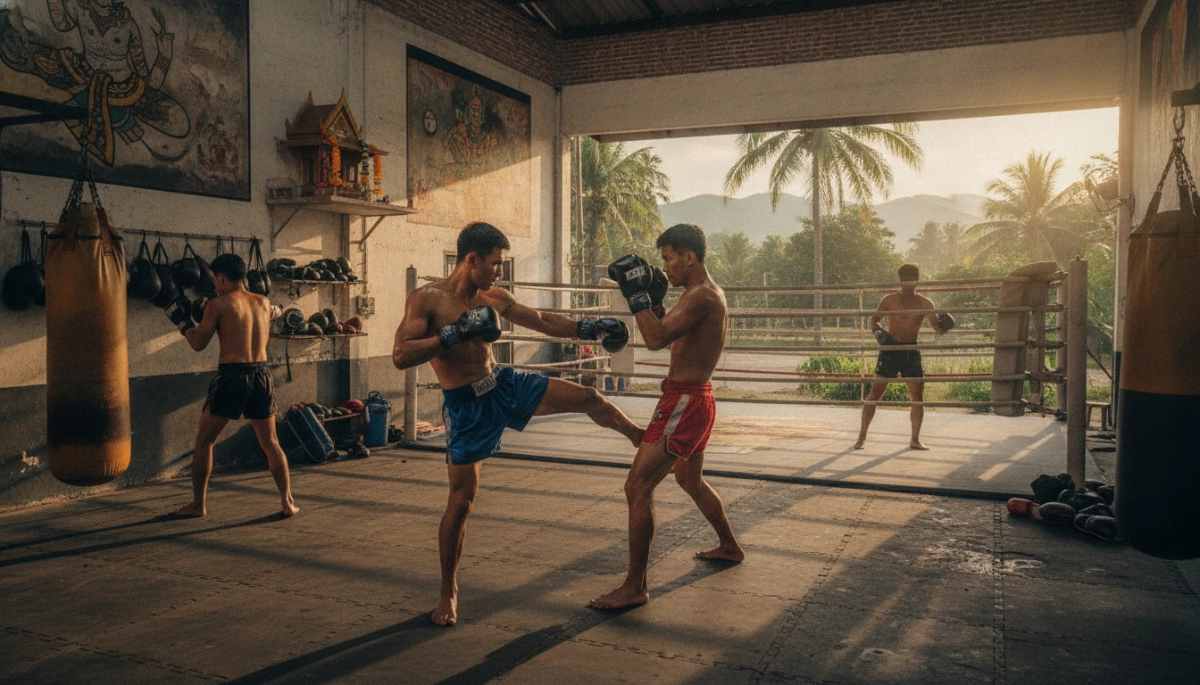
You may know Muay Thai from highlight reels and championship posters, but to grasp why fighters like Nong-O Gaiyanghadao and Rodtang matter, you need to see the system that produced them. Muay Thai began as a national art and became a structured sport where young athletes often start training and fighting in small provincial gyms before stepping into the major stadiums in Bangkok.
When you follow a champion’s arc, you’ll notice common elements: early entry into training, fights to fund family needs, and gradual progression through regional bouts to high-profile cards at Lumpinee or Rajadamnern stadiums. Those stadiums are more than venues; they are institutions that test technique, toughness, and ring intelligence. Understanding this context helps you appreciate how Nong-O and Rodtang developed distinct but complementary paths to prominence.
How their early lives and training shaped different championship styles
Nong-O: technical refinement and classical Muay Thai foundations
You’ll recognize Nong-O as a practitioner of the classical Muay Thai tradition. He came up through established camps where emphasis is placed on technique, timing, and a wide arsenal of strikes. In his formative years, Nong-O focused on:
- Disciplined pad work and drilling to perfect kicks, elbows, and balance.
- Accumulating experience in the Bangkok stadium circuit, where judges reward technique and ringcraft.
- Learning to adapt strategies for different opponents—switching pace, countering pressure, and using precision to control exchanges.
As you study his fights, you’ll see a methodical approach: measured feints, sharply timed counters, and efficient defense. That foundation allowed Nong-O to sustain a long career at the top level and to transition successfully to international promotions where technical scoring and consistency are prized.
Rodtang: relentless pressure, iron chin, and a crowd-pulling style
Rodtang’s story presents a contrasting trajectory you can easily spot in his fights. Hailing from a humble background and training at a combat-focused gym, he developed an aggressive style built around forward pressure and a willingness to exchange blows. Key early characteristics you’ll notice include:
- High-volume aggression that forces opponents to fight at his pace.
- Exceptional toughness and recovery—his reputation for an “iron chin” grew from repeatedly standing up under heavy shots.
- A willingness to take risks to create openings, which made him an instant draw for fans and promoters.
If you watch his early bouts at provincial stadiums and then at higher-profile shows, you’ll see a fighter who leveraged instinct and heart as much as technique, converting raw competitiveness into consistent wins and a compelling ring persona.
Having examined the cultural pipeline and the formative training differences between Nong-O and Rodtang, you’re ready to explore how those foundations translated into national titles, international contracts, and the rivalries that elevated their names worldwide.
Turning stadium dominance into national titles and defining showdowns
For both fighters, success in the provincial circuits and Bangkok stadiums led naturally to larger stakes: national recognition, stadium belts, and the marquee bouts that define careers. Those championship moments rarely arrive overnight. They are the product of incremental progress—stringing together technical wins, learning from close decisions, and capitalizing on opportunities when a higher-profile opponent appears on the card.
What separates a durable champion from a flash-in-the-pan is how they respond under championship pressure. Nong-O’s pathway to titles leaned on his ability to impose strategy over the full distance: pacing rounds, exploiting openings with precise elbows and kicks, and controlling clinch exchanges to sway judges. Rodtang’s title-defining moments often came from his willingness to engage, turning frenetic exchanges into crowd-stopping finishes or resilient decisions. Together, their different routes to belts illustrate two ways to reach the top in Muay Thai—mastery of nuance or mastery of momentum.
Certain showdowns become touchstones for a fighter’s legacy. A hard-fought decision at a major stadium, a dramatic comeback after a knockdown, or a rematch that settles an old score can all amplify a fighter’s standing. Promoters and matchmakers take note: consistent performances in high-pressure settings lead to more prominent cards, international invitations, and increased media exposure. For Nong-O and Rodtang, stadium titles were not endpoints but gateways—to sponsorships, to cross-promotional opportunities, and to fanbases that extend beyond Thailand.
Crossing into international arenas: rules, presentation, and global audiences
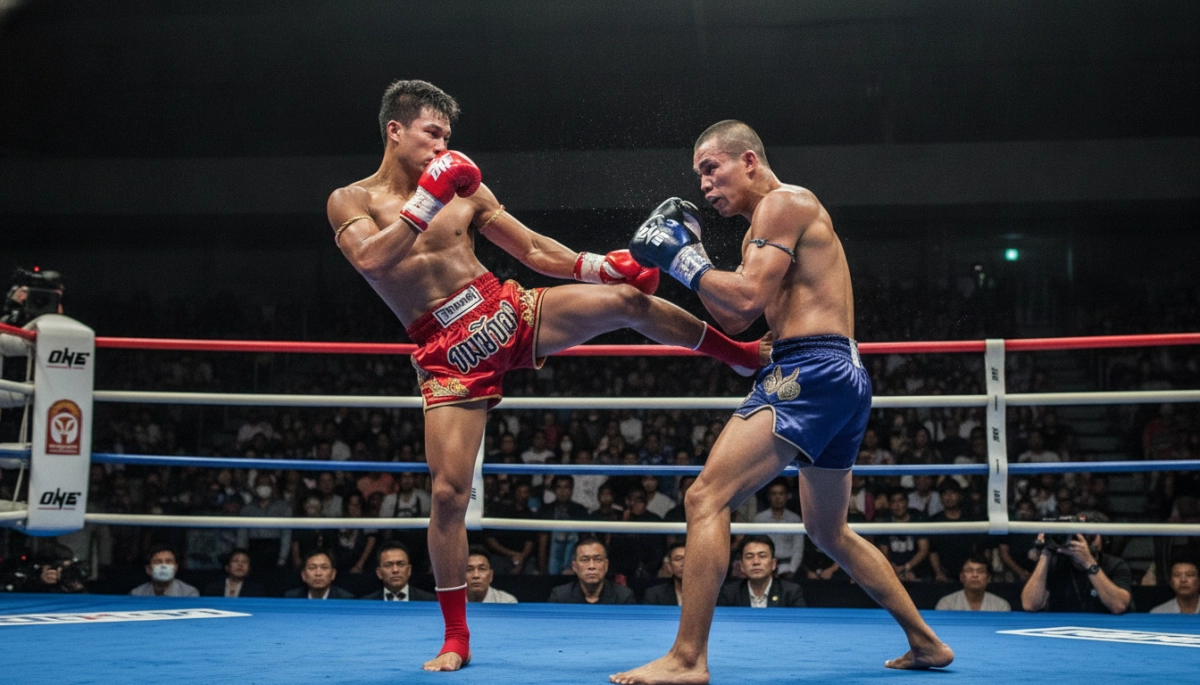
Breaking into international promotions requires more than ring skill; it demands adaptation. Different organizations use variant rulesets, glove sizes, round lengths, and judging emphases. Fighters moving from Bangkok’s stadium system must recalibrate their game plans to suit foreign audiences and judges who might prioritize aggression differently or weigh technique in another balance.
Nong-O’s classical style translates well under such scrutiny—careful scoring, efficient technique, and experience with judges reward consistency across settings. Rodtang’s approach, full of pressure and high-risk exchanges, often produces highlight reels that travel well on social media; his fights are instant viral content, which promoters prize. But both had to adapt off the mat too: media obligations, interviews in English, weight-management protocols for different sanctioning bodies, and travel schedules that introduce new recovery demands.
The promotional stage also amplifies the spectacle: walkouts, backstage storytelling, and promotional rivalries become part of a fighter’s brand. Successful navigation of these elements increases a fighter’s marketability and, crucially, helps export Muay Thai’s cultural core to a global audience hungry for authentic combat sports narratives.
Rivalries, rematches, and the cultural ripple effect back home
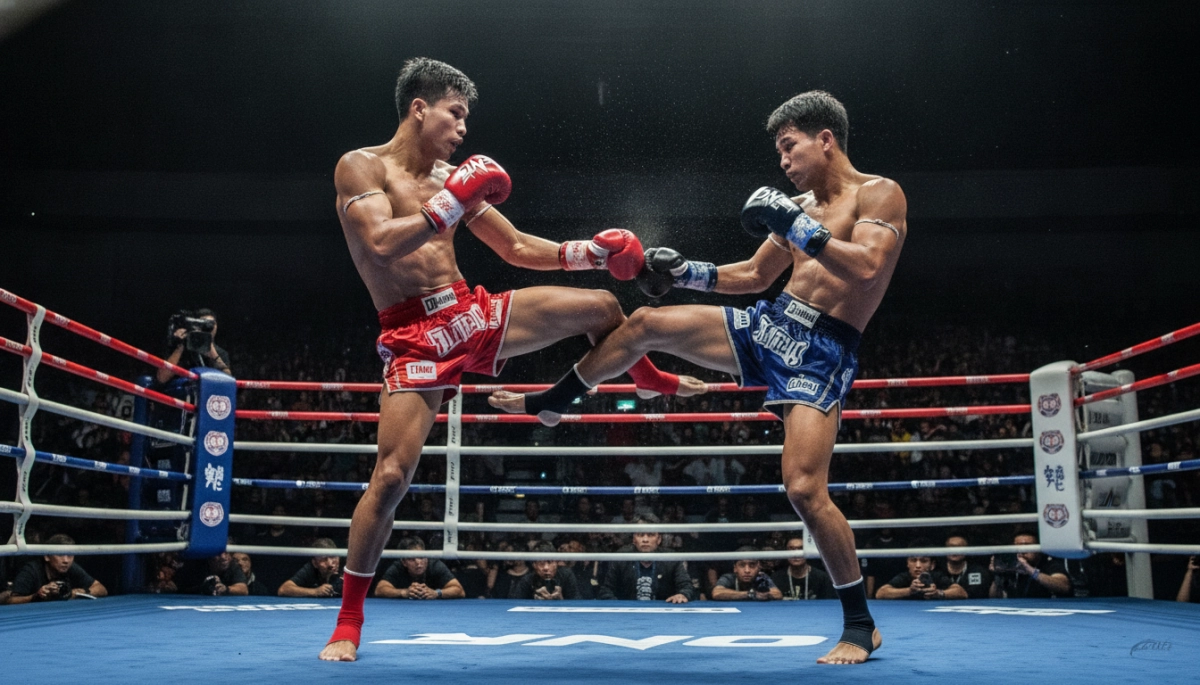
Rivalries and rematches do more than settle scores—they create narratives that attract new fans and sustain interest between title cycles. When elite fighters face each other repeatedly, each bout is an opportunity to refine tactics, test adjustments, and deepen the lore surrounding a style. For Nong-O and Rodtang, high-profile matchups—whether against domestic rivals or international challengers—have kept Muay Thai in sports conversations worldwide.
Their visibility also feeds back into Thailand’s Muay Thai ecosystem. Young fighters cite them as inspirations, gyms see surges in enrollment, and local promoters can leverage international attention to secure better cards. Beyond the athletics, both have assumed ambassador roles: appearing in clinics, supporting local camps, and offering templates for how a Thai fighter can build an international career while remaining rooted in traditional training methods. In that way, their rise is not just personal—it’s generational, shaping how the next wave of champions will train, fight, and carry the sport forward.
Legacy in Motion: the next chapter for Muay Thai
Nong-O and Rodtang are more than champions; they are active forces shaping how Muay Thai evolves — preserving classical craft while fueling a global appetite for the sport’s raw drama. Their careers show that elite fighters can be cultural ambassadors, gym stewards, and marketable athletes all at once. As Muay Thai grows internationally, that dual role will be essential: protecting traditions inside Thailand even as the sport adapts to new audiences, broadcast formats, and commercial realities.
Expect the coming years to emphasize three parallel threads: athlete welfare and professional development, formalized coaching pathways that translate stadium knowledge to international rulesets, and storytelling that connects fighters’ origins to global fanbases. Those threads will determine whether Muay Thai remains rooted in its heritage while offering safer, more sustainable careers for the next generation.
Ways fans and supporters can help
- Attend local stadium cards and grassroots events to keep the pipeline of talent visible and financially viable.
- Support authentic camps by enrolling in classes, sponsoring fighters, or backing community programs that nurture young athletes.
- Follow reputable promotions and platforms—such as ONE Championship—to stay informed about international bouts and the sport’s evolving landscape.
- Share stories responsibly: spotlight technique, discipline, and cultural context as much as highlight reels and knockouts.
When you watch the next generation enter the ring, you’re seeing the effects of choices made today: how fighters are trained, how promoters build narratives, and how fans choose to engage. Nong-O and Rodtang have helped set that motion; the rest of the sport’s future depends on how the global community responds.
Recommended Posts