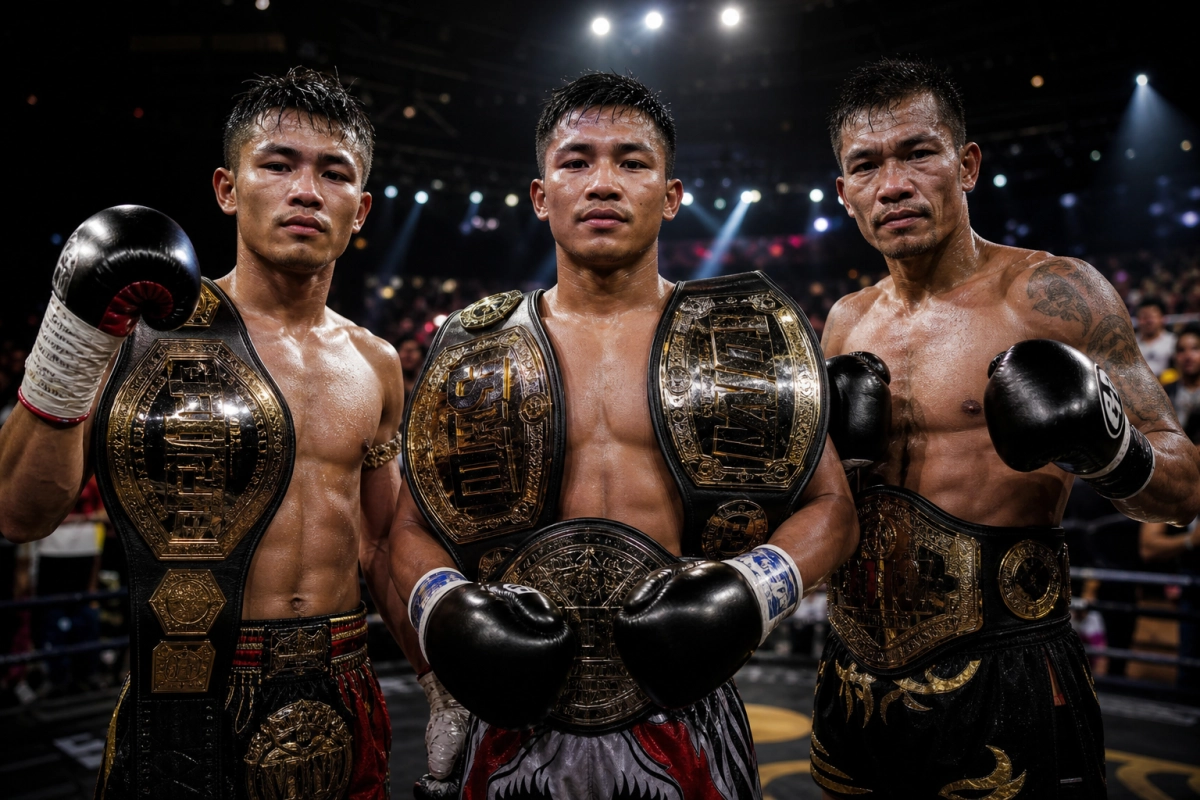
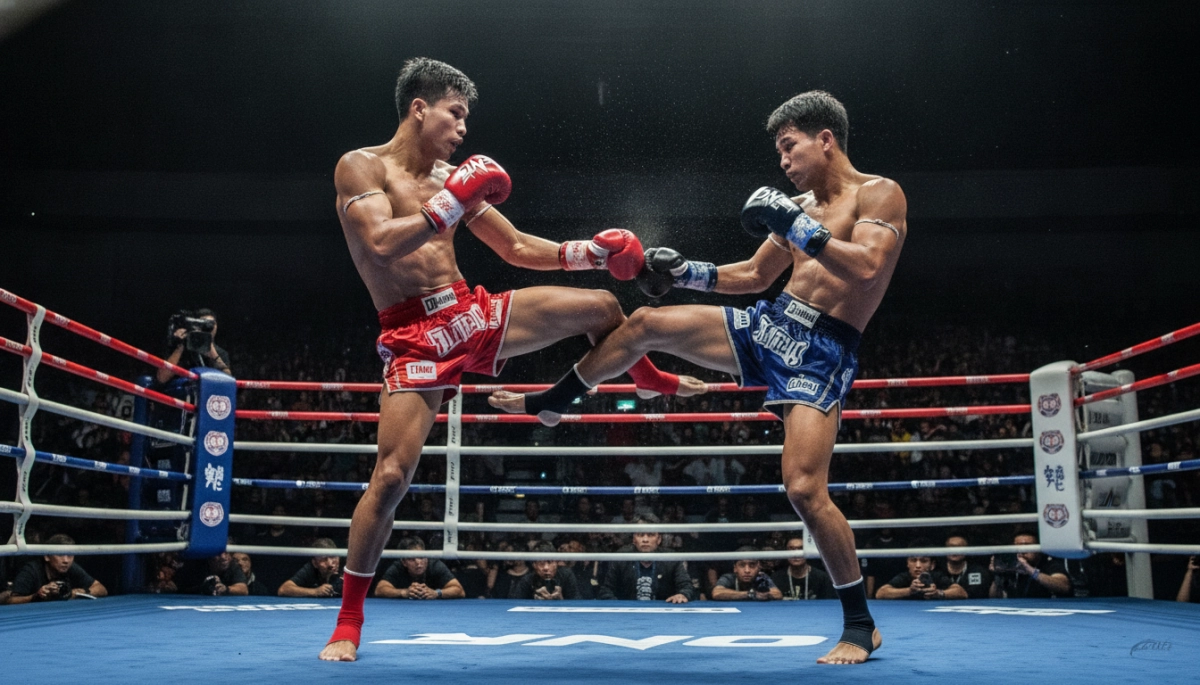
Why Nong-O vs Rodtang became an essential watch for Muay Thai fans
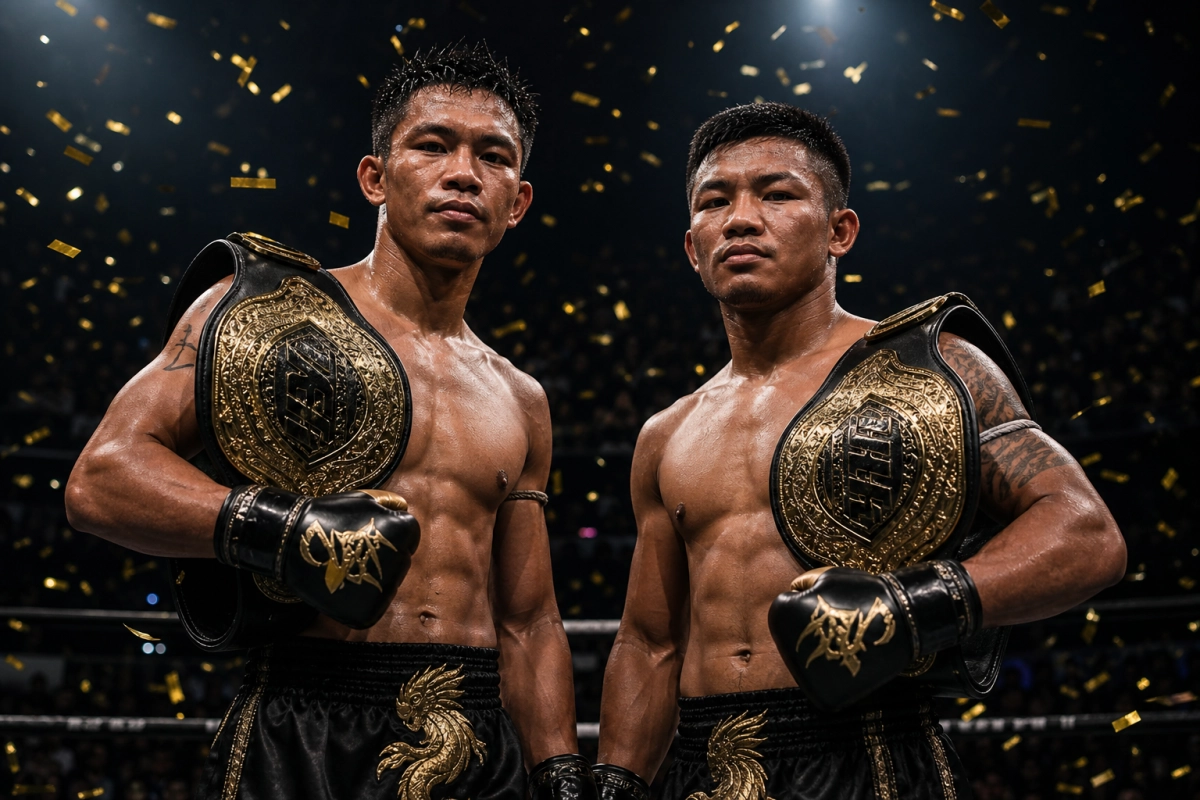
You likely already know both names: Nong-O Gaiyanghadao as the textbook technician with pinpoint timing, and Rodtang Jitmuangnon as the relentless pressure-fighter known for iron chin and forward energy. When these two met, the contrast in styles created a tactical chess match that produced multiple highlight moments. In this section you’ll get the context that matters — what each fighter brought into the ring and why those attributes made the early moments so revealing.
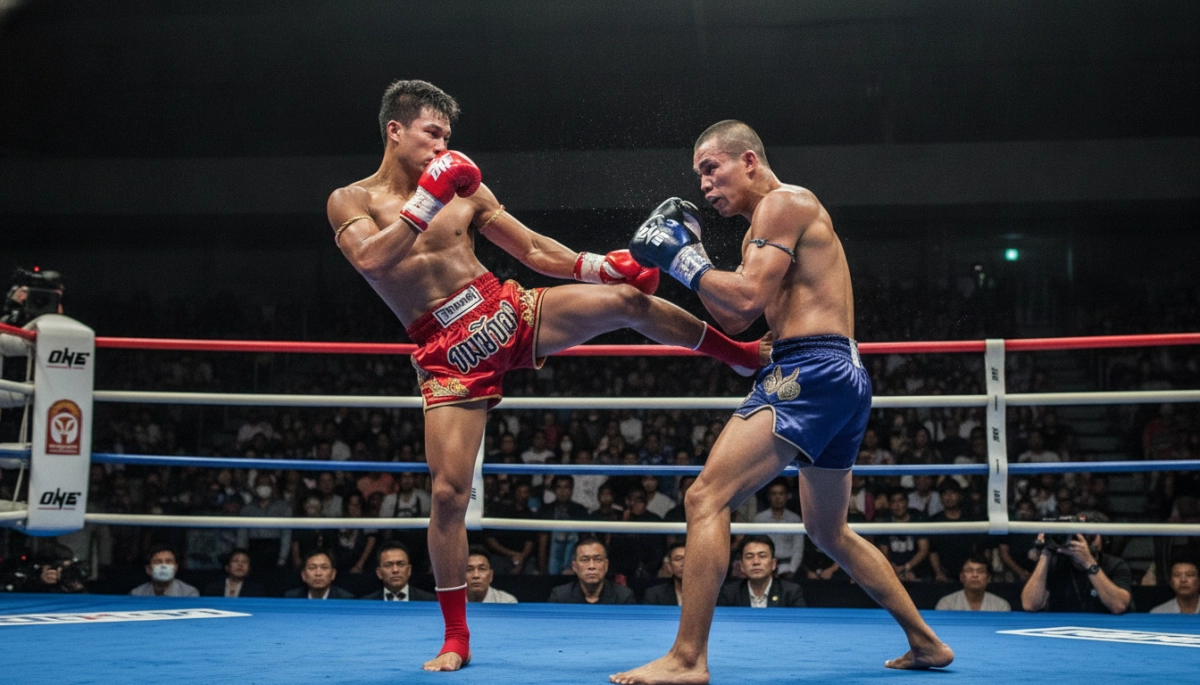
From a viewer’s perspective, the fight showcased two different approaches to scoring and damage. Nong-O relies on precision counters, low kicks that destabilize opponents, and clinical teep timing. Rodtang counters with volume, body-level assaults, and constant angles off the clinch. That dynamic forces you to watch for small adjustments: foot placement, subtle feints, and when either fighter commits to a decisive strike.
Early rounds: setting the tempo and the first decisive strikes
In the opening rounds you should focus on how tempo and distance are claimed. Nong-O immediately used range management — long teeps and low kicks — to test Rodtang’s willingness to close. Those low kicks weren’t flashy, but they were decisive: they chipped away at Rodtang’s stance and dictated where exchanges took place.
Key sequences to watch in rounds one and two
- Opening teep exchanges: Nong-O’s front kick repeatedly pushed Rodtang back, creating space to land follow-up low kicks and counters.
- First clinch break: Rodtang forced a close-range scramble and landed a short elbow that energized his corner — a momentum moment even if it didn’t score heavily.
- Counter timing: On the counter-attack, Nong-O landed a sharp left hook after slipping Rodtang’s jab, a decisive strike that momentarily slowed Rodtang’s forward pressure.
- Body-targeted low kicks: Nong-O’s repeated low kicks accumulated damage that changed Rodtang’s step rhythm and reduced the power of his later kicks.
These moments reveal how small technical choices become turning points. You’ll notice Nong-O picking distances to maximize counter angles, while Rodtang’s strategy centered on cutting off the ring and forcing close engagements. The fight’s highlight reel from these rounds isn’t just about knockdowns — it’s about technique causing incremental damage that shifts the contest’s narrative.
As you study the exchanges, pay attention to how each fighter adapts between rounds: the adjustments in footwork, guard position, and how they respond to being hit. Those adjustments set the stage for the middle rounds, where momentum either consolidates or flips — and this is where the most decisive strikes typically occur. In the next section you’ll get a round-by-round breakdown of the middle-phase turning points and the single strikes that defined them.
Middle rounds: momentum shifts and the single strikes that defined them
The middle rounds are where adjustment becomes action: what was once probing becomes commitment. In these rounds, the low-kick accumulation and timing counters that Nong-O set up early began to show tangible consequences — slower step-back, reduced power on Rodtang’s kicks, and more cautious forward entries. Conversely, Rodtang’s answer was to shorten exchanges and try to make each contact mean more by adding elbows, uppercuts and angled rushes to prevent Nong-O from re-establishing distance.
Watch for these decisive micro-moments that decide a middle round:
- Low-kick follow-up counters: A well-placed low kick by Nong-O that’s immediately answered with a straight counter or teep — these sequences not only score but reset the opponent’s rhythm.
- Timing a reset with a single hard strike: When either fighter lands a clean, compact shot (often a straight right or left hook) right after a defensive slip, it turns the exchange from tentative to damaging and visibly alters the next 30 seconds of action.
- Energy-sapping body work: Sustained body punches and knees in the cramp of mid-round clinches cut into output. When a fighter lands two or three body shots that force a pause, judges and viewers see that as round-defining control.
These are not necessarily knockout blows; they’re decisive because they change the contest’s tone. A single counter that causes a fighter to reset on his heels is worth as much in momentum as a flash knockdown because it forces tactical concessions in the subsequent rounds.
Clinch battles: technique, timing, and the subtle strikes that swing judges
The clinch is where Rodtang tries to convert pressure into scoring and where Nong-O looks to neutralize by stripping posture and creating counter windows. In a stylistic fight like this, the clinch exchanges are among the highest-value moments — not for spectacle, but for their cumulative scoring impact.
Key elements to analyze during clinches:
- Head position and underhooks: Whoever secures head control dictates the knee lines and can unload short elbows. Even a half-second gain in head position yields multiple scoring strikes.
- Pummeling and foot placement: Small foot-step adjustments allow a fighter to create angle for a knee or to off-balance the opponent for a short elbow. Those tiny movements are often the difference between a neutral clinch and one that gets remembered on the highlight reel.
- Elbow and short-knee bursts: Look for clustered strikes — two knees then an elbow — that occur as the referee separates. They often punch above their weight in judges’ eyes because they show control and finishing instinct.
Clinch dominance doesn’t always show up as a knockout; instead, it appears as rounds where one fighter repeatedly dictates exchanges and leaves the other reacting. Those rounds often decide tightly-contested fights.
Late rounds: urgency, desperation, and the fight’s final highlight moments
In the final rounds, time compresses strategy into urgency. Fighters who have conserved technique used it to land clean counters; those who have been behind adopt higher-variance attacks. What becomes most decisive is not necessarily power but clarity — clear, unmistakable strikes that either visibly disrupt the opponent or show control until the bell.
Watch for the following in the closing stanza:
- A final burst of precision from Nong-O: crisp counters that exploit an opponent’s fatigued guard and tilt close rounds into his column.
- Desperation flurries from Rodtang: high volume and risk — hooks and looping elbows that either sway judges with aggression or leave openings for counters.
- The accumulative effect: slowed footwork, lower guard height, and halting forward pressure — small signs that a fighter’s earlier damage has become decisive by the end.
Those last exchanges produce the highlights that fans remember: a perfectly timed counter, an emphatic knee in the clinch, or a late elbow that forces a pause. Individually they’re simple strikes; collectively, they determine the fight’s narrative and final verdict.
Enduring lessons and where to rewatch
The Nong-O vs Rodtang exchanges will keep getting replayed because they reward repeated viewing — each watch uncovers a new nuance, whether it’s a split-second foot adjustment, a timing window for a counter, or the way pressure forces shortcuts in technique. If you want to study or simply relive the best moments, viewing the highlights with intention helps you see what separates elite execution from ordinary aggression. For a quick refresher, you can watch the highlights on YouTube.
How to rewatch effectively
- Use slow motion on short sequences to identify timing and weight shifts rather than just power.
- Focus on transitions: how a low kick sets up a teep or a slip creates space for a counter — those links reveal scoring intent.
- Watch clinch entries and exits frame-by-frame to see who secures head position and how knees/elbows are loaded.
- Note how recovery and foot placement after a strike determine whether an attack becomes a follow-up opportunity or a vulnerability.
- Compare rounds to see how small adjustments (guard height, stance width, feint frequency) change outcomes over time.
Final thought
Great fights leave more than highlights — they leave lessons. Whether you’re a coach, a student, or a fan, the moments from Nong-O vs Rodtang give clear, actionable examples of why technique, timing, and tactical will matter as much as raw power. Keep watching, keep questioning, and let those decisive strikes teach the next round of fighters and watchers alike.
Recommended Posts