Step into the gyms where champions are made
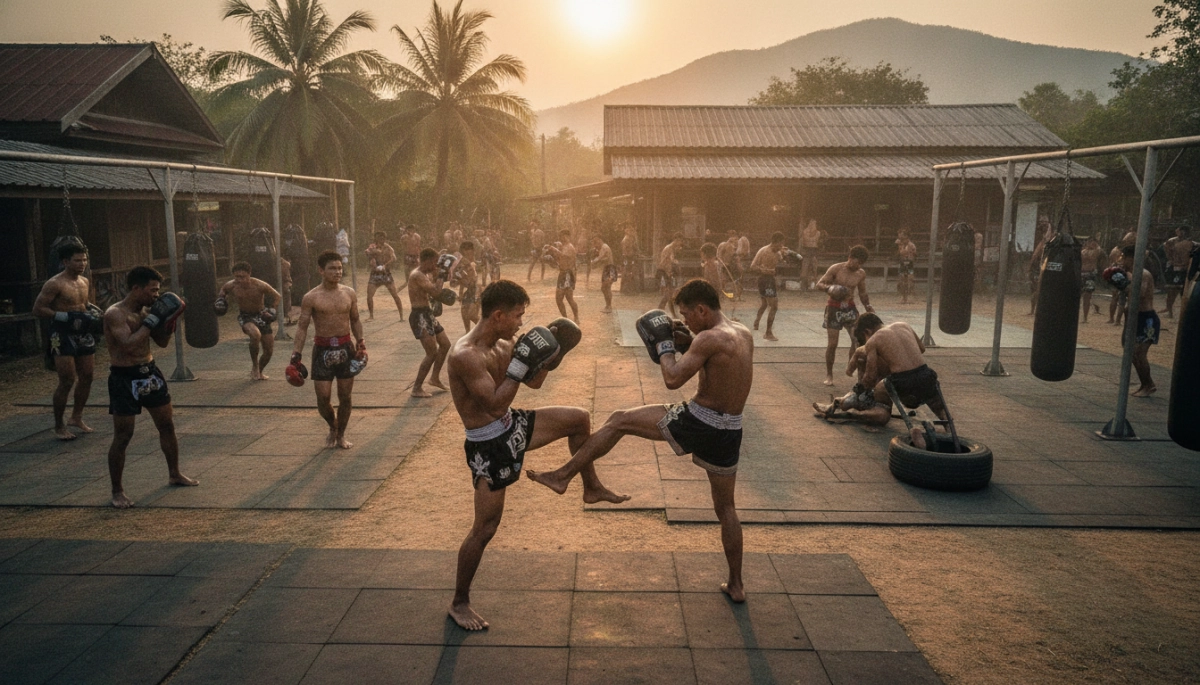
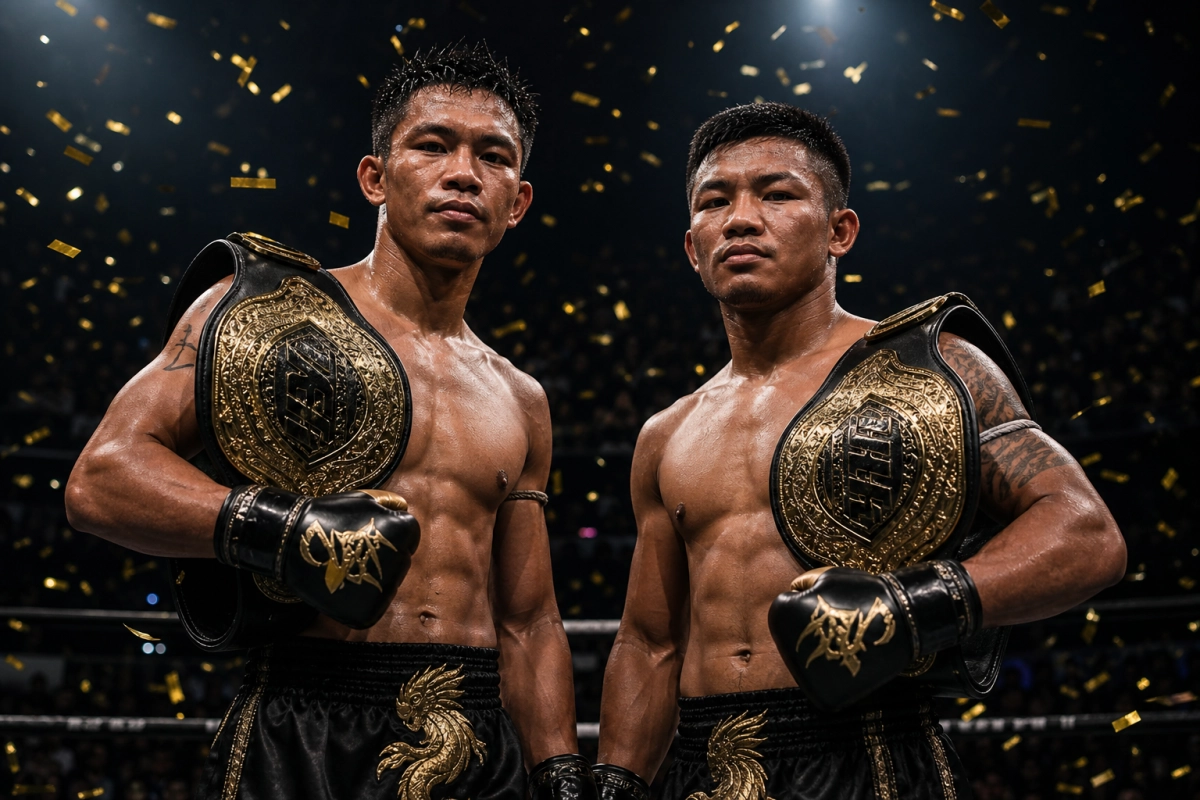
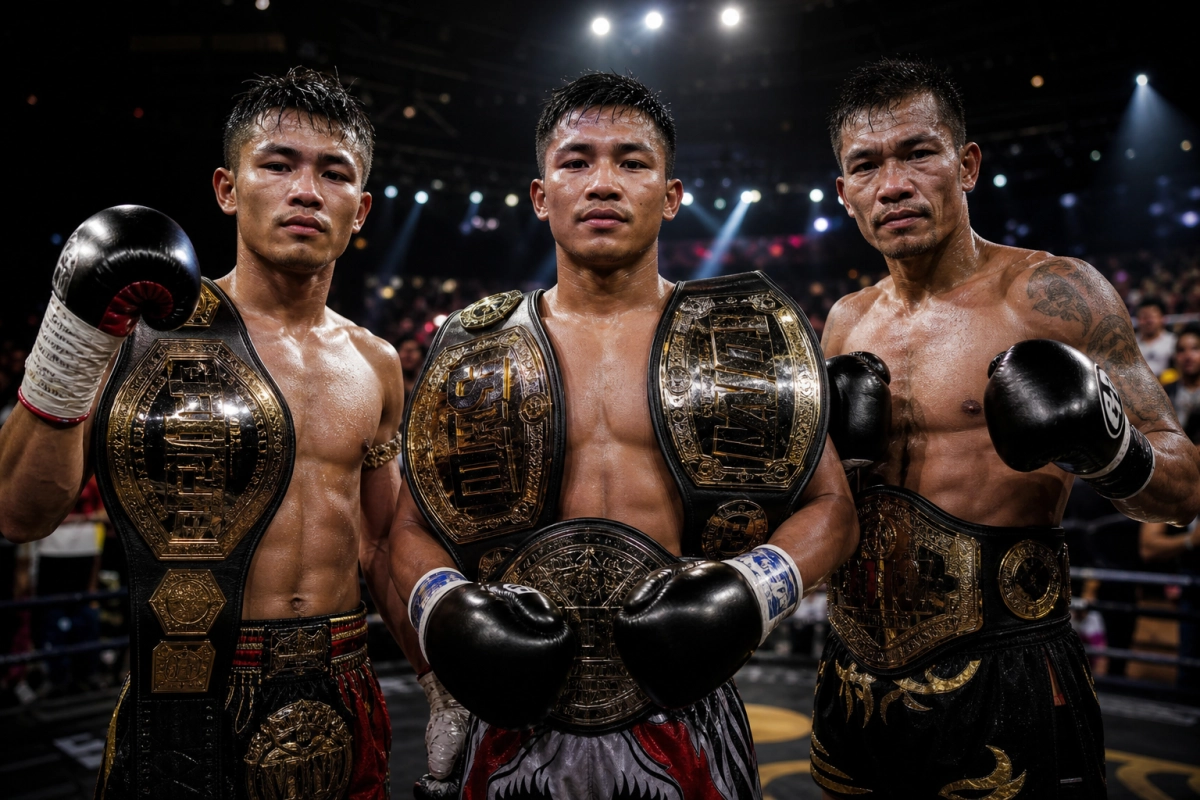
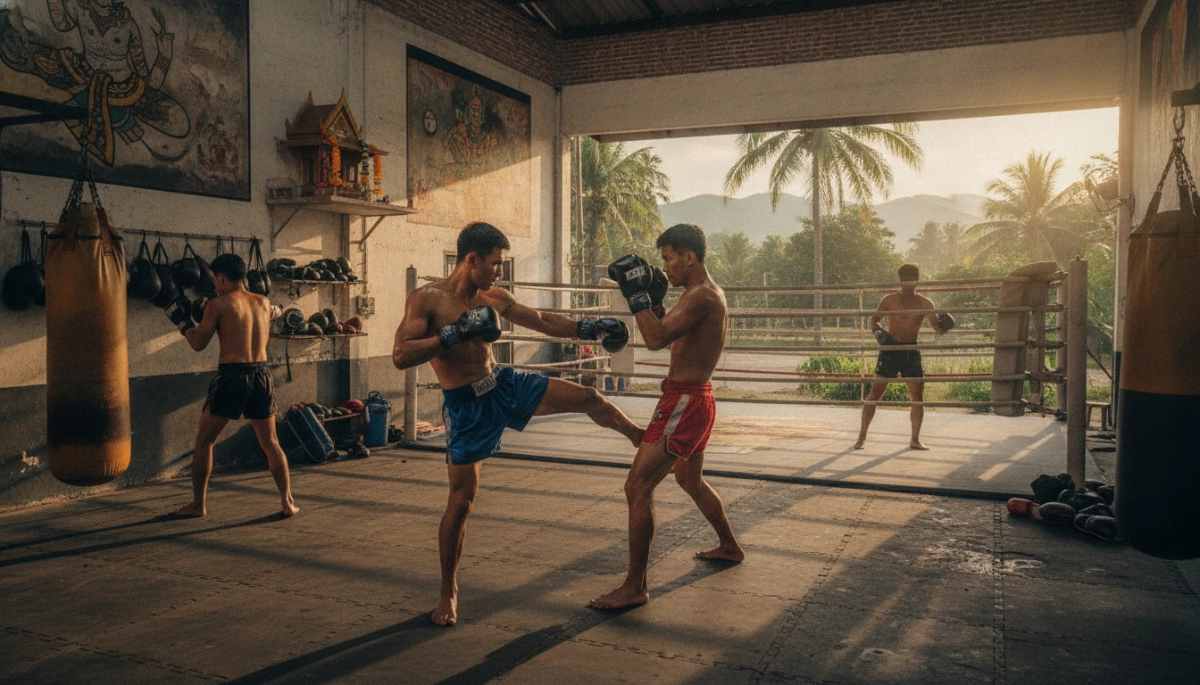
You’ll see a very different world once you step inside a Muay Thai camp in Thailand: open-air pavilions, rows of heavy bags, and seasoned trainers calling out combinations in Thai. Two of the most recognizable names on the global scene—Rodtang Jitmuangnon and Nong-O (Gaiyanghadao)—are products of this environment. If you want to understand how fighters like them reach world-class levels, start by looking at the camps and teams they represent.
Where Rodtang trains and why the gym matters
Rodtang is closely associated with Jitmuangnon Gym in Bangkok. When you visit Jitmuangnon, you’ll notice a focus on relentless pressure, sparring frequency, and high-volume conditioning—traits that define Rodtang’s in-ring style. The gym environment shapes a fighter’s mentality: younger prospects push hard, while veteran coaches refine timing and aggression. As a visitor or an aspiring fighter, you’ll recognize these priorities in the layout, coaching rhythm, and daily emphasis.
- Trainer-led pad work focused on power and speed.
- Multiple sparring groups arranged by experience and weight class.
- Emphasis on conditioning—running, jump rope, and circuit drills are daily staples.
Where Nong-O trains and the structure behind his camp
Nong-O carries the Gaiyanghadao name, reflecting his ties to established Thai camp structures that groom stadium champions. Gyms linked to Gaiyanghadao and similar teams balance technical refinement—clean striking, clinch control—and disciplined fight preparation for Rajadamnern and Lumpinee stadium circuits. You’ll find experienced trainers policing technique and a routine that alternates skill days with intensive conditioning cycles to peak for scheduled fights.
- Technical pad sessions emphasizing accuracy and timing.
- Clinching bays where one-on-one clinch work and throws are drilled.
- Recovery rituals: stretching, massage, and light recovery runs to sustain training volume.
What the training spaces tell you about priorities
Observe the physical layout and you’ll read a camp’s priorities: more rings and sparring partners indicate a fighting-heavy focus; a larger pad area and skilled trainers show technical emphasis. Both Jitmuangnon and Gaiyanghadao-linked camps present a mix—structured technique work, heavy conditioning, and controlled sparring—that underpins elite performance. As someone learning about these gyms, pay attention to how coaches divide time between developing power, sharpening counters, and building the endurance fighters need for five-round stadium bouts.
Understanding the environments where Rodtang and Nong-O train prepares you to appreciate the next layer: the specific drills, sparring formats, and daily schedules that forge these athletes’ strengths. In the next section you’ll get a detailed look at those training routines and how each element builds fight-ready skills.
A day in the life: a sample daily schedule at camp
Walk into most Thai camps before dawn and you’ll catch the first unmistakable ritual: the long run. A typical day for a stadium-level fighter like Nong-O or a pressure specialist like Rodtang is built around two main sessions separated by rest, food, and recovery. Timings shift depending on fight camp and coach preference, but the structure is consistent—volume in the morning, refinement and sparring in the afternoon.
- 04:30–06:00 — Morning roadwork: 5–10 km steady run or interval sprints to develop base endurance and mental grit. This is also when fighters practice breathing and tolerance under fatigue.
- 07:00–09:00 — Technical session: shadowboxing, mobility, Thai-pad rounds (5–8 rounds of 3 minutes), and targeted bag work. Focus is on timing, combinations, and power generation.
- 09:00–11:00 — Recovery and nutrition: rice-based meals, massage, stretching, and short naps to restore for the afternoon.
- 15:00–17:30 — Sparring block: controlled sparring, hard rounds, clinch work in dedicated bays (3–6 rounds depending on intensity), followed by conditioning circuits like plyometrics or medicine-ball throws.
- 18:00–19:00 — Light technical work or coach-led correction, then dinner and treatments (ice, Thai massage, compression).
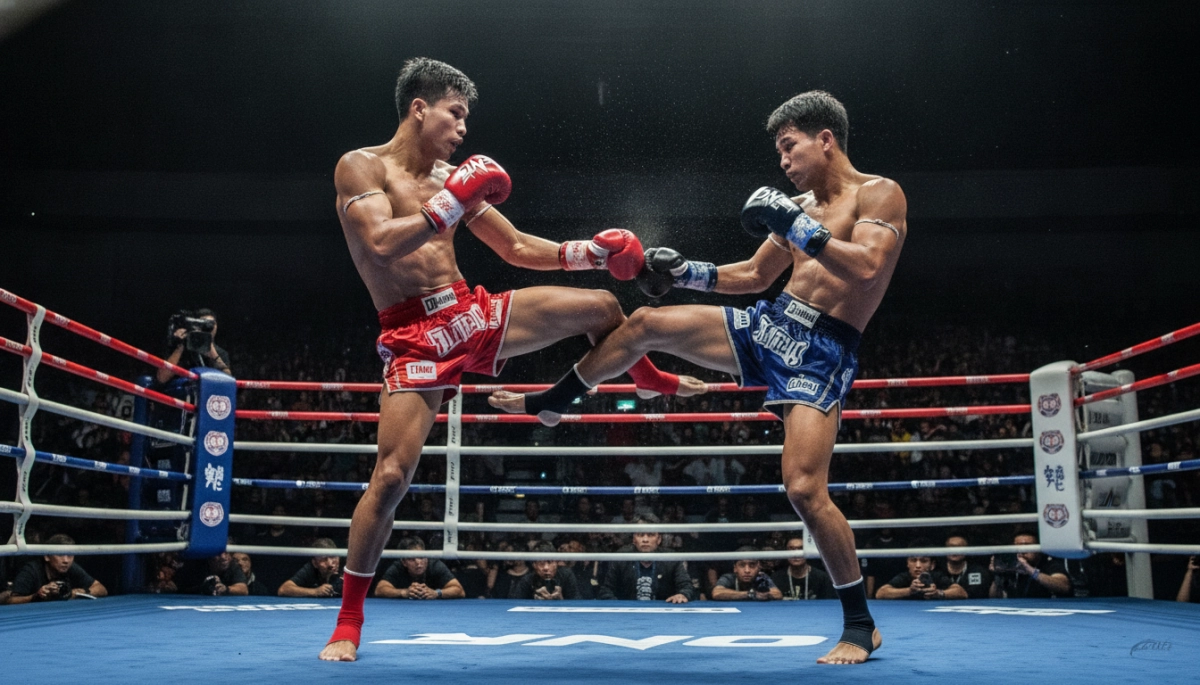
During fight camp this schedule tightens: more pad rounds simulating the fight pace, increased sparring quality, and careful tapering in the week before the bout. Coaches will reduce volume and emphasize sharpness, weight management, and game-plan rehearsals. Importantly, every session is measured in rounds—3-minute periods mirroring stadium rules—so fighters learn to manage intensity and recovery in fight-specific bursts.
Drills and sparring formats that build championship skills
What separates a regional competitor from a champion is not just how much you train but how you train. Camps that produce fighters like Rodtang and Nong-O favor drill specificity: each exercise targets a narrow set of fight demands and is repeated until the response becomes instinctive.
Common drill categories and their purpose:
- Pad sequences for rhythm and power: Thai-pad combinations aren’t random — they’re designed to chain punches, kicks, knees, and checks so transitions become seamless under pressure. Coaches emphasize weight transfer and hip rotation to produce fight-level power.
- Clinch circuits for control: timed clinch rounds (often with alternating partners) focus on posture, off-balancing, and short-range strikes. Fighters drill clinch escapes and takedowns repeatedly so responses are fast and economy-of-motion is optimized.
- Progressive sparring: sessions progress from light technical sparring (slower pace, focus on technique) to semi-hard situational rounds (starting from a given position or weapon) to full-intensity five-minute rounds closer to fight night. This staged approach preserves health while building resilience.
- Conditioning with purpose: hill sprints, sandbag carries, and explosive circuits are selected to mimic fight fatigue—short, maximal efforts followed by incomplete recovery—so fighters learn to act decisively when lungs burn.
Beyond physical drills, mental rehearsal and coach feedback loop are constant. Pad holders call out counters, correct angles, and simulate opponent tendencies. Video review is increasingly used to dissect timing and formulate adjustments. In short, every drill has an obvious fight application: a faster step-in, a crisper counter, a clinch break that creates a finishing strike. That purposeful repetition is the engine behind the polished chaos you see when champions step into the ring.
Visiting a Muay Thai camp: etiquette and practical tips
If you plan to visit a camp, observe first and ask questions later. Respectful behavior preserves relationships between tourists and trainers, and it keeps the gym atmosphere focused on the fighters. Small gestures go a long way toward being welcome in a traditional training space.
- Dress modestly: shorts and a t-shirt are fine; avoid revealing clothing when outside training areas.
- Ask before filming or taking photos, and never interrupt a coach mid-instruction.
- Do not step into a ring or join a session without explicit permission from the trainers.
- Bring a small gift or pay for a session—covering pad work or a lesson shows appreciation for the coach’s time.
- Be prepared for intensity: follow warm-up instructions and communicate any injuries or limits to the trainers.
The spirit behind the training
Beyond drills and schedules, Muay Thai camps are communities built on discipline, mentorship, and a shared pursuit of improvement. Whether you’re watching Rodtang push the pace or Nong-O refine a clinch, what stands out is a culture that values repetition, mutual respect, and the incremental forging of skill.
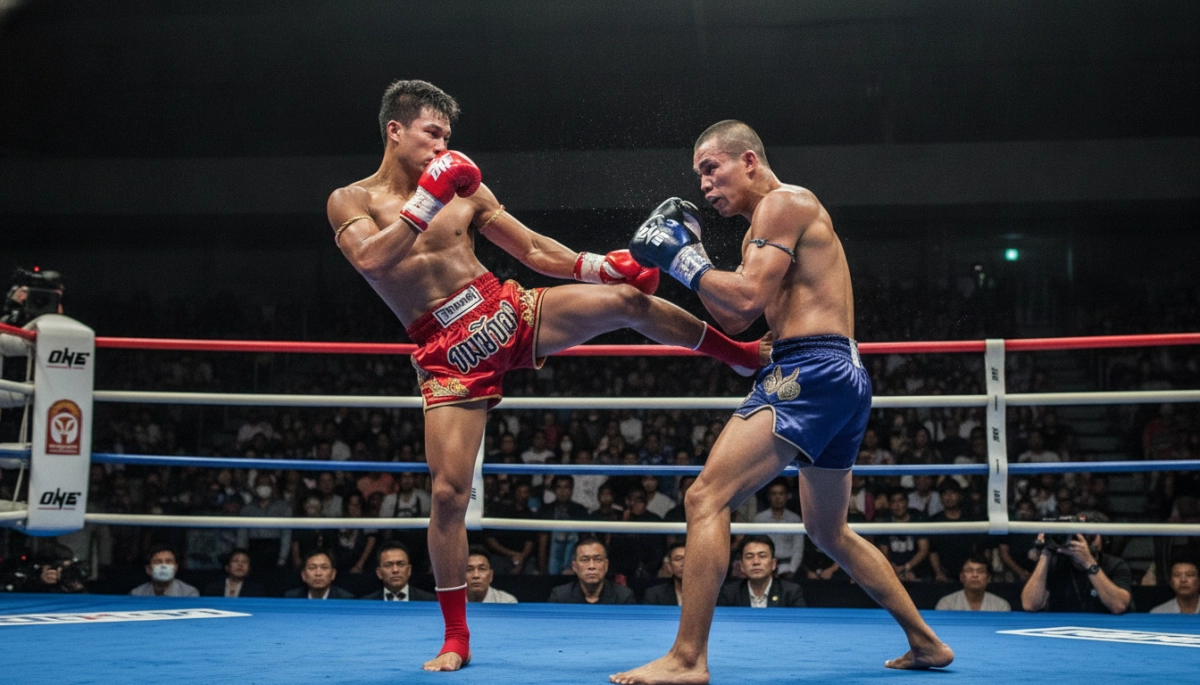
If you want to follow the careers and upcoming fights of these athletes and others who train in Thailand’s camps, official fight organizations maintain updated fighter profiles and event calendars—see ONE Championship for schedules and bios.
Respect the traditions, listen to the coaches, and you’ll come away understanding why Thai camps remain the heartbeat of world-class Muay Thai.
Recommended Posts