[Start HTML content here]
Why Nong-O’s clinch stands out and what you should notice first
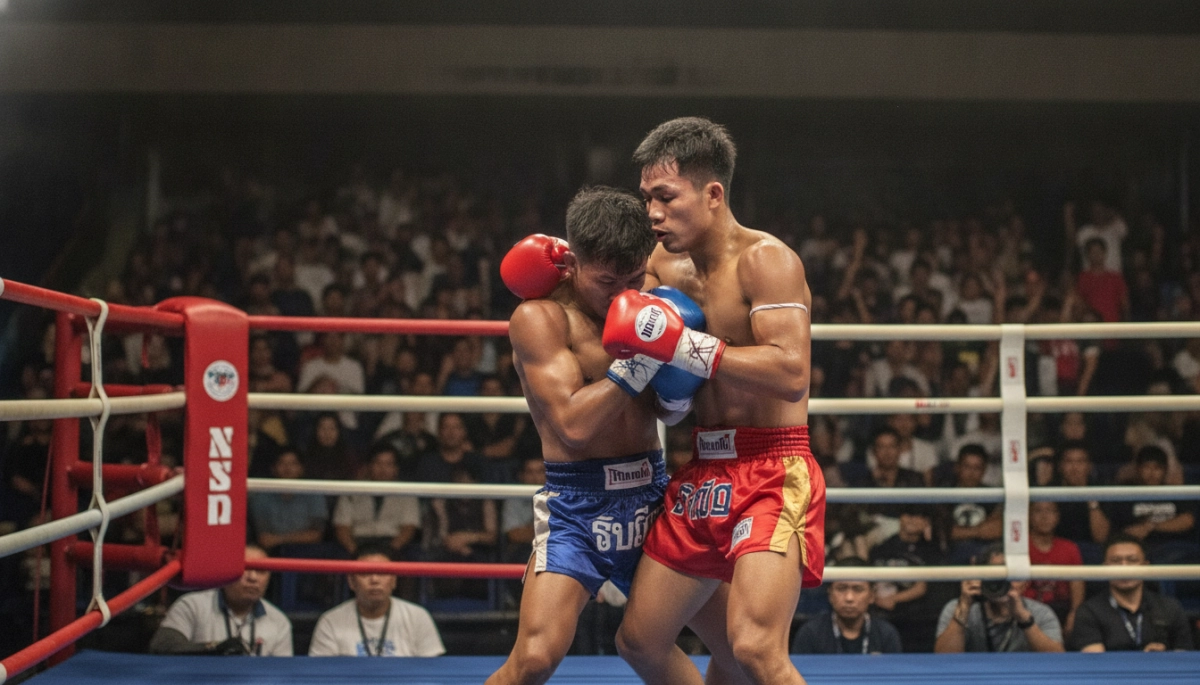
You begin studying Nong-O by watching how he converts small positional advantages into fight-ending moments. Rather than relying on brute strength, Nong-O uses timing, balance, and subtle body alignment to control opponents in close. When you watch his fights, look for the way he establishes contact early, secures dominant grips, and constantly resets the center of gravity to keep opponents reactive instead of proactive.
This approach is instructive because it highlights repeatable principles: connect first, control the hips, and use knees and frames in rhythm. You can adapt these principles whether you train Muay Thai, clinch wrestling, or MMA. The goal is to make clinch entries feel inevitable to your opponent — not lucky — and that begins with predictable patterns you can repeat in training.
Essential clinch grips and body mechanics you should practice
To emulate Nong-O’s control, you should drill specific grips and posture habits until they become reflexive. Focus on grips that give you two-way control: the posture that lets you push off to create space and the hold that lets you pull to off-balance the opponent. These mechanics are less about raw force and more about leverage and timing.
- Neck frame and collar tie: secure the head without over-committing; use it to steer posture and set up knees.
- Underhook and hip control: getting an underhook on one side gives you leverage to lift an opponent’s elbow and manipulate their base.
- Chest-to-chest pressure: maintain a stable posture that lets you transfer weight forward or back quickly to nullify counters.
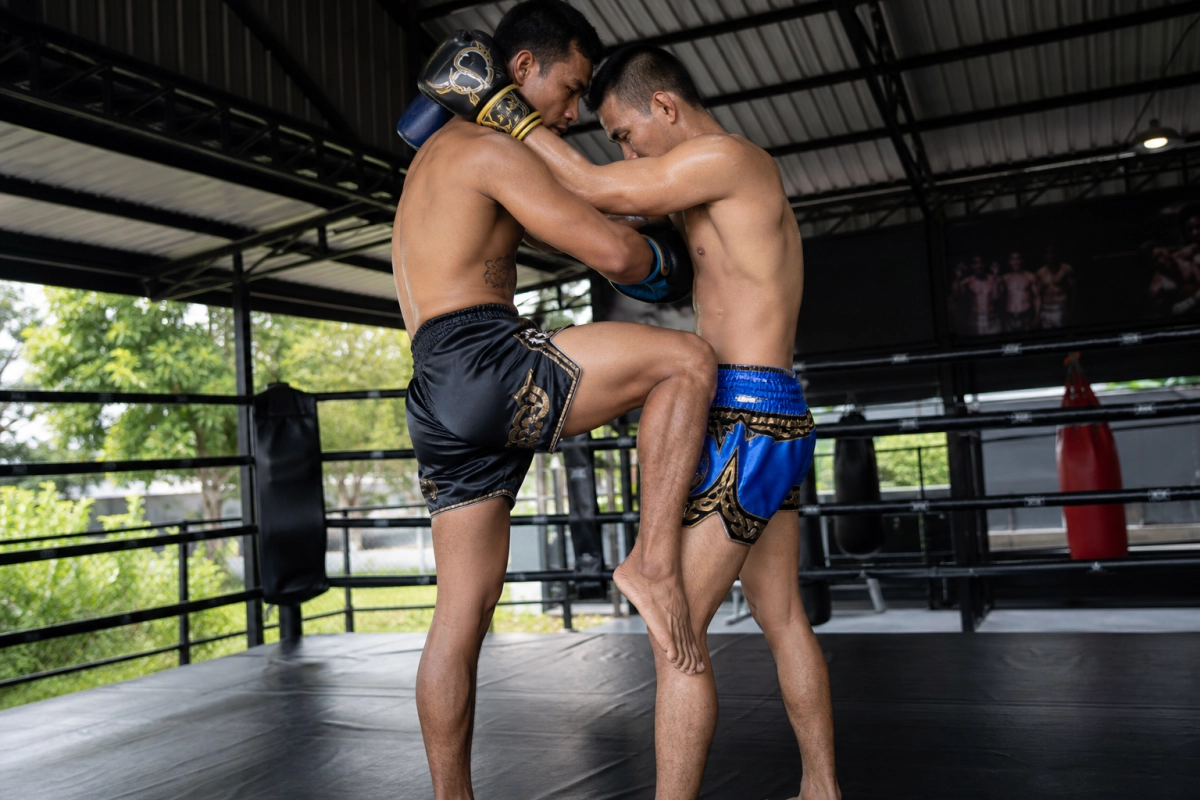
- Knee placement: deliver knees with the lead hip; aim for rhythm over power so you can chain strikes and clinch adjustments.
- Foot positioning and balance: small step adjustments and hip pivots change angles and make your clinch attacks less telegraphed.
How Nong-O’s ring IQ creates clinch openings you can replicate
Ring IQ is how Nong-O turns spatial awareness into tactical advantage. You should train to read distance, opponent intent, and ring geography. He often uses feints, measured pressure, and lateral movement to funnel opponents toward the ropes or into a pocket where his clinch entries become high-percentage. The mental habit to develop is anticipating reactions rather than reacting to them.
Start by breaking exchanges into decision points: where will the opponent step, how will they defend their lead arm, and what level of resistance will they give in the clinch. Nong-O uses this predictive framework to choose when to engage, when to fake, and when to escalate with combinations. You can practice this by drilling scenario-based sparring that limits options for both you and your partner so you learn to see the one or two most likely responses.
- Use the ropes and corners intentionally to limit escape routes.
- Set traps with low-line kicks then switch to clinch once the opponent raises their guard.
- Train pattern recognition: identify the opponent’s default reaction to a collar tie or body lock.
With these foundational mechanics and a developing ring IQ in place, you’re ready to study the specific drills, counters, and fight examples that show how Nong-O converts those ideas into decisive moments — in the next section you will break down concrete training methods and in-ring sequences to apply these principles.
Drills to make Nong-O’s clinch timing automatic
Repetition matters, but the right kind of repetition matters more. Nong-O’s clinch feels inevitable because he has drilled sequences that link contact, off‑balance, and strike rhythm until they flow without conscious thought. Use these partner drills to build that motor patterning.
- Contact-and-release (3–5 minutes): Start at light distance. One partner initiates a collar tie for two counts, then releases and steps to a new angle; the other follows and re-secures. The goal is to feel the moment the opponent attempts to re-posture and strike there with a short knee. Emphasize timing over force.
- Underhook ladder (5–8 reps each side): From clinch, work a ladder of positions: collar tie → single underhook → double underhook → chest pressure. Hold each for three seconds while the partner attempts a subtle frame. This conditions you to convert an underhook into hip control without over‑pulling.
- Rhythmic knee chaining (2 minutes rounds): One partner maintains chest-to-chest contact while the other throws sets of 3–4 knees in rhythm. Add pivots and short shuffles between chains to simulate Nong-O’s angle adjustments.
- Ring pocket drill (3 rounds): Use a 1/4 ring area. Work to funnel the partner back against a wall or ropes, securing the clinch and landing 2–3 knees before resetting. This reproduces the spatial pressure Nong-O sets up.
Keep intensity controlled. The purpose is to groove the sequence: contact, control the elbow/hip, steal the centerline, and knee in rhythm.
How Nong-O neutralizes common escapes and turns them into strikes
Top clinch fighters don’t just prevent escapes — they design counters that punish every attempted exit. Study these predictable escapes and how Nong-O converts them:
- Pummeling underhooks: When an opponent attempts to pummel, Nong-O shortens his neck pressure and steps across the lead foot, using hip pop to re-seat the underhook while creating an inside knee opportunity.
- Head pull / posture break: If the opponent yanks the head down, he immediately frames on the biceps, chains an elbow, and fires a short thigh kick or inside knee as the opponent’s base is exposed.
- Arm drag and lateral escape: He anticipates the arm drag by rotating his torso and switching to a near-side underhook, turning the escape into a clearance for a clinch knee or quick elbow.
Training cue: when your partner begins an escape, don’t fight power with power. Use a small angulation (step-pivot) and an immediate short-range strike — the smallest motion that converts their movement into vulnerability.
Progressive sparring templates to build ring-ready clinch instincts
Turn drills into adaptive skills with structured sparring that limits options and escalates complexity. Here are three templates to cycle through each week.
- Template A — Constraint rounds (3 x 2 minutes): Only collar tie to knees allowed. Score based on clean entries and controlled knees. This prioritizes timing and grip economy.
- Template B — Reaction rounds (4 x 2 minutes): Start from outside. One partner initiates a feint; the other must either clinch or counter-strike. This builds predictive read-and-act habits.
- Template C — Full clinch rounds (3 x 3 minutes): Open striking allowed but give a point boost for clinch control and successful knee chaining. This forces integration of clinch into real exchanges.
Rotate partners, vary size and style, and keep a log of what openings consistently work. Over time the drills and sparring templates will fuse into the kind of ring IQ that makes Nong-O’s clinch feel both simple and deadly.
Common mistakes to avoid
- Over-gripping the neck or underhooks — this kills mobility and telegraphs your intentions.
- Relying on strength instead of angles — if you don’t change position, you’ll burn energy and invite counters.
- Neglecting footwork — small steps and pivots create the openings Nong-O exploits; static clinching limits options.
- Drilling without variability — repetition is useful only when you vary timing, resistance, and entry points.
Putting these habits into long-term practice
Clinch proficiency is built slowly: persistent, deliberate reps layered with smart feedback. Prioritize quality over quantity — short, focused sessions with a calm partner will teach more than long, chaotic rounds. Use video review, coach input, and progressive sparring templates to convert technique into instinct. When you feel stuck, return to basics: establish clean contact, respect balance, and look for the smallest motion that turns defense into offense.
For reference on Nong-O’s career and fight footage that can help your study, see Nong-O Gaiyanghadao on Wikipedia.
Keep training with curiosity and patience — the clinch rewards those who compound small improvements into reliable ring instincts.