Why Nong-O’s Clinch Principles Should Shape Your Game
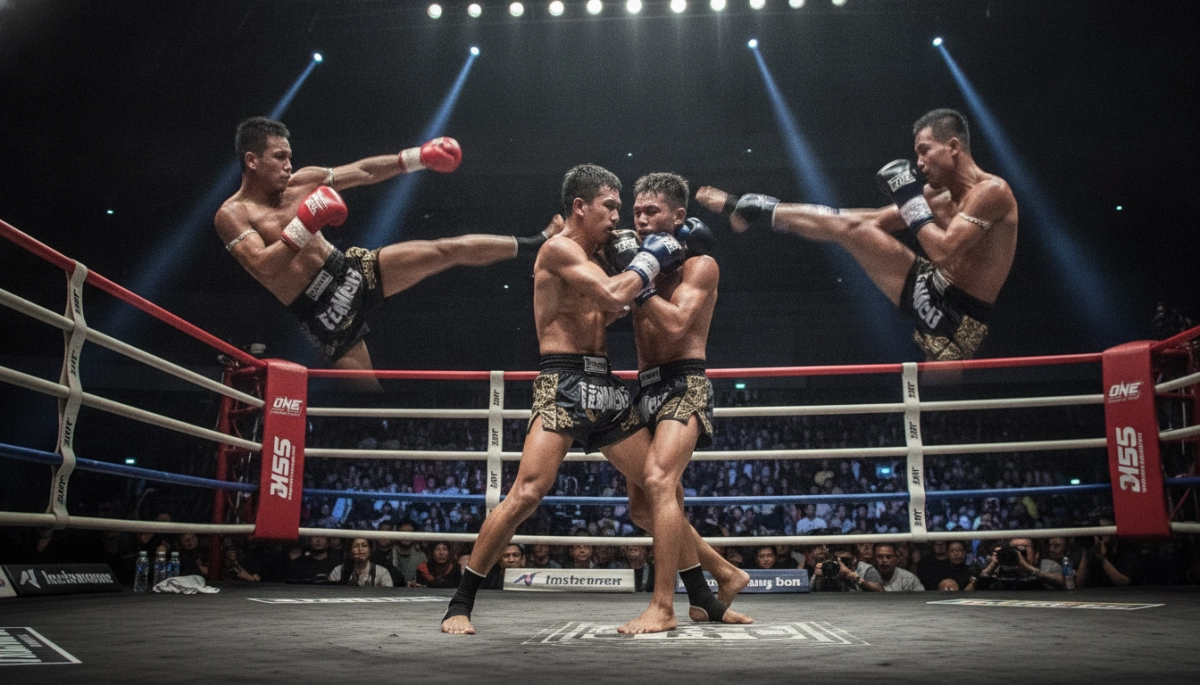
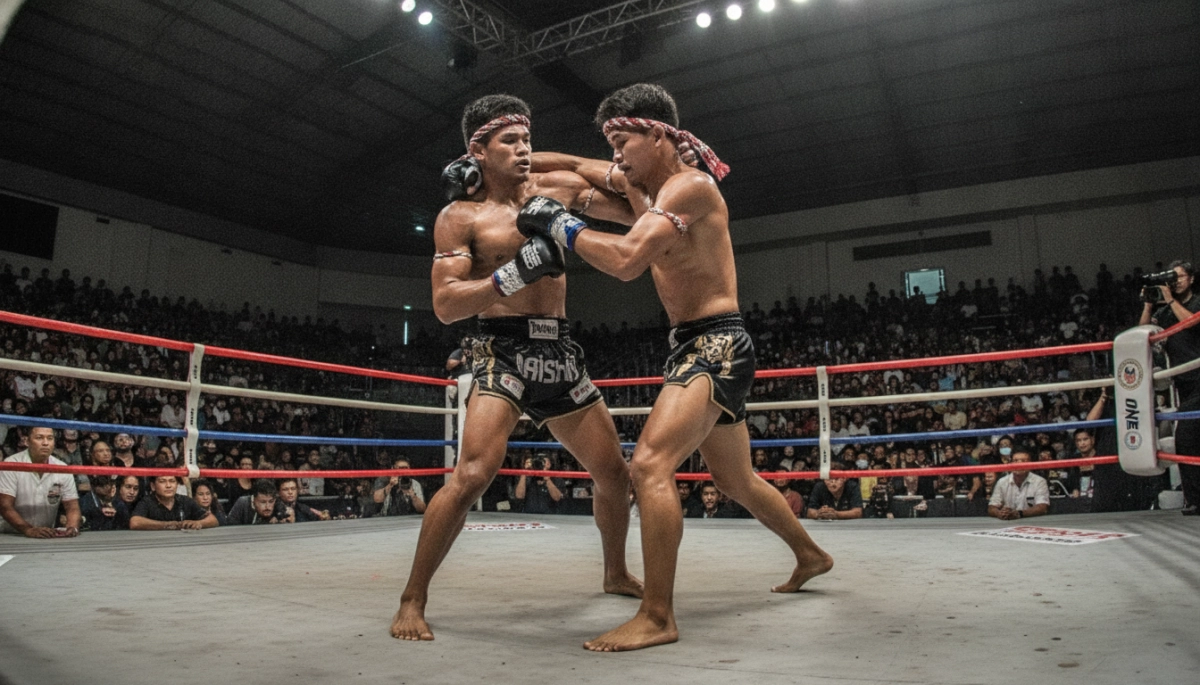
You’ll find the clinch is where fights are won or lost, and Nong-O Gaiyanghadao’s approach offers a clear, repeatable template. Rather than flashy moves, Nong-O emphasizes control, posture, and economy of motion—so you can land knees, off-balance opponents, and escape danger with minimal wasted effort. If you adopt these fundamentals, you’ll be better at dictating pace, protecting yourself, and creating high-percentage attacks from close range.
Build a Solid Base: Footing, Weight Distribution, and Head Position
Before you try complex sweeps or knee combinations, you must lock in a stable base. Nong-O’s clinch starts from a subtle but critical alignment of feet, hips, and head that keeps you balanced while maximizing leverage.
- Feet and stance: Keep a staggered stance with your lead foot slightly outside the opponent’s lead foot. This gives you lateral control and quick access to off-balancing steps. Your knees should be slightly bent—never locked.
- Weight distribution: Aim for a centered weight that allows you to move forward or laterally without overcommitting. Nong-O often keeps slightly more weight on the balls of his feet to push into knees and recover if a sweep attempt fails.
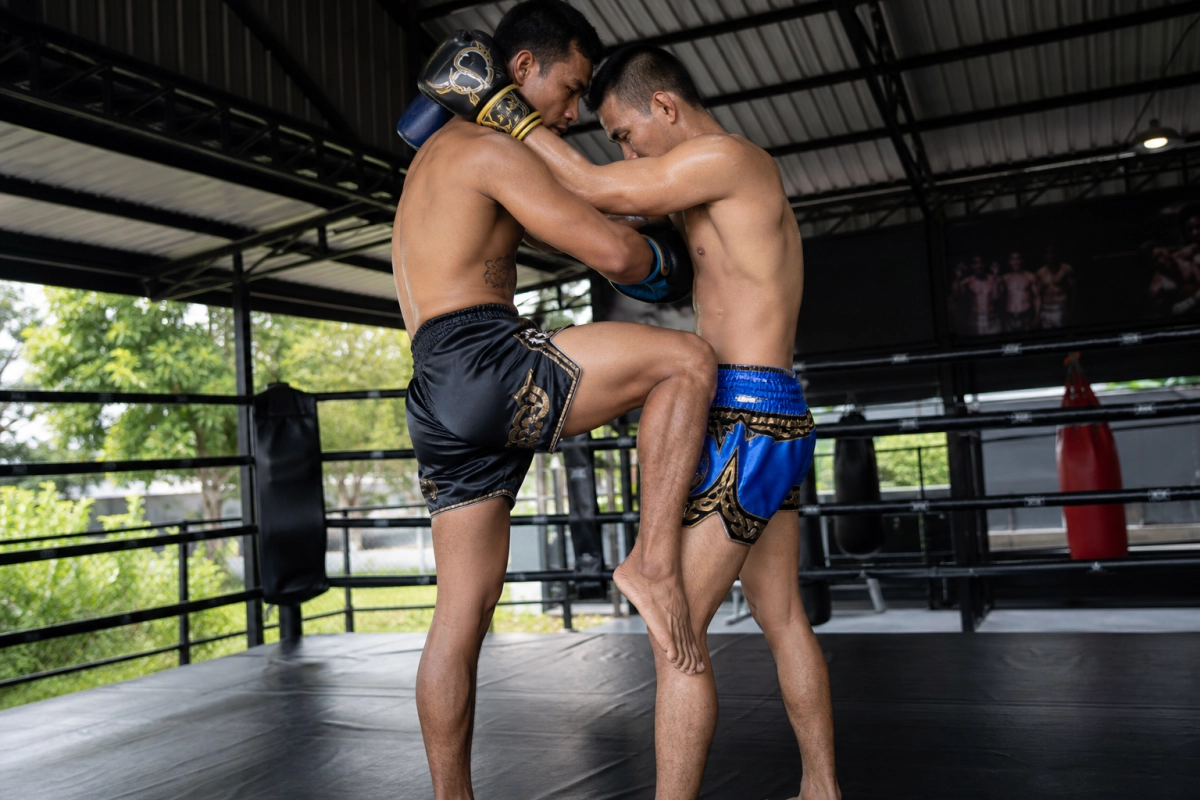
- Head placement: Drive your forehead or the crown of your head into the opponent’s chest or jawline to break their posture. Nong-O uses head position as a primary lever—when your head is tight and high, your opponent loses space to breathe and strike, and you gain a stable fulcrum for knees.
Hand Placement, Grips, and Basic Frames You Can Drill
Hands and arms are not decorative in the clinch—they’re tools for control. Nong-O’s favorites are clean neck ties, underhooks for body control, and a disciplined two-on-one to neutralize the opponent’s strong arm.
- Neck tie (single and double): Secure a hand at the base of the skull or behind the neck and pull their head down to shorten their posture. Start with a single head tie and work toward a double tie for stronger knee range.
- Underhooks vs. overhooks: Prioritize a deep underhook on at least one side; Nong-O often uses a dominant underhook to lift the ribs and create space for knees. Use overhooks defensively to counter the opponent’s underhook and to set up lateral pressure.
- Two-on-one control: Trap one arm with both hands to limit their striking and to manipulate their balance. This grip is useful to control their elbow and turn their torso for knees or a simple body lock.
- Frames and buffering: When you can’t secure a tie, use forearm frames against the collarbone or biceps to keep distance and reestablish position. Frames buy you time to pummel for underhooks or to circle off-line.
These basics—stance, head position, and efficient grips—are the foundation of Nong-O’s clinch. Once you’ve drilled them until they’re reflexive, you’ll be ready to add his knee sequencing, off-balances, and sweep entries, which we’ll explore next.
Nong-O’s Knee Sequencing: Timing, Targets, and Rhythm
Nong-O doesn’t just throw isolated knees—he strings them together with purpose. The secret is a simple script: break posture, create angle, deliver the knee, then either reap another knee or reset. Focus on three consistent elements: timing (when you strike), target (where you strike), and rhythm (how you chain strikes so the opponent can’t time you).
- Timing: Use the head tie to snap the opponent’s chin down or to hold their upper body as you step. The initial knee should be a short, hard “stab” into the solar plexus or ribs while your head drives down—this short knee wins clinch exchanges far more often than long, swinging knees.
- Targets: Rotate through the ribs, floating ribs to the side, and the lower sternum. Alternate between the near-leg thigh and the far-side body to prevent them from tightening their guard. Rarely aim high from a static clinch—focus on the body for damage and to break posture.
- Rhythm and sequencing: Nong-O mixes single-power knees with short bursts (two to three quick knees) and then a follow-up longer knee as the opponent tries to re-posture. Countless effective patterns: one hard knee, step-pivot, immediate second knee; or a two-knee double with the second knee thrown as you switch angles. Keep your knees compact—retract quickly to avoid counters.
Drill this: 3-minute clinch rounds with partners alternating passive (holding posture) and active (resisting pummels) roles. Practice 10-second knee bursts followed by 20 seconds of pummeling to re-establish underhooks.
Off-Balances and Simple Sweeps to Create Openings
Off-balancing is the currency of the clinch. Once you can consistently break posture with your head and underhook, add simple sweeps that remove your opponent’s base so knees become cleaner. Nong-O favors subtle, high-percentage entries rather than dramatic throws.
- Leg reaps and ankle hooks: Use your foot to swipe the opponent’s lead foot while you pull their upper body down and to the side. A quick inward reap that removes their inside foot is often enough to make the next knee land cleanly.
- Step and pivot sweep: Step your lead foot slightly outside theirs, use a deep underhook to lift the ribs, then pivot your hips as you push the shoulder and pull the head—this unweights their base and allows a simple hip sweep or knee barrage.
- Use the two-on-one to spin: Trap an arm with two hands, turn your hips, and step behind their foot. The goal is displacement—not a theatrical takedown. If the sweep fails, re-anchor the head and hit another short knee.
Key drill: partner clinch with light resistance—on the coach’s cue, execute a predefined sweep entry and follow with two knees. Repeat until the movement is instinctive.
Clinch-to-Striking Transitions and Controlled Breaks
Nong-O’s clinch isn’t a dead-end; he uses it to reset the fight on his terms. Know when to push through for more knees and when to break to throw elbows, teeps, or powerful low kicks. Controlled breaks maintain your balance and preserve dominant grips.
- Breaking safely: Create space with a forearm frame or a quick hip-step away while keeping at least one head tie or dominant hand on their arm to prevent a counter clinch.
- Transition strikes: After a break, step off-line and throw a quick elbow or straight teep to the body—these capitalize on the opponent’s compromised posture. If they lean in trying to close distance, re-engage underhooks and attack the ribs with knees.
- Controlled disengagement drill: Clinch for 10–15 seconds, execute a break with a frame, land one clear strike, then re-engage within three seconds. This conditions you to transition without surrendering positional control.
Master these sequences and you’ll turn clinch control into a continuous offensive cycle—pressure, damage, reposition, and strike again—just like Nong-O.
Training Progression and Safety Notes
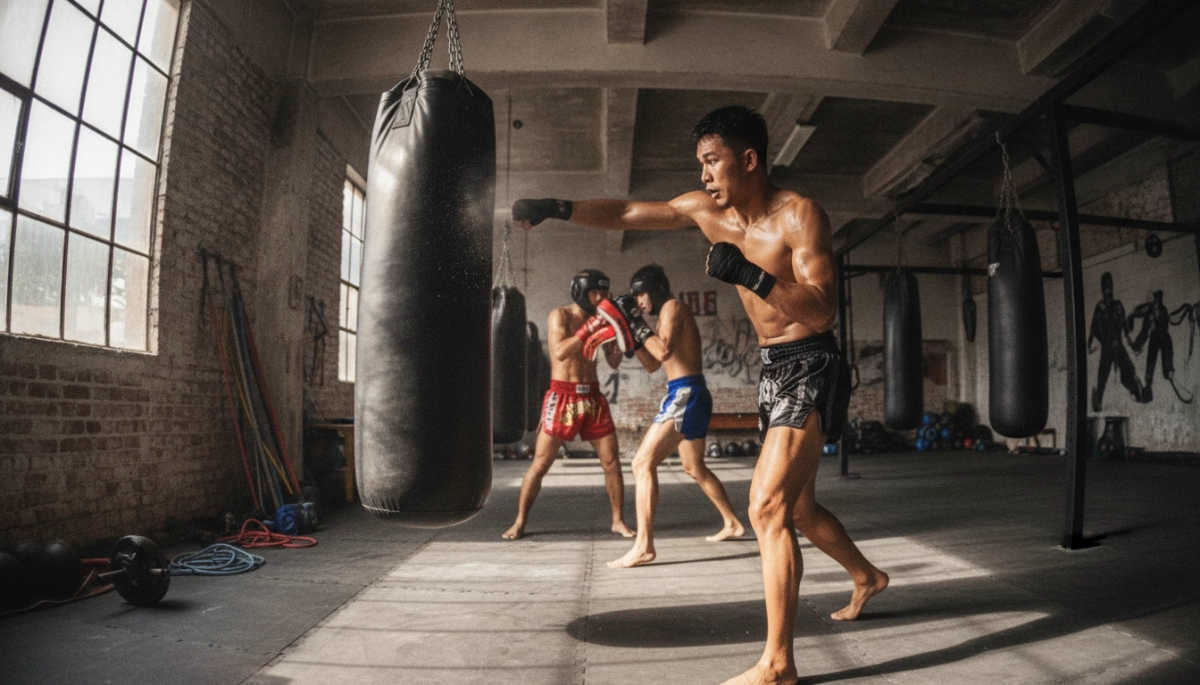
Start small and be deliberate: spend short, focused sessions on head placement and underhooks before adding full-power knees or sweeps. Use progressive resistance with partners—static holds, light resistance, then realistic clinch rounds. Always tap out or signal if you feel trapped during sweeps or neck ties, and keep training intensity controlled when learning new entries.
- Drill timing: 3-minute clinch rounds with specific 10–20 second knee bursts followed by pummeling.
- Isolate mechanics: practice head drives, foot reaps, and two-on-one control separately until smooth.
- Video review: film your clinch rounds to check posture and head position against Nong-O’s fights.
Putting Nong-O’s Clinch Principles into Practice
Clinch work rewards patience and repetition. Commit to steady, focused practice, protect your neck and spine while learning, and prioritize control over flash. Watch elite clinicians and measure small improvements—better posture, cleaner knees, fewer escapes—rather than chasing immediate knockout moments. For reference and further study of Nong-O’s technique in competition, see Nong-O Gaiyanghadao on ONE Championship. Train smart, stay consistent, and let the fundamentals guide your clinch evolution.
Recommended Posts