
How Rodtang’s Knockout Style Informs Your Training
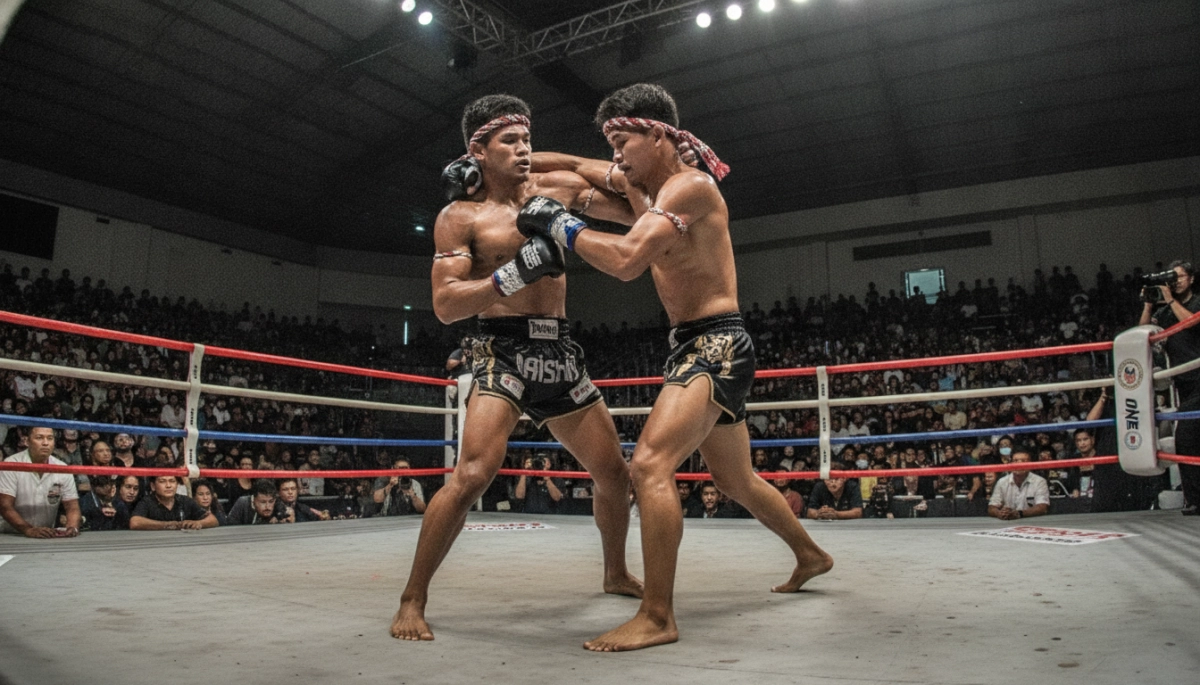
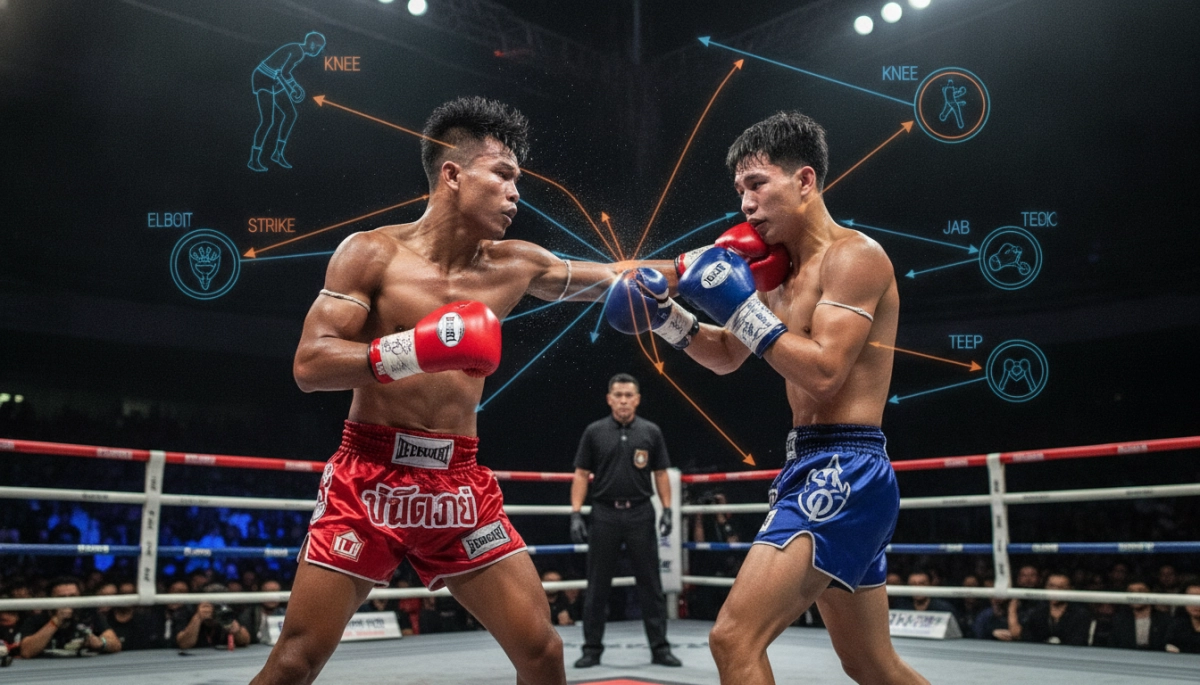
You study Rodtang because his KOs teach reliable lessons about pressure striking, timing, and relentless conditioning. When you watch his highlights you’ll notice repeated patterns: high-volume combinations, low kicks that destabilize, forward pressure that closes distance, and explosive finishing strikes from close range. To replicate those effects in your own fighting, you must break those elements into trainable components: power generation, durable conditioning, tight clinch control, and rapid combination rhythm.
Breakdown of the core elements you must train
Before you drill, map the technical targets you want to replicate. Focus your sessions on a few measurable skills so you don’t dilute progress.
- Explosive hip power: Many of Rodtang’s KOs come from compact strikes driven by hip torque rather than long telegraphed swings. You can train this with rotational and medicine ball drills.
- Close-range volume: Short combinations, elbows, and knees finished from inside the clinch require a rhythmic striking economy. Practice high-repetition, short-range combos on pads and heavy bags.
- Pressure footwork: Forward drive and angle control break opponents mentally and physically. Your footwork drills should emphasize cutting off the ring and chaining forward steps into strikes.
- Durability and conditioning: To land potential KOs, you must sustain output and take returns. Conditioning must be functional—fight-paced intervals and neck/temporal conditioning for clinch exchanges.
Fundamental drills to develop Rodtang-style finishing ability
Start every week by building a foundation. These drills are practical, require minimal equipment, and translate directly to fight scenarios.
Pad rounds for compact power and cadence
Do short, intense pad rounds (3–4 minutes) focused on 6–12 strike sequences that mimic Rodtang’s cadence. You perform combinations such as teep–low kick–rear hook–elbow, with the pad holder returning a light counter to simulate reaction. Emphasize snap, hip rotation, and immediate reset to a guarded stance. Track the number of quality combos per round rather than total strikes.
Clinch-to-knee circulation drills
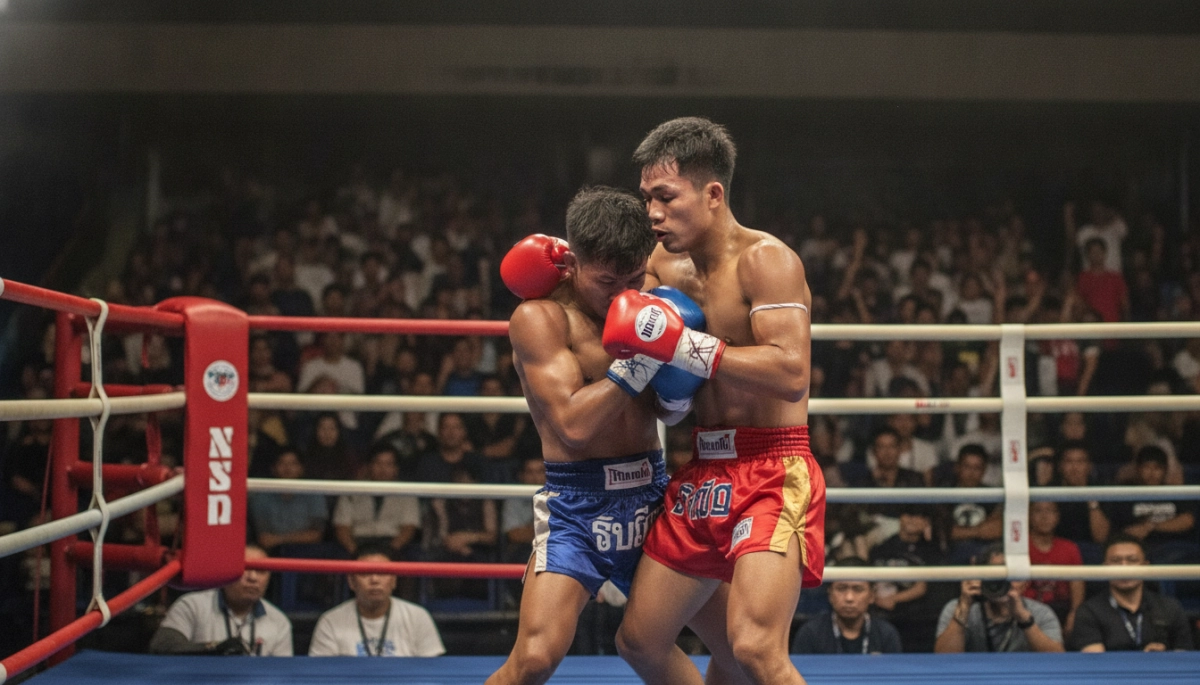
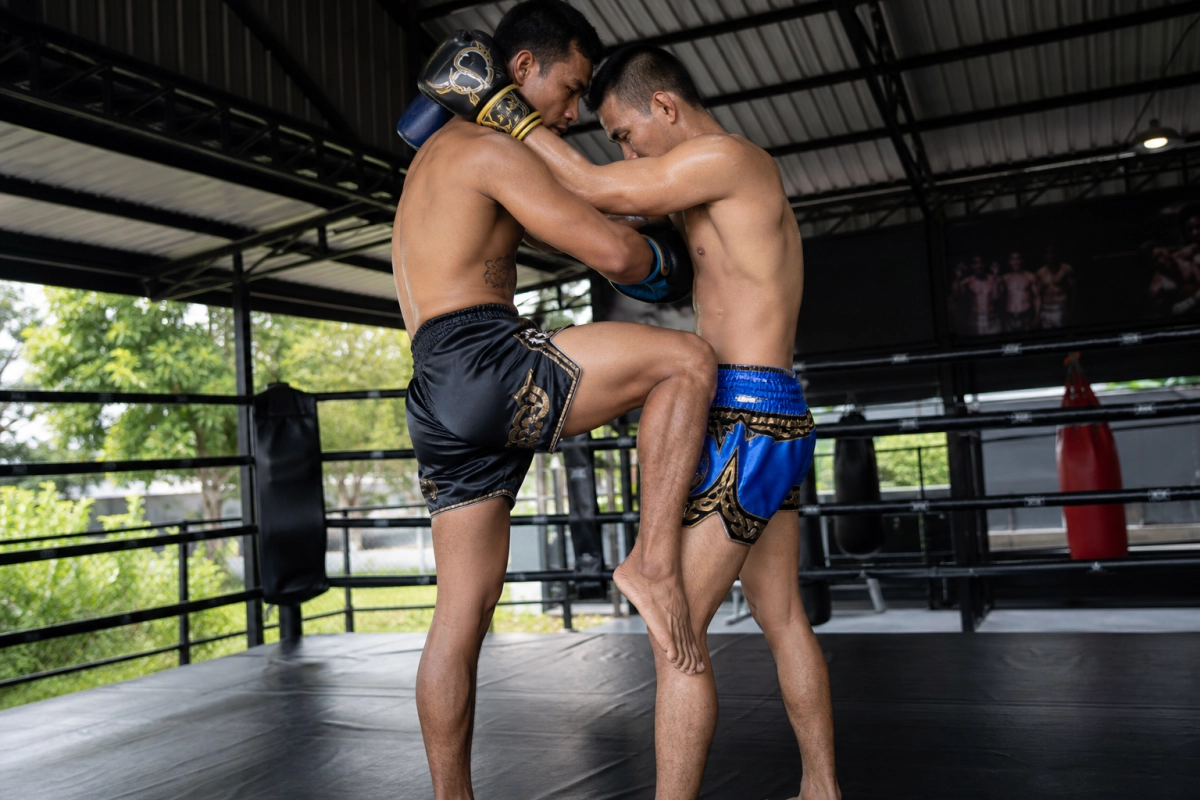
Partner up and run 30–45 second clinch circuits: secure a pincer grip, step your lead leg in, and throw continuous sweeping knees while maintaining posture. Alternate controlling and releasing so you can practice finishing knees after disengagement. These circuits build the timing and postural control you need to land fight-ending close-range strikes.
- 3–5 clinch circuits per session, rest 60–90 seconds
- Focus on hip thrust and short-range explosiveness
These foundational drills will prime your power, pressure, and close-range timing. In the next section, you’ll get advanced progressions, plyometric exercises, and a sample weekly plan to systematically turn these basics into fight-ready knockout tools.
Advanced progressions to escalate KO effectiveness
Once the fundamentals are reliable, layer in progressions that force you to produce power under fatigue, against resistance, and from compromised positions. These are not flashy — they’re high-intensity practice that transfers directly to finishing moments in a fight.
- Resisted strike chains: Attach a light resistance band behind you (around the hips) while performing short-range combinations on pads or the heavy bag. Do 6–8 reps of 6–10 strike chains, 3 sets, 60–90s rest. The band increases the demand on hip drive and forces faster deceleration into guard.
- Bag-pressure intervals: Five rounds of 45s on / 30s off: advance on a heavy bag and land continuous short combos emphasizing elbows and hooks; force yourself to maintain forward foot pressure. Track number of quality sequences per round rather than strike count to bias intent over volume.
- Fatigue-finisher sparring: End technical sparring with a 60–90s “power finish” round where only forward movement and finishing strikes score. This conditions decision-making and power output when tired. Limit to 2–3 reps per session to avoid overtraining.
- Weak-side dominance drills: Repetition from non-preferred angles — lead-body low kicks into same-side hook or short elbow. 4–6 minute rounds, alternating dominant side each round, to ensure KO tools aren’t one-sided.
Plyometric and strength exercises for compact explosiveness
Explosiveness for Rodtang-style finishes is about short-range torque and rapid re-application of force. Prioritize hips, posterior chain, and rotational core with these targeted lifts and plyos.
- Rotational medicine ball throws: From a staggered stance, drive hips and throw the ball across your body into a wall or partner (6–8 throws each side, 3–4 sets). Emphasize hip snap and quick recovery to guard.
- Single-leg Romanian deadlifts (RDLs): 5–8 reps per leg, 3 sets. Builds unilateral hip hinge stability for explosive clinch entries and powerful short kicks.
- Kettlebell swings (Russian): 12–15 reps, 3–4 sets. Reinforces hip extension explosiveness used in compact rear-hand strikes and knees.
- Lateral bounds and short sprints: 6–10 lateral bounds followed by 10–15m resisted sprints (sled or band). These improve drive into an opponent and the ability to cut the ring while generating force.
- Anti-rotation core work (Pallof press): 10–12 reps each side, 3 sets. A stable midsection converts rotational torque into delivered power.
Keep strength sessions relatively brief (30–45 minutes) and prioritized early in the week to avoid neuromuscular fatigue during technical practice.
Sample 5-day weekly plan to build towards Rodtang-style KOs
This plan balances technical repetition, strength, plyo power, conditioning, and controlled sparring. Adjust intensity and volume by experience level.
- Day 1 — Technical power: 6 x 3–4 minute pad rounds (short combinations), 4 clinch circuits, mobility work.
- Day 2 — Strength + plyo: Warm-up, kettlebell swings 4×12, single-leg RDL 3×6 each, med-ball rotational throws 4×8 each side, lateral bounds 3×10.
- Day 3 — Conditioning / bag pressure: 8–10 rounds: 45s bag-pressure / 30s rest; 3 sets resisted sprints; core finishers.
- Day 4 — Light sparring + fatigue finishing: Technical sparring 4–6 rounds (controlled), 2–3 fatigue-finish rounds, partner clinch work.
- Day 5 — Skills & recovery: Slow technical pad work focusing on timing and angles, mobility, neck and jaw conditioning, active recovery (swim/bike).
Beginner modifications: cut technical rounds by 30–50%, reduce plyo volume, and limit fatigue finishers to once weekly. Advanced athletes can increase intensity, add more resisted rounds, and periodize for a peak fight week.
Monitoring, recovery, and training safety
Hard training builds finishing ability, but it must be balanced with measurement and recovery to stay productive long-term. Use simple checks to keep progress sustainable and reduce injury risk.
- Log session intensity and specific drill outcomes (quality over quantity).
- Limit high-impact sparring and fatigue-finish rounds to scheduled sessions; allow at least 48–72 hours before repeating heavy contact.
- Prioritize neck, jaw, and cervical mobility work alongside strength to withstand clinch exchanges and impacts.
- Watch for concussion signs and seek medical clearance if you experience prolonged dizziness, headaches, or cognitive changes.
- Review footage with a coach regularly; small technical adjustments often yield the biggest returns.
Training with purpose
Make every drill and session answer a clear question about your ability to finish: Can I close distance under pressure? Can I sustain short-range power under fatigue? Can I control the clinch long enough to land decisive strikes? Keep those questions in your notes and let them guide weekly priorities rather than chasing volume for its own sake.
Study real fight film for context and timing—start with a curated set of highlights like Rodtang highlights on ONE Championship—but always translate what you see into measured, coach-supervised practice.
Stay patient and consistent. The finishes you admire are the outcome of incremental improvements in power, timing, and conditioning. Train deliberately, recover deliberately, and let smart repetition do the rest.
Recommended Posts