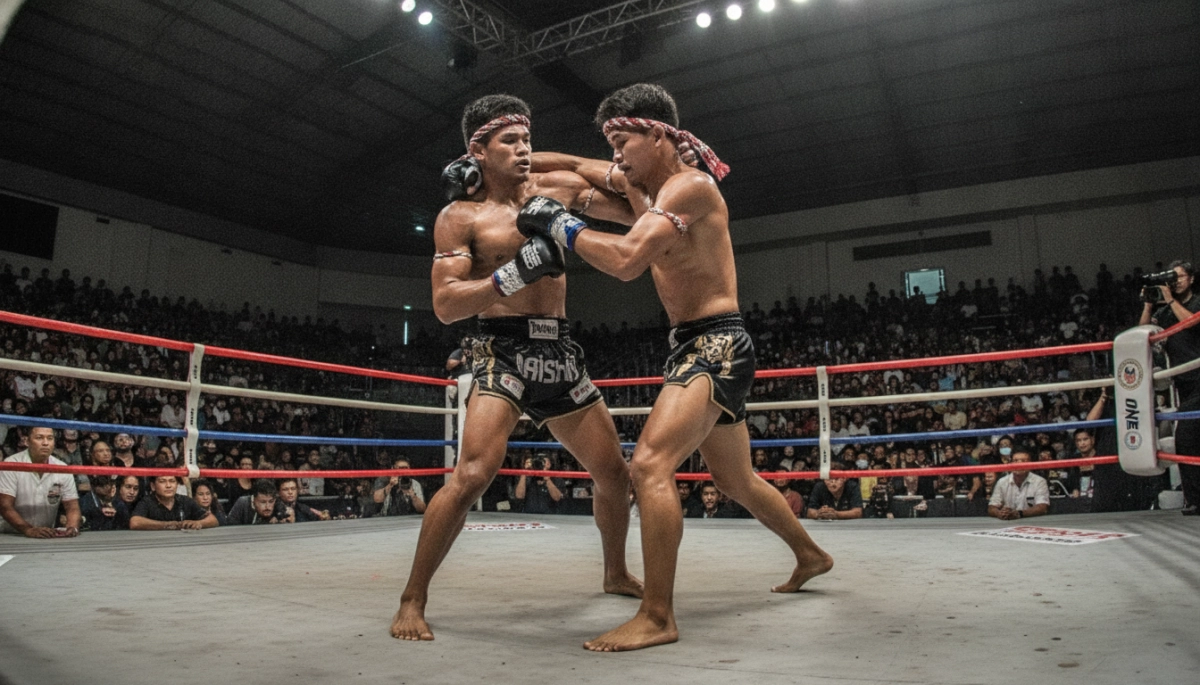
Why Nong-O’s Clinch and Elbow Approach Is a Blueprint for You
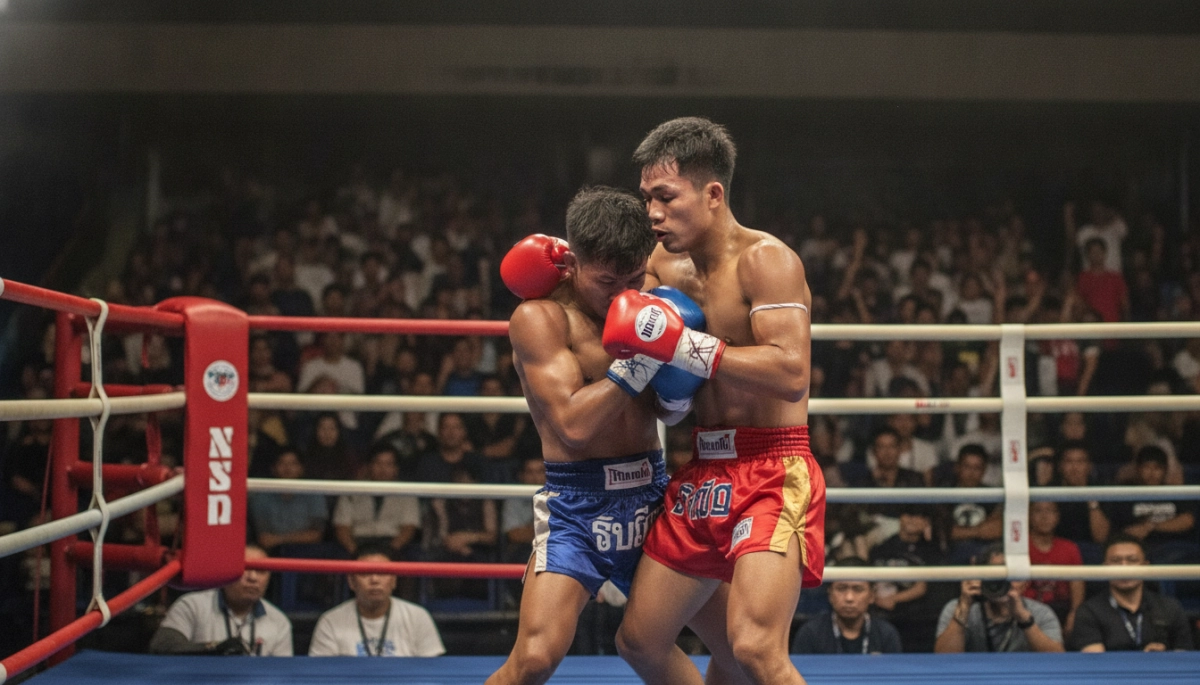
You watch Nong-O and see compact power delivered from close range. What makes his clinch and elbow game so effective is not just raw aggression but a repeatable system you can learn: superior head control, tight frames that limit counters, and rapid short elbows that punish small openings. If you want to adopt his style, you’ll need to prioritize control, economy of motion, and timing over wild looping strikes. That mindset change—precision over power—will shape everything you practice next.
When training, think of the clinch as a positional battle where each small adjustment creates an opening for an elbow. You’ll learn how to force posture collapse, maintain a strong base, and transfer weight to make elbows land with minimal telegraphing. This section lays out the principles and basic grips you must master before moving into full sequences.
Key Principles You Must Master Before You Drill Sequences
Before you attempt Nong-O–style combinations, lock in these fundamentals so your techniques are safe, efficient, and applicable live.
- Top-line control: Keep your head and chest over your opponent’s centerline. Your head should act like a lever to drive theirs down into your elbows.
- Compact striking: Use short, angular elbows rather than big, looping strikes. Small surface-area impacts hurt and are harder to read.
- Grip economy: Favor frames and ties that immediately create elbow lanes—collar tie (plum), upper-arm control, and inside-biceps hooks—switching quickly between them.
- Weight distribution and base: Stay light on your lead foot and ready to shift your hips to either pin or create space for a strike.
- Chain hits, not single attacks: Combine body control, a quick probe (knee or forearm), then an immediate elbow to turn contact into damage.
Basic Clinch Grips and Elbow Angles to Practice First
Start by drilling these grips and the corresponding elbow types. Practice slowly until each movement is automatic; speed comes later.
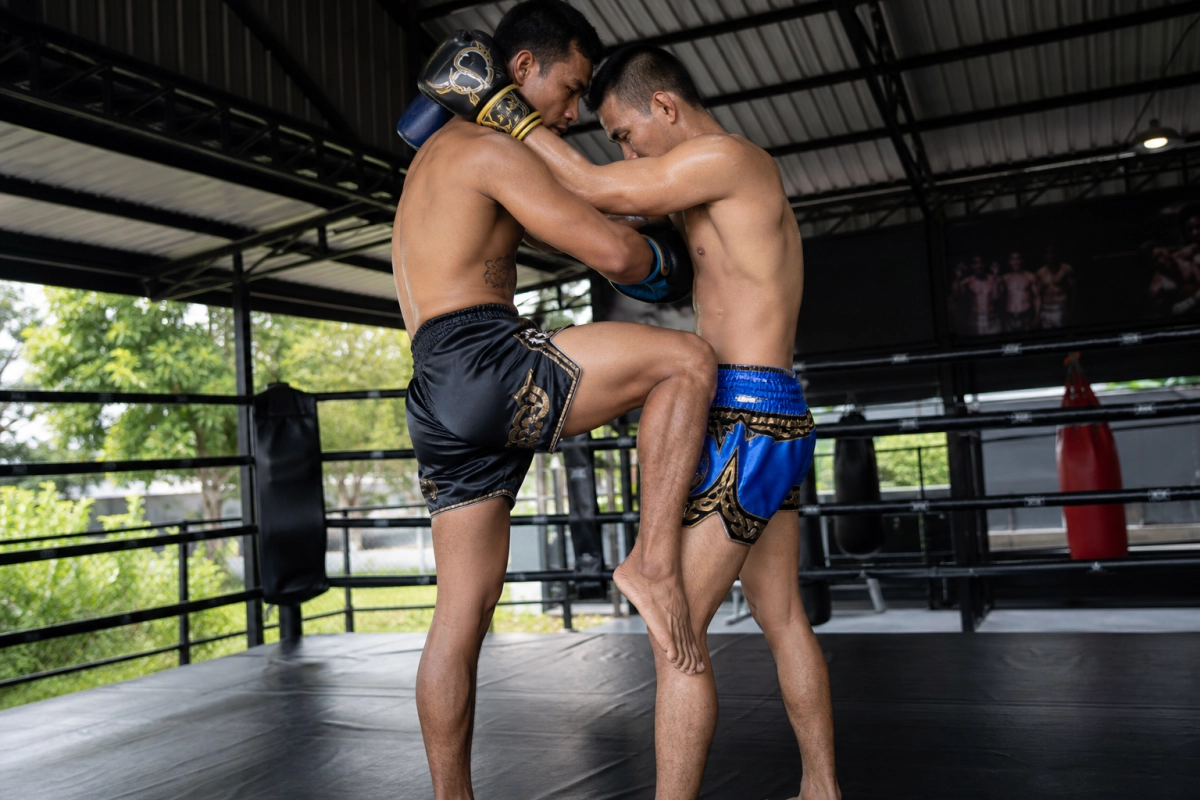
- Plum (single/double collar tie): Use the plum to pull the opponent’s head down into upward or horizontal elbows. Cue: squeeze your elbows to your ribs and drive your forehead to control posture.
- Inside-biceps hook: Slide your forearm under their biceps to block escape and create an outside elbow angle. Elbows from this position are often diagonal cuts to the temple or jaw.
- Upper-arm pin with underhook: Pinning the near arm with an underhook gives you space to bend and throw short downward or 45-degree elbows to the cheekbone.
- Short horizontal elbow: Elbow travels in a short whip across the opponent’s face—fast and low telegraph. Practice snapping from the shoulder with minimal body rotation.
- Upward/uppercut elbow: From the plum, thrust the elbow upward into the chin—effective against a collapsed chin or during a turnover.
Drill transitions: move between plum → inside-biceps → upper-arm pin while throwing a simple short elbow from each position. Mastering these will make the sequences that follow much smoother and more effective in live clinch work.
Next, you’ll begin layering these grips and elbow types into Nong-O–inspired combination sequences and partner drills that teach timing, entry, and damage placement.
Step-by-Step Nong-O–Style Clinch-to-Elbow Sequences
Below are three concrete sequences you can drill. Each sequence is written as a chain: entry → control → probe → elbow. Practice slowly, then at increasing speed and resistance. Cue words after each step keep your intent clear.
-
Sequence 1 — Plum pressure to short horizontal elbow → turnover elbow
- Entry: Pummel both hands to double-plum as opponent steps forward. Cue: “Top-line.” Keep forehead to theirs and squeeze elbows to ribs.
- Control: Pull head down and shift your hips slightly back to create a downward angle. Cue: “Collapse.”
- Probe: Short forearm bump to the chest to read posture. Cue: “Test.”
- Strike: Snap a short horizontal elbow across their face (aim temple/jaw) while maintaining the plum. Keep the strike tight from the shoulder. Cue: “Whip.”
- Follow: If they post or turn away, use the plum to roll them over the near knee and hammer an upward/uppercut elbow to the chin. Cue: “Turn & thrust.”
-
Sequence 2 — Inside-biceps hook to diagonal elbow → off-arm pin & short elbow
- Entry: Slide your inside forearm under their biceps and lock an outside frame. Cue: “Anchor.”
- Control: Drive your head to their chest and step your lead foot slightly outside to create an angle. Cue: “Angle.”
- Probe: Quick knee to body or forehead pressure to elicit a cover. Cue: “Probe.”
- Strike: Fire a 45-degree diagonal elbow across the cheekbone from the shoulder while your frame blocks their escape path. Cue: “Cut.”
- Follow: Use your free hand to pin their near arm (upper-arm pin) and throw a short downward elbow to the cheek/jaw. Cue: “Lock & chop.”
-
Sequence 3 — Upper-arm pin with underhook to short elbow + knee chain
- Entry: Achieve an underhook while pinning their far arm with your near forearm. Cue: “Under.”
- Control: Drive your shoulder into their chest to break posture and step your outside foot back to stamp their base. Cue: “Stamp.”
- Strike: Short downward elbow to the jaw from the bent posture. Cue: “Snap.”
- Follow: Immediately sink a 45–90 degree knee to the ribs/solar plexus while maintaining the underhook. Cue: “Knee.”
- Finish: If they posture up, transition to a single-plum and throw an upward elbow to the chin. Cue: “Shift & finish.”
Partner Drills to Build Timing, Pressure and Damage
Sequences are only as useful as your ability to apply them under pressure. Use these partner drills to ingrain timing, posture breaks, and safe, effective impact.
- 3-Stage Clinch Drill (progressive resistance): Stage 1 — static: partner offers passive resistance; drill sequence slowly 8–10 reps. Stage 2 — reactive: partner gives brief escapes; you chain 3 strikes then reset. Stage 3 — live: light resistance and counters for 2-minute rounds. Focus: smooth transitions and maintaining top-line.
- 10-Second Pressure Rounds: Start in clinch; attacker applies continuous compact elbows and knees for 10 seconds while partner defends posture/escapes. Swap roles. Builds conditioning and familiarity with compressed strikes.
- Entry Simulation Drill: From clinch distance, attacker practices pummels, entries (single/double plum, inside hooks) against a partner who circles and posts. Emphasize footwork (step to the angle) and low-center control. Reward successful entries with a short elbow or knee on contact.
- Correction checkpoints: After each round, partners call out one correction: “too wide,” “lost base,” “arm high,” etc. Keep feedback specific and actionable.
Train these sequences with gradual intensity, keep control of the head, and never sacrifice balance for a bigger hit. The goal is to make compact elbows and efficient transitions your default reactions under pressure—exactly how Nong-O operates in rounds.
Common Mistakes and Quick Fixes
- Too much reach on elbows — Fix: shorten the arc, lead with the shoulder, and practice snapping from the elbow crease.
- Relying on strength over position — Fix: focus on head placement and weight transfer; use leverage instead of muscles.
- Telegraphing entries with big steps — Fix: pummel quietly, step small to the angle, and set grips before committing strikes.
- Throwing elbows without a safety frame — Fix: maintain an inside forearm or collar tie to prevent counters while you strike.
Train With Purpose, Protect With Discipline
Clinch and elbow work is high-reward but also high-risk if you rush it. Progress intentionally: isolate grips and angles, add one element at a time, and always keep control of posture and balance. Test these sequences under increasing resistance only when you and your partner can manage controlled impact and quick resets. For reference and examples from the source of this approach, see Nong-O’s profile and fight footage for timing and positioning cues: Nong-O fighter profile.
Keep drilling the basics, seek coach feedback, and prioritize safety in live rounds. Over time, compactness, timing, and head control will replace brute force—exactly the traits that define Nong-O’s clinch and elbow mastery. Train smart, and your clinch work will become a dependable weapon rather than a risky gamble.
Recommended Posts