
Why Nong-O vs Rodtang is essential viewing for Muay Thai fans
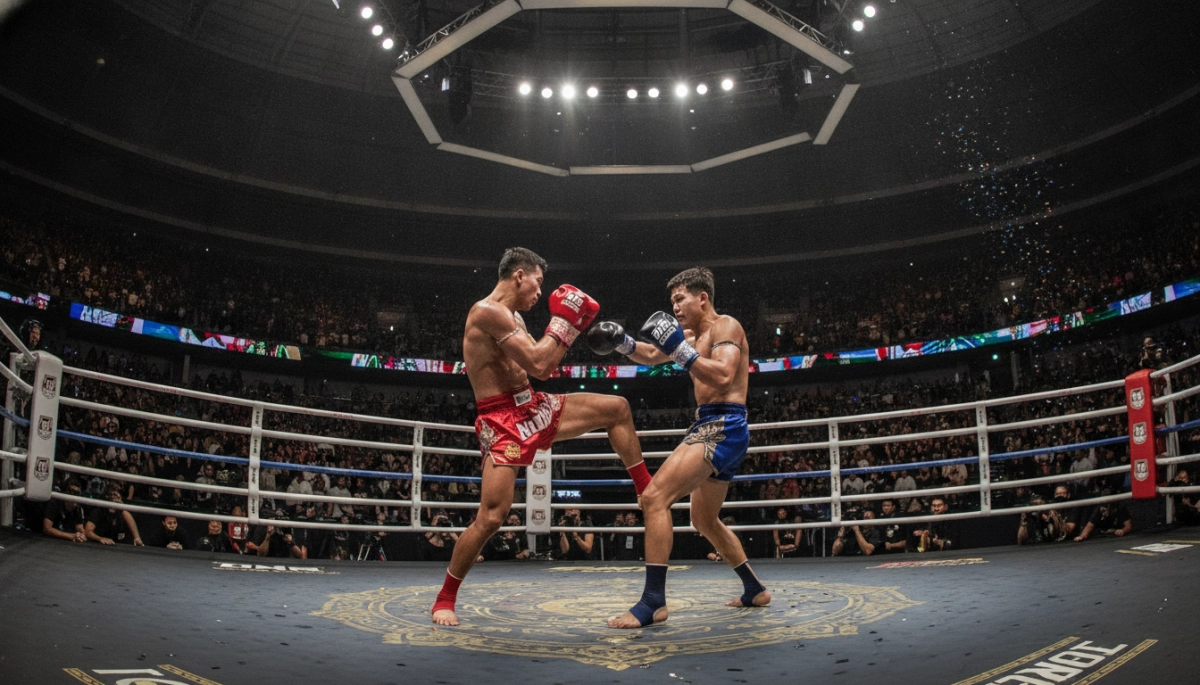
You’re looking at two of the most influential practitioners in modern Muay Thai, each representing a different approach to the sport inside ONE Championship. Understanding this matchup helps you appreciate technical nuance, conditioning, and fight IQ at the highest level. When you follow their fights, you’ll notice how rules, pacing, and clinch work shape outcomes that differ from traditional stadium Muay Thai.
As you watch or analyze the bout, focus on three things: timing and distance management, how each fighter imposes their rhythm, and how scoring moments—like clean strikes and ring generalship—sway judges under ONE rules. Those elements often decide close contests between elite technicians and relentless pressure fighters.
Early career development and stylistic foundations
Nong-O: disciplined technique and championship experience
You should recognize Nong-O as a textbook Muay Thai stylist who built his reputation on precision, counter-striking, and tactical control. His background in Thai stadiums and multiple title reigns in ONE Championship give him an edge in fight IQ and situational adjustments. When you study Nong-O, note these recurring strengths:
- Exceptional fundamentals: crisp elbows, accurate teeps (push kicks), and timing on counters.
- Defensive awareness: uses guard, footwork, and angle changes to neutralize aggression.
- Championship composure: experience in high-pressure rounds allows him to manage pace and avoid unnecessary risks.
Because Nong-O often fights with structure, you’ll see him patiently build opportunities rather than forcing exchanges—this can frustrate opponents who rely on chaos and forward momentum.
Rodtang: relentless pressure, iron chin, and finishing instinct
Rodtang delivers a contrasting blueprint: he applies nonstop forward pressure, accepts punishment to land his own heavy strikes, and frequently turns close moments into stoppages with aggressive sequences. When you analyze Rodtang, pay attention to:
- Work rate and volume: constant attacks that test an opponent’s gas tank and composure.
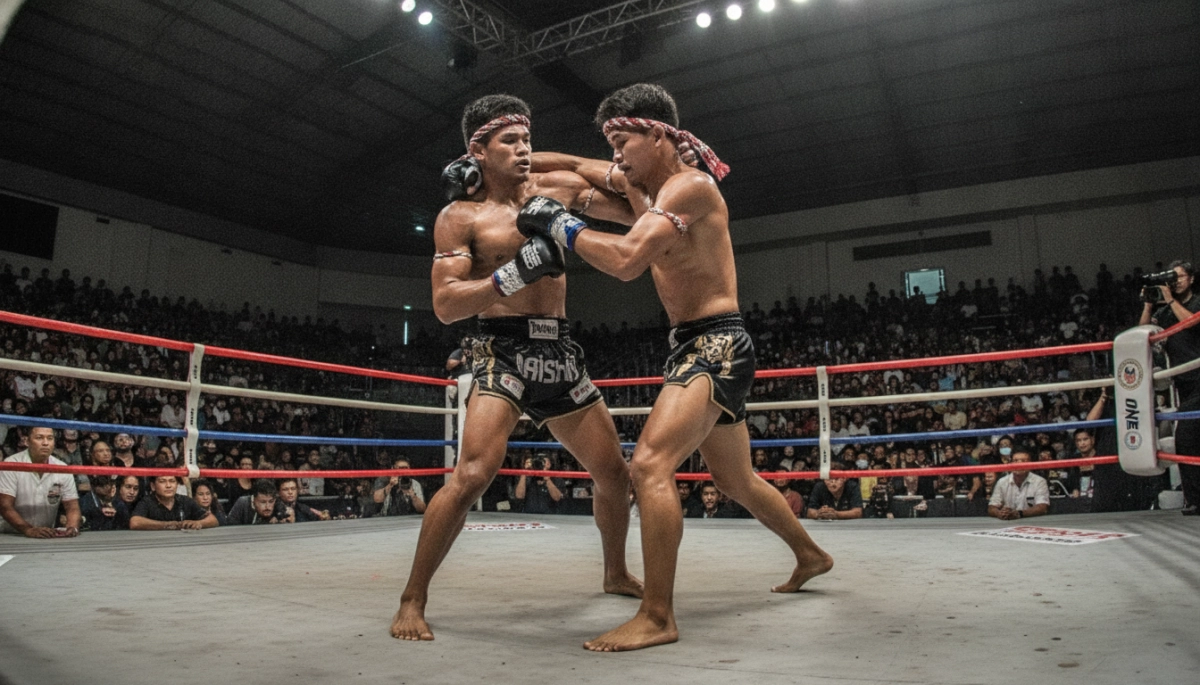
- Fearless clinch and dirty boxing elements: he converts close-range scrambles into damaging knees and elbows.
- Mental resilience: often recovers from significant strikes and returns to offensive output quickly.
Your assessment should include how Rodtang’s pressure forces errors, and whether he can sustain intensity against a technically superior opponent over five rounds.
With those foundations in mind—Nong-O’s measured precision versus Rodtang’s attrition-style assault—you’re ready to examine how their physical attributes, conditioning, and in-fight adjustments determine the actual dynamics of a ONE Championship bout.
Next, you’ll get a round-by-round tactical breakdown that shows how each fighter can exploit weaknesses and where pivotal turning points typically emerge.
Round-by-round tactical blueprint: what to expect and where fights are decided
When you watch a Nong-O vs Rodtang matchup unfold, think of each round as a micro-battle with distinct objectives. Here’s a practical breakdown of how the action typically progresses and the indicators that a round (and ultimately the fight) is swinging one way or the other.
Round 1 — feel-out, range establishment
- Nong-O’s priority: establish the teep and jab to control distance, probe with low kicks and sharp elbows when Rodtang overcommits. You’ll see him move laterally and take single, high-percentage counters rather than chasing big exchanges.
- Rodtang’s priority: close distance early, initiate scrambles and clinch attempts, and force Nong-O to fight at his pace. Expect body shots and short, compact combinations to test Nong-O’s reaction time.
- Watch for: how cleanly Nong-O lands counters off the teep, and whether Rodtang is able to convert pressure into damaging strikes or clinch knees. Early visible damage (cuts, swelling) heavily influences judges’ impressions.
Rounds 2–3 — tempo rise, adjustments matter
- If Nong-O lands early counters, he’ll increasingly pot-shot with elbows and switch-kicks to keep Rodtang hesitant. Look for feints to bait forward lunges and immediate punishments.
- Rodtang will ramp up volume—more follow-through combinations, feigned exits into quick entries, and more aggressive clinch entries. He’s searching for a sustained sequence to break Nong-O’s rhythm.
- Watch for conditioning clues: is Rodtang maintaining crisp pressure or starting to show shorter bursts? Is Nong-O maintaining technical sharpness or getting dragged into wild exchanges? The side that controls the middle rounds often sets the fight’s tempo heading into championship rounds.
Rounds 4–5 — finishing, ring control, and damage accumulation
- Nong-O will look to capitalize on any hesitation: cut-off angles, takedown avoidance (where applicable under ONE rules), and counter-elbow combinations to either score decisively or force a stoppage if Rodtang is visibly compromised.
- Rodtang’s late-game plan is typically to overwhelm with nonstop offense—wear down legs and body, push Nong-O to trade, and turn any scramble into a finishing sequence.
- Watch for momentum shifts: a well-timed clinch knee sequence from Rodtang or a significant counter-elbow/teep that visibly slows Rodtang can swing close rounds. Judges reward visible damage and effective aggression under ONE’s Muay Thai criteria.
Pivotal exchanges, corner adjustments, and judging nuances
Beyond round structure, the fight often hinges on particular moments and how corners adapt between rounds.
- Critical exchanges: a teep that knocks Rodtang off-balance, a perfectly timed elbow that opens a cut, or a clinch sequence that results in multiple knees—these are the moments that become scoring highlights. Small, repeated successes (consistent counters, successful ring cutting) accumulate into rounds on the scorecards.
- Corner strategy: Nong-O’s corner will likely emphasize patience, angle creation, and selective counters—telling him to reset after exchanges and prioritize damage over volume. Rodtang’s corner will push for sustained forward bursts, force clinch entries, and encourage quick recoveries after heavy shots.
- Judging under ONE Muay Thai: judges weigh clean, effective strikes and damage highly, but they also consider ring generalship and defense. You should note not just who throws more, but who lands cleaner, who controls the center, and who forces the fight into their preferred domain (range vs. clinch).
In short, you’re watching a chess match played at full speed. The fighter who controls tempo, converts small advantages into visible damage, and executes mid-fight adjustments most effectively will usually walk away with the decision—or a highlight finish—against an opponent of this caliber.
Final thoughts: appreciating the moment and the method
This matchup is more than a single fight — it’s a living lesson in how differing philosophies clash and evolve inside a competitive, rule-governed environment. Whether you root for technique or for relentless pressure, watching with attention to detail deepens your understanding of how elite Muay Thai is won and lost beyond the highlight reel.
How to watch it differently
When you next watch Nong‑O vs Rodtang, look for the subtleties rather than only the big shots: how each fighter manipulates space between exchanges, how small accumulations of damage shift momentum, and how corner adjustments change behavior round to round. Those micro-moments reveal more about mastery than any single sequence of power punches.
For official replays, event information, and ONE Championship’s rulesets that shape these encounters, see ONE Championship. Keep following both fighters — their styles and adaptations will continue to influence Muay Thai conversations for years to come.
Recommended Posts