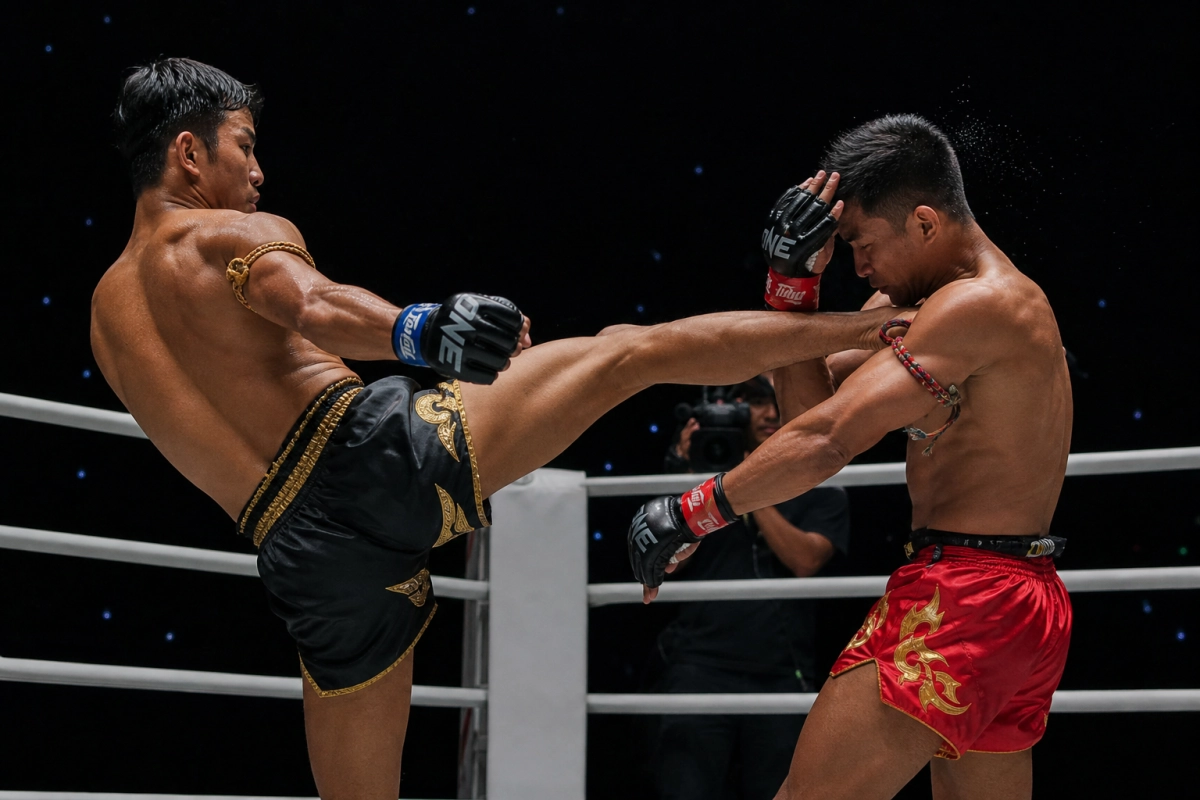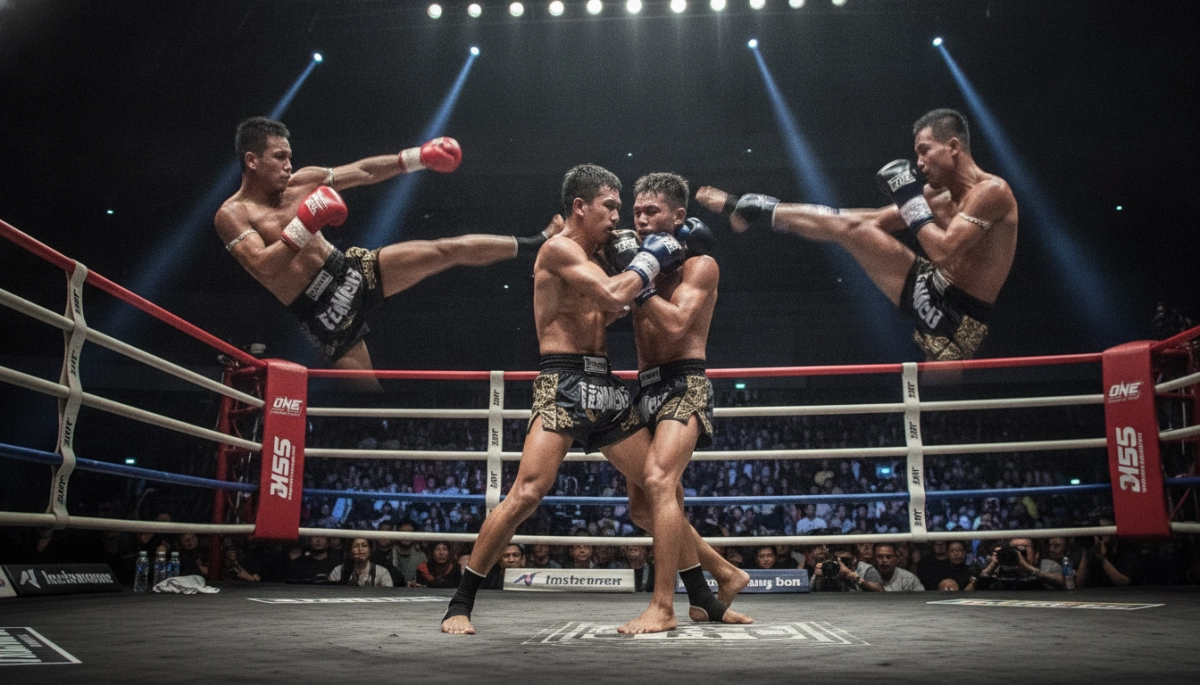
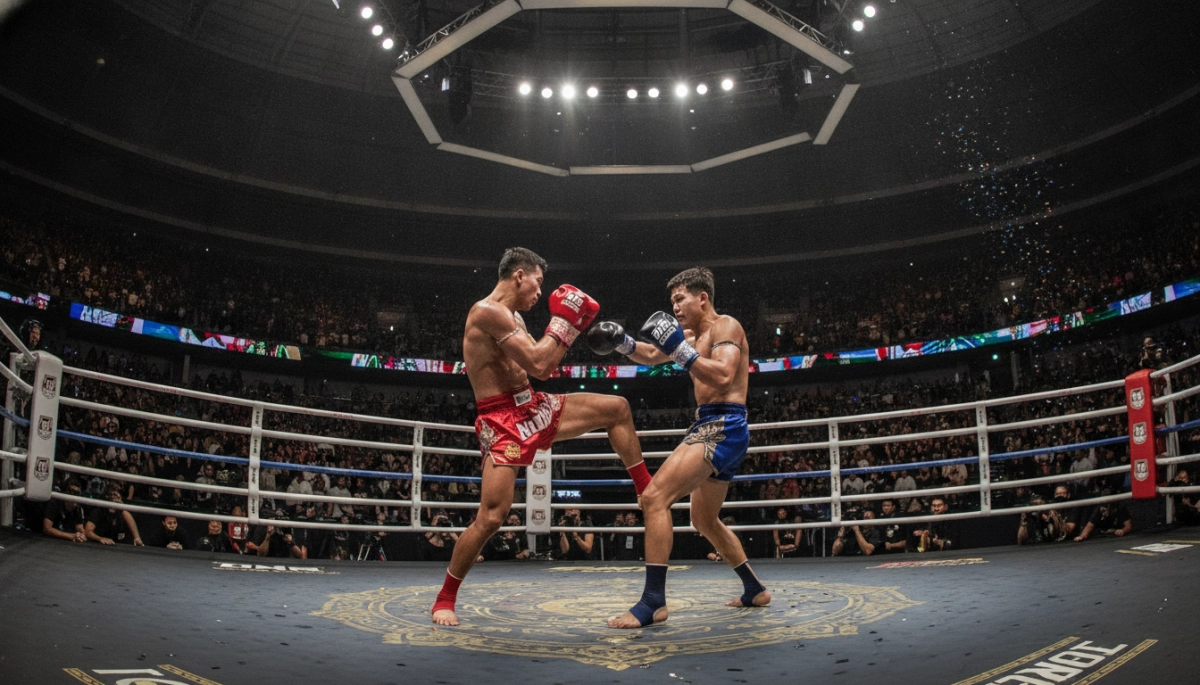
Why Nong-O vs Rodtang captures the attention of ONE Championship fans
You can think of this matchup as a study in contrasts that also reflects the evolution of Muay Thai inside a global promotion. ONE Championship has blended traditional stadium Muay Thai with modern mixed-rules presentation, and when two elite Thai fighters like Nong-O and Rodtang meet inside the ONE circle, you get both cultural resonance and high-stakes sport. From a fan or analyst perspective, their encounters illuminate how technique, temperament, and promotional context interact.
When you follow this rivalry, pay attention to three practical takeaways: the stylistic matchup (precision vs. pressure), the promotional buildup (how ONE frames title stakes and rematches), and the crowd/atmosphere influence (how venue and rules can swing momentum). Those elements repeatedly shape their meetings and the narrative that surrounds each event.
Contrasting backgrounds and what each fighter brings to a fight
To understand why their bouts are compelling, you should first recognize what each athlete represents in Muay Thai culture and competition.
- Nong-O — the technical veteran: You’ll notice he brings a measured, textbook Muay Thai approach. He emphasizes timing, balance, and a wide technical range of kicks, elbows, and counters. As a seasoned competitor, Nong-O’s experience in high-pressure title fights often shows in his ability to control pace and manage distance.
- Rodtang — the pressure specialist: When you watch Rodtang, what stands out is relentless forward motion, aggressive punching in combination with classic Muay Thai clinch work, and a high-paced output. He’s built a reputation for durability and grit that forces opponents to respond rather than dictate.
Those differences make tactical adjustments central to each encounter. You should expect Nong-O to try to create space, pick shots, and rely on timing; Rodtang will typically attempt to close distance, cut angles, and engage in sustained high-volume attacks. The clash of these game plans creates dynamic rounds and memorable highlight moments.
Early ONE Championship context and build-up that shaped their meetings
Before their headline moments, both fighters built substantial ONE Championship résumés that set expectations. You’ll often see the promotion craft narratives around lineage (stadium titles and Muay Thai tradition) and momentum (recent wins, highlight finishes). The result is that each fight carries implications beyond the single contest: rankings movement, legacy considerations, and fan debate.
- Promotional storytelling: ONE frames these fights as generational clashes—experience vs. youthful aggression—so you should watch the pre-fight promos and interviews for clues about strategy and mental approach.
- Rule sets and weight considerations: Small changes to rounds or glove size can favor one style over another, and you’ll notice teams factor that into their preparations.
With that foundation, you’re ready to look specifically at the fight-by-fight chronology, key exchanges, and decisive moments that defined Nong-O vs Rodtang inside ONE Championship—details that follow in the next section.
Fight-by-fight chronology inside ONE Championship
Looking strictly at how the meetings unfolded inside ONE, it helps to think of the series as a sequence of tactical storylines rather than isolated results. Their first clash established the template: Nong-O aiming to impose rhythm and precision, Rodtang trying to overwhelm with pace and aggression. Subsequent encounters built on that dynamic, with each fighter and their teams making targeted adjustments.
Broadly, the chronology shows three phases you’ll repeatedly see in their history:
- Initial feeling-out and pattern establishment: Early rounds typically feature both men probing—Nong-O testing distance with teeps and kicks, Rodtang probing for openings with feints and bursts. The first exchanges often determine whether the fight becomes a chess match or a brawl.
- Mid-fight adaptations: By rounds two and three you’ll notice concrete tactical shifts. Nong-O will increase use of counter elbows and low kicks to sap forward momentum; Rodtang will change entry angles, up his punching output, and hunt the clinch when straightforward pressure isn’t working.
- Late-round urgency: The final frames tend to be decisive—either a measured finish attempt from a fighter sensing an edge or a flurry from Rodtang trying to steal rounds. These moments produce the highlights that stick in fan memory.
Pivotal exchanges and the moments that defined each meeting
When you break down the tape, certain types of exchanges consistently swing momentum in their fights. Pay attention to these patterns because they repeatedly determine rounds and create highlight reels.
- The teep-to-counter sequence: Nong-O’s teep (push kick) is more than a point-scoring tool—it creates space for timing counters. When he lands a sharp teep followed by an immediate switch-kick or elbow, you can see Rodtang temporarily lose the forward rhythm that defines his offense.
- Clinches that morph into elbows: Rodtang’s clinch entries often force close-quarters scrambles. When Nong-O turns those scrambles into short-range elbows or knees, the exchange flips from a raw power contest to a technical battle where clean strikes matter more.
- Volume bursts vs. precision counters: A recurring highlight is Rodtang’s sudden 10–20 strike burst—if it connects cleanly, it swings the round. But if Nong-O times a counter elbow or a low-kick accumulation during that burst, the momentum collapses and the round score shifts back.
How rules, scoring emphasis, and officiating affected fight flow
Beyond the two fighters, you should note how ONE’s rules and officiating shaped each meeting. Differences in scoring emphasis—damage and knockdowns versus activity and ring generalship—altered how each round was fought and judged. Smaller gloves or three-minute rounds, for example, reward different risk profiles than longer, more traditional stadium rules.
Refereeing style also mattered: strict breaking of the clinch reduces Rodtang’s ability to grind opponents down, while lenient clinch time can open opportunities for inside elbows and knees from both men. Corner adjustments between rounds—emphasizing either damage or point-scoring techniques—regularly changed the tactical narrative, making each rematch feel like a new chapter rather than a replay.
Looking ahead: the next chapters of a classic rivalry
The Nong-O vs Rodtang series is far from a closed book. What makes it enduring is less the final scores and more the evolution that each bout forces in style, training, and promotion. Expect future meetings to be defined by smaller adjustments — a change in entry timing, a tweak to clinch strategy, or a corner finding a new way to neutralize a strength — rather than wholesale reinventions. Those marginal gains are where future highlights and turning points will come from.
What to watch next
- Adaptive strategies: watch which team finds the subtler tactical edge — timing, footwork, or selective aggression.
- Rule and matchup variables: glove size, round length, and officiating emphasis can tilt the balance; they’ll remain an important part of the narrative.
- Legacy and influence: younger fighters learn from these bouts, so expect Nong-O vs Rodtang to continue shaping how a generation approaches Muay Thai in global promotions.
For schedules, official announcements, and fight replays, check the promotion’s site: ONE Championship official site. Whether you follow for technique, drama, or the cultural weight of stadium Muay Thai, this rivalry will keep offering moments worth studying and watching live.
Recommended Posts