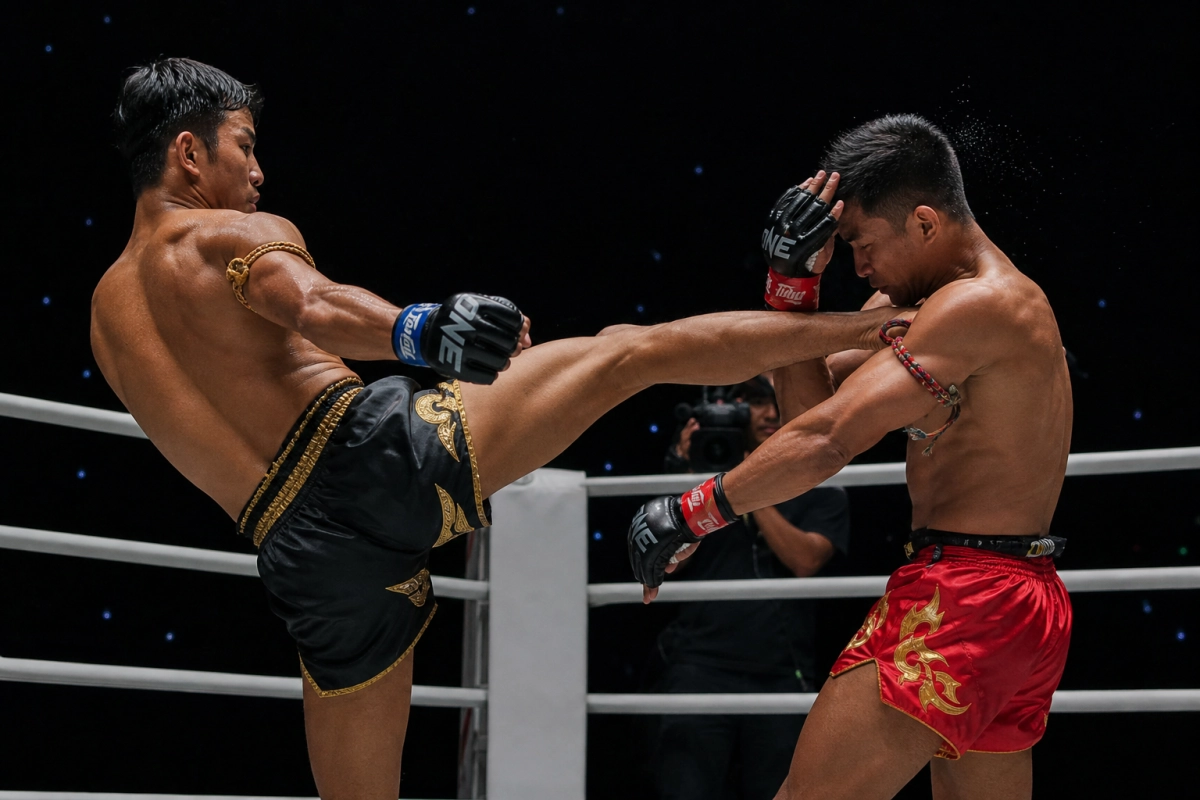
How ONE Championship highlights the evolution of Muay Thai and why it matters to you
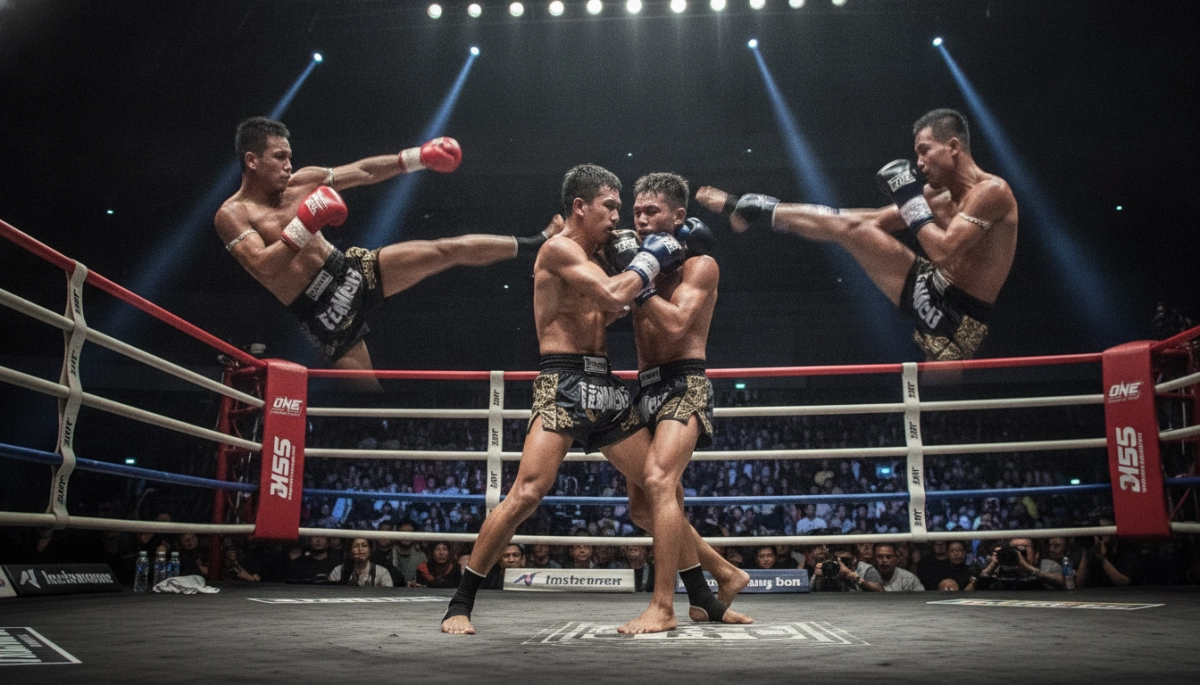
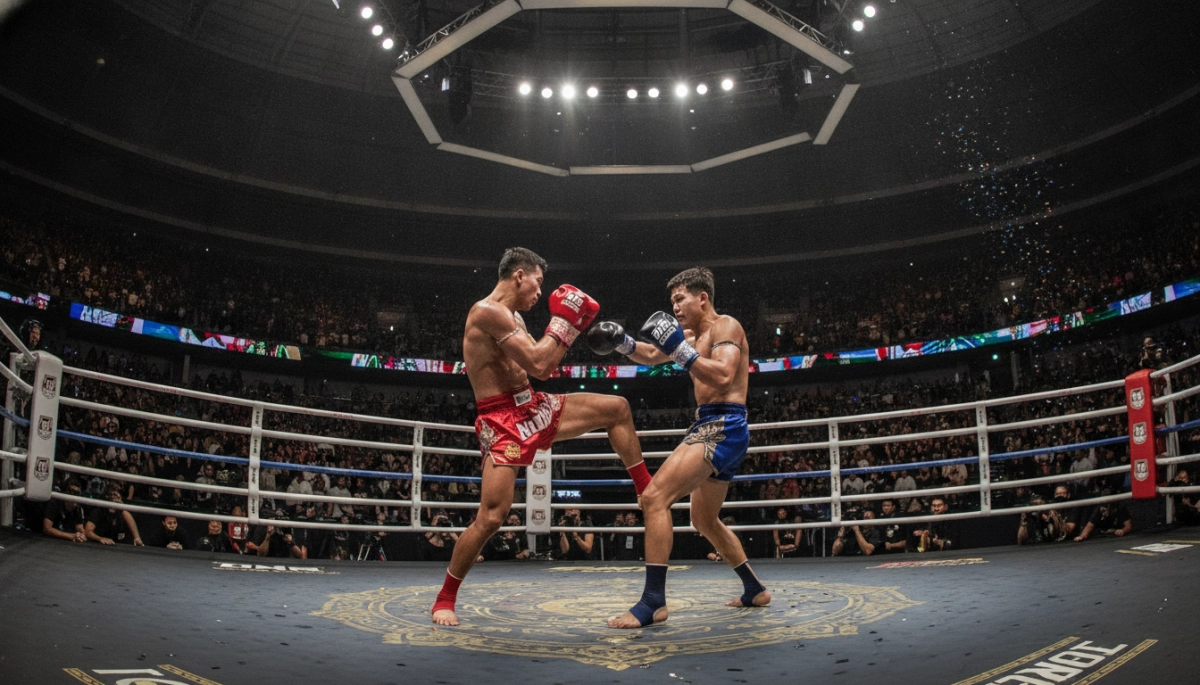
When you watch Muay Thai inside ONE Championship, you’re seeing a high-stakes laboratory for modern striking. ONE blends traditional Thai technique with international rulesets, fast pacing, and global matchups that expose subtle advantages in timing, conditioning, and strategy. If you’re learning Muay Thai, analyzing fights in ONE helps you identify which techniques remain timeless and which are evolving under pressure from diverse opponents.
What to pay attention to as you study fights
- Range management: how fighters close distance and control space with feints and step-ins.
- Clinch efficiency: quick transitions between strikes and sweeps instead of prolonged stalling.
- Cardio and recovery: how pacing affects technique execution late in rounds.
- Adaptation: how opposing styles force adjustments mid-fight.
Analyzing Nong-O and Rodtang: styles, strengths, and what you can emulate
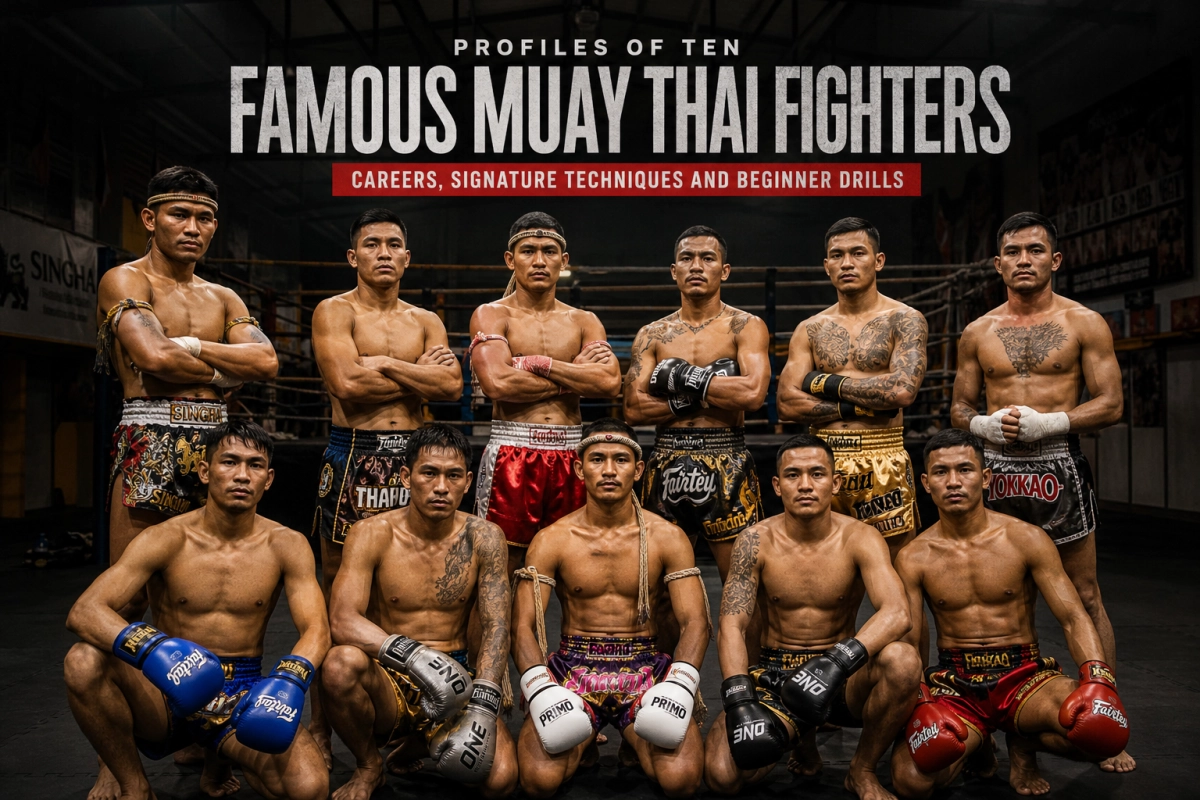
Nong-O Gaiyanghadao and Rodtang Jitmuangnon are flagship Muay Thai athletes in ONE, but they represent different pathways to dominance. You can learn distinct lessons by comparing their approaches.
Nong-O: technical precision and ring IQ
Nong-O is renowned for his timing, clean counters, and textbook technique. When you study his fights, notice how he:
- uses distance and footwork to create angles for powerful counters;
- neutralizes aggression with well-timed checks, teeps (front kicks), and low kicks;
- conserves energy by striking with intent rather than volume, making each strike count.
Practically, you can emulate Nong-O by drilling counter-timing with a partner and focusing on single, decisive strikes rather than flurries.
Rodtang: pressure, durability, and relentless tempo
Rodtang’s brand of Muay Thai emphasizes forward pressure, iron chin, and high-volume output. Key takeaways for your training include:
- conditioning for sustained pressure — short explosive rounds followed by brief recovery;
- combination chaining — linking punches to elbows and kicks to keep opponents off balance;
- mental toughness — staying aggressive while maintaining basic defense and posture.
To train like Rodtang, incorporate circuit conditioning, heavy-bag rounds focused on constant forward movement, and drilling striking sequences that end with a clinch or low kick.
Core Muay Thai techniques visible in ONE fights that you should master
Across bouts, certain techniques recur because they reliably score and hurt opponents. As you study ONE Championship fights, prioritize these essentials:
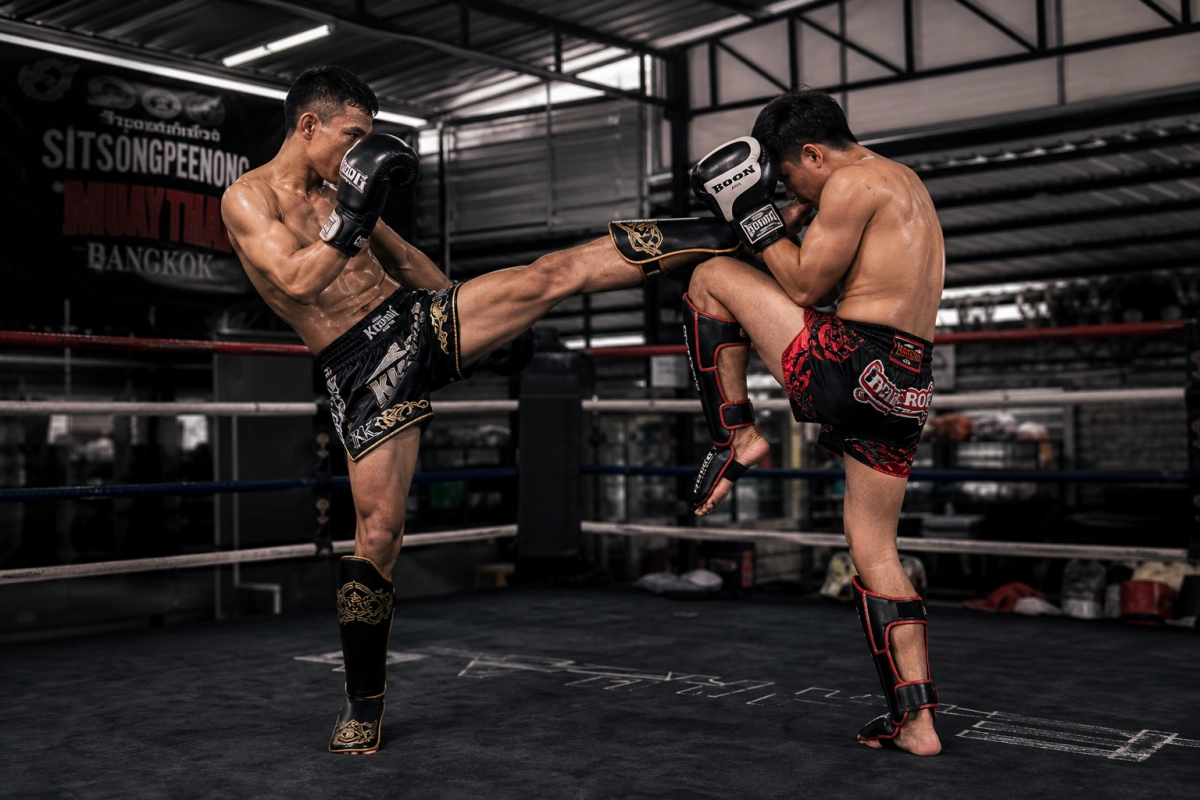
- Teep (push kick) for distance and rhythm control.
- Low kick mechanics — set-up, angle, and recovery to limit counters.
- Elbow entries — short-range tools that break guard and score damage.
- Clinch strikes and off-balancing — quick knees and sweeps, not just prolonged holding.
Drill these skills with controlled repetitions, then test them under increasing pressure in sparring so your timing adapts to live opponents.
Next, you’ll break down signature combinations from Nong-O and Rodtang and follow with practical drills to build those exact skills into your training routine.
Nong-O’s signature combinations: anatomy and training progression
Nong-O’s offense is built on surgical timing and single-shot effectiveness. Break his approach into three clean phases you can train: set-up, counter, and finish. A reproducible example to drill is: teep to the body (set-up) → slip outside + rear cross (counter) → low kick to the lead thigh (finish).
- Set-up (teep to the body) — use the teep not just as an attack but to change rhythm and measure distance. Drills: 3 rounds of 3 minutes on pads where the pad-holder throws a light jab or step-in every 20–30 seconds and you reply with an immediate teep, then reset.
- Counter (slip + rear cross) — the key is timing the slip to use the opponent’s forward momentum. Drill this with a partner holding focus mitts: partner throws a single jab and follows with a mild advance; you slip outside the jab and deliver one compact cross. Run 4 rounds of 3 minutes, 6–8 reps per round.
- Finish (low kick) — the low kick comes as a damage and mobility tool; throw it immediately after the cross to capitalize while the opponent’s weight is forward. Combine cross → low kick repetitions on the heavy bag in 3 x 3-minute rounds, focusing on snap and quick recovery.
Progression: start slow and technical (shadowboxing the sequence), move to pads with controlled power, then to live partner drills with increasing timing pressure. Emphasize clean footwork transitions—Nong-O often retreats one step after the low kick to avoid counters. Practice that exit repeatedly so it becomes automatic.
Rodtang’s go-to sequences and the conditioning to execute them
Rodtang favors chained offense and forward pressure: short punches to close, elbow or hook to the head, then a clinch knee or low kick to keep the opponent off balance. A practical sequence to train is: jab-cross → lead hook → switch knee (or clinch) → low kick off the exit.
- Chain drilling — on the pads, do 5-minute rounds where each minute you increase output: minute 1 at 60% intensity (technique), minute 2 at 75%, minute 3 at 90%, minute 4 and 5 at near-max. The pad holder forces forward movement so you practice pressing the action.
- Clinch bursts — Rodtang uses short, violent clinch exchanges. Drill 10 x 15–20 second clinch bursts focusing on quick knees and off-balancing sweeps, with 40–45 seconds rest between. Keep the clinch dynamic—enter, attack, and disengage quickly.
- Conditioning protocol — to sustain his tempo, include HIIT circuits: 6 rounds of 3 minutes (45s all-out bag work, 15s rest x 3 cycles), followed by sled pushes or hill sprints, and core stability sets. Aim to condition both anaerobic power and rapid recovery.
Practical partner and solo drills to ingrain these habits
Translate combinations into reaction habits with a mix of solo and partner work:
- Mirror-and-React (partner) — partner randomly throws jab, teep, or step-in. Your task is to use the appropriate counter sequence (Nong-O pattern or Rodtang pattern) within one second of their action. Do 6 rounds of 2 minutes, focusing on decision-making rather than power.
- Interval pad rounds (coach-led) — alternate rounds dedicated to Nong-O style (precision counters, low volume, high accuracy) and Rodtang style (30–45 second pressure bursts). This toggling trains your nervous system to shift tempos smoothly.
- Solo timing drills — shadowbox with a metronome: odd beats practice teep + retreat, even beats hammer forward combinations. End sessions with 5 x 3-minute heavy-bag rounds where round intent (counter vs. pressure) is predetermined.
Keep progress measurable: record rounds focused on accuracy and rounds focused on output. Gradually fold these drills into light sparring—first with technical constraints, then full speed—so the habits you build transfer to live fights.
Putting the lessons into practice
Training is a long game: consistent, purposeful work compounded over months delivers the shifts you want. Use what you’ve learned here to shape short training cycles, seek feedback, and measure small wins. Prioritize safety, recovery, and clear objectives so each session moves you toward a specific skill or fitness goal.
Action checklist
- Set a 4–8 week focus (e.g., timing, pressure, or clinch transitions) and choose 2–3 drills from your sessions to repeat weekly.
- Record sparring and pad rounds at least once every two weeks; review for technical gaps and decision-making patterns.
- Build conditioning around your chosen style: short explosive intervals for pressure fighters, and precision drills with recovery for technical counter-strikers.
- Seek regular coach feedback and keep a simple log of progress (notes on timing, accuracy, and endurance).
- Respect rest and injury prevention—mobility, soft-tissue work, and light recovery sessions are part of training, not optional extras.
When you want reference fights or study material, the official ONE Championship site is a good starting point for event footage and fighter profiles: ONE Championship. Watch actively—pause, note patterns, and turn observations into drills.
Keep the process deliberate and curious. Progress comes from focused repetition, honest review, and the willingness to adjust. Train smart, stay consistent, and enjoy the journey.
Recommended Posts