
Why Nong-O and Rodtang’s striking methods are worth emulating
You watch Nong-O and Rodtang and notice precision, relentless pressure, and micro-adjustments that turn small openings into fight-ending strikes. Those qualities come from repeating high-level drills designed to refine timing, angle changes, and the seamless linkage of punches, teeps, elbows and knees. As a practitioner looking to bridge the gap between basic technique and elite-level application, you need drills that force you to solve realistic problems: managing distance under pressure, disguising set-ups, and delivering strikes while recovering for the next attack.
Core training principles that shape their drill selection
- Specificity: Train the exact sequences and rhythms you use in sparring, not just isolated techniques.
- Progressive overload: Increase complexity gradually—speed, resistance, then live timing—so you internalize outcomes under stress.
- Combination fluency: Link ranges (punches to clinch, kicks to knees) so transitions become automatic.
- Tempo manipulation: Practice speeding up and slowing down the same sequence to create unpredictability.
- Immediate recovery: Emphasize return to guard, angle, and reset after each strike to maintain pressure and defense.
Three high-impact drills to begin training like Nong-O and Rodtang
The drills below focus on timing, pressure, and feint-to-strike sequences. You can adapt each drill to solo work, pad sessions, or partner drills. Start slow to build correct movement, then add speed and resistance.
1. Staggered footwork to switch-kick and teep entry
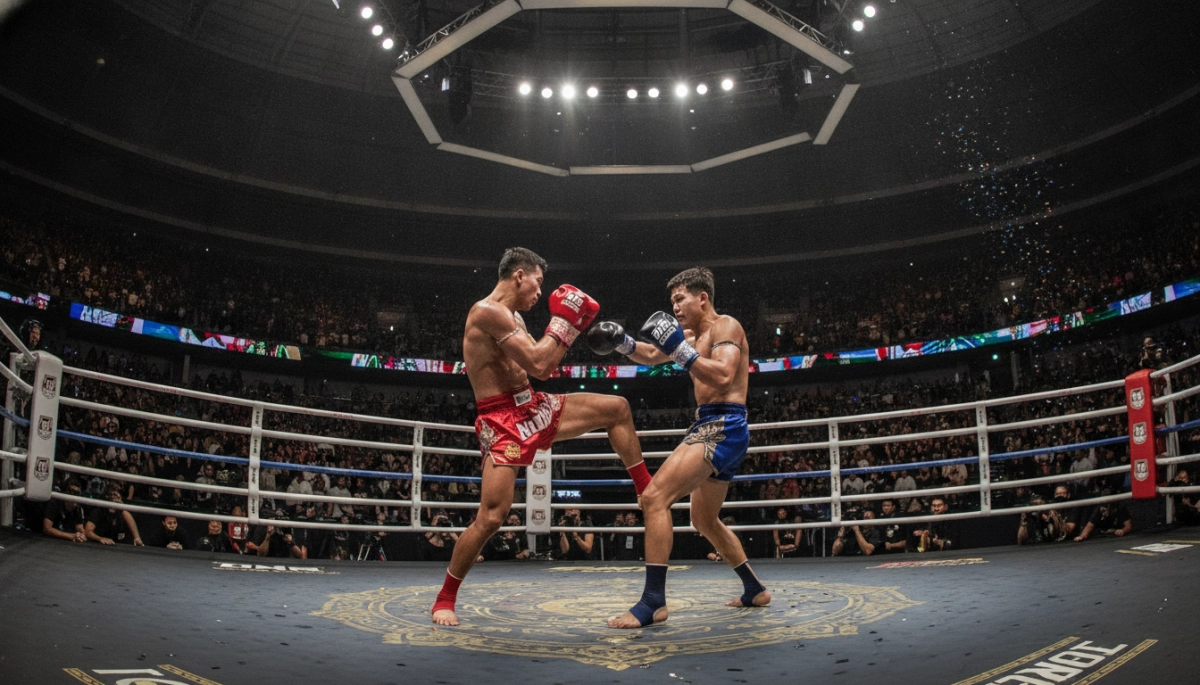
This drill teaches distance control and the quick switch between attack ranges—one of Rodtang’s trademarks.
- Start with a short shuffle forward, planting rear foot slightly outside the opponent’s lead foot.
- Use a sharp rear teep or switch-kick to the midline, immediately following with a jab or push-teep to test balance.
- Reset laterally on the exhale to a new angle; repeat 6–8 reps, then increase speed and add light opposition from a pad holder.
2. Short-range elbow-punch micro-combinations
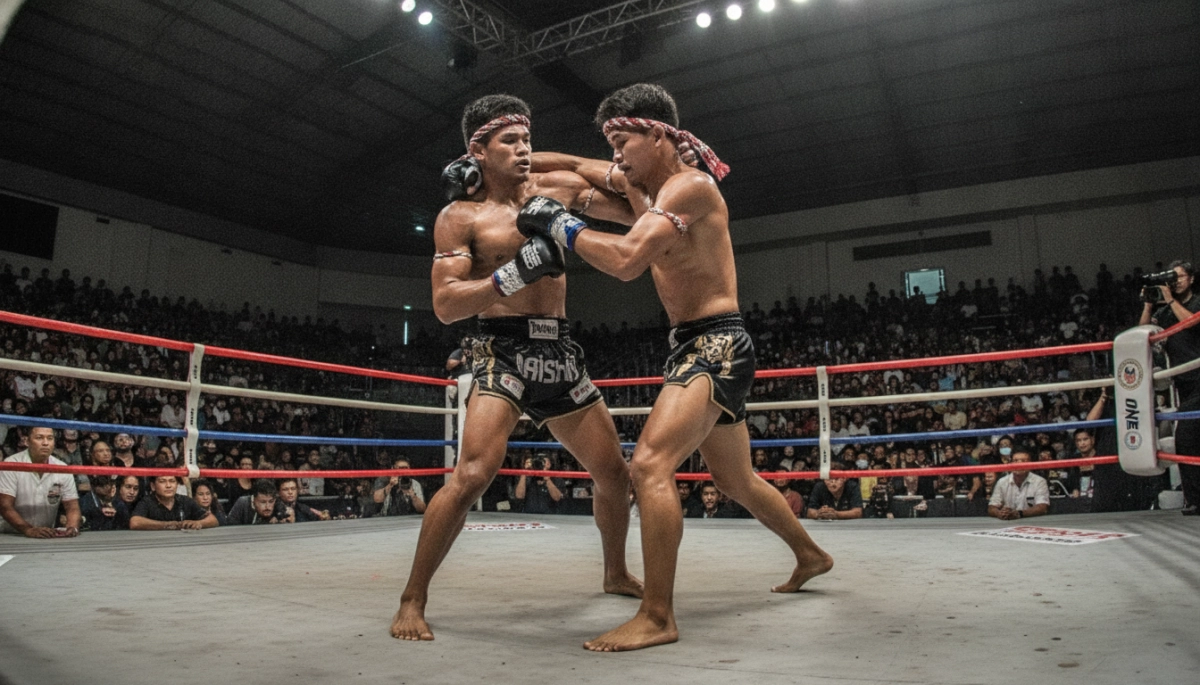
Nong-O’s accuracy at close ranges comes from short, repetitive patterns you can drill for reflexive output.
- On pads or partner shields, throw a quick one-two to create an opening, then immediately follow with a horizontal elbow.
- Focus on minimal telegraphing—use small hip rotation and compact chambering.
- Do 3 rounds of 60 seconds: slow technical 30s, fast power 30s, increasing contact intensity each round.
These drills introduce the movement language and sensory feedback elite fighters rely on; the next section will break each drill into step-by-step progressions, partner variations, and the most common mistakes to correct as you ramp up intensity.
Drill progressions and partner variations
Below are practical step-by-step progressions to take each drill from technical rehearsal to live application, plus partner variations that replicate the sensory input Nong-O and Rodtang train against.
1 — Staggered footwork to switch-kick and teep entry
- Step 1 (Solo tempo): Slow-motion shuffles focusing on the rear foot planting outside the opponent’s lead. Execute 8 controlled repetitions per side, emphasizing balance on the front foot for the switch-kick push-off.
- Step 2 (Bag/pad): Add a heavy bag or pad—do switch-kick to midline then immediate jab/push-teep. Make the switch crisp; pause 2 seconds to re-establish the angle.
- Step 3 (Light resistance): Partner holds pads and provides mild lateral pressure to simulate weight shift; practitioner must maintain balance and redirect the partner’s footwork with the teep.
- Step 4 (Live timing): Short controlled sparring rounds where the attacker initiates the shuffle-to-switch sequence only after baiting with eyes/shoulder feint. Track success rate of landing the first teep or creating off-balance reactions.
- Partner variations: Have the partner chop with a quick step-in (to simulate counters), or mirror footwork and try to regain center—this forces the attacker to use micro-adjustments and follow-up strikes.
2 — Short-range elbow-punch micro-combinations
- Step 1 (Pad tempo): Slow 1–2 + horizontal elbow with emphasis on compact rotation and retraction. Do 3 sets of 30 seconds technical, 30 seconds at higher speed.
- Step 2 (Clinch): Start from a light clinch. Break the clinch briefly with a short punch combo then immediately reestablish clinch for an elbow or knee. This conditions transitional timing.
- Step 3 (Resistance partner): Partner gives a brief guard and then relaxes—trainer must exploit the split-second opening. Progress to partner offering a small blocking pad to absorb elbow impact safely.
- Partner variations: Partner applies different head positions (tilted, chin down, chin up) to force nuanced elbow angles and timing adjustments.
3 — Feint-to-strike tempo manipulation
- Step 1 (Solo shadow): Practice a single feint (shoulder or step) followed by either a teep or cross, varying the delay: immediate, 0.5s, 1s. Develop internal timing recognition.
- Step 2 (Pad drill): Partner reacts to feints—first with a committed counter, then with a delayed response. Attacker learns to punish both reaction types.
- Step 3 (Live controlled): In sparring rounds, limit yourself to using only feint-to-strike sequences for two-minute intervals to ingrain patience and timing.
Common mistakes, corrective cues, and conditioning integrations
As intensity rises, three predictable errors show up: over-committing, telegraphing, and poor recovery. Below are concise cues and targeted drills to fix each, plus conditioning work that supports these skills.
- Over-committing: Cue—“plant, probe, reset.” Drill—partner pad holder gives a light counter when you overreach; reward precise, short-range output. Conditioning—short shuttle sprints (5–10 m) between rounds to reinforce quick recoil and posture.
- Telegraphing: Cue—“economy of movement.” Drill—shadow with a mirror or video; mark any extra shoulder/hip motion. Corrective—slow-motion repetitions with exaggerated freeze at the finishing position to feel compactness. Conditioning—core anti-rotation work (Pallof presses) to keep strikes driven from the hips, not the shoulders.
- Poor recovery/guard gaps: Cue—“strike, frame, return.” Drill—after every strike, partner clips you lightly if your guard drops; repeat until automatic. Conditioning—grip/clinch endurance circuits (pull-ups, farmer carries, neck bridges) to maintain clinch control and immediate post-strike positioning.
Integrate these corrections into pad sessions: one technical round, one resistance round, one conditioning circuit. That progression mirrors Nong-O and Rodtang’s approach—train the skill, test it under stress, then build the physical systems that let it persist late into fights.
Putting the drills into long‑term practice
These drills are tools—use them deliberately, not obsessively. Prioritize consistency, small measurable improvements, and honest feedback from a coach or training partner. Rotate the drills through your weekly schedule so each session has a clear focus: skill, resistance, or conditioning. Protect your body with proper recovery and scale intensity when integrating live timing.
Practical next steps
- Record one technical round per week and review for telegraphing and recovery errors.
- Cycle drills: 2 technical sessions, 1 resistance/pad session, 1 controlled sparring session, and 1 conditioning day focused on explosive and clinch endurance.
- Seek regular coach feedback and progressively increase unpredictability—vary tempo, angles, and entry points.
- Prioritize safety: use pads and controlled partners for high‑impact sequences, and build neck/shoulder resilience gradually.
For further background and context on the sport these drills serve, see Muay Thai. Train smart, iterate often, and let small, consistent improvements compound into the kind of timing and pressure Nong‑O and Rodtang make look effortless.
Recommended Posts