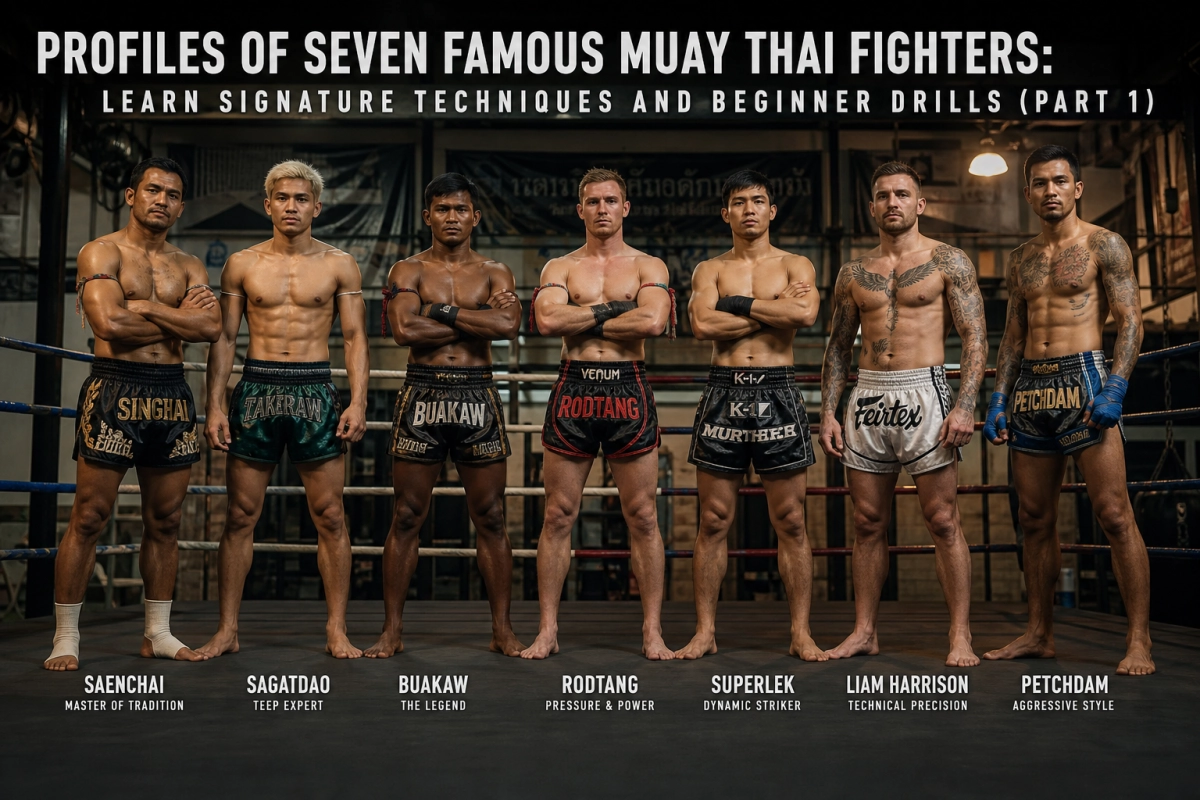
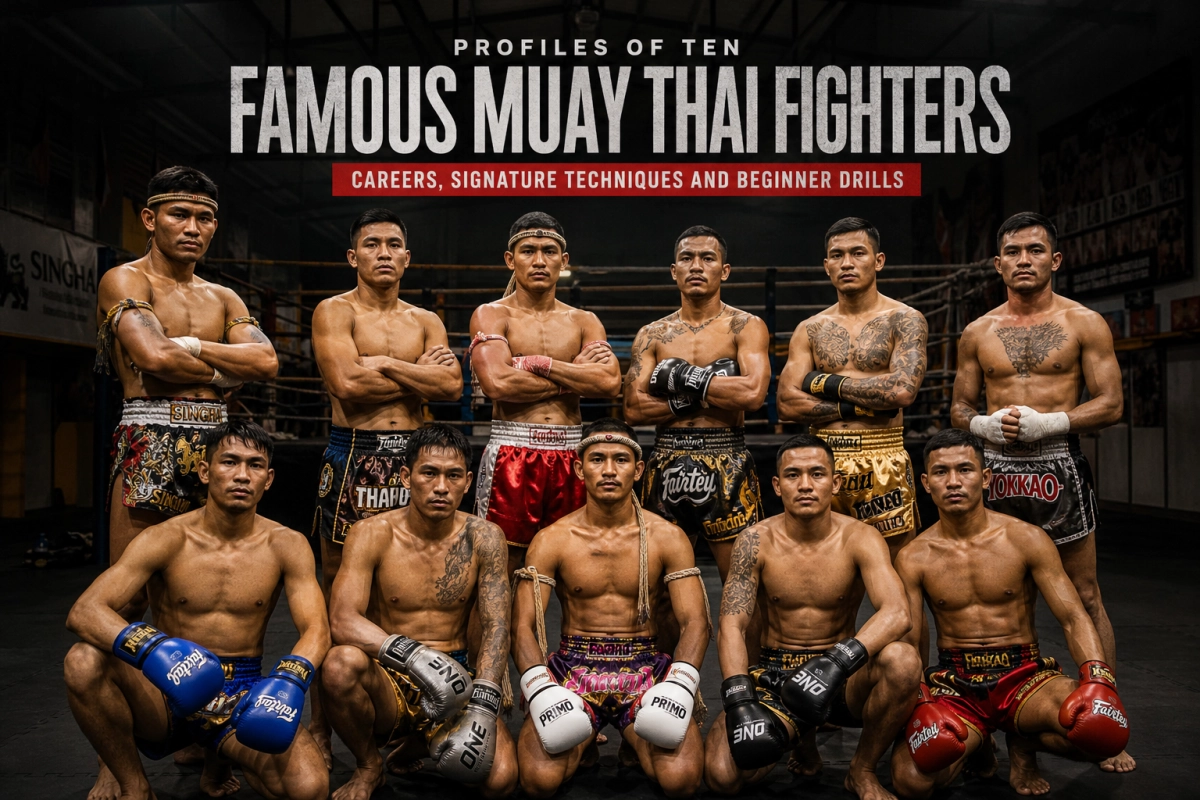
Profiles of Ten Famous Muay Thai Fighters: Careers, Signature Techniques and Beginner Drills
Why studying famous Muay Thai fighters helps beginners progress
Studying famous Muay Thai fighters gives beginners concrete examples of how techniques, strategy, and cultural tradition come together in practice. Profiles show career paths, common training progressions, and how particular techniques—like the teep (push kick), roundhouse, clinch, and elbow strikes—fit into a fighter’s overall approach.
Readers will learn to separate stylistic features tied to a fighter’s era, camp, or weight class from basic training principles that are safe and effective for novices. This context helps students choose drills and coaching cues that match their gym’s philosophy and their own goals.
How the profiles are structured for practical learning
Each fighter profile in this series includes: a brief career overview, key signature techniques with technical breakdowns, the historical or cultural influence on their style, and at least one beginner-friendly drill plus safety notes. Emphasis is placed on gradual progression, correct form, and professional coaching.
- Career snapshot: titles, era, and stylistic hallmarks.
- Signature technique breakdown: purpose, stance, step-by-step execution.
- Training drills for beginners: pad work, shadowboxing, partner drills.
- Safety and progression: conditioning limits, supervision, and recovery.
Core techniques and cultural context to watch in fighter profiles
Muay Thai is called the art of eight limbs because it uses punches, kicks, knees, and elbows along with clinch work. Understanding a few core techniques commonly highlighted in fighter profiles helps beginners recognize what to practice and why.
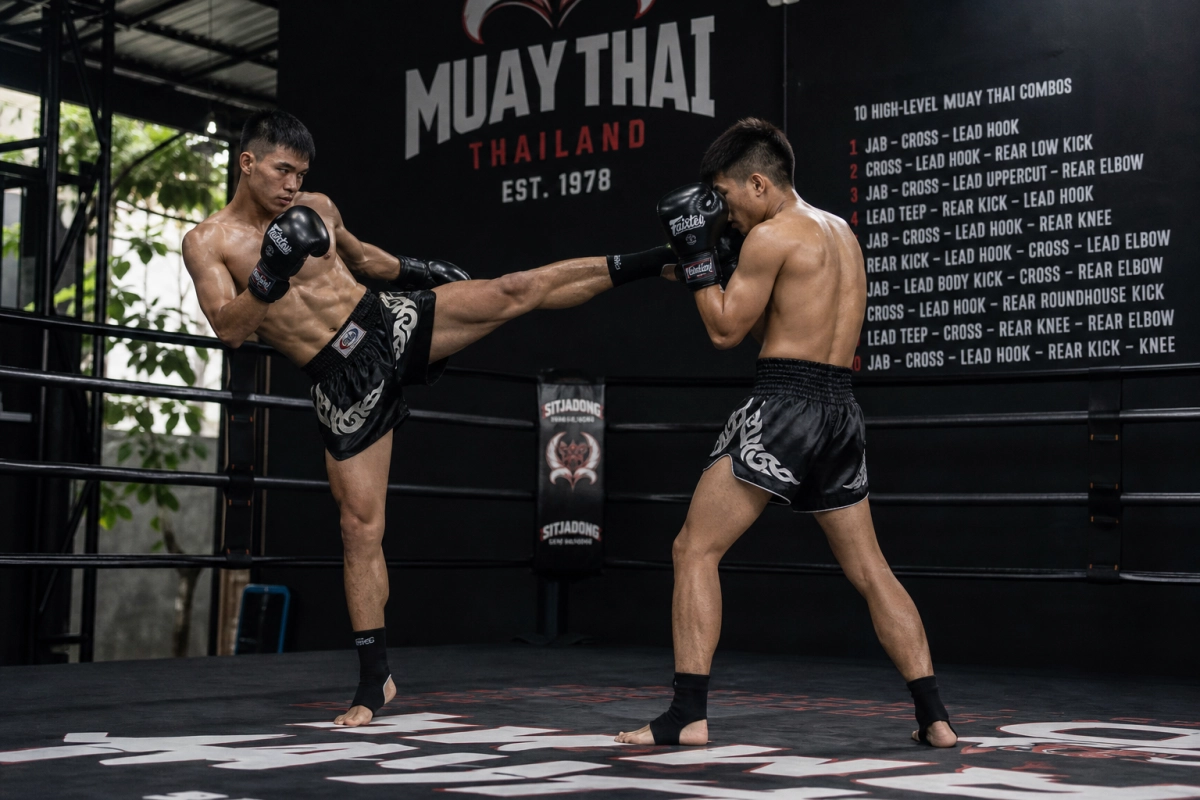
Teep (push kick)
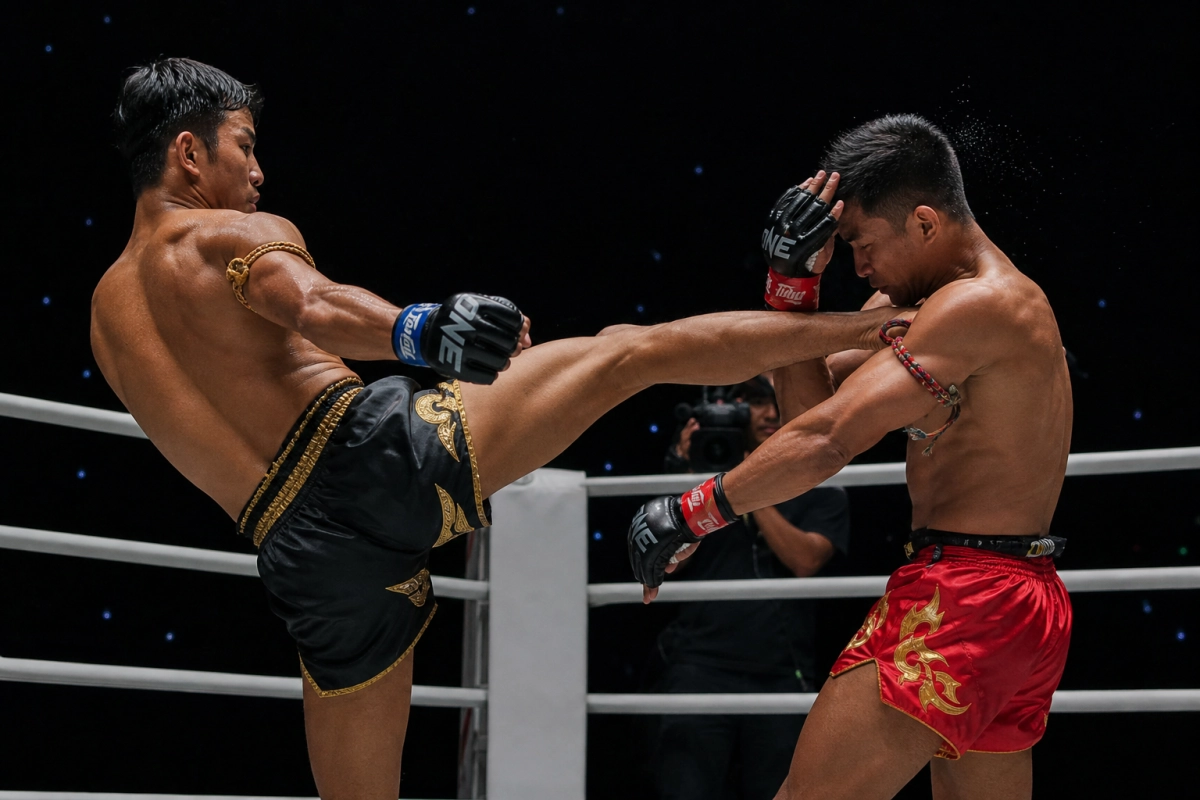
Purpose: The teep creates distance, disrupts rhythm, and scores points. It’s often used as a set-up or defensive tool rather than a knockout weapon.
- Stance: Hands up in a Muay Thai guard, weight slightly on the rear leg.
- Execution: Chamber the lead leg, extend the foot forward with a slight hip rotation, push through the ball of the foot.
- Common mistakes: Kicking with the toes, dropping the hands, overextending and losing balance.
- Beginner drill: Teep to a stationary pad—10 reps per side at moderate intensity focusing on control.
- Safety: Wear shin guards when pads are hard; progress gradually under coach supervision.
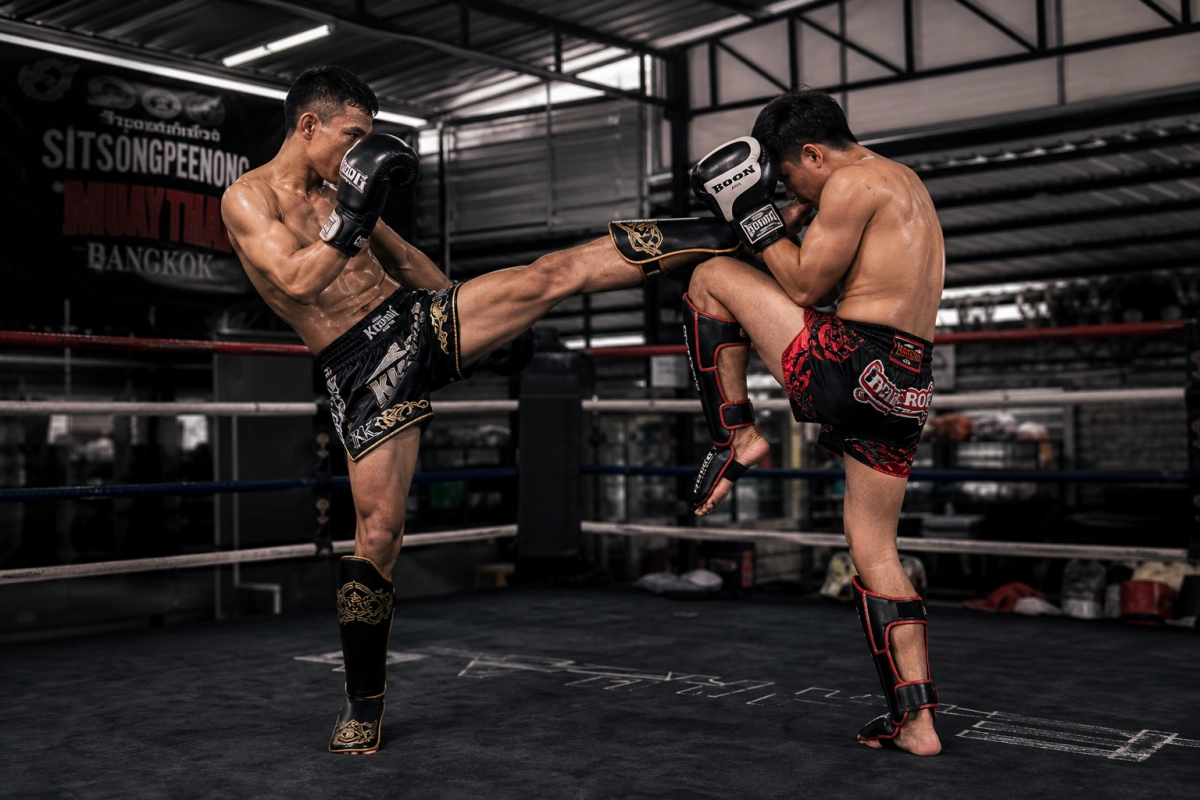
Roundhouse kick (chiang)
Purpose: A primary scoring and damaging kick targeting the thigh, body, or head depending on range and intent. Thai roundhouses use the shin as the striking surface.
- Stance: Balanced base, eyes on the target, rear hip loaded slightly for power.
- Execution: Pivot the support foot, rotate hips, strike with the lower shin while keeping guard high.
- Common mistakes: Kicking flat-footed, not pivoting the support foot, swinging the arm and losing guard.
- Beginner drill: Controlled repetitions on heavy bag or Thai pads—6–8 kicks per side, focusing on pivot and shin alignment.
- Safety: Start light; avoid hard shin conditioning without experienced guidance; rest and ice if soreness persists.
The next part begins the first fighter profile, detailing a career overview and a step-by-step breakdown of that fighter’s most recognizable technique with targeted drills for beginners.
Saenchai Sor Kingstar — master of movement and deceptive striking
Career snapshot: Saenchai, active from the late 1990s into the 2010s, is celebrated for his longevity, ring IQ, and entertaining, unpredictable style. A multiple-weight stadium champion, Saenchai’s hallmark is mobility, timing, and a large arsenal of unorthodox attacks—switch kicks, cartwheel-style maneuvers, and precise feints—often employed to unsettle opponents rather than simply overpower them.
Signature technique: the effortless switch-kick and deceptive feinting
- Purpose: The switch-kick (a fast change of stance to deliver a rear-leg kick from the lead side) provides sudden angle change and speed, useful for scoring and creating openings. Saenchai layers feints and head movement to make these kicks land cleanly.
- Stance and setup: Light, on the balls of the feet with active hands; rhythm is intentionally variable so your opponent cannot time you.
- Execution, step-by-step:
- Begin in orthodox or southpaw guard, bounce slightly to create rhythm.
- Execute a quick “switch”—push off the rear foot so the rear leg becomes the lead leg; this happens in one fast motion.
- Immediately snap the new rear leg out in a mid-to-high kick (shin or instep), rotating the hips and turning the toes away.
- Recover quickly back to guard or flow into a follow-up—teep, elbow, or clinch attempt.
- Common mistakes: telegraphing the switch by looking down, committing too slowly, dropping the hands after the kick.
- Beginner drills:
- Shadow-switch drill: 3 rounds of 2 minutes practicing the switch without full power—focus on weight transfer and speed, not height.
- Pad progression: slow switch-kick to Thai pads (6–8 reps per side), increasing speed as balance improves.
- Feint-and-kick partner drill: light partner who reacts to feint; practice pulling a feint and immediately switching for one controlled kick (5–6 reps each).
- Safety and progression: keep kicks light until balance and hip mobility are solid. Work with a coach to avoid rotational knee stress; stop if you feel sharp joint pain. Saenchai’s playful techniques rely on timing more than force—beginners should prioritize control over flashiness.
Buakaw Banchamek — relentless power and devastating low kicks
Career snapshot: Buakaw rose to international prominence in the 2000s, bridging traditional Muay Thai and global kickboxing. Known for conditioning, powerful roundhouse kicks, and aggressive counters, Buakaw’s approach emphasizes continuous pressure and leg attacks to break opponents’ structure.
Signature technique: the disciplined low-roundhouse (thigh) and repeated calf/thigh assault
- Purpose: Targeting the opponent’s lead leg reduces mobility and sets up combinations; Buakaw often uses repeated low kicks to dominate the tempo.
- Stance and setup: Slightly crouched, weight ready to shift forward; eyes on the opponent’s hip and foot to time checks and counters.
- Execution, step-by-step:
- Load the rear hip and pivot the support foot so the shin comes across the target.
- Strike with the lower shin across the opponent’s outer thigh or calf, keeping the guard up.
- Immediately bring the kicking leg back and step to follow up with punches or another kick, maintaining forward pressure.
- Common mistakes: swinging too wide, leaning back (reduces power), and failing to check counters from the opponent.
- Beginner drills:
- Bag repetition: 4 rounds of 3 minutes focusing on controlled low kicks—6–10 kicks per side each round, emphasis on hip rotation and quick recovery.
- Check-and-return drill with partner: partner throws light leg checks; you practice throwing a low kick and immediately recovering to block returns (5–8 reps each).
- Combination drill: low kick into straight punch on pads—3–4 sets of 10 combos to learn follow-through.
- Safety and progression: condition shins progressively using bag work and proper shin placement; avoid heavy repeated low kicks without adequate conditioning and rest. Use shin guards in sparring and consult coaches before intensive conditioning to prevent stress injuries.
Recommended Posts