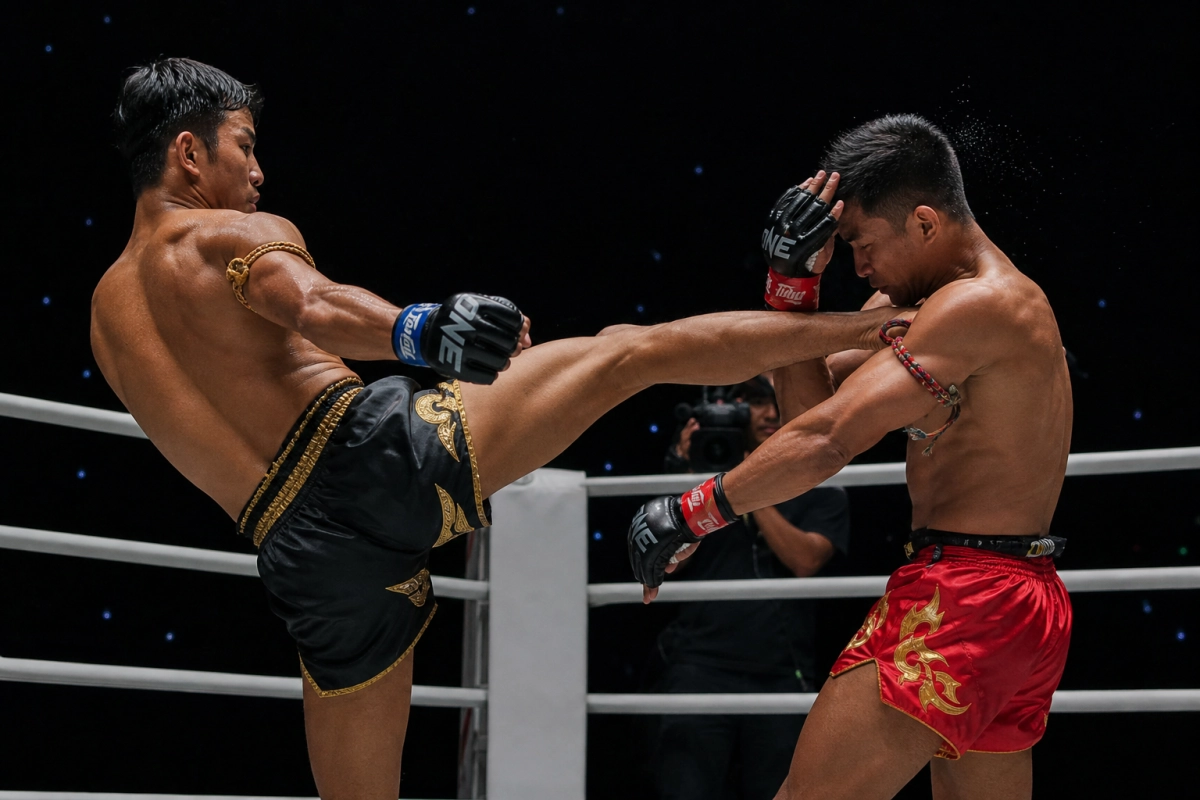
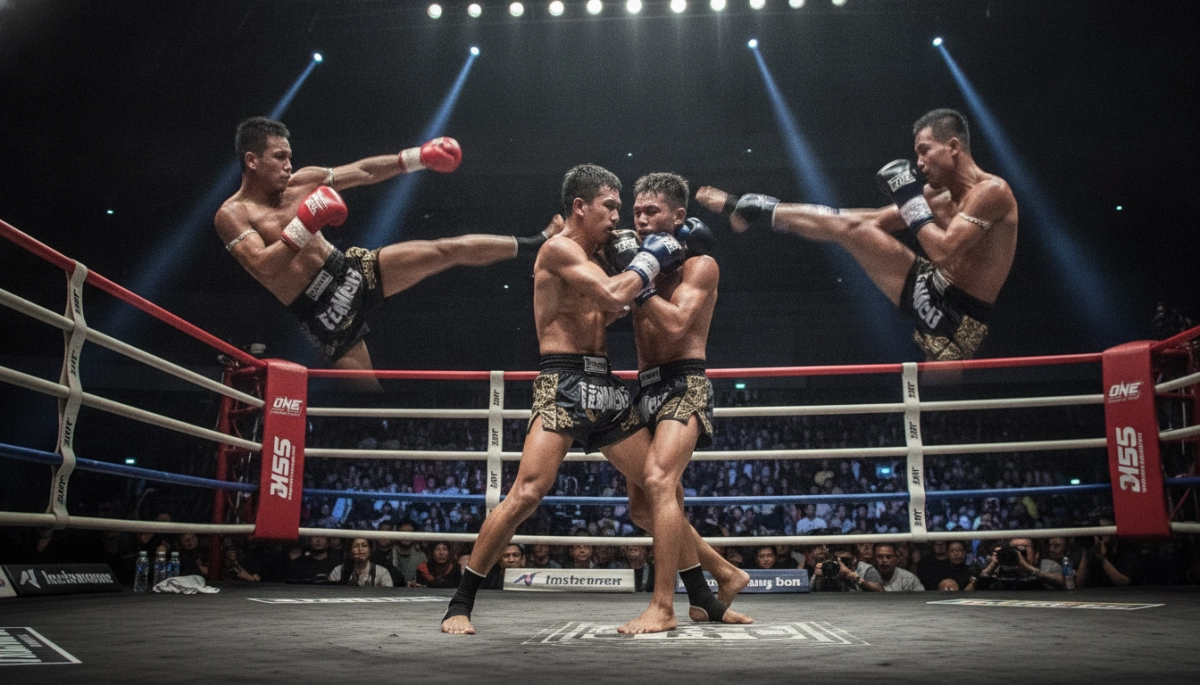
Why Nong-O’s Clinch Is a Game Changer for Your Fight Plan
You study Nong-O because his clinch isn’t just a hold—it’s an offensive system that wins rounds. When you watch his fights, you see more than raw strength: you observe timing, angle management, and continuous threat creation. Learning how he imposes his will in close range helps you recognize what to look for, replicate effective patterns in sparring, and design counters that disrupt the rhythm he builds.
What his clinch teaches you about control and momentum
- Control starts with balance: you notice Nong-O maintains a centered base, using foot placement to drive and absorb movement rather than relying on upper-body strength alone.
- Threat economy: each grip or frame carries an immediate threat—knee, elbow, or sweep—so the opponent must react, which opens the next attack.
- Pressure management: he alternates between crushing forward pressure and subtle re-positioning, preventing opponents from resetting their posture.
Core mechanics of Nong-O’s clinch dominance
To apply his methods, focus on a few mechanical principles you can practice every session. First, hand placement: Nong-O often secures a high, inside collar tie with the lead hand while the rear arm controls underhooks or the back of the head. This combination denies escape and creates leverage for knees and short elbows.
Second, hip and foot alignment: he steps with intention. Rather than a stationary anchor, he angles his lead foot to cut off the opponent’s escape path, then drives with the rear hip to generate knee power. You should drill stepping patterns that synchronize hips, feet, and upper-body pulls so strikes land in sequence rather than as isolated motions.
How he blends offense and defense inside the clinch
- Frame and counterbalance: Nong-O uses his forearms as frames to prevent being rolled or thrown, but he converts those frames into immediate attacks—especially short elbows—if the opponent overreaches.
- Micro-adjustments: small posture changes—raising his head, shifting weight—create new openings without a full reset. Practice micro-shifts to create angles for knees and to expose ribs and thighs for repeated strikes.
- Energy economy: he doesn’t muscle every exchange. Instead, he sets a rhythm of heavy strikes followed by pressure that forces reactions. Your sparring should include low-intensity clinch rounds focused on positional gains rather than brute force.
These foundational observations set the stage for deeper tactical breakdowns: in the next section, you’ll get targeted counters Nong-O uses, step-by-step sequences to mirror in training, and drills that build the timing behind his most effective strikes.
Nong-O’s Counter Patterns: How He Reads Motion and Converts It to Offense
Nong-O doesn’t wait for a clear opening—he engineers it by reading motion and turning defense into immediate offense. Instead of describing generic “timing,” break his counters into repeatable patterns you can train: reaction to pummeling, responses to framing, and exploitation of escape attempts.
- Pummel bait to knee: When an opponent aggressively pummels for underhooks, Nong-O allows a brief win—he gives space with a slight head pull or step and then snaps a rear-knee to the body as the opponent commits. Drill the small give-and-snap reaction so the knee lands during the opponent’s forward weight shift.
- Frame-to-elbow conversion: Opponents who frame against his collar tie open the elbow lane. Nong-O will present a forearm frame to stop an escape, then immediately peel the frame into a short horizontal or upward elbow. Practice peeled-frame strikes: frame, rotate torso, short elbow into the jaw or temple.
- Reset bait into sweep: When an opponent tries to force a clinch reset by pushing the head away, Nong-O times a lateral step and uses the opponent’s momentum to off-balance—then follows with a foot-sweep or hip-turn knee. Train the timing: push, step-rotate, off-balance, finish with sweep or knee.
- Low-line threats to create high-line openings: He repeatedly attacks the thigh and ribs with short knees to open the guard. The accumulation forces the opponent to drop the elbow, at which point Nong-O breaks posture and lands a short elbow or head control. Alternate low and high targets in drills to groove the switch.
Key cues to internalize: watch for the opponent’s committed weight shift, keep your head intruding slightly off-center to deny clean posture, and always move your hips with strikes so attacks land with leverage rather than just arm strength.
Step-by-Step Clinch Sequences and Drills to Build Nong-O’s Timing
Below are practical sequences and drills you can use in partner work or solo shadowing. Each drill has clear objectives, progressions, and simple metrics so you can measure improvement.
Sequence A — The Pummel-Knee Chain (Partner)
- Start in collar tie with a high inside lead hand; partner pummels for underhooks.
- Allow the partner to secure a shallow underhook; give a controlled step back with your lead foot to create a 20–30% opening.
- Snap a rear knee to the ribs as the partner shifts forward. Repeat five reps each side.
- Progression: increase resistance and aim for 70% power, then add a short elbow immediately after the knee to condition the follow-up.
Sequence B — Frame, Peel, Elbow (Partner)
- From clinch, present a forearm frame across the partner’s collar bone as they attempt to push your head away.
- Peel the frame by rotating your torso and pulling the arm down while stepping off-line.
- Finish with a horizontal short elbow to the temple. Do 6–8 reps each side with controlled contact.
Drill — Micro-Shift Shadow Rounds (Solo)
- Objective: train tiny weight shifts and head placement without losing balance.
- Perform 3 rounds of 90 seconds: mimic clinch entries, make 10 deliberate micro-shifts (head up, weight forward, quick hip drive) and visualize where the knee or elbow will land.
- Cue: keep feet active—no static clinch for more than 3 seconds.
Use rep counts and gradually increase partner resistance. Emphasize rhythm over power for the first 50–100 reps so the timing becomes automatic. These sequences capture how Nong-O builds opportunities: he manipulates balance, times reactions, and converts small openings into decisive strikes.
Training templates to build the habit
- Two weekly clinch-focused sessions: one technical (drills, micro-shifts, low-power repetitions), one live (light resistance rounds, controlled finishes).
- Daily solo work: 3×90s shadow-clinch rounds, emphasizing head position and hip drives—no heavy striking, just mechanics.
- Progression metric: track successful knee or elbow conversions per 3-minute clinch round; aim to increase the conversion rate by 10–20% every 4 weeks.
- Video review: film partner drills periodically to spot posture leaks and timing errors; correct one small habit per week rather than overhauling everything at once.
Putting Nong-O’s approach into motion
Adopt a long-term mindset: prioritize repetition of the small movements that make his clinch automatic, then layer timing and resistance. Choose training partners who will push realistic escapes and frames so your counters become reliable under pressure. Keep sessions measurable, review footage, and protect your neck and balance while you grow aggressiveness inside the clinch. For background on Nong-O’s career and additional fight footage to study, see Nong-O Gaiyanghadao on Wikipedia.
Recommended Posts