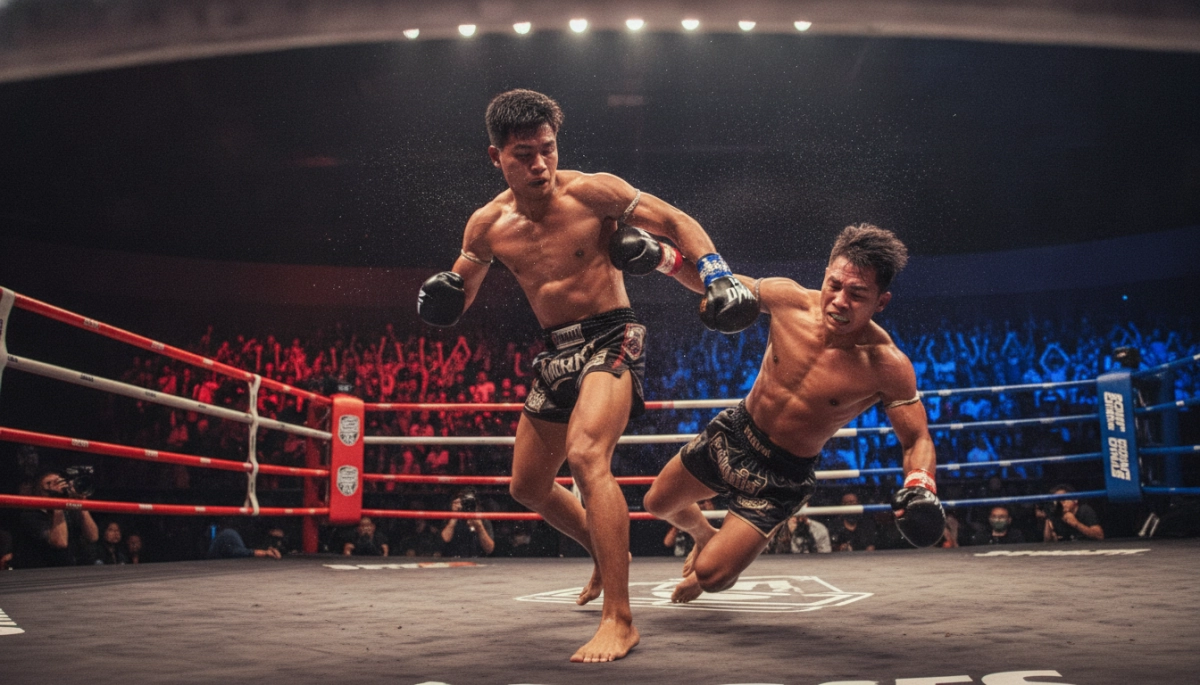
Why Rodtang’s Knockouts Define Modern Muay Thai
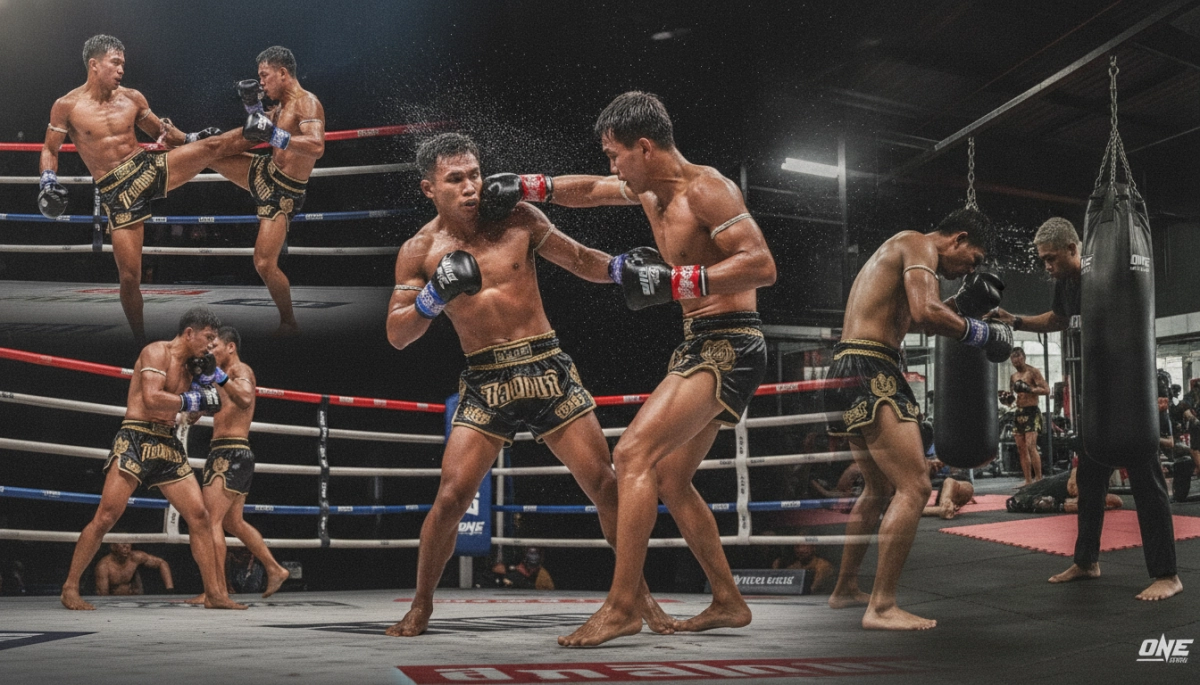
You watch Rodtang Jitmuangnon and you see a fighter who turns relentless pressure into decisive finishes. As someone studying Muay Thai, you can learn more from his fights than just flashy highlight reels — you can dissect the reasons his strikes connect with so much force and frequency. This section frames his fighting identity so you can better recognize the tactical patterns that lead to knockouts.
Rodtang blends high-volume striking with iron-clad balance, unusual forward momentum, and an ability to convert scrambles into clean shots. When you analyze his bouts, focus on how he manipulates distance, forces exchanges, and times his entries. Those recurring habits are the foundation of his finishing power.
Mechanical Principles That Create Rodtang-Style Knockouts
Base, Balance, and Forward Energy
You’ll notice Rodtang rarely sacrifices balance for power. His feet stay rooted so he can transfer whole-body momentum into each strike. That forward energy—often disguised as a compact step or hip rotation—lets him generate knockout force without telegraphing a large wind-up. Pay attention to:
- Weight distribution: subtle forward bias that enables explosive pushes or clinch entries.
- Hip torque: short, violent rotations that add snap to elbows and punches.
- Connected breathing: exhaling on impact to tighten the core and stabilize the frame.
Pressure-Focused Footwork and Angle Control
Rodtang’s footwork is about constant forward pressure, then sudden lateral adjustment to create cleaner lines. You should study how he corners opponents, limits their escape routes, and forces them into predictable counters. Key patterns include:
- Cutting the ring with small, aggressive steps rather than large lunges.
- Using feints and rhythm changes to provoke defensive reactions that open the guard.
- Employing pivots and step-throughs to expose the side of the head or the chin.
Signature Weaponry: Elbows, Teeps, and Continuous Combinations
Rodtang’s knockouts often come from short-range, high-impact tools and the combinations that set them up. You should focus on how he sequences strikes to exploit openings:
- Short elbows delivered from close range after clinch disengagements or head jostles.
- Sharp teeps (front kicks) used not just as range defenders but as setups to disrupt balance.
- High-volume punch-elbow chains that overwhelm sightlines and create split-second vulnerabilities.
With these mechanical principles in mind, you’ll be prepared to examine the tactical setups and specific drills Rodtang uses to convert those mechanics into fight-ending strikes in the next section.
Tactical Setups That Force the Finish
Rodtang doesn’t wait for a single perfect strike; he engineers moments where an opponent’s options shrink to one — take the hit or get trapped. Learn to build those moments systematically so the knockout becomes a likely outcome rather than a lucky shot.
- Chain pressure into constraint: begin with low-risk probes (teep to the thigh, light jabs) to bias weight backward, then immediately cut the ring and close distance before they can re-center. When an opponent’s lead leg is weighted back, they’re more vulnerable to short elbows and uppercuts.
- Use rhythm breaks to create decision paralysis: alternate 6–12 second bursts of relentless attack with a single deceptive pause. That pause provokes a premature counter or a defensive reset, both of which you can exploit with a pre-planned follow-up (e.g., pause → step-slice elbow).
- Exploit exit patterns: study how an opponent tries to escape—pivot, retreat straight back, or circle weak side. Direct your pressure to funnel them into the exit you want, then time a decisive tool (lead hook, overhand, or Thai-clinch knee) as they commit to that escape.
- Layer threats to lower the guard: combine low kicks and body teeps with head feints so the opponent drops their guard to protect the body. A short, sharp elbow or an overhand then has a higher chance of penetrating a collapsed guard.
These setups aren’t rehearsed surprises; they’re predictable sequences you can execute repeatedly until your opponent’s responses become machine-like—and therefore exploitable.
Drills to Convert Mechanics into Fight-Enders
Technical understanding only becomes lethal through repetition under pressure. The following drills are compact, targeted, and built to translate Rodtang-style mechanics into reliable finishing tools.
- Pressure Round Mitt Work (3-minute rounds): coach dictates phases—30 seconds of forward-only combinations, 20 seconds of lateral slicing, 10 seconds of explosive close-range elbows/knees. Focus on small steps, hip torque, and finishing with the elbow or clinch release.
- Circular Cornering Drill: two partners, one tries to cut the ring with continuous forward steps while the other uses measured pivots to escape. Switch roles. The cutter must force a pinned opponent to take an evasion step in a specific direction, then land a pre-planned strike (lead elbow or short uppercut).
- Clinch Disengage-to-Elbow Sequence: from a controlled clinch, practice timed disengages—push off the shoulder, slip to the outside, and fire a horizontal elbow at closing range. Start slow, build speed, then add body resistance to simulate real scrambles.
- Reaction Mitt Drill: coach randomly calls “level change” (low kick), “feint,” or “step-through.” Athlete must immediately respond with the correct finishing tool—teep-break, pivot-elbow, or step-through overhand. This builds the pattern recognition Rodtang uses to capitalize on split-second openings.
- Heavy Bag Burst Sets: 10 x 5-second all-out bursts focused on short, rotational strikes (elbows, short knees, step-through hooks), with 20 seconds rest. Emphasize breath timing and rapid recovery to base.
Progress each drill by adding live resistance, then permissive sparring rules that reward the finishing tools you want to develop.
Sparring Protocols and Recovery for Sustained Finishing Ability
To embed knockout instincts you need sparring that simulates fight stress without promoting reckless damage. Use graduated intensity, role-based rounds, and strict safety checks:
- Role Rounds: attacker-focused rounds where one partner must maintain forward pressure and attempt finishes; defender-focused rounds emphasizing escapes and counters. Swap frequently.
- Finish-Only Rounds (controlled): short rounds where strikes below the clavicle are allowed, elbows permitted if both agree. These teach timing and shot selection while limiting cumulative damage.
- Recovery Protocol: monitor for concussion signs, prioritize sleep and hydration after heavy sparring, and schedule hard sessions no more than twice weekly. Build neck and core strengthening into your conditioning to reduce injury risk when executing or absorbing finishing strikes.
With strategic setups, targeted drills, and disciplined sparring, you create the environment where Rodtang-style knockouts become reproducible—skillful, conditioned, and fight-ready.
Putting Rodtang’s Knockout Principles into Practice
Adopting Rodtang-style finishing power is less about copying one fighter and more about cultivating a mindset: controlled aggression, relentless repetition, and smart risk management. Keep training purposeful—each drill, sparring round, and technical correction should have a clear finishing objective and a safety boundary that preserves long-term development. For further study of his style and fight footage, see Rodtang’s official ONE Championship profile.
Final reminders for fighters and coaches
- Train with intent: prioritize drills that build balance, hip torque, and short-range explosiveness over flashy, low-repeat moves.
- Protect longevity: use graduated contact, strong recovery habits, and neck/core conditioning so you can keep finishing fights without unnecessary wear.
- Study patterns, not highlights: analyze opponents’ exit tendencies and common responses to pressure to design repeatable setups.
- Make the style your own: adapt Rodtang’s mechanics to your frame and pace—finishing power is a product of fit and repetition, not imitation alone.
Train hard, train smart, and let disciplined pressure turn opportunity into decisive finishes.
Recommended Posts