Why Nong-O vs Rodtang Commands Your Attention in Modern Muay Thai
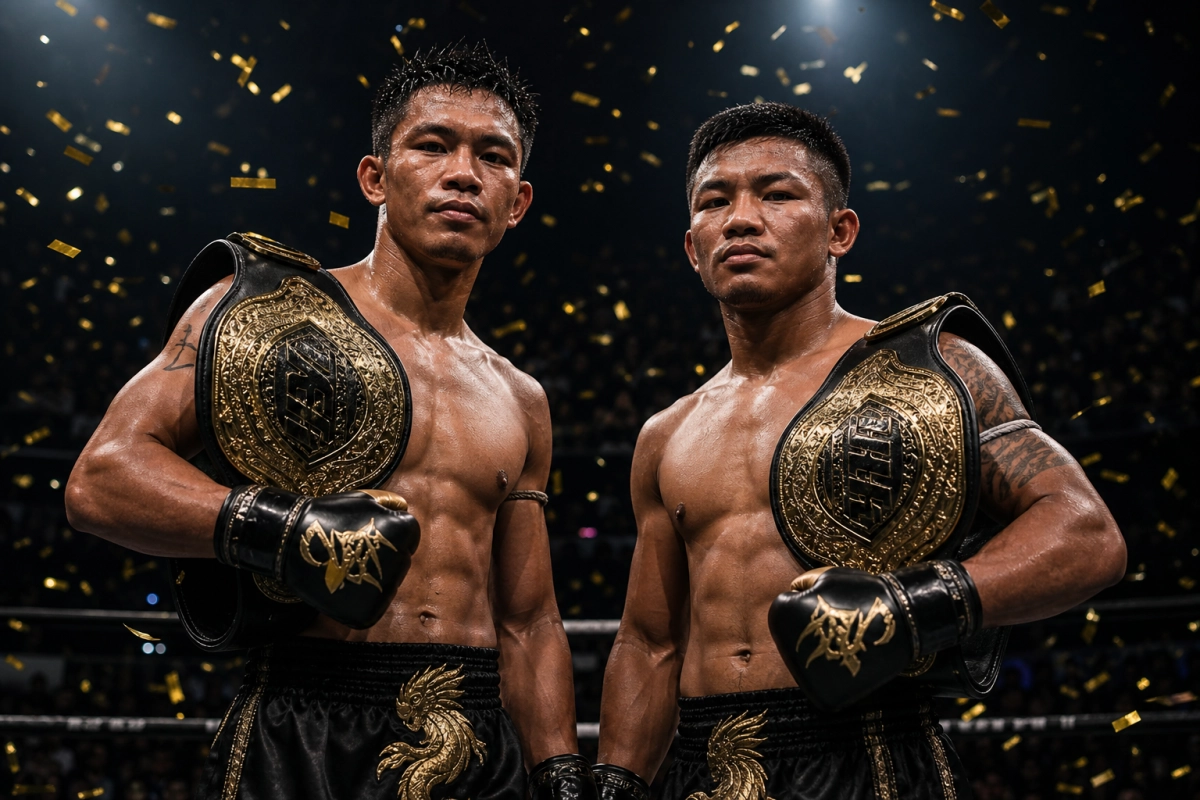
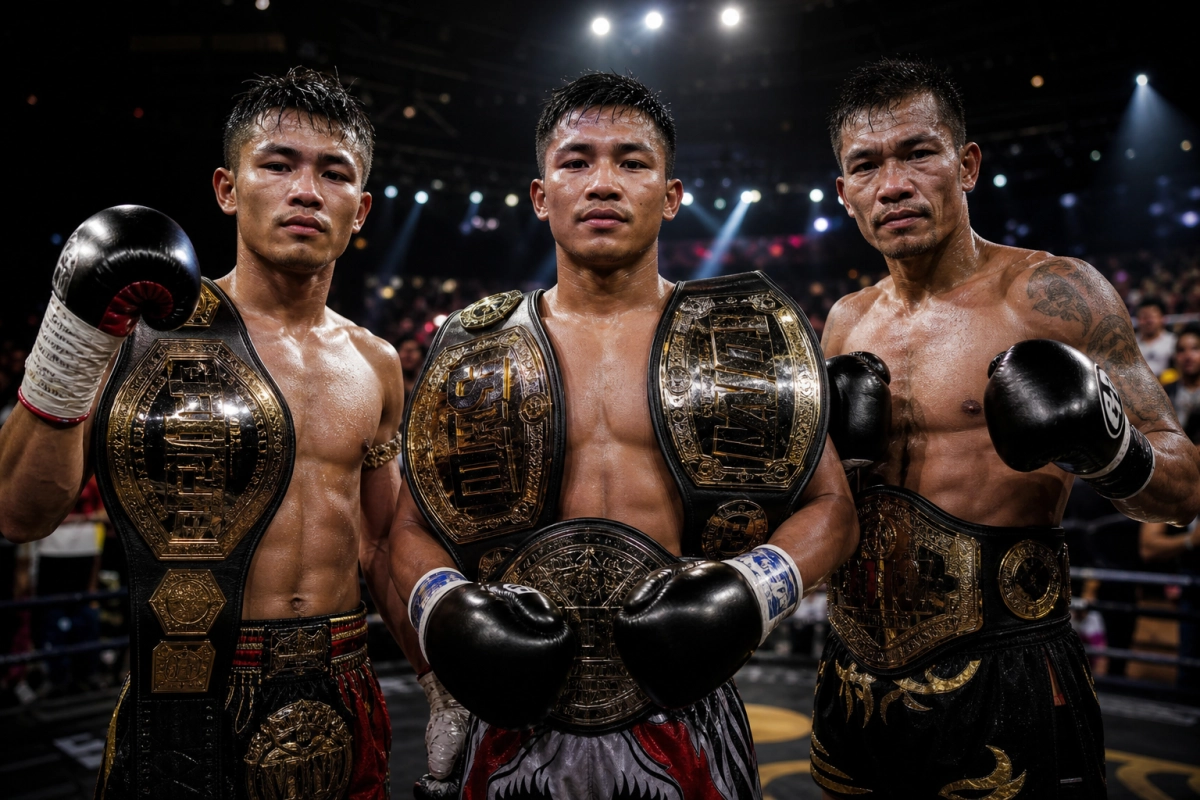
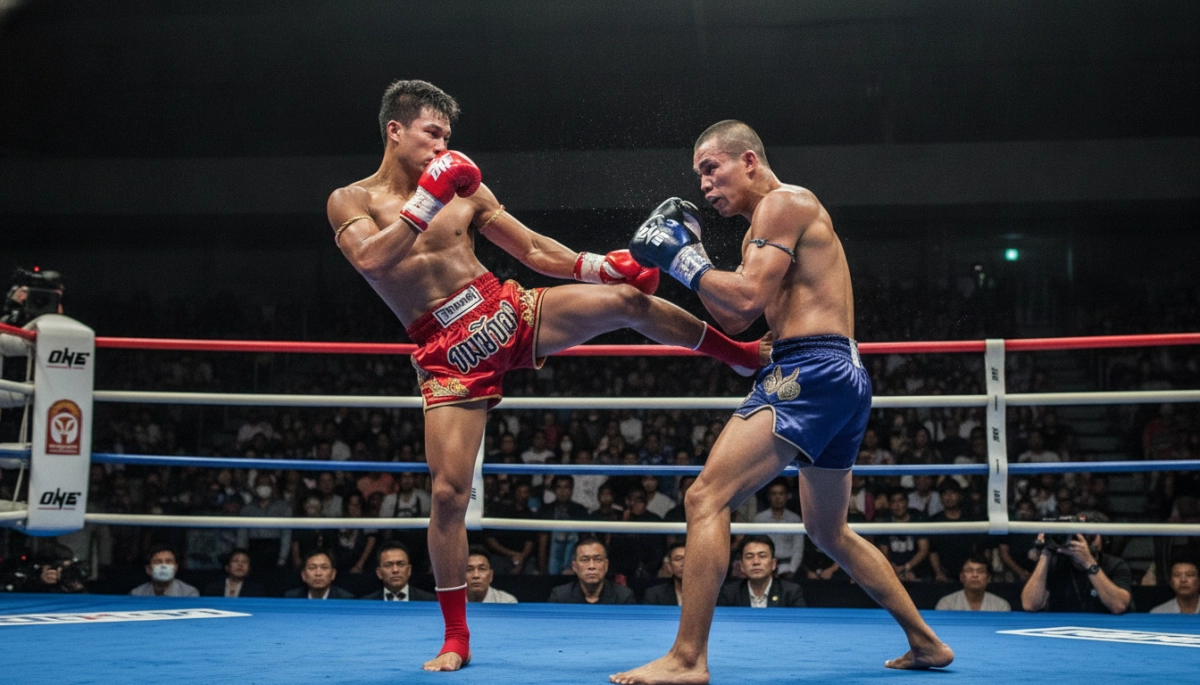
You witness two of the most compelling figures in ONE Championship when Nong-O and Rodtang meet: a master technician versus an unrelenting brawler. Understanding this rivalry helps you appreciate how elite Muay Thai has evolved inside the ONE cage—where traditional Thai skills meet modern, global promotion dynamics. This section gives you the context you need to follow their story, the stakes involved, and why each bout feels like a clash between generations and philosophies of striking.
Profiles You Can Rely On: Nong-O’s Precision and Rodtang’s Pressure
You should know the core traits that define each fighter so you can read fights with greater insight. Nong-O Gaiyanghadao is widely respected for textbook Muay Thai: timing, single-shot power, low kicks, clinch control, and fight IQ. In contrast, Rodtang Jitmuangnon brings relentless forward pressure, aggressive combinations, iron chin, and a willingness to engage in toe-to-toe firefights. When you compare their records, you’ll see experience versus youthful ferocity—an axis that fuels narrative and tactics.
- Experience and pedigree: Nong-O carries a long list of high-level Muay Thai titles and a reputation for adapting strategy mid-fight.
- Fan appeal and momentum: Rodtang has built a cult following by winning dramatic exchanges and showing heart under pressure.
- What matters to you as a viewer: You can predict moments when technical counters will be rewarded and moments when sheer pace will overwhelm careful defense.
How Their Early Encounters Began the Rivalry
The first encounters between Nong-O and Rodtang set the tone. Early meetings—whether direct fights or public callouts and tune-up bouts—created a narrative of challenge and response. You watched Nong-O use distance management and counterstriking to neutralize rushes, while Rodtang tested those defenses by turning the fight into a close-range war. Promotions, media build-up, and national pride amplified each exchange, turning routine matchups into must-see events for fans.
Key Tactical Contrasts That Shaped the Initial Fights
To follow the rivalry, focus on a few tactical markers you can spot in any round:
- Distance control: Nong-O’s use of teep and low kick to disrupt Rodtang’s entries.
- Pressure sequencing: Rodtang’s combinations designed to fluster counters and force clinch scenarios.
- Clinch and elbows: How each fighter sought to exploit close-quarters damage and scoring in tight exchanges.
Those early tactical battles not only decided rounds but also influenced training adjustments, weight-class strategies, and matchmaking decisions that would follow. In the next part, you’ll get a detailed fight-by-fight analysis of their encounters and how each result shifted the rivalry’s momentum.
Round-by-Round: How Each Encounter Shifted Momentum
You follow the rivalry most clearly by breaking down the fights round by round. Each encounter reads like a tactical conversation, where small adjustments stack into big momentum swings.
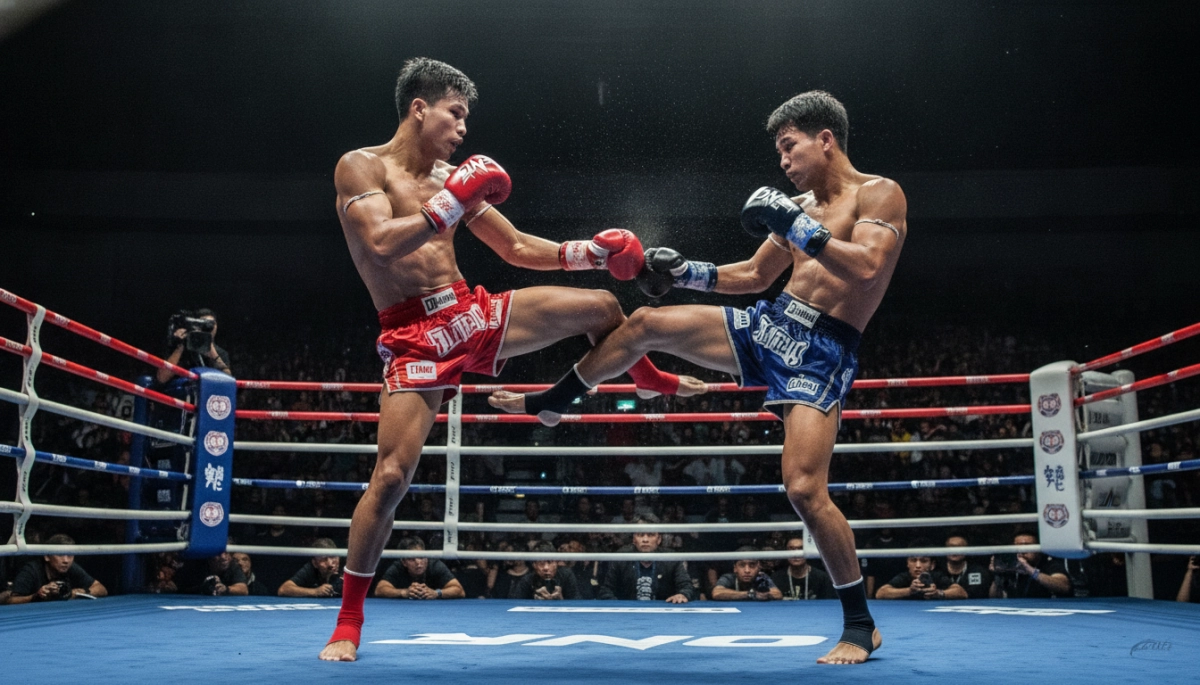
– First high-profile meeting: From the bell, Nong-O imposes distance and timing. You see repeated teeps and well-placed low kicks that interrupt Rodtang’s entry rhythms. Rodtang responds with explosive level changes and heavy combinations to close the gap, but Nong-O’s counters—crisp right hands and angled elbows—score on the outside. Those early rounds are defined by Nong-O’s control of pace; judges reward his cleaner strikes and ring generalship, and the narrative tilts toward the veteran’s technical mastery.
– The reply fight: Expect Rodtang to adapt by shortening exchanges and increasing tempo. He abandons single-shot entries for relentless multi-strike bursts aimed at overwhelming Nong-O’s counters. Here the clinch becomes decisive—Rodtang forces repeated knee exchanges and scrambles that sap Nong-O’s takeaways. Nong-O answers with more active low kicks and tighter guard work, but the psychological momentum shifts as Rodtang proves he can sustain pressure for full rounds. That bout narrows public perception of the gap between them and injects fresh belief in Rodtang’s ability to control the fight’s geography.
– A pivotal later clash: Both camps have learned. Nong-O mixes feints and occasional lunging combinations to punish Rodtang’s forward aggression, while Rodtang times counters off the break to catch Nong-O stepping in. The middle rounds are chess-like: Nong-O uses a single, well-timed elbow or a counter-kick to turn a close round his way; Rodtang answers with late-round flurries to erase deficits. Small incidents—an early standing eight count, a particularly damaging leg kick, or a referee warning—become momentum multipliers, influencing judges and crowd energy. By this point, each result doesn’t just settle a score; it redefines who is favored to win the next time they meet.
Through these fights you learn to watch for two signals: whether Nong-O can maintain his distance control for full rounds, and whether Rodtang can sustain pressure without taking decisive counters. Those signals are what make every round feel consequential, even before the final bell.
How Camps and Coaches Rewrote Game Plans Between Fights
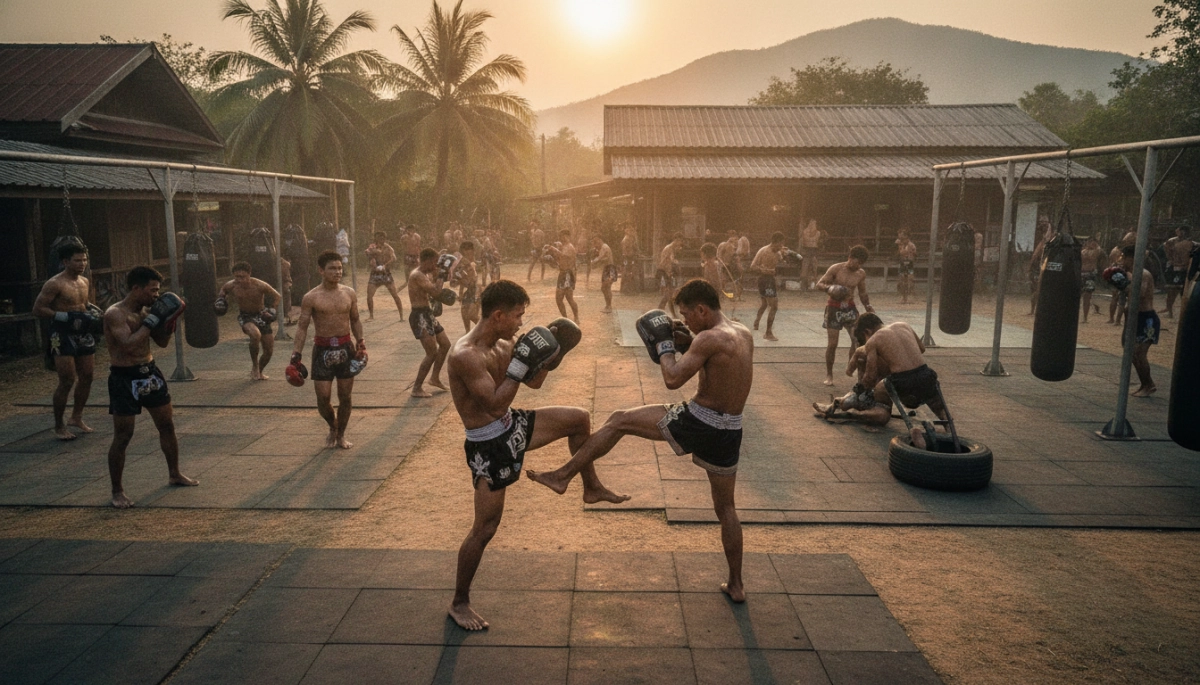
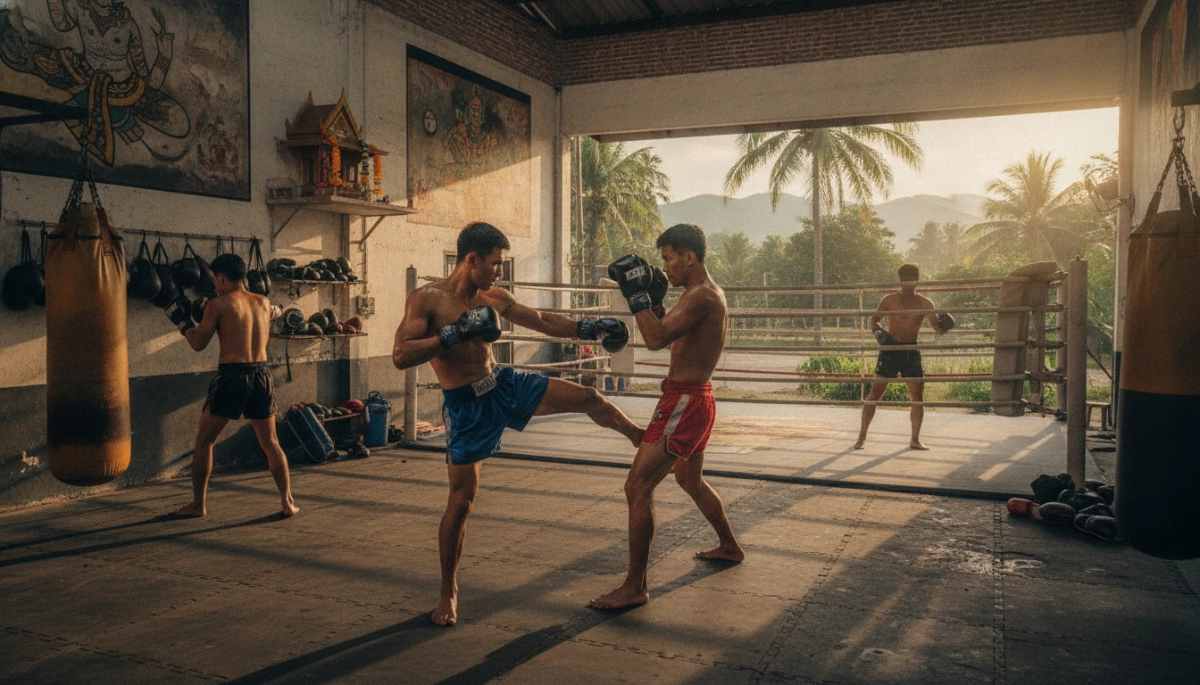
The rivalry’s depth isn’t just inside the ring; you see its evolution in the gyms. Each fight forces coaching teams to retool.
– Nong-O’s adjustments: After absorbing heavy pressure, Nong-O’s coaches tighten his defensive mechanics—shorter punches, faster lateral movement, and a sharper teep-to-low-kick sequence intended to break tempo. They also focus on clinch endurance and late-round conditioning so Nong-O can neutralize Rodtang’s late surges. Sparring shifts toward simulating nonstop pressure, with younger partners replicating Rodtang’s volume work to condition Nong-O’s counters under fatigue.
– Rodtang’s evolution: Rodtang’s camp emphasizes smarter entries and energy management. Instead of full-gas innings from round one, coaches teach measured bursts that preserve pace for penalties and late surges. They also refine his counter-clinch: escaping with knees and short elbows rather than lingering in stalemates where Nong-O can pick shots. Strength and conditioning programs add hip mobility and calf resilience to reduce the impact of Nong-O’s low kicks.
– Tactical cross-pollination: Each side borrows from the other. Rodtang begins to incorporate graded teeps and more precise low kicks, while Nong-O’s team experiments with forward combinations and drilling sustained exchanges to mimic Rodtang’s assault. Those camp-level arms races create a feedback loop: what works in sparring becomes a new wrinkle in fights, which forces the opponent to adapt again.
Watching these behind-the-scenes adjustments gives you a deeper appreciation for why each rematch matters. It’s not only a physical contest but also a public, iterative study in problem-solving—where coaches and fighters trade innovations until one side gains a lasting edge.
Legacy and What Comes Next
The Nong-O vs Rodtang rivalry has become more than a sequence of fights; it’s a living experiment in how tradition and modern sport collide. Beyond verdicts and headlines, the contest pushes training methods, matchmaking choices, and fan expectations forward. Whatever the immediate outcomes, the rivalry guarantees that both fighters—and the teams around them—will keep innovating, testing new tactics and conditioning approaches that will ripple through Muay Thai worldwide.
How to follow the next chapters
- Watch official announcements and fight cards from ONE Championship for confirmed rematches and title implications.
- Track training camp footage and interviews to see what tactical changes each side is preparing.
- Pay attention to undercard talent and matchmaking trends; rising fighters often signal the next strategic directions for champions to address.
- Engage with the community—forums, fight analysts, and social media—to catch early reads and diverse perspectives that enrich how you watch future bouts.
Final thoughts
Expect intensity, adaptation, and moments that redefine expectations each time Nong-O and Rodtang step into the cage. Their rivalry is a template for how high-level Muay Thai can evolve in a global arena—compelling for purists, thrilling for casual fans, and consequential for the sport’s next generation.
Recommended Posts