Train Like Champions: How Nong-O’s Precision and Rodtang’s Pressure Shape Your Striking
You want to develop both surgical accuracy and relentless pressure in your Muay Thai. Nong-O is renowned for razor-sharp timing, crisp teeps, and clinical counters; Rodtang builds fights with nonstop forward momentum, high-volume combinations, and aggressive finishing instincts. By isolating elements from each fighter, you can create drills that improve your accuracy, power, defensive timing, and ability to sustain a high pace without breaking technique.
Key movement and striking principles to focus on
Before drilling, focus on a few core principles that guide the exercises below. You should internalize these points so each repetition builds purposeful skill instead of just conditioning:
- Timing over speed: hit targets when they open, not just as fast as possible.
- Economy of motion: use compact strikes and quick returns to guard, a hallmark of Nong-O’s style.
- Continuous pressure: maintain forward weight distribution and volume like Rodtang, but keep balance to avoid counters.
- Varied range: move between teeps, kicks, knees, and punches so your entries become unpredictable.
Foundational drills you can do from week one
These drills combine solo practice and partner work. Do them in short, intense rounds (3–5 minutes) to simulate Muay Thai pacing. Always start with an active warm-up: light shadowboxing, hip-openers, and dynamic kicks for 5–8 minutes.
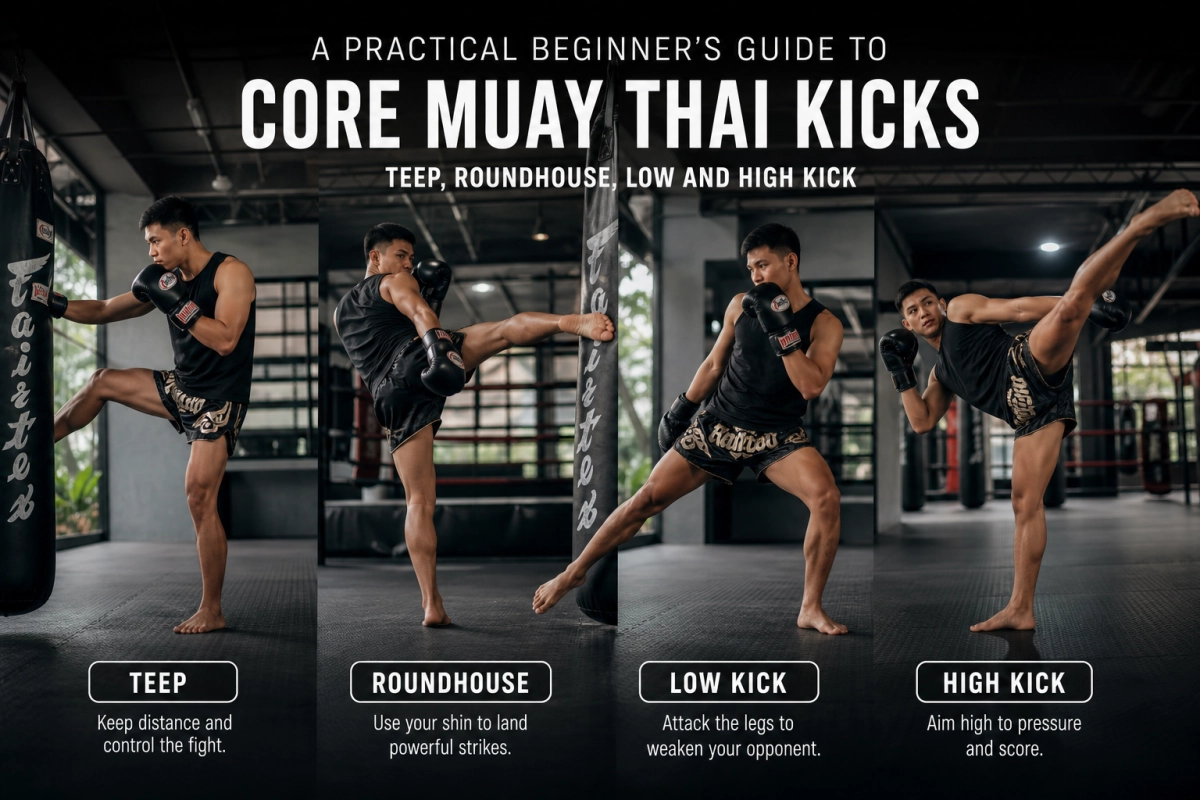
- Precision teep drill: On the heavy bag or target pad, do alternating teeps to a marked point. Emphasize snapping the foot out and retracting quickly to guard. Aim for 10–15 quality reps per leg, focusing on accuracy rather than maximal force.
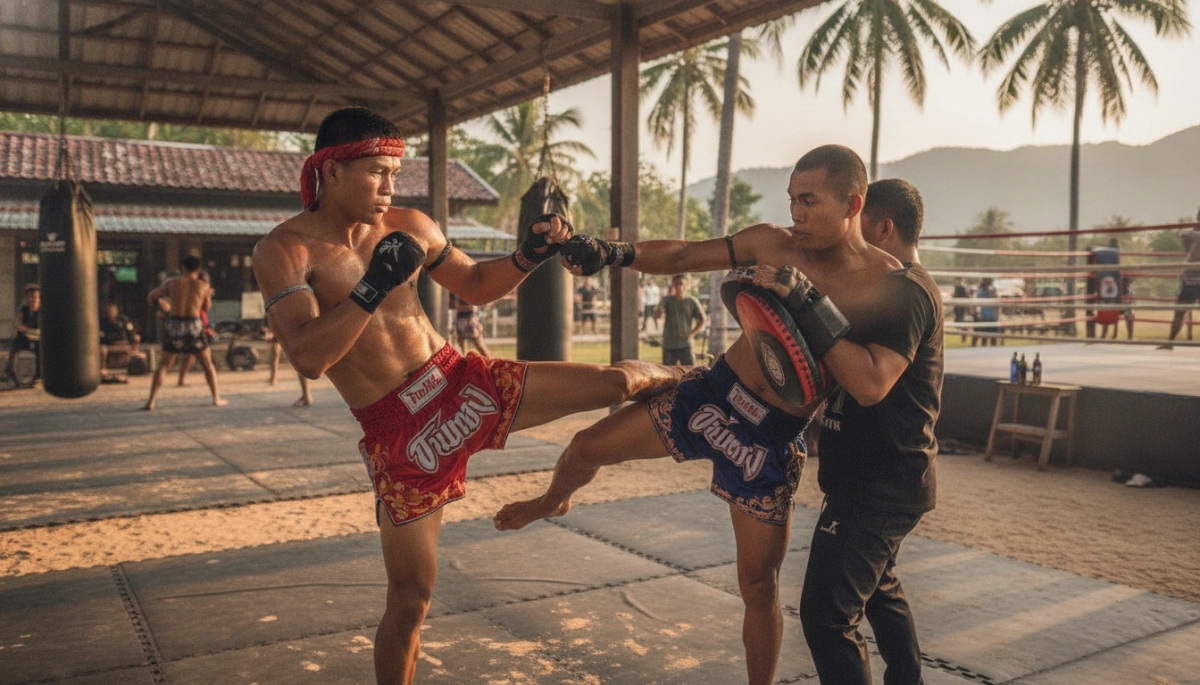
- Two-strike counter flow: With a partner holding pads, have them throw simple jab–cross combos slowly. Your job: slip or parry, then immediately return with one sharp counter (cross or teep). Repeat in sets of 8–10 exchanges to improve timing and minimal-motion counters.
- High-output bag rounds: Mimic Rodtang by running 3-minute rounds where you maintain pressure and volume. Use 10–15 second bursts of combinations (punches, low kicks, teeps) followed by brief angles and a steady forward reset. Count each sequence to measure consistency.
- Reaction ladder for reflexes: Partner calls colors or numbers corresponding to strikes (1 = jab, 2 = cross, 3 = teep, etc.). Respond immediately with the correct technique, emphasizing speed of recognition and execution.
Work these drills into two or three short sessions per week, mixing solo and partner work so you train both individual mechanics and interactive timing. In the next section you’ll get progressive variations, specific rep schemes, and a sample weekly plan to combine Nong-O’s precision with Rodtang’s relentless pressure.
Progressions and variations to add complexity
Once the basic drills feel comfortable, layer in complexity to force adaptation. Progressions should challenge decision-making, range control, and conditioning without breaking the technical habits you’re building.
– Level 1 — Controlled entry: keep all pad work slow and deliberate. Add a 1–2 second pause after your feint or teep to emphasize timing and guard recovery. This is where Nong-O’s precision is built.
– Level 2 — Tempo shifts: alternate slow precision reps with sudden 5–8 strike bursts. For example, 6 teeps (controlled) followed by a 10-second high-output pocket sequence. This teaches you to conserve motion then explode like Rodtang.
– Level 3 — Range manipulation: have your partner move the pad forward, back, and to angles. Practice entering with a teep to measure distance, then chain to a low kick or straight elbow as they close. Focus on foot placement to maintain balance when pressing forward.
– Level 4 — Decision ladders: use a three-option cue (audio or partner call). Example: call = “teep”/“punch low”/“elbow.” Respond with the correct technique and immediately transition to a follow-up (teep→step-push low kick; punch→knee). This increases cognitive load and simulates fight unpredictability.
– Level 5 — Fatigue technical rounds: end sessions with 2–3 rounds where you perform precision counters for the first minute, then switch to relentless press for the next two. Maintain technical checkpoints (hands high, chin tucked, proper hip rotation) on every rep—fatigue is where habits either survive or break.
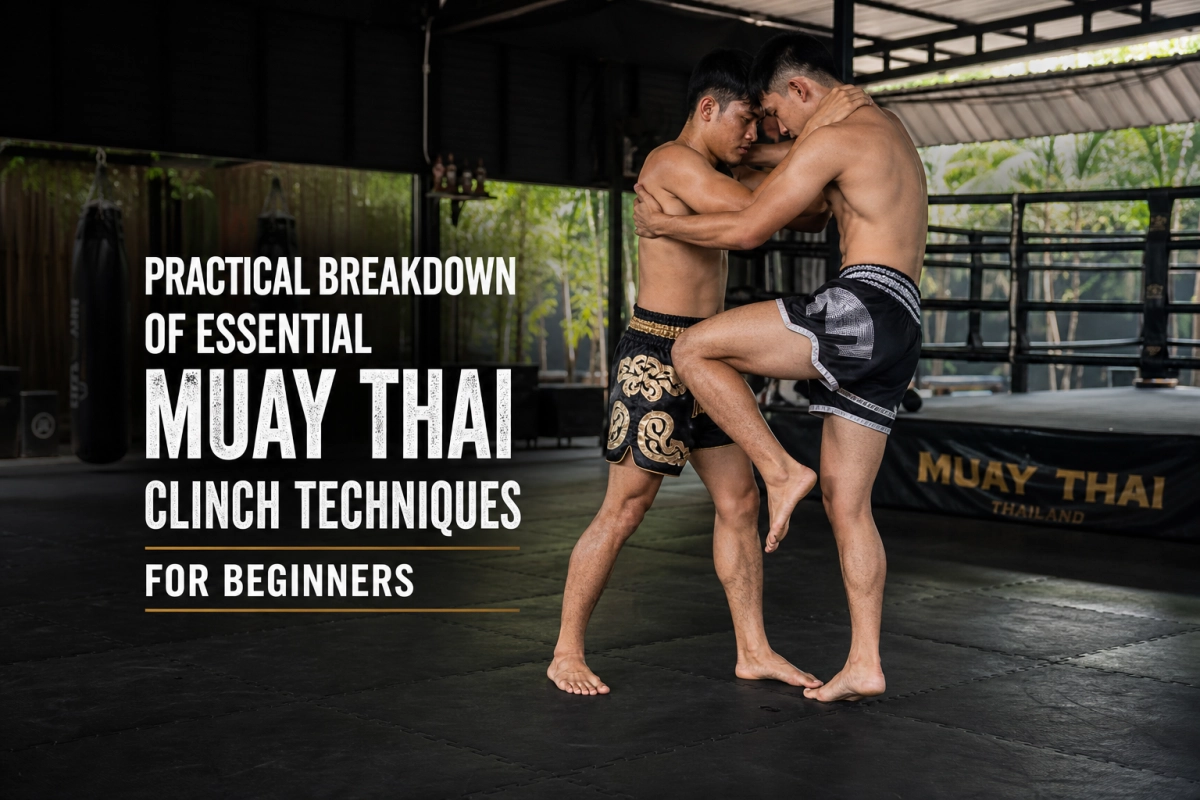
Integrate clinch entries and defensive pivots at higher levels. Nong-O’s quick counters and Rodtang’s clinch intensity both benefit from short, focused clinch rounds: 30 seconds of hand fighting and knees, then break and reset.
Rep schemes, intensity targets, and recovery
Design reps to meet specific goals: skill acquisition, timing, power, or conditioning. Keep rounds short and purposeful.
– Skill/timing: 3–5 rounds of 3 minutes. Work 45–60 seconds on a single drill (precision teep or two-strike counter), 30 seconds rest between efforts. Intensity: 6–7/10.
– Power/impact: 6–8 sets of 6–10 single-power strikes (heavy teep or push kick, hard low kick) with full recovery (60–90 seconds). Quality over quantity—solid mechanics on each rep.
– Pressure/endurance: 3–5 x 3-minute high-output rounds (Rodtang-style). Use 20–30 second combination bursts followed by short angle resets. Intensity: aim for 8–9/10 on bursts, maintain 6–7/10 overall.
– Reaction/decision work: 4–6 rounds of 90 seconds. Partner calls or random pad cues at 2–4 second intervals. Minimal rest (15–20 seconds) to simulate continuous thinking under fatigue.
Recovery matters: after high-intensity 3-minute rounds, give yourself 60–90 seconds if training multiple rounds in a session. For circuit-style reaction ladders, 30–45 seconds is sufficient. Track progress with counts (successful counters per round) rather than time alone.
Sample 4-week microcycle to blend Nong-O precision and Rodtang pressure
This weekly plan assumes 3–4 sessions per week plus light active recovery. Increase intensity or volume slightly each week (5–10%).
Week layout (repeat and scale across 4 weeks)
– Day 1 — Precision focus (Technique)
– Warm-up 8 min shadowing + hip mobility
– Precision teep drill: 4 x 60s per leg (30s rest)
– Two-strike counter flow: 6 sets of 10 exchanges
– Light clinch entries: 4 x 30s
– Day 2 — Pressure & conditioning
– Warm-up 8 min
– High-output bag rounds: 4 x 3 min (1.5 min rest)
– Pressure ladder: 6 x 90s reaction rounds
– Cool down mobility
– Day 3 — Mixed sparring/partner work
– Pad combinations (response cues): 6 x 3 min
– Controlled light sparring focusing on timing (6 rounds x 2 min)
– Finish with 3 power single-strike sets (6–8 reps)
– Optional Day 4 — Active recovery / technical drilling
– Light shadowboxing, footwork drills, 20 minutes low-intensity precision work
Progression: Week 1 emphasize technique and learning; Week 2 increase intensity in pressure rounds; Week 3 add volume and decision drills; Week 4 peak intensity then a lighter deload session to consolidate gains. Keep notes: accuracy percentages, number of effective counters, and perceived exertion—use these to guide incremental overload.
Measuring progress and logging
Keep a simple training log to turn effort into measurable improvement. Track these variables after each session:
- Accuracy: percentage of successful precision strikes (teeps, counters) per set.
- Output: number of high-intensity bursts maintained across a 3-minute round.
- Decision speed: average response time or missed cues in reaction ladders.
- Technical checklist: hands up, chin down, hip rotation—note breaks under fatigue.
- Perceived exertion and recovery: RPE and readiness for the next session.
Common mistakes to avoid
- Sacrificing form for volume: noisy repetitions reinforce bad habits—slow down and fix technique first.
- Telegraphing entries: guard the lead shoulder and hips when feinting or teeping.
- Neglecting recovery: overtraining reduces precision and increases injury risk.
- One-dimensional drilling: balance precision work with pressure work to prevent predictability.
- Skipping coach feedback: partner and coach input accelerates correction and prevents plateauing.
Putting it into practice
Make these drills part of a long-term plan: practice deliberately, measure small wins, and prioritize technical integrity when fatigue sets in. If you want curated routines, video breakdowns, and progressive programs to supplement your training, check reputable instructional resources such as MuayThaiGuy. Above all, train with intent, seek regular feedback from qualified coaches, and protect recovery—those habits convert drills into fight-ready skills.
Recommended Posts