From battlefield art to the ring: why traditional Muay Thai matters to you
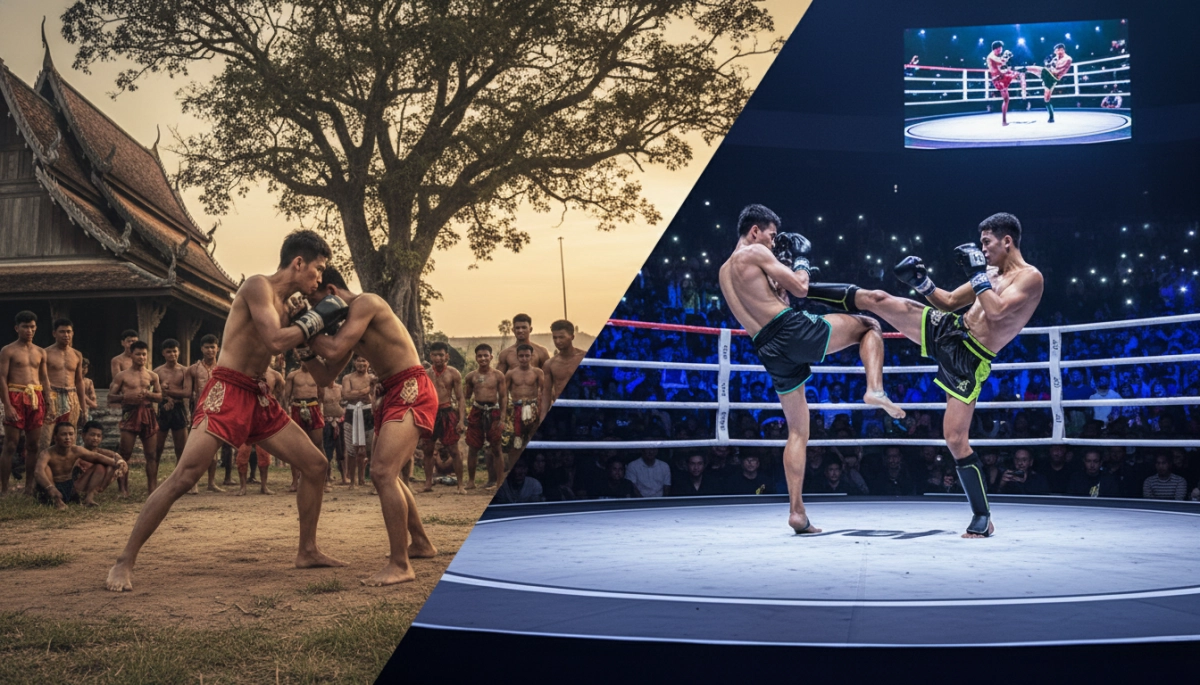
You’ll find that understanding traditional Muay Thai isn’t just a history lesson — it clarifies why certain techniques were developed and why they still appear in modern fighters’ repertoires. Traditional Muay Thai emerged over centuries in Thailand as a practical fighting system used in warfare, village disputes, and ceremonial contests. Its emphasis was on survival, effectiveness, and a warrior ethos, so techniques prioritized decisive strikes, clinch dominance, and adaptability to real-world violence.
When you study the traditional style, you’ll notice a heavy reliance on powerful, single strikes and close-range control. The narrative that follows will show how those roots informed training methods and tactical priorities before modern sport rules and international influence began shifting the art.
How traditional practitioners trained and why it shaped their technique
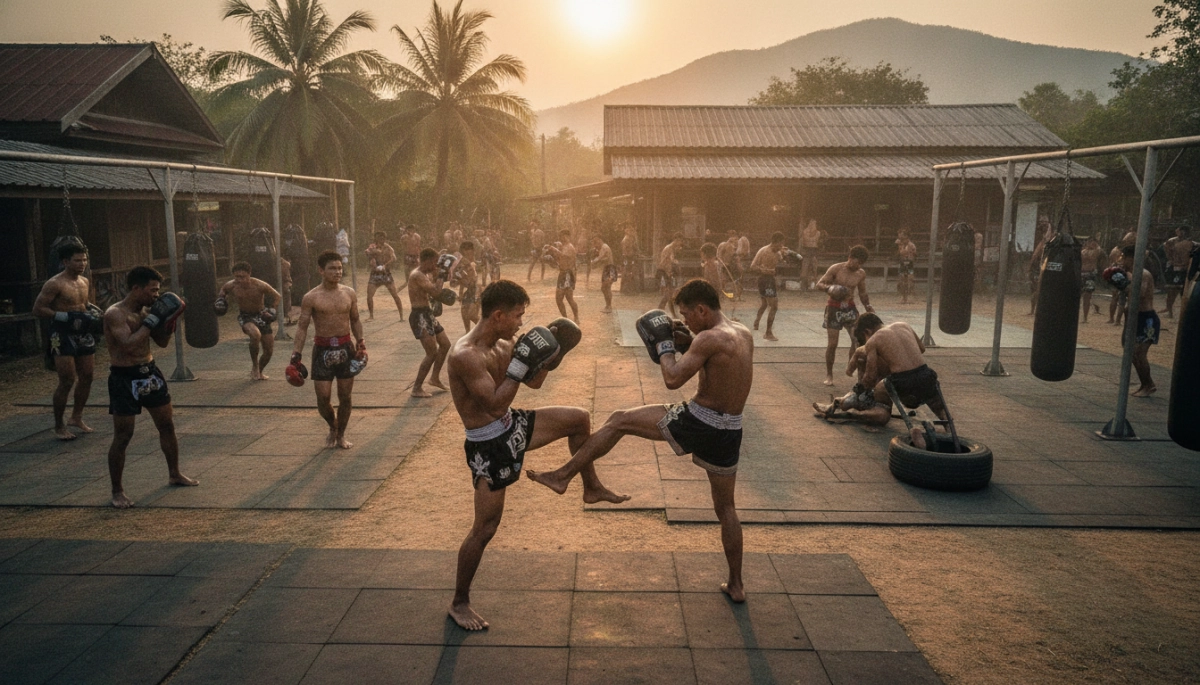
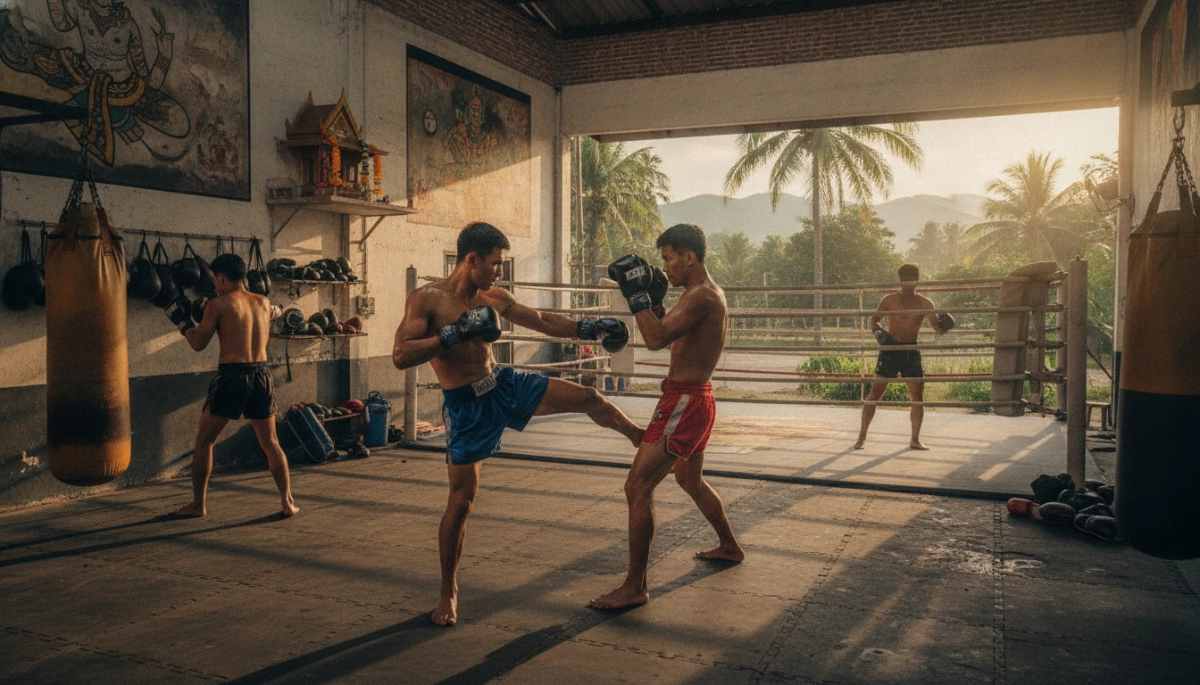
Traditional training focused on conditioning and real-contact application rather than point-scoring. If you were a student in an old-school gym, your daily routine would be built around:
- Repetitive drilling of fundamental strikes — elbows, knees, kicks, and punches — to the point of muscle memory.
- Hard conditioning: shins, forearms, and core were repeatedly struck to build pain tolerance and bone density.
- Clinch practice with live resistance, because controlling an opponent at close range determined survival in many encounters.
- Minimal protective gear and full-contact sparring to simulate real fights and build psychological toughness.
Because risk management was different, you’ll see less emphasis on evasive footwork and more on meeting force with force. Conditioning was not just physical — trainees learned to read distance and timing through exposure to hard hits, which shaped a pragmatic, brutal efficiency in technique selection.
Core traditional techniques you’ll recognize in modern fighters
Many techniques from the traditional era remain central to the art you see today. If you break them down, they fall into a few clear categories:
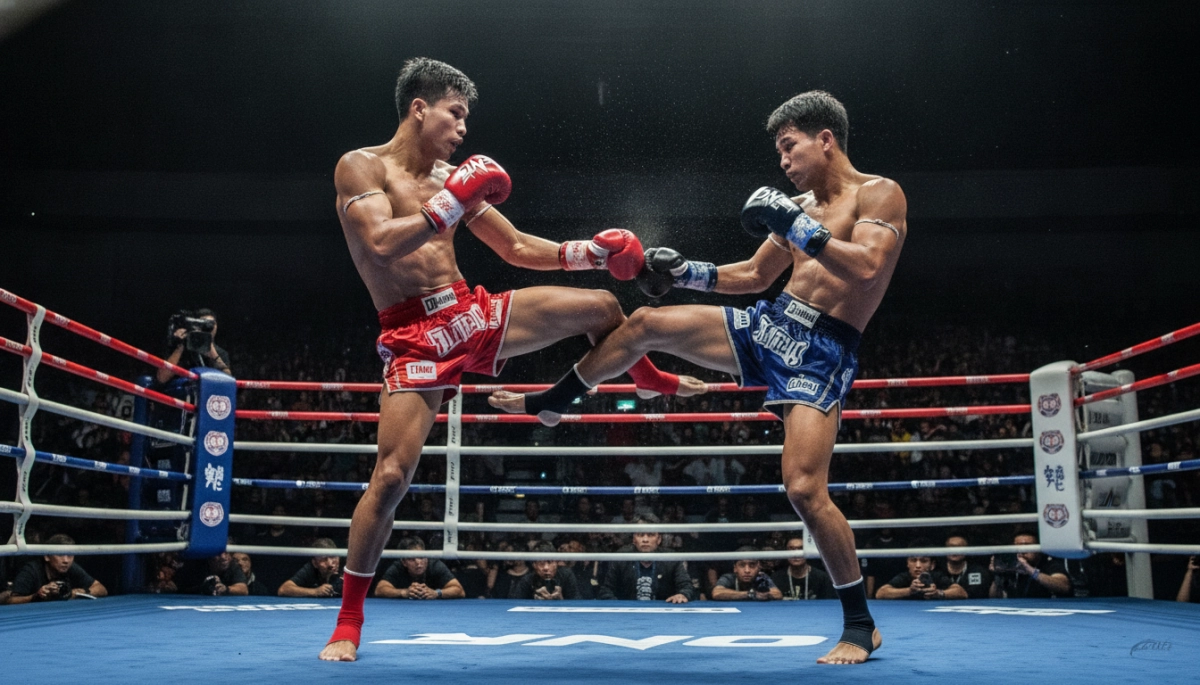
- Power strikes: single, devastating attacks such as the roundhouse kick (focused on hip rotation and shin impact) and elbow finishes designed to cut or stop an opponent quickly.
- Clinching and off-balancing: knee strikes delivered from tight clinch positions, combined with throws and sweeps to end exchanges decisively.
- Low-line attacks: body and leg strikes aimed to debilitate opponents rather than accumulate points.
As you study traditional technique, notice the willingness to engage close, to trade heavy blows, and to use the clinch as both an offensive and defensive tool. These tendencies help explain why some modern fighters retain old-school methods even as the sport evolves.
Next, you’ll look at the forces — rule changes, international competition, and sports science — that pushed Muay Thai techniques toward the modern era.
Rules, rings, and judges: how formalization changed technique
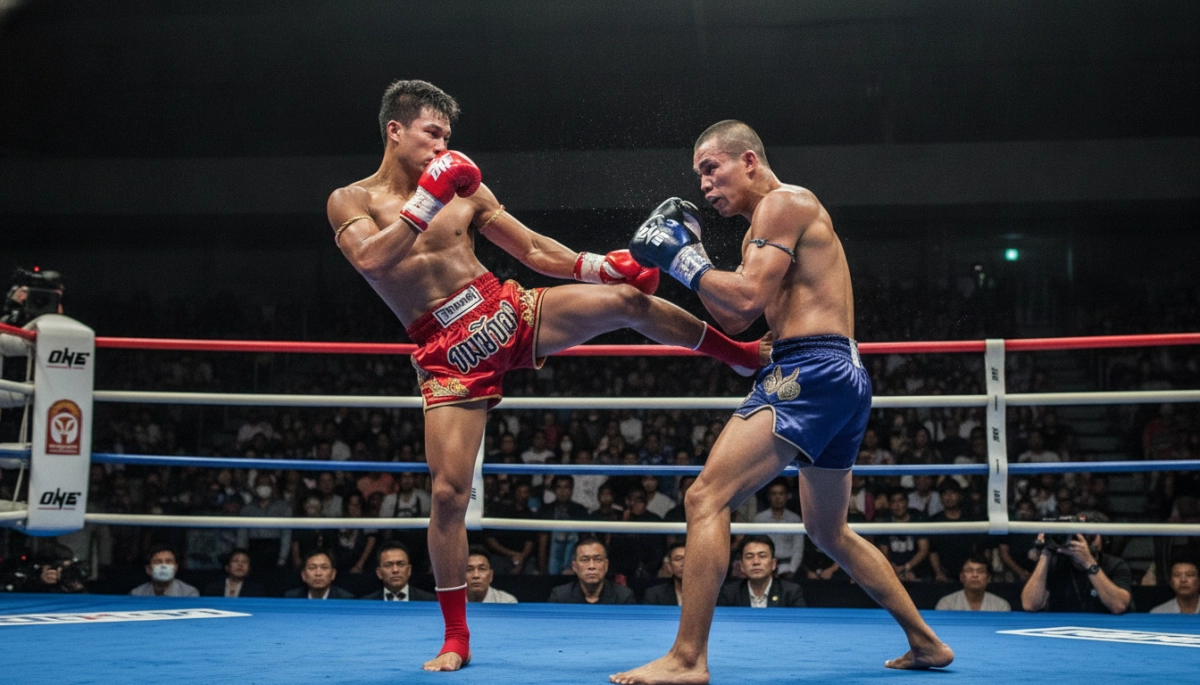
One of the clearest inflection points for Muay Thai was the shift from irregular village bouts to regulated stadium fights. Formal rules, standardized rounds, gloves, and codified scoring systems forced practitioners to adapt. Where traditional contests rewarded fight-ending power and clinch control above all, stadium scoring often emphasized visible damage, clean techniques, and ringcraft — factors that changed tactical priorities.
Gloves, for example, altered striking dynamics. They protected hands and allowed for more frequent punching combinations, prompting a resurgence of boxing-influenced attacks and head movement. At the same time, gloves reduced the raw stoppage potential of single-elbow or hand strikes, encouraging accumulation of effective blows rather than one-shot finishes.
Judging criteria also nudged strategy. When points are awarded for volume, dominance, and technique rather than a single decisive strike, fighters adjust: more teeps to control distance, more low kicks to score repeatedly, and more angled entries to land clean shots without overcommitting. The ring itself — five rounds of three minutes in many professional formats — favors athletes who can pace themselves, string together combinations, and manage energy across rounds rather than relying solely on brute force.
Global exchange and cross-training: new tools for old problems
International exposure has been equally transformative. As Muay Thai moved onto world stages, athletes began cross-training with boxers, kickboxers, and later MMA fighters. This cross-pollination introduced refined boxing combinations, lateral movement, and defensive concepts like slipping, rolling, and clinch escapes that weren’t prioritized in classical camps.
Modern specialists blend these elements while retaining Muay Thai’s core: knees, elbows, and a lethal clinch. What changes is application. You’ll see fighters set up knees with feints borrowed from Western boxing, or use side-stepping that once would have been called “cowardly” by traditionalists. Clinch work itself became more technical — not just brute control but precise grips, frame usage, and off-balancing that exploit sport rules and judges’ expectations.
Additionally, exposure to other striking arts brought new targeting philosophies. The popularity of calf kicks in adjacent combat sports filtered into regional practices, while modern trainers adapted leg-kick strategies to emphasize damage over time rather than single knockouts.
Sports science, recovery, and smarter sparring: optimizing performance
Finally, sports science reshaped how Muay Thai is taught and executed. Where old-school gyms prized daily hard sparring and relentless conditioning, contemporary programs balance high-intensity work with recovery, periodization, and strength-and-conditioning protocols designed to preserve longevity and peak performance for competition dates.
Data-driven approaches changed everything from nutrition to injury prevention. Video analysis helps fighters refine timing and spot tendencies that traditional repetition couldn’t highlight. Controlled sparring — using protective gear, specific scenarios, and measured intensity — maintains realism while lowering cumulative damage, allowing athletes to train more skillfully for longer careers.
These shifts don’t erase the past; they refine it. Traditional Muay Thai’s emphasis on decisiveness and clinch remains, but modern fighters apply those principles through the filters of rules, international technique exchange, and scientific training. The result is an art that’s simultaneously rooted in history and continually adapting to new demands.
Putting it into practice
Whether you’re a beginner, coach, or seasoned competitor, the practical path is simple: learn the fundamentals deeply, prioritize smart conditioning and recovery, and be deliberate when borrowing techniques from other arts. Train the clinch and core Muay Thai tools with partners who respect safety; use periodized plans to peak for fights; and test new tactics gradually in controlled sparring before bringing them into competition. Above all, keep curiosity and respect at the center of your practice — they preserve the art while allowing it to grow.
A living tradition, a modern sport
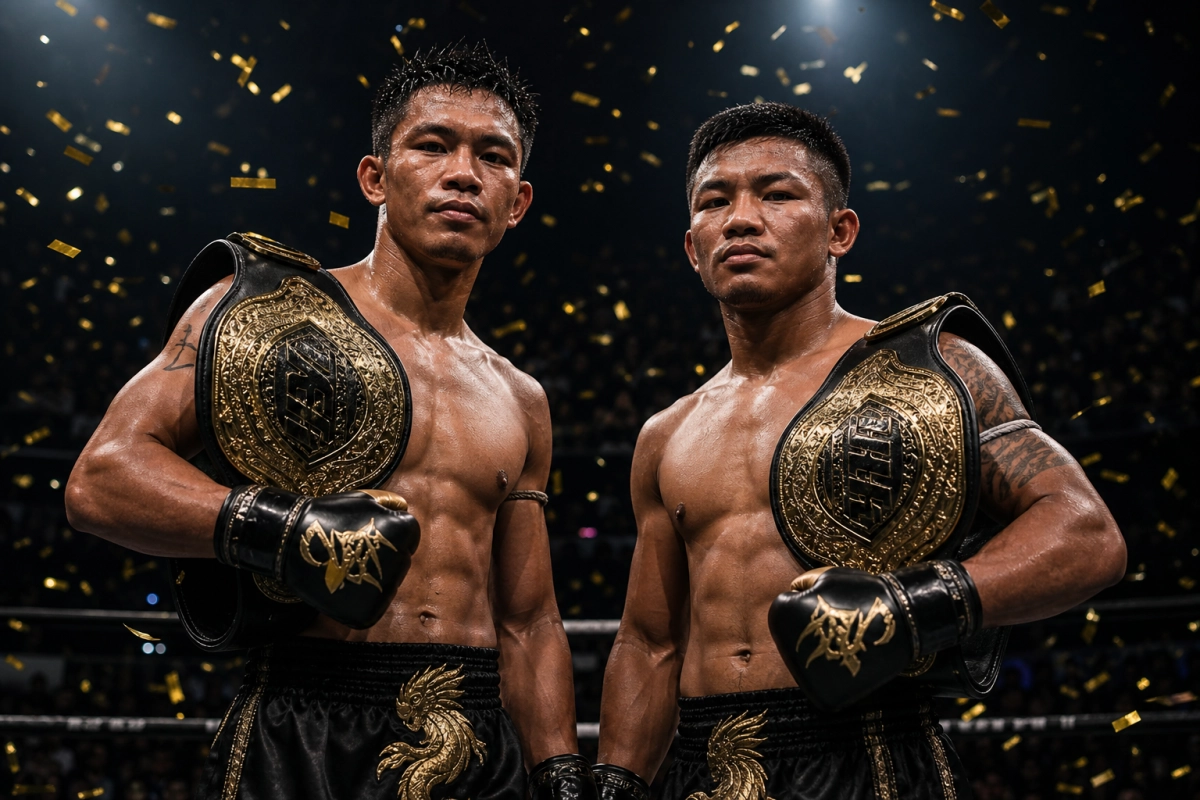
Muay Thai’s value lies in its ability to be both anchor and laboratory: an anchor that preserves time-tested tactics and cultural depth, and a laboratory where rules, science, and global exchange continually refine what works. Embrace that tension — let tradition inform your principles, and let modern methods sharpen your performance. For more on organized competition and global development of the sport, see the International Federation of Muaythai Associations: IFMA.
Key Takeaways
- Traditional Muay Thai provides core techniques and a combat mindset that remain essential despite rule and training shifts.
- Modern influences — formal rules, cross-training, and sports science — have expanded tactical options and improved athlete longevity.
- Practical excellence comes from combining respect for tradition with evidence-based training and gradual skill integration.
Recommended Posts