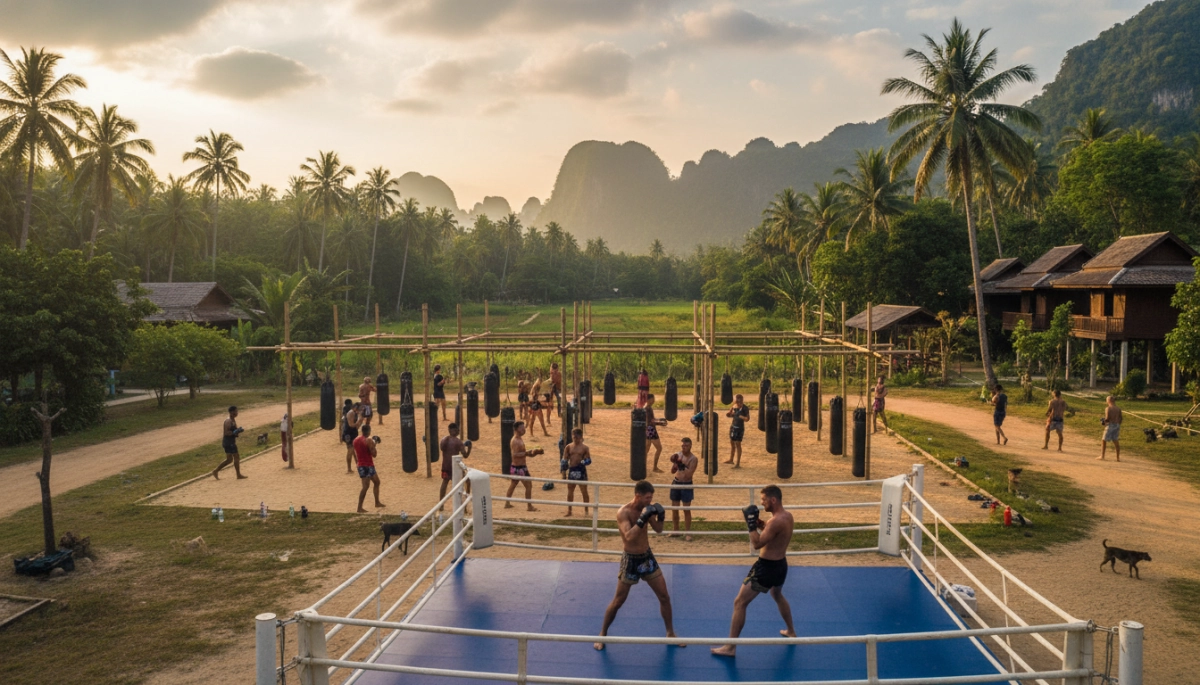
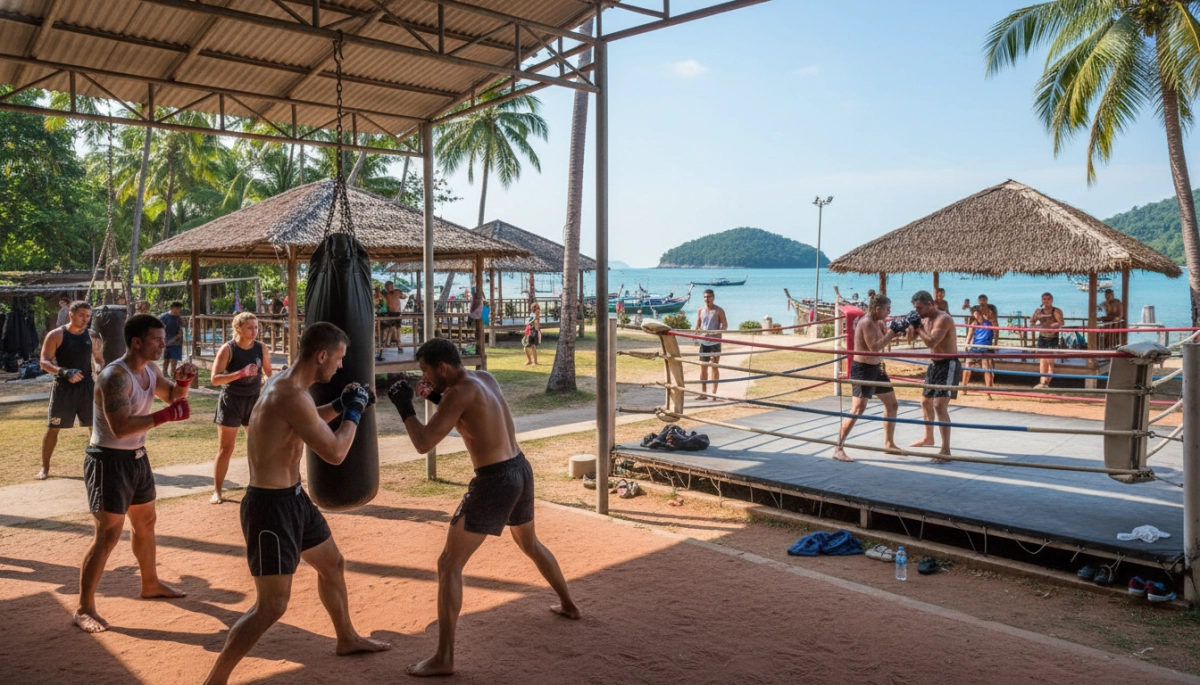
Why you should train Muay Thai in Thailand and what makes camps special
Training Muay Thai in Thailand gives you more than technique: you get culture, history, and an atmosphere built around the sport. When you step into a camp, you’re joining a lineage where trainers are often former fighters and gyms are designed to produce real fight-ready athletes. Whether you want to sharpen skills, prepare for a fight, or simply immerse yourself in Thai life while getting fit, camps provide focused coaching, sparring partners, and a structured routine that you won’t find in a typical gym back home.
As a traveler, you can also expect community: international trainees, local fighters, and daily routines that encourage camaraderie. As a competitive fighter, you’ll benefit from repetitive drilling, supervised sparring, and fight camp cycles that simulate what professional fighters experience. Understanding the difference between tourist-friendly camps and high-performance fighter gyms will help you pick the best environment for your goals.
How camps differ: tourist-friendly vs. fighter-oriented
- Tourist-friendly camps: Focus on technique, fitness, and short-term packages. Sessions are often varied in intensity to accommodate beginners and casual travelers.
- Mixed camps: Offer both casual classes and dedicated fighter tracks. You can switch between relaxed sessions and more intense training days depending on availability and your stamina.
- Fighter-oriented gyms: Run structured fight camps with morning runs, multiple daily sessions, and consistent sparring. Expect more discipline, higher volume, and an environment optimized for competition.
What a typical day looks like and the core training elements
Understanding the daily rhythm helps you decide if a camp fits your lifestyle. Most camps follow a predictable schedule that balances conditioning, technique, and recovery.
Typical schedule and training components
- Morning session: Usually includes running, shadowboxing, pad work, and conditioning. Morning runs are common at fighter gyms and help build aerobic base and mental toughness.
- Midday or technical class: Focuses on drills, bag work, clinch practice, and partner drills. Trainers correct form and teach combinations suited to your skill level.
- Afternoon/evening session: Often reserved for sparring, situational drills, and strength work. Sparring intensity varies by camp—expect controlled rounds in tourist gyms and harder sessions in fighter camps.
- Recovery and extras: Many camps offer massage, nutrition guidance, and cultural activities like temple visits or market trips to round out your experience.
Questions to ask before booking a camp
- Do they run fight camps or only general classes?
- What is the average coach-to-student ratio?
- Are sparring sessions mandatory, and how is safety managed?
- Do they assist with fight matchmaking if you want to compete?
With these expectations in mind, you can assess camps against your timeline, budget, and competitive ambitions. Next, you’ll see a curated list of the top camps across Thailand—organized by region and suited to different types of trainees—so you can choose specific gyms that match your needs.
Top camps by region — where to train depending on your priorities
Below is a regional guide to standout camps, grouped by the type of trainee they best serve. These suggestions balance reputation, coaching quality, and the typical experience you can expect.
– Bangkok and Central Thailand (best for elite coaching and fight access)
– Sitsongpeenong: Known for high-level pad work, regular sparring and a steady stream of pro fighters. Good if you want intense technical training with experienced Thai coaches.
– Petchyindee Academy: Professional environment with a focus on competitive preparation and match-making. Ideal for fight-focused trainees who want structured camps and exposure to Bangkok circuits.
– Fairtex (Pattaya/Bangkok region): Modern facilities and experienced trainers; suits those who want quality coaching plus comfortable amenities.
– Northern Thailand (Chiang Mai and surrounds — great for relaxed retreats and technique focus)
– Lanna-style and boutique gyms: These camps tend to blend daily training with a slower pace, cultural activities and recovery options. They’re excellent for travelers who want to improve technique while enjoying mountain scenery and a lighter social scene.
– Smaller local gyms: Offer more one-on-one time with trainers and opportunities to spar with committed local fighters; a good middle ground for skill development without the big-city intensity.
– Phuket and the islands (best for international community and cross-training)
– Tiger Muay Thai: Large, international, and well-organized. Great if you want variety — Muay Thai plus strength & conditioning, yoga, and MMA. Social, tourist-friendly and good for longer stays.
– Sinbi or similar Phuket fight camps: Offer a more fighter-oriented alternative on the island, where sparring volume and fight prep are emphasized.
– Isaan and provincial camps (authentic fight culture and value)
– Rural gyms in Isaan provinces: If your goal is to train like a Thai fighter and potentially enter local stadium fights, look to camps in Isaan. Expect basic facilities but high training volume, experienced local coaches and frequent matchmaking for novices through pros.
When choosing, consider travel logistics: camps near Bangkok are easy to reach; island camps give you beach downtime; Isaan camps offer authenticity but require more travel planning.
How to choose the right camp for your goals — practical selection criteria
Choosing a camp is more than picking a name — ask specific questions and compare the answers against your goals.
– Define your priority: skill improvement, fight preparation, fitness or cultural experience. This determines whether you need a fighter gym, mixed camp, or tourist-oriented school.
– Ask about coaching and class structure: How many coaches per session? Are classes progressive (beginner, intermediate, advanced)? Can you get private lessons?
– Sparring policies and safety: Is sparring mandatory? What protective gear is required? How are intensity and partners matched?
– Fight matchmaking and frequency: If you want to compete, confirm whether the camp arranges fights, typical fighter experience levels, and past successes placing foreigners in bouts.
– Accommodation and extras: Do they offer onsite housing or help with local rentals? Are meals included? Is massage, physio or sports therapy available?
– Group size and atmosphere: Smaller groups mean more attention; large camps can be social and well-equipped but less individualized.
– Budget and duration: Weekly packages differ widely. Factor in travel, food and optional extras (massages, airport transfers, fight fees). Many camps offer discounts for multi-week stays.
– Trial options and reviews: Take a one-day or one-week trial before committing. Read recent trainee reviews and ask the camp for references from past foreigners.
Practical tips before you arrive: bring mouthguard, ankle supports, multiple pairs of shorts, washable clothes, and travel insurance that covers combat sports. Learn basic Thai greetings and gym etiquette (show respect to trainers and seniors). A little preparation goes a long way toward getting exactly the training experience you want.
Before You Go
Training Muay Thai in Thailand is as much about mindset as it is about technique. Arrive ready to learn, be humble with coaches and teammates, listen to your body, and prioritize recovery and safety so you can make the most of the experience. If you need practical travel or cultural guidance before you leave, check the Tourism Authority of Thailand for up-to-date information.
Key Takeaways
- Match the camp type (tourist, mixed, fighter) to your primary goal before booking.
- Prepare with the right gear, travel insurance, and basic Thai etiquette to improve your stay.
- Prioritize consistent training, smart sparring, and recovery to get real progress while staying safe.