Planning your first Muay Thai camp in Thailand: an overview of what awaits
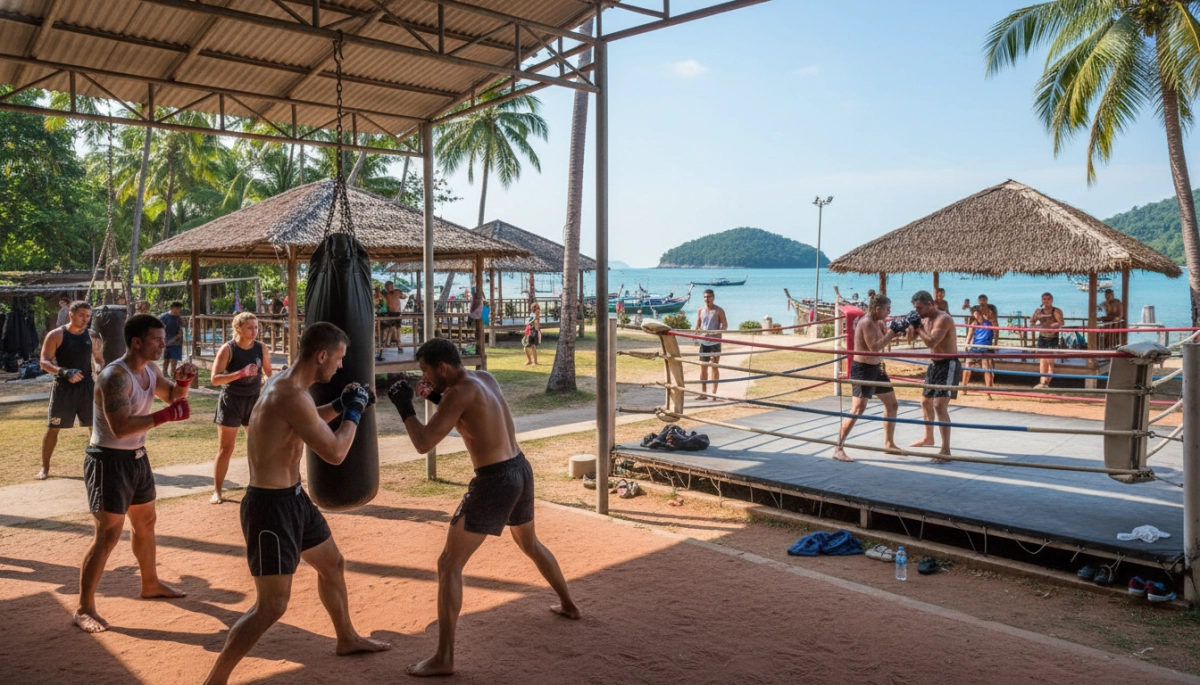
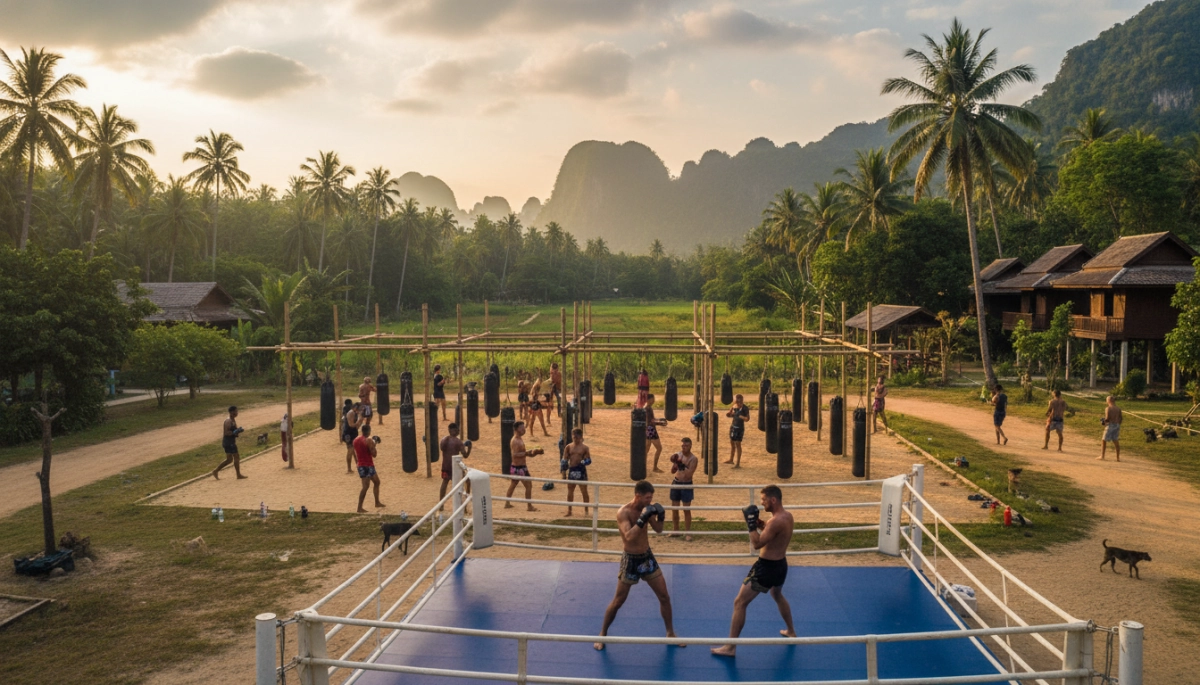
When you step off the plane and make your way to a Muay Thai camp in Thailand, you’re entering an environment designed around training, discipline, and Thai culture. Camps range from elite fight gyms to beginner-friendly resorts that combine holiday comforts with daily classes. You should expect a mix of structured training, straightforward living conditions, and constant heat — both from the climate and the workouts.
Most camps advertise programs for different ability levels. Whether you’re a total beginner, an experienced striker sharpening technique, or a fighter seeking sparring and fight prep, the core components are similar: warm-ups, technical drills, pad work, clinch practice, conditioning, and cool-downs. Coaches will typically adjust intensity and focus depending on your experience and goals, but you’ll be expected to show up consistently and work hard.
Practical preparations: arrival, packing, and first-day expectations
Travel logistics and arrival
Before you go, check visa requirements and local entry rules. Many camps can arrange airport transfers; confirm arrival times and communicate delays. Plan to arrive at least a day before your first full training day to recover from travel and acclimatize to the heat. On arrival, expect a short orientation: gym rules, class schedule, lodging details, and any additional services like physiotherapy or private coaching.
What to pack and what to rent
- Lightweight training shorts and technical t-shirts — moisture-wicking fabrics are essential.
- Hand wraps and gloves if you prefer your own gear; many camps rent or sell equipment.
- Creams for chafing and sunscreen — intense sweating plus sun exposure is common.
- Basic first-aid items and any personal medication; camps have varying levels of medical access.
- A refillable water bottle and electrolyte powders to stay hydrated in the heat.
If you forget something, most camps have small pro shops selling gloves, shorts, and wraps. Renting gloves or using loaner gear is common, but bringing your own wraps and mouthguard is recommended for hygiene and fit.
Culture, etiquette, and communication
Thai etiquette matters in a training environment. Show respect to coaches and senior fighters: a polite wai (bow) is appreciated, and don’t touch pads or equipment without permission. Expect a mix of Thai and English; more tourist-oriented camps have English-speaking staff, while smaller local gyms may rely on gestures and hands-on demonstration. Be open to learning by watching and copying — Muay Thai instruction often emphasizes repetition and demonstration more than verbose explanation.
Training intensity, communal living, and local food will feel different from back home. You’ll likely be sweating a lot, pushing into uncomfortable fitness zones, and sharing dorms or simple bungalows. These are part of the experience and usually what makes camps such effective places to improve quickly.
Next, we’ll walk through a typical daily schedule at a camp — from morning runs and technical sessions to recovery practices, nutrition, and optional extras like private coaching and massage.
A typical day at camp: what your schedule will look like
Daily routines vary by gym, but most camps follow a two-session pattern that makes the most of cooler morning and late-afternoon temperatures. A common day looks like this:
- Early morning (5:30–7:30): light run or shadowboxing to wake up the body, followed by dynamic warm-ups and technical drilling. Many camps begin with a short road run or hill sprints — useful for conditioning and acclimatization.
- Mid-morning (7:30–9:00): pad work, partner drills, and clinch practice. This is when coaches focus on technique, combinations, and repetition. Expect lots of mitt rounds and focused corrective feedback.
- Midday (10:00–15:00): rest, recovery, and food. Hydration and cooling down here are crucial — use this time for naps, stretching, or light mobility work.
- Afternoon/evening (16:00–19:00): second session with sparring (optional), intense conditioning (bodyweight circuits, bag work), and cool-downs. Some camps include running again or specialized sessions like plyometrics or clinch-heavy rounds.
Beginners often do a single daily class or lighter sessions; advanced students and fighters train twice a day. Expect to repeat core drills often — it’s how muscle memory is built. Also plan short breaks between rounds for water and chalking hands, and be prepared for last-minute shifts in schedule due to weather or fight preparations.
Fuel and recovery: eating, sleeping, and hands-on therapy
Food and sleep are as important as training. Most camps provide set meals or on-site kitchens; staples include rice, eggs, grilled chicken or fish, vegetables, and fruit. Thai cuisine supports training well — but remember portions may be carb-heavy and spicier than you’re used to. Pack or buy familiar snacks (nuts, protein bars) if you need extra calories or specific macronutrient balance.
Hydration and electrolytes are non-negotiable in the tropical heat. Drink consistently throughout the day, replace salts lost in sweat, and use sports drinks or oral rehydration solutions during heavy weeks. Post-training prioritize a mix of carbs and protein within an hour to aid recovery.
Camps often offer therapeutic services: Thai massage, sports massage, and physiotherapy or taping for nagging injuries. Book massages on rest days or after long training blocks rather than immediately before hard sessions. Aim for 7–9 hours of sleep and use fans or air conditioning if necessary — good sleep compounds training gains.
Optional extras: private coaching, sparring rules, and fight prep
Many camps list add-ons to speed progress. Private coaching lets you focus on specific techniques or a fight gameplan; video analysis is increasingly common for technical breakdowns. If you want to spar, ask about protective gear rules — headgear, shin guards, and controlled intensity are standard for foreigners. Always signal if you want to slow down; most Thai partners respect clear communication.
If you plan to fight, camps will offer a fight-prep program: extra sparring, targeted conditioning, and weight management. Be cautious with rapid weight cutting—ensure coaches manage rehydration and medical checks. Local stadiums and smaller shows are a rite of passage for many trainees; they’re loud, raw, and a cultural experience, but the environment can be high-pressure, so only compete when you and your team are genuinely ready.
Final tips before you step into camp
Go with clear, realistic goals, but also with curiosity and patience. Muay Thai camps are as much cultural experiences as they are fitness programs — showing respect, asking questions, and following the gym’s routines will get you further than raw ambition alone. Listen to your body: push where appropriate, but pull back when you need recovery. Bring basic paperwork (insurance details, emergency contacts) and keep lines of communication open with coaches and staff.
Arrange practicalities ahead of time—transfers, payment plans, and any medical checks—and consider travel insurance that covers sports activities. If you want current travel guidance or local entry rules, check official resources like the Thailand Tourism Board.
Key Takeaways
- Be prepared for structured, repetitive training—consistency and recovery drive progress.
- Prioritize hydration, nutrition, sleep, and hands-on therapy to sustain intense training.
- Respect Thai gym etiquette, communicate clearly, and treat the camp as both sport and cultural immersion.